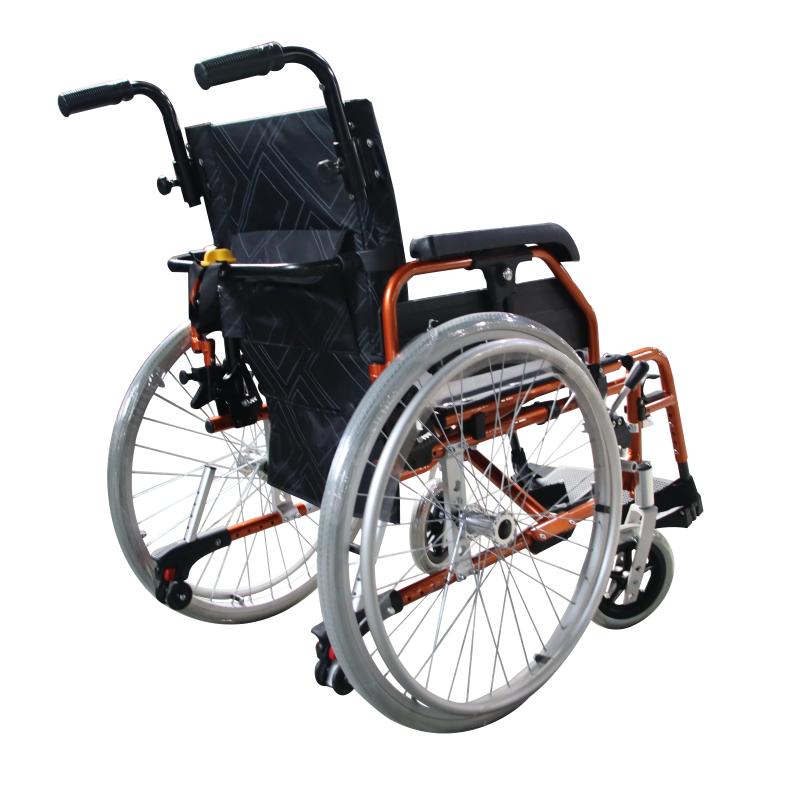
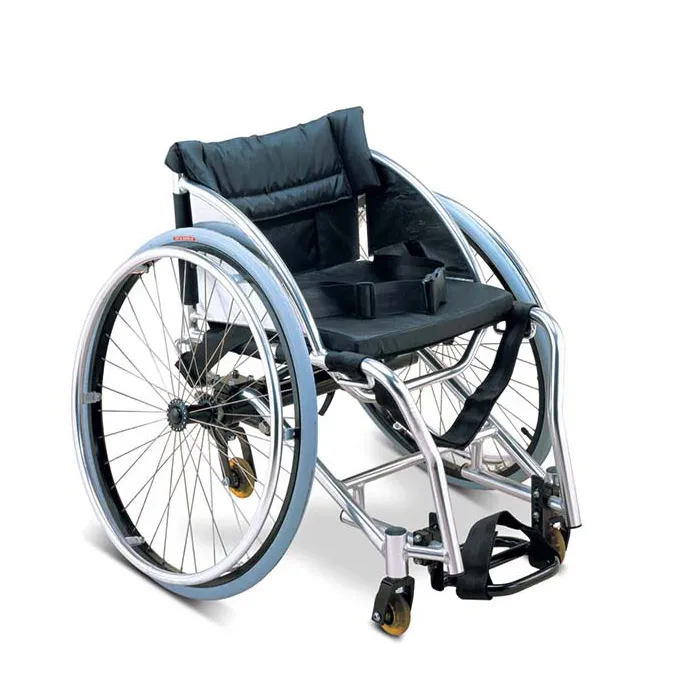
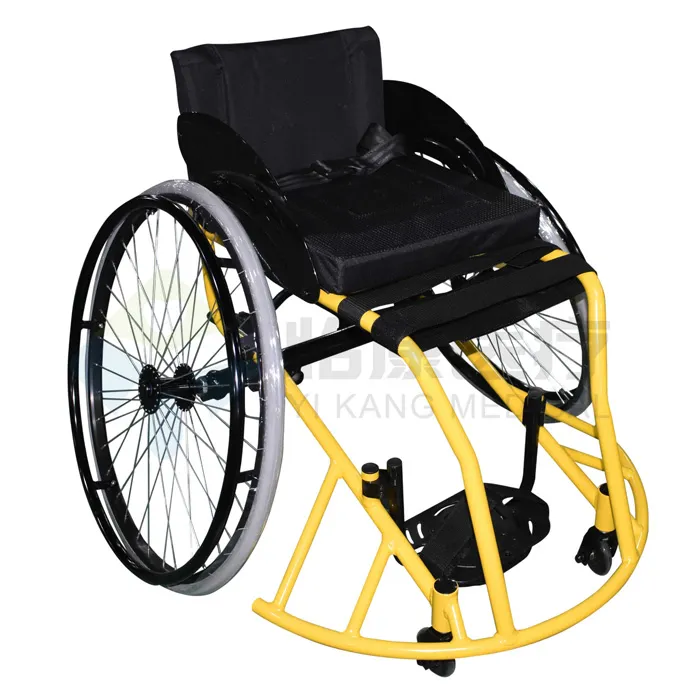
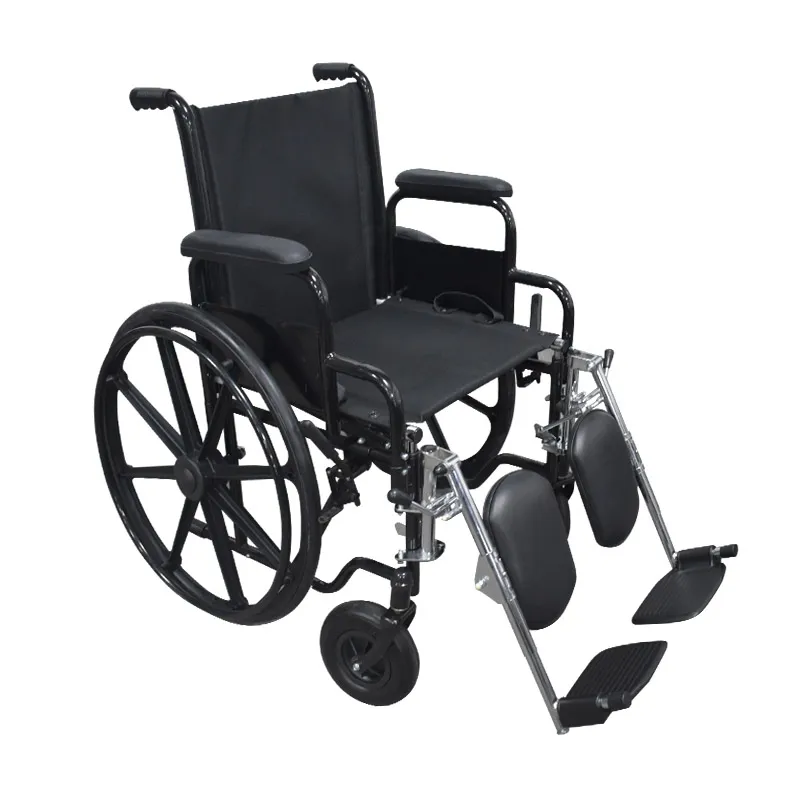
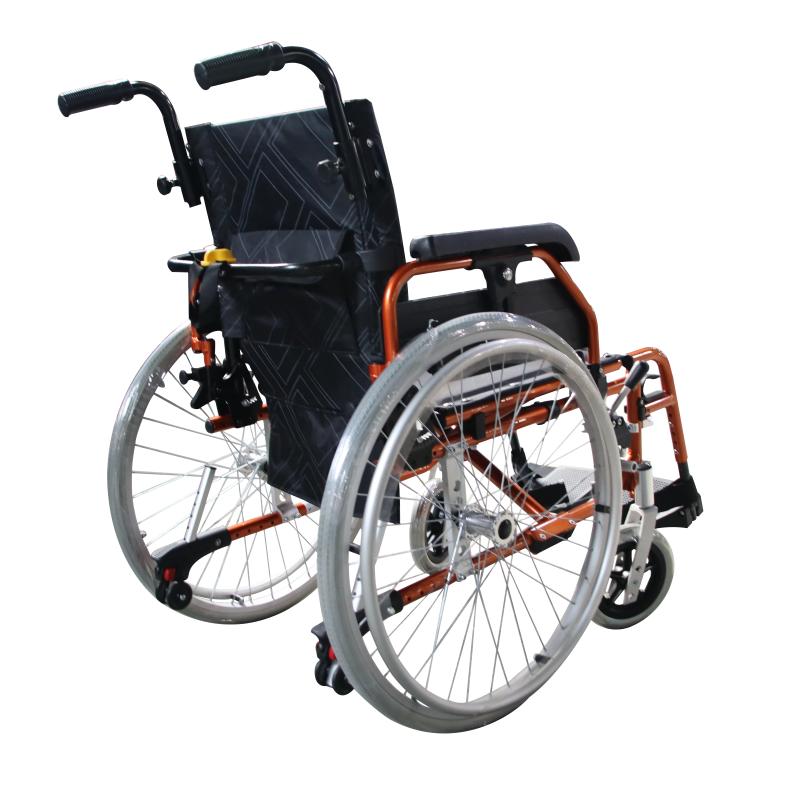
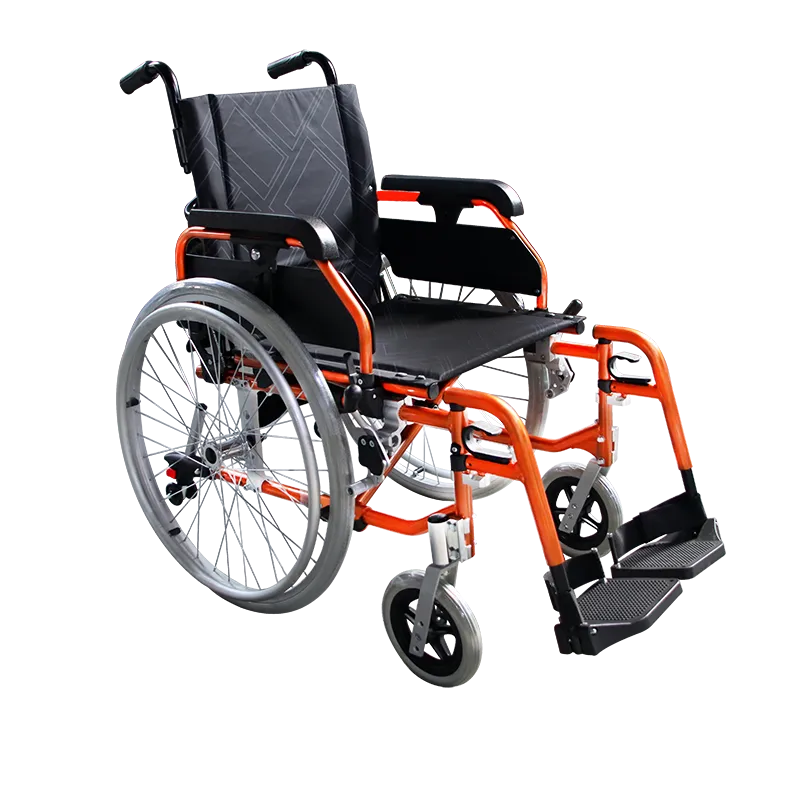
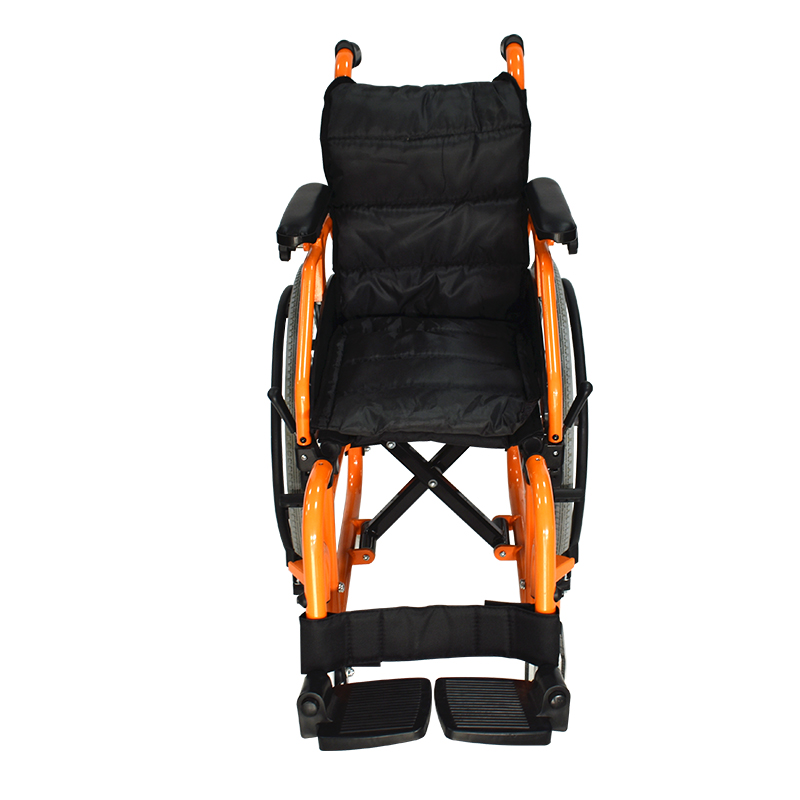
1. If you prioritize lightweight design and ease of transport, an aluminum wheelchair is the more suitable choice.
2. If you prioritize strength, stability, and affordability, a steel wheelchair may be the better option.
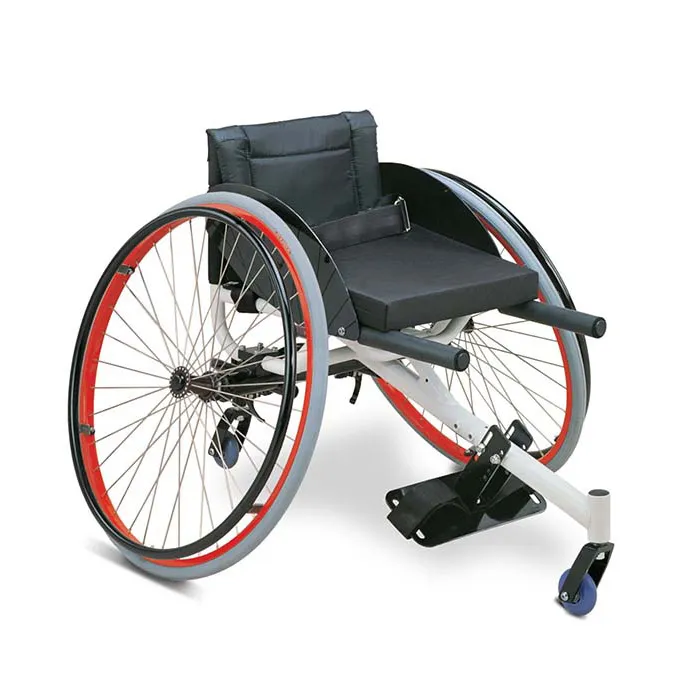
Most sports wheelchairs weigh approximately 15 kg.
Depending on the specific structure, materials, configuration, and intended sport discipline, the weight may vary slightly—typically ranging between 10 kg and 18 kg—but overall, they remain an exceptionally lightweight category of athletic equipment.
Wheelchair basketball is an exceptionally inclusive sport that does not require participants to have a disability. As long as the competition organizers permit it—and provided you are capable of maneuvering a basketball wheelchair to play—you are eligible to participate.
Home-use manual wheelchairs prioritize "sitting comfort," whereas medical-grade manual wheelchairs prioritize "ease of use and safety."
Therefore, if you are selecting a manual wheelchair for a family member, a home-use model is often the more suitable choice.
In essence, sports wheelchairs employ angled wheels to enable athletes to maintain both safety and efficiency in high-speed scenarios, during frequent directional changes, and amidst intense physical contact.
Typically, a user can push a manual wheelchair at a speed of 1 to 2 miles per hour.
This speed range is widely regarded as the common operating speed for a manual wheelchair under normal, safe, and sustainable conditions.
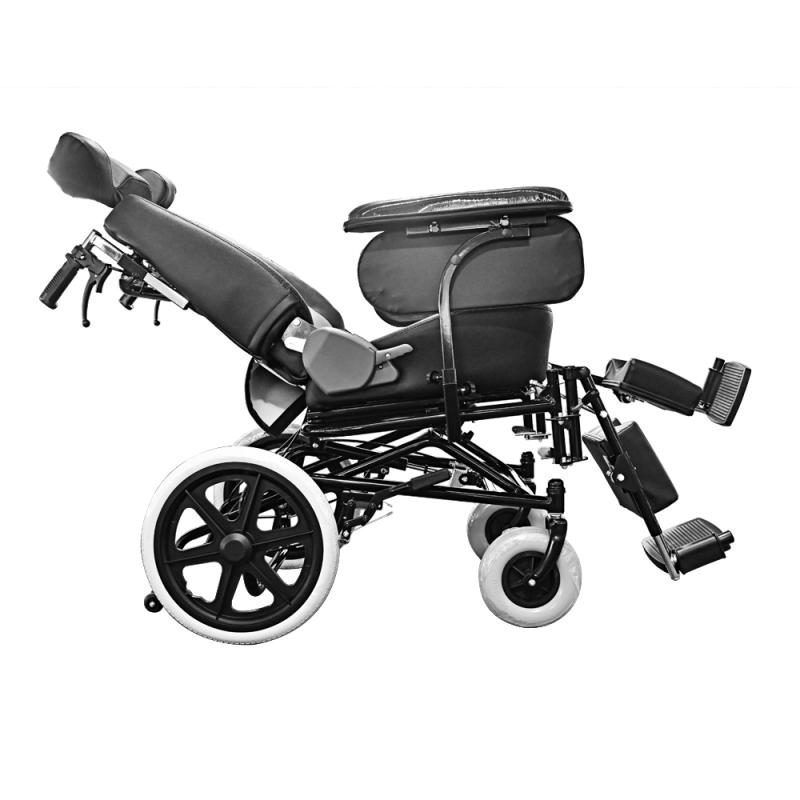
A tilt-in-space wheelchair is not a therapeutic tool for digestive disorders, nor is it a device designed to directly "promote digestion."
However, from the perspective of human physiology and postural mechanics, tilt-in-space wheelchairs can—in certain circumstances—indirectly facilitate smoother digestive processes by improving overall body posture.
Due to carbon fiber's high-strength characteristics, most carbon fiber wheelchairs offer a weight capacity ranging from:
120 kg to 150 kg
In other words, when compared at the same weight:
•Carbon fiber wheelchairs offer a higher load-bearing capacity than aluminum wheelchairs.
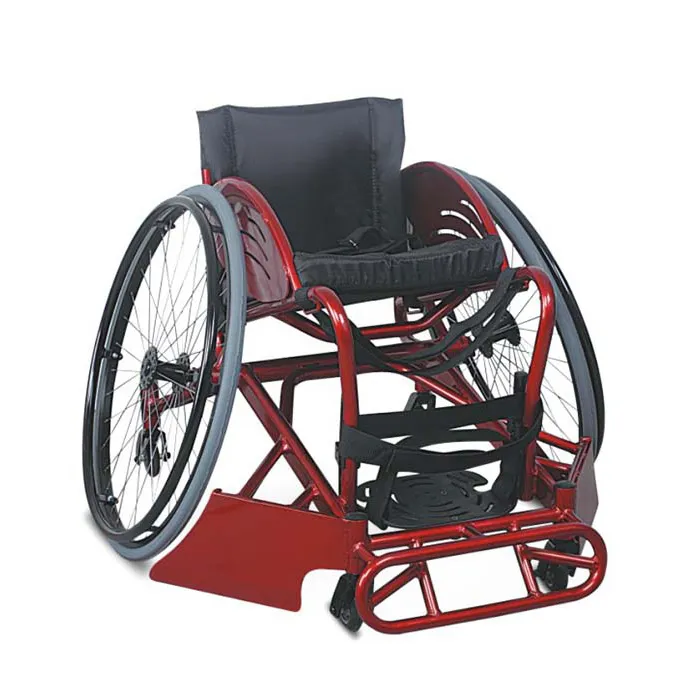
Visually, a rugby wheelchair differs drastically from a standard manual wheelchair. It resembles a piece of athletic gear more than it does a mobility device.
•A robust metal frame built to withstand impact
•Wheels set at a wide outward angle (commonly referred to as "cambered wheels")
According to general recommendations from medical institutions and the rehabilitation field, most children aged 5 and above may need a manual wheelchair if they experience mobility impairments or prolonged walking difficulties.