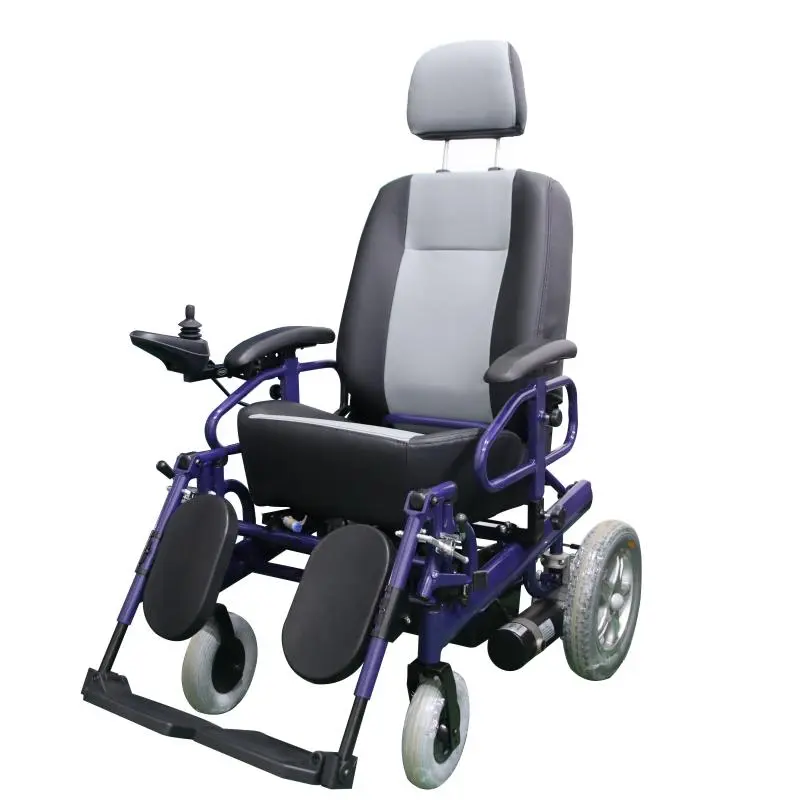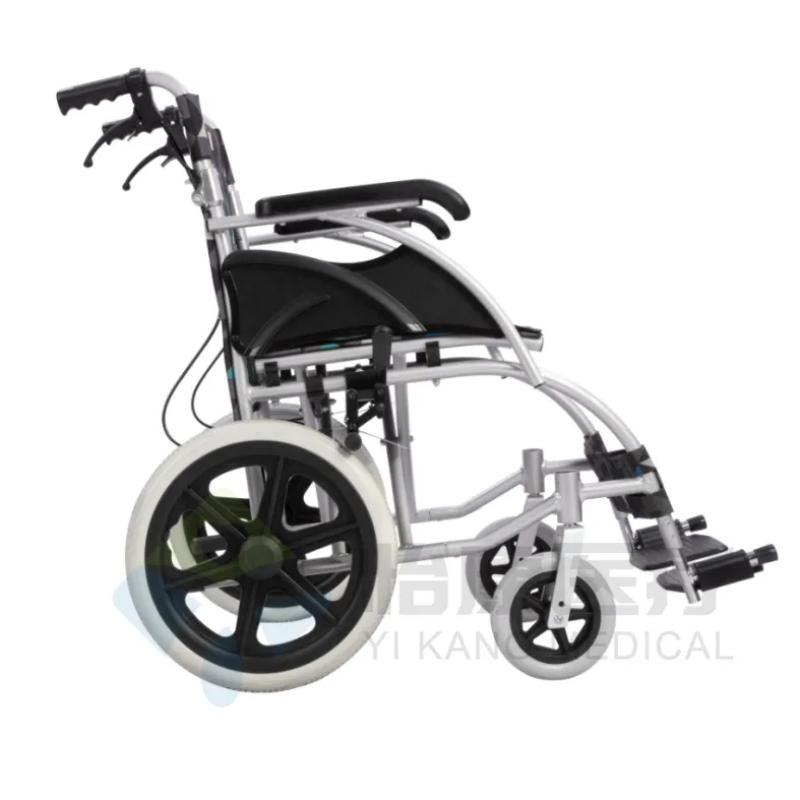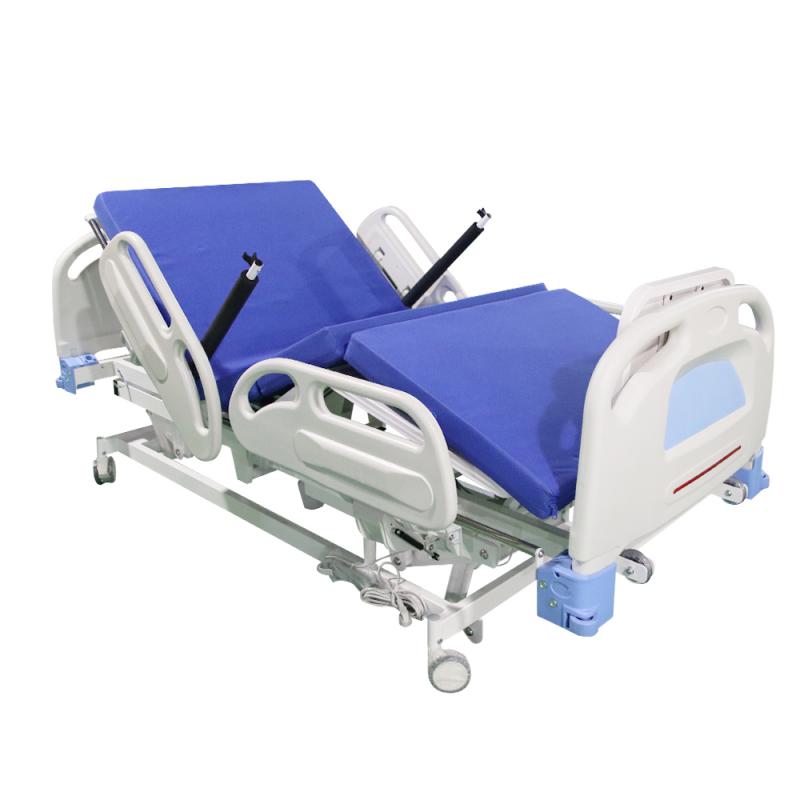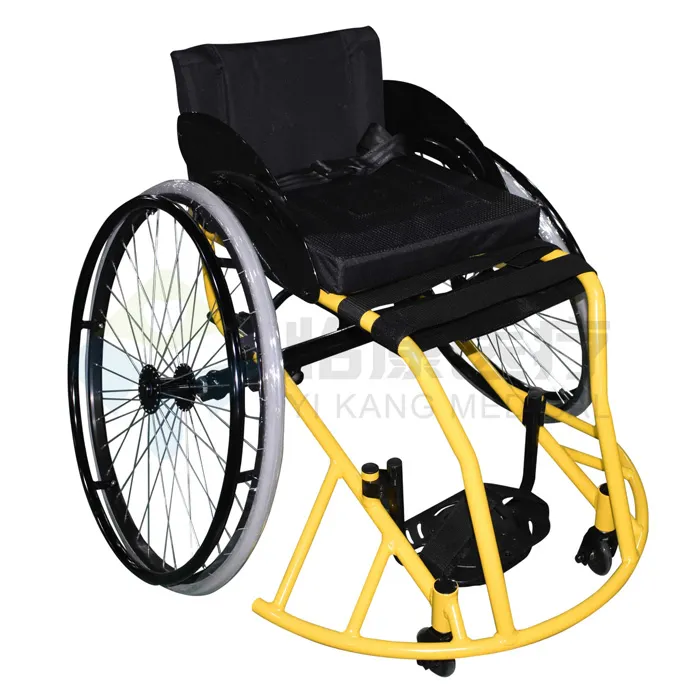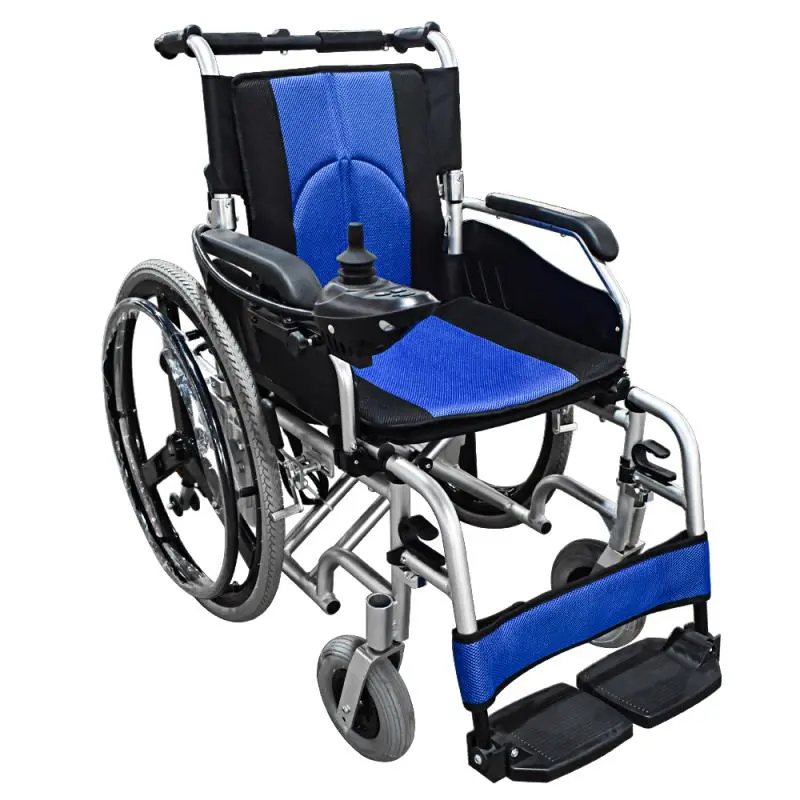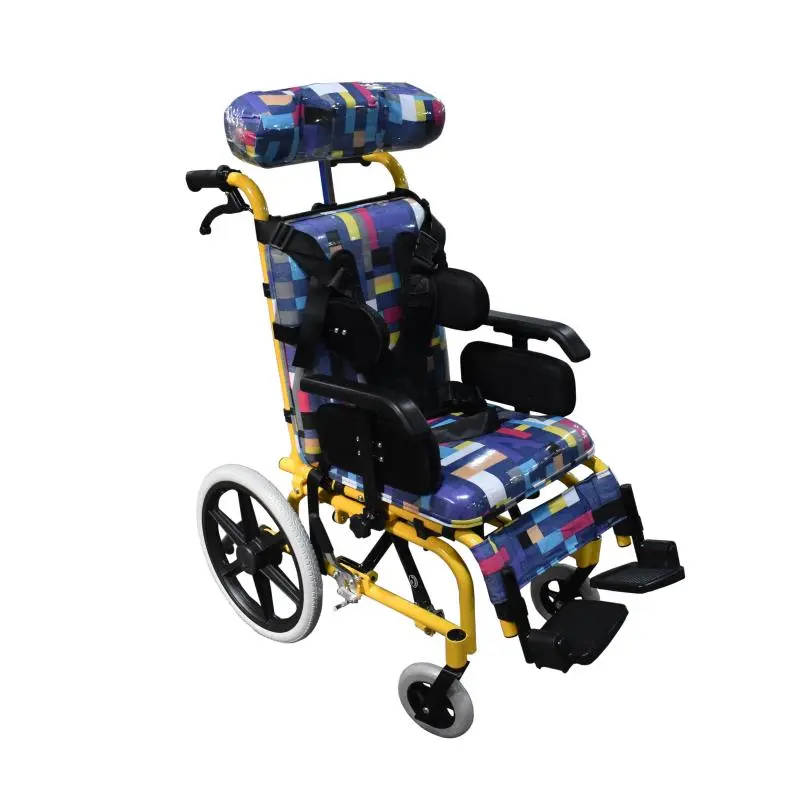
The answer is no. Tilt-in-space wheelchairs are not the same as reclining wheelchairs. While both change posture, adjust body force, and improve comfort, their core mechanical structures are completely different.
The Core Parameter Determining Wheelchair Stability: Center of Gravity Position
If we were to identify the most important variable among all factors, the "center of gravity position" would undoubtedly be one of the most crucial parameters.
For long-term bedridden patients, post-operative recovery patients, the elderly, people with disabilities, and patients with limited mobility, the bedside commode chair is not merely a convenient toileting aid, but also a crucial tool for maintaining dignity, reducing care risks, promoting early mobilization, and improving rehabilitation efficiency.
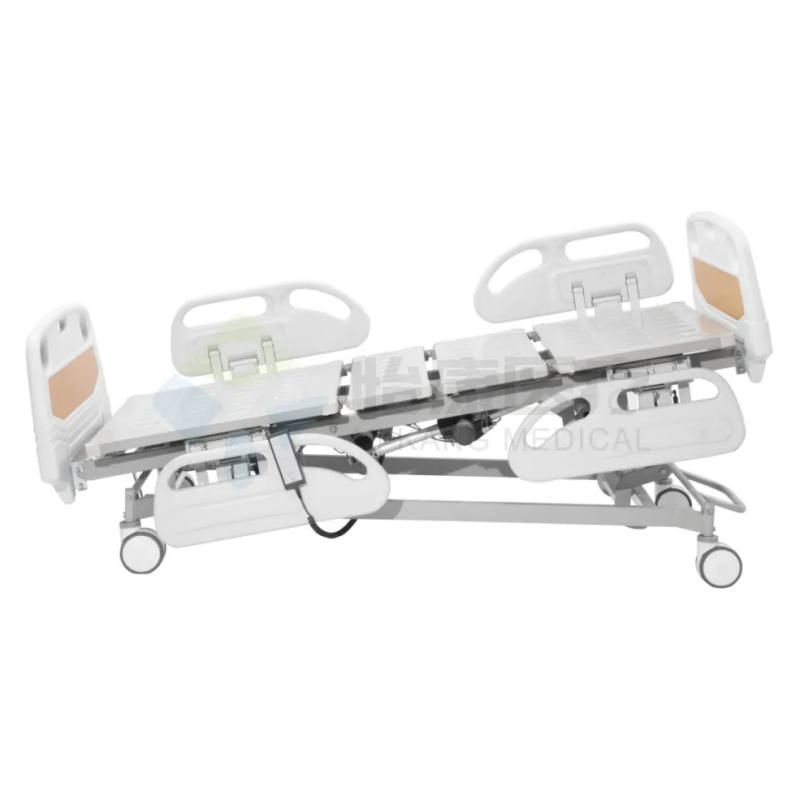
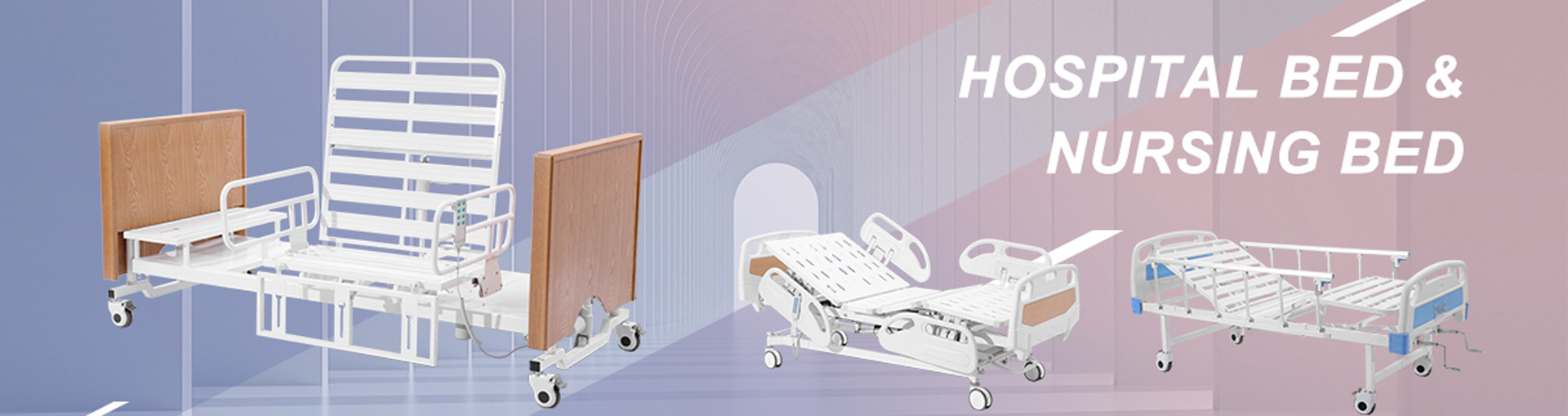
Choosing the right size hospital bed cannot be simply understood as "finding a standard size." Truly professional hospital bed selection should establish a complete decision-making chain encompassing "patient needs—clinical use—bed size—ward space—nursing procedures—safety standards—long-term operating costs."
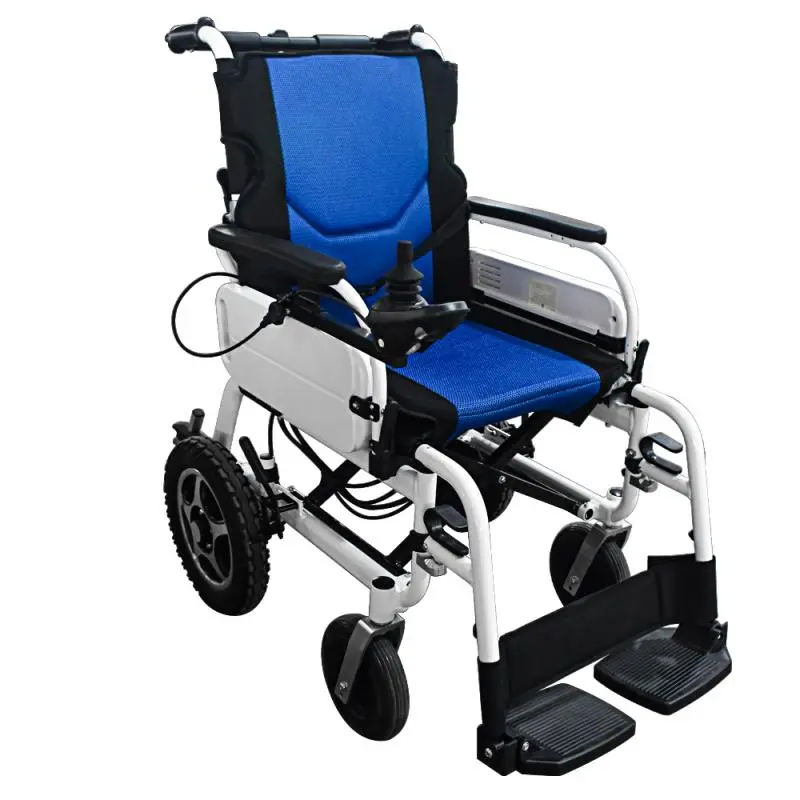
Most electric wheelchairs cannot be pushed directly by default after the battery is dead. However, the vast majority of legitimate electric wheelchairs are designed with a "manual release mode" or "clutch device," allowing for manual pushing after release.
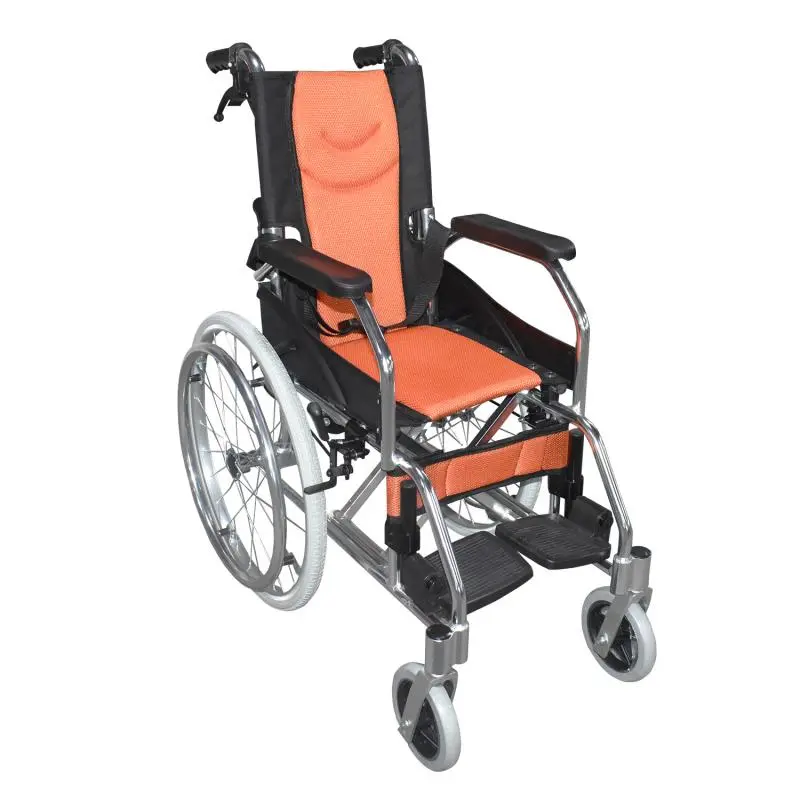
Reduced weight is only one factor; structural design is even more critical. High-quality lightweight manual wheelchairs often feature highly rigid frames, allowing the force applied by the user to the handrims to be transferred more directly to the wheels, rather than being dissipated through frame deformation or structural looseness.
In summary:
Good physical ability: Fixed shower chair;
Need assistance standing up: Shower chair with armrests;
Need full body support: Shower chair with a backrest;
Need caregiver-assisted transfer: Specialized care-oriented shower chair.
Relying on rails with a fixed height makes it difficult to satisfy such diverse needs. Consequently, modern electric hospital bed designs increasingly prioritize rail versatility, utilizing folding, vertical-lift, segmented, and adjustable rail systems to enhance adaptability.
The Most Recommended Posture for Pressure Relief: A Slightly Reclined Seating Position
If one had to choose a single posture best suited for daily electric wheelchair use, a slightly reclined position is usually the optimal choice.
Primarily to help children maintain a stable sitting posture, especially to help control pelvic position and reduce forward sliding or gradual postural collapse. Some children also require structures such as chest support to improve trunk stability.