
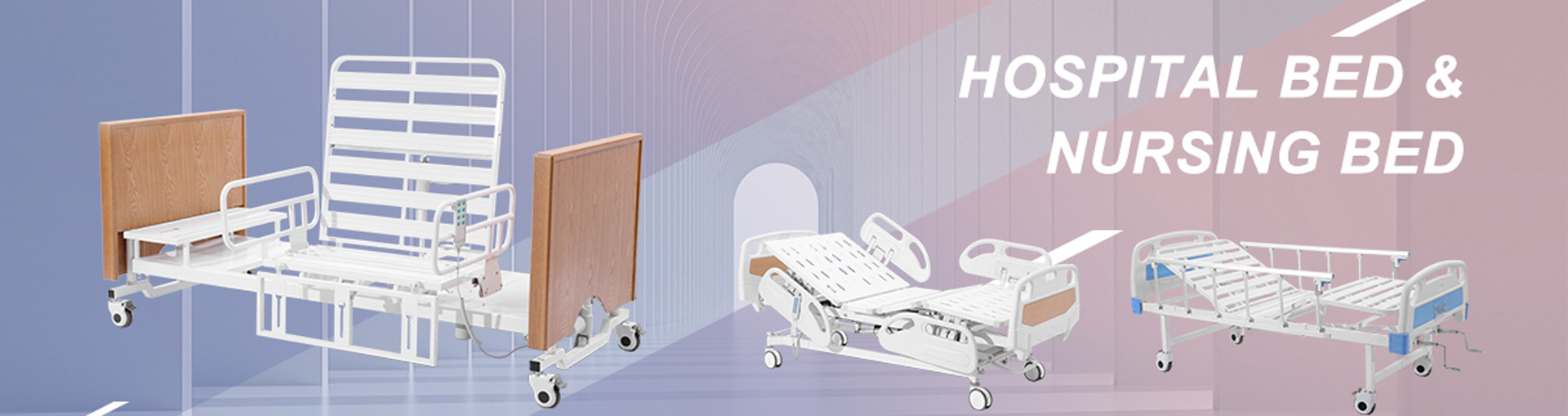
A manual wheelchair for children is a type of manually driven mobility aid designed specifically for children, primarily for those with mobility difficulties, requiring prolonged sitting support, or unable to walk independently. Unlike adult manual wheelchairs, children's manual wheelchairs emphasize more flexible size adjustments, a lighter frame design, and a support structure more suited to the developmental needs of children.
Therefore, one of the most frequently asked questions by parents and caregivers is: What age is a manual wheelchair suitable for children?
Generally speaking, manual wheelchairs for children are typically suitable for children aged 5 and above who require assisted mobility due to walking difficulties. Besides age, factors such as a child's size, muscle strength, posture control, and daily activity needs also influence suitability.
To help parents better understand the appropriate age and related standards for manual wheelchairs for children, this article will provide a systematic, professional, and detailed analysis from multiple perspectives.
Is there a specific age standard for manual wheelchairs for children?
Many parents hope for a definitive numerical answer, but in reality, there is no fixed age limit for manual wheelchairs for children. However, according to general recommendations from medical institutions and the rehabilitation field, most children aged 5 and above may need a manual wheelchair if they experience mobility impairments or prolonged walking difficulties.
Why around 5 years old?
Reasons include:
• By age 5, children's upper limb coordination is relatively mature, allowing them to attempt to push a manual wheelchair.
• Their spinal stability is stronger, enabling them to maintain an independent sitting posture better.
• Their height and body size are more accurately measured, facilitating wheelchair adjustments.
• Increased school attendance requires a manual wheelchair to support prolonged sitting and movement within the school.
Therefore, age 5 is often considered a dividing line for assessing the use of a manual wheelchair, but this is not a strict rule. More importantly, it depends on whether the child has mobility difficulties or a need for sitting support.
Which types of children are suitable for manual wheelchairs?
Not all children with mobility impairments are suitable for manual wheelchairs, but generally, the following types of children are more likely to benefit:
1. Children with difficulty walking or unable to walk independently
Whether due to insufficient muscle strength, neurological disorders, or structural problems, a manual wheelchair can be considered if a child is unable to move freely.
2. Children who can push themselves but require assistance
The advantage of a manual wheelchair is that children can push the wheels with their hands, making it suitable for children with a certain level of upper limb coordination.
3. Children who need to sit for long periods at school
A manual wheelchair can serve as a sitting tool throughout the day, providing stable pelvic and back support, which is beneficial for learning and participation in activities.
4. Children who can independently control some movements
For safety and efficiency, manual wheelchairs are more suitable for children who can maintain a sitting posture independently and have a certain level of upper limb strength and flexibility.
What are the criteria for determining the appropriate age for a manual wheelchair?
When determining whether a child is suitable for a manual wheelchair, parents should not rely solely on age but should conduct a comprehensive assessment based on the following core factors.
1. Does the child's body size fit the adjustment range of a manual child wheelchair?
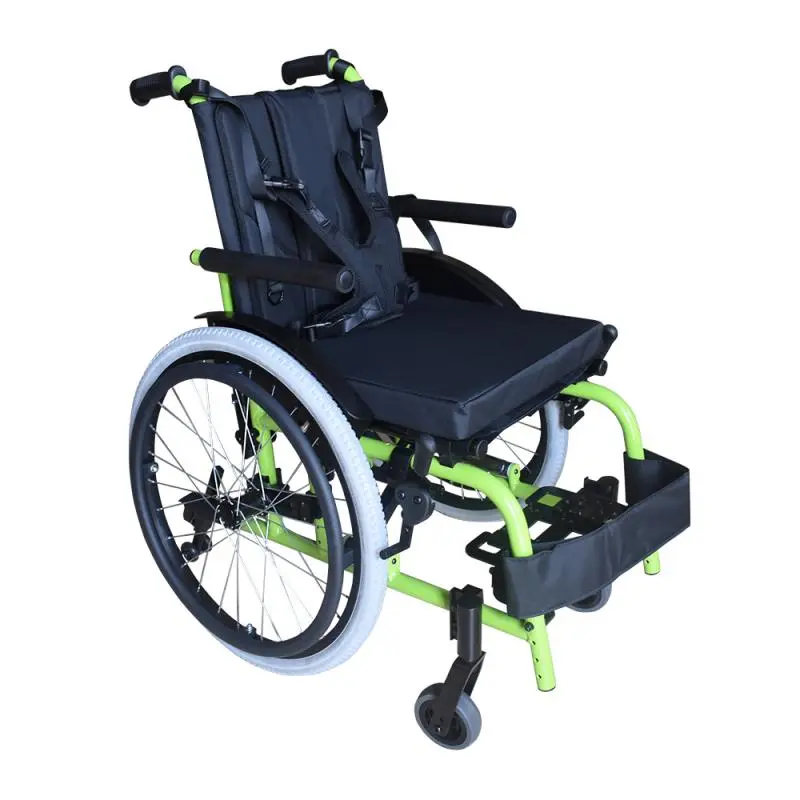
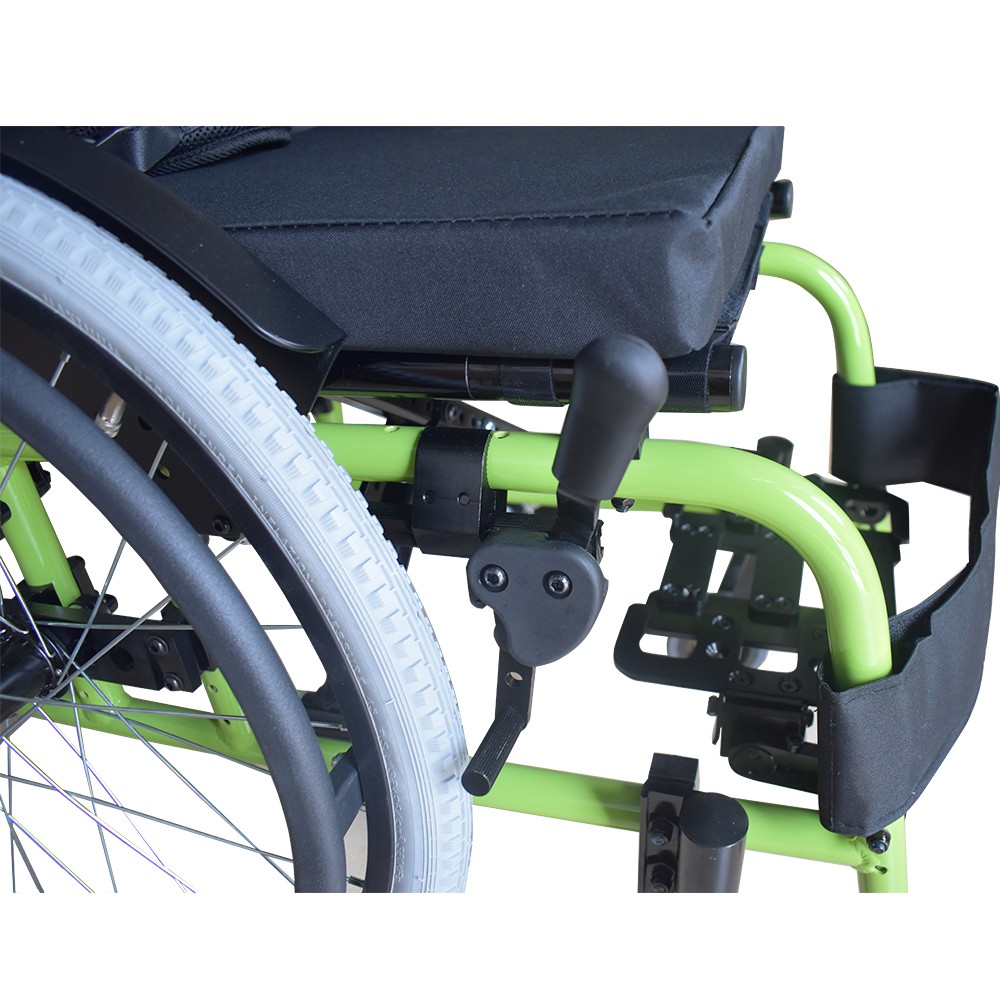
Manual child wheelchairs are adjustable, including:
• Seat width
• Seat depth
• Backrest height
• Leg rest length
If the child's height and weight are within the adjustable range, it can be considered for use.
2. Is the child's upper limb strength sufficient to push the wheelchair?
Manual child wheelchairs require the child to be able to push the wheels, therefore the child should have:
• Basic shoulder range of motion
• Sufficient arm strength
• Ability to coordinate hand movements
• Autonomous wheelchair braking ability
If the child has difficulty pushing the wheelchair independently, a caregiver can push it, but it is best if the child still has some initiative.
3. Is the child able to maintain a sitting posture?
Manual child wheelchairs are suitable for children who can maintain a sitting posture and have a certain degree of trunk stability. If trunk control is weak, a model with additional support can be used.
4. Does the child possess the cognitive ability for orientation and movement?
Children need to understand how to turn, brake, and stop. If cognitive ability is insufficient, more caregiver assistance may be required.
5. Does daily activity require frequent movement?
Children's manual wheelchairs are particularly suitable for children who need to:
• Go to school
• Participate in classroom activities
• Move around in family life
• Move around for short distances outside.
What is the difference between a children's manual wheelchair and a stroller?
At what age should a child transition from a stroller to a wheelchair?
This is one of the most frequently asked questions by parents. Although both strollers and children's manual wheelchairs are wheeled mobility devices, they are fundamentally different.
1. Stroller (0–4 years old)
• Primarily for infants and toddlers
• Pushed by parents
• No child involvement required
• No active movement function
• Not used as a posture medical device
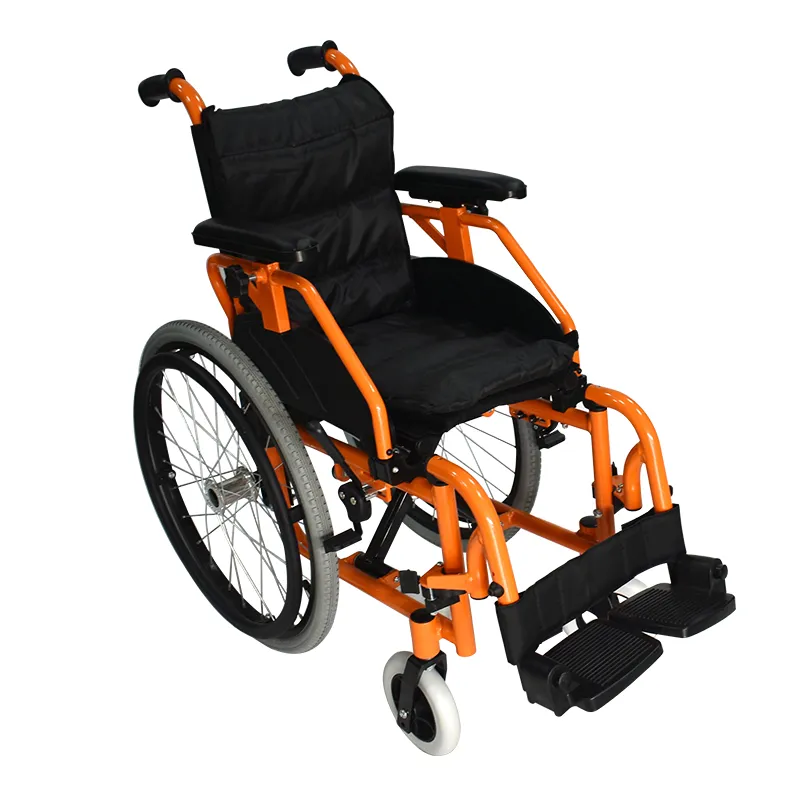
2. Children's Manual Wheelchair (5 years and older)
• Can be actively pushed by the child
• Supports stable sitting posture
• Adjustable size
• More suitable for posture maintenance for long-term use
• Meets the needs of going to school and socializing
Therefore, when a child reaches the age of 5, needs more independence, or has mobility difficulties, a transition from a stroller to a children's manual wheelchair should be considered.
Are all 5-year-olds suitable for manual wheelchairs?
While 5 years old is generally considered a common starting age for manual wheelchairs, not all 5-year-olds are suitable. Caution is advised in the following situations:
• Weak upper limb strength
• Extremely poor posture control
• Severe behavioral problems
• Body size too small for wheelchair design
Therefore, parents should consult with a professional assessor, rehabilitation therapist, or medical team.
Can manual wheelchairs be used for teenagers?
Many parents worry that as their children enter puberty, manual wheelchairs may not be able to support their weight or size.
In fact, many manual wheelchairs have extendable structures that can accommodate most body changes from age 5 to adolescence.
For example, they can be adjusted to:
• Wider seat
• Higher backrest
• Longer leg rest
• Increased frame weight capacity
Therefore, as long as the wheelchair has sufficient adjustability, manual wheelchairs are also suitable for older children.
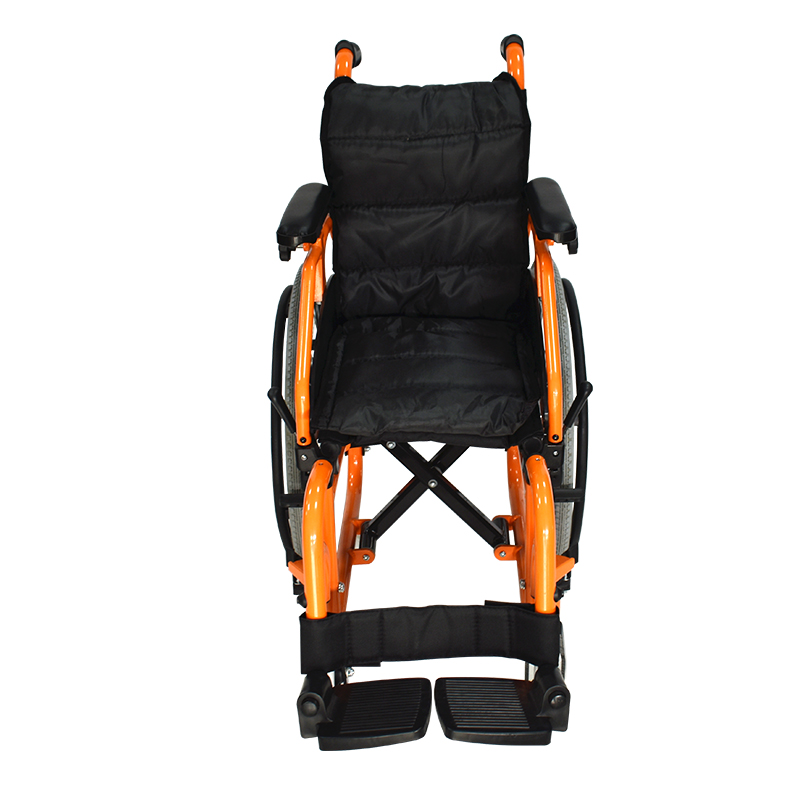
What are the main advantages of manual wheelchairs for children?
To help parents understand why schools, rehabilitation centers, and medical institutions recommend manual wheelchairs for children aged 5 and up, here are some key advantages:
1. Increased Child Autonomy
Children can push their own wheelchairs, fostering independence and self-confidence.
2. Stable Posture Support
Adjustable seat width, depth, and backrest height help children maintain good posture throughout the day.
3. Ideal for School and Social Activities
Manual wheelchairs are very convenient in environments like school, helping children participate better in group activities.
4. Lighter and More Portable than Electric Wheelchairs
Easy to fold, transport, and store.
5. Better for Children with Relatively Good Muscle Strength
Using a manual wheelchair helps develop arm strength, coordination, and endurance.
How to Determine if Your Child Needs a Manual Wheelchair?
The following situations indicate that a child may be suitable for a manual wheelchair:
• Difficulty walking or inability to walk
• Fatigue after walking only a few steps
• Need for prolonged sitting and movement to get to school
• Need to participate in outdoor or school activities
• Need to improve posture
• Lack of confidence in independent mobility
• Inability to move independently with the aid of assistive devices (walking frame, etc.)
If at least two of the above situations apply, a manual wheelchair should be considered for the child.
What is Yikang Medical’s experience in healthcare equipment production?
Foshan Yikang Medical Technology Co., Ltd. has been producing hospital and rehabilitation equipment since 2010. Starting with hardware and mechanical components, we expanded to electric and manual wheelchairs, hospital beds, nursing beds, bath chairs, toilet chairs, walkers, and canes. As a professional manufacturer and supplier in China, we provide OEM services and customized solutions, including design, color, and configuration adjustments.