
Get the latest price? We will reply as soon as possible (within 12 hours)

News

  • Front-Wheel Drive vs. Rear-Wheel Drive Electric Wheelchairs: Differences
    02-20/2026
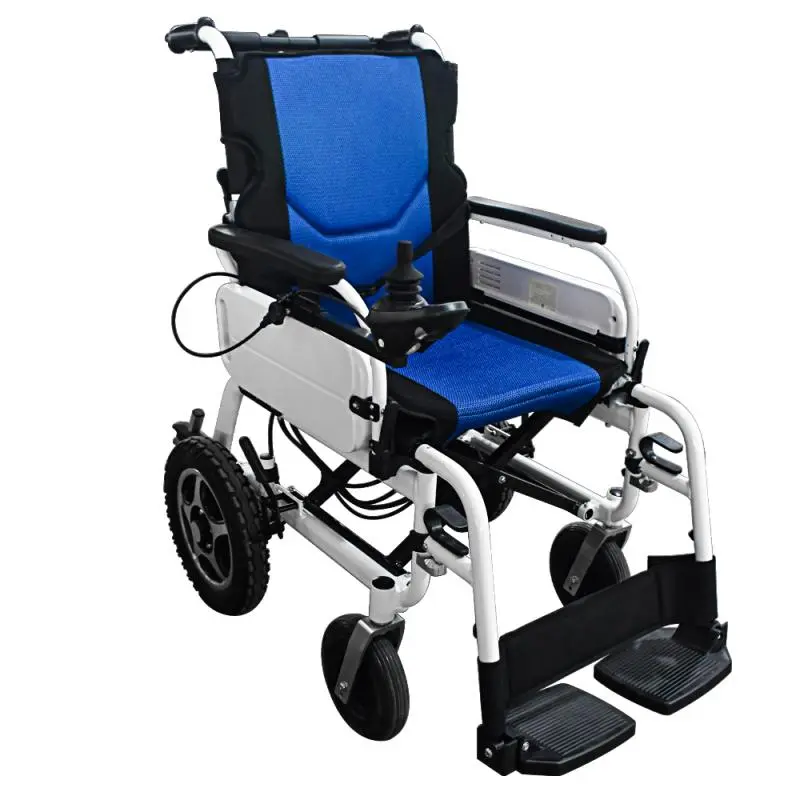
    • Front-wheel drive electric wheelchairs are propelled by the front wheels. • Rear-wheel drive electric wheelchairs are propelled forward by the rear wheels. The drive principle determines the overall characteristics and user experience of the two types of electric wheelchairs.
  • Where Should Electric Wheelchairs Be Charged?
    02-19/2026
    Scientific research shows that charging in a dry environment at 20℃–25℃ can extend battery life by more than 20%; conversely, long-term charging in high-temperature or cold environments will significantly shorten lifespan.
  • Which type of rollator is best for people with poor balance?
    02-17/2026
    The 4-wheel rollator is currently the most common, structurally comprehensive, and widely applicable type of rollator. Many people with weaker balance prioritize this type of product because it provides not just "semi-support," but a complete combination of stability and flexibility.
  • Who Can Participate in Wheelchair Fencing?
    02-16/2026
    Whether unilateral or bilateral lower limb amputation, individuals can participate in wheelchair fencing, provided their upper limb mobility is normal and they can perform basic fencing movements. Fencing wheelchairs are designed with pelvic and thigh area fixation to ensure stability during movements.
  • What type of wheelchair is best for an 80-year-old?
    02-13/2026
    In most cases, when the elderly person is still mentally sharp, an electric wheelchair can provide them with an easier, safer, and more independent mode of transportation. It reduces physical burden, lowers the risk of falls, and allows the elderly person to maintain a certain degree of autonomy.
  • What is a Type 4 Manual Wheelchair?
    02-12/2026
    In the classification system of the manual wheelchair industry, a "Type 4 manual wheelchair" typically refers to a type of manual wheelchair that is an upgrade from the optimal functions and structure of a Type 3 manual wheelchair, while using higher-grade ultra-lightweight materials, resulting in a significant reduction in overall weight.
  • Can a regular bed be used as a home care bed?
    02-10/2026
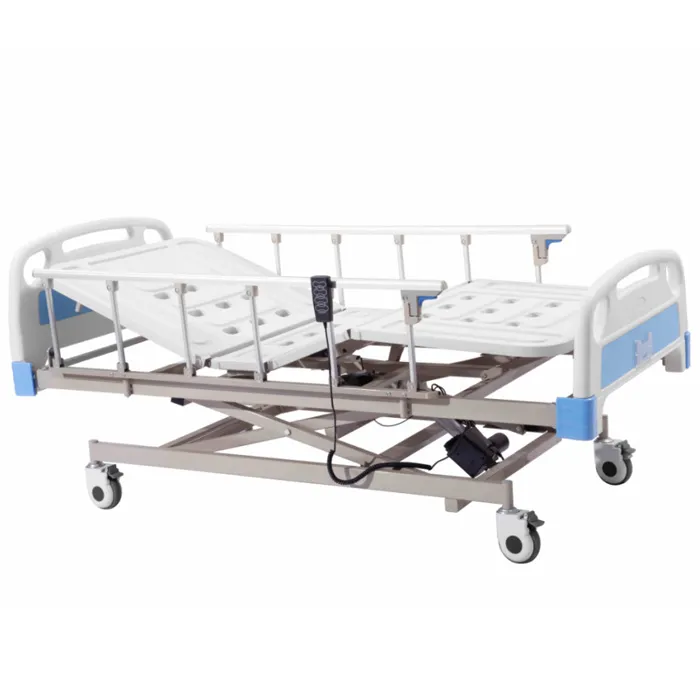
    From a professional nursing perspective, a regular bed cannot replace a home care bed. A regular bed is simply ordinary furniture for rest, while a home care bed is a professional device with medical and nursing functions.
  • How Often Do I Need to Charge My Electric Wheelchair?
    02-09/2026
    If you use your electric wheelchair for extended periods each day (e.g., more than 2 hours), daily charging is recommended. If you only use it for short periods (e.g., several times a week), charging every 2–3 days is sufficient.
  • What's the difference between a 4-wheel rollator and a wheelchair?
    02-06/2026
    • A 4-wheel rollator is an assistive device that allows users to "stand and walk." • A wheelchair is a mobility aid that allows users to "sit and be pushed or self-propelled." In other words, a 4-wheel rollator requires the user to have a certain level of standing and walking ability, while a wheelchair is suitable for people who cannot walk or are not suitable for standing for extended periods.
  • Do children's cerebral palsy wheelchairs have seat belts?
    02-05/2026
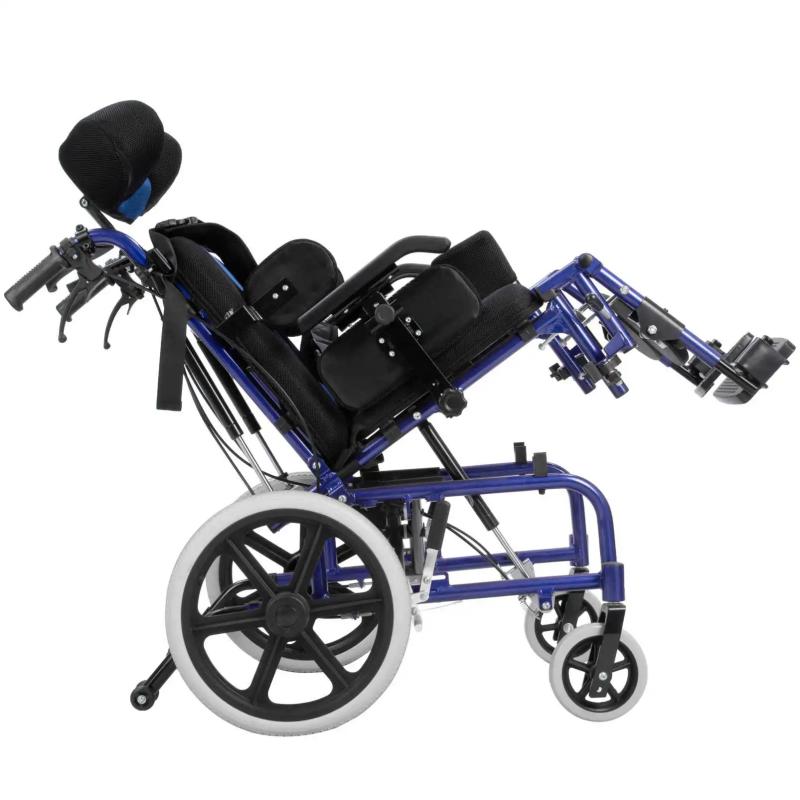
    The vast majority of children's cerebral palsy wheelchairs not only have seat belts, but they are often one of their core components. However, it's important to note that the "seat belt" on a children's cerebral palsy wheelchair is not the same as a seat belt on a regular wheelchair or other vehicle.