
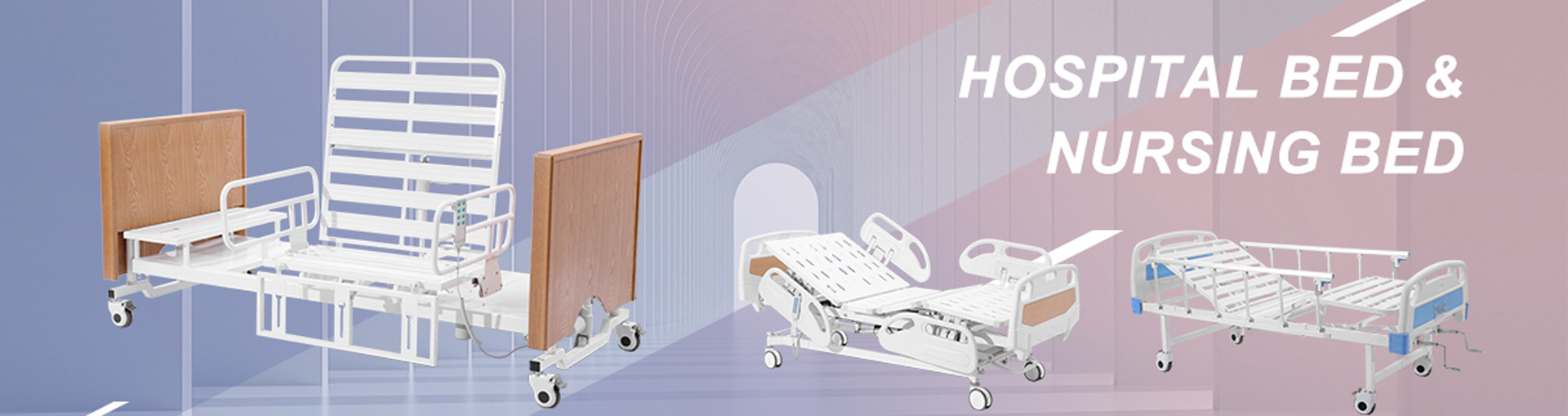
Electric blankets are a very common way to keep warm during the cold season. However, many people have a question when they are hospitalized or receiving treatment in a hospital bed:
"Can I use an electric blanket in a hospital bed?"
The answer is very clear, and it's also a strict requirement of hospital safety management: No. Electric blankets are absolutely prohibited in hospital medical beds.
This is not because hospitals are "too strict," but because electric blankets pose serious safety hazards in the hospital environment, including electrical safety risks, cross-infection risks, equipment interference, and nursing safety issues.
This article will analyze in depth why the use of electric blankets is strictly prohibited in hospital medical beds from multiple professional perspectives, including medical safety, electrical principles, nursing procedures, and infection control, and explain safe alternative methods of keeping warm.
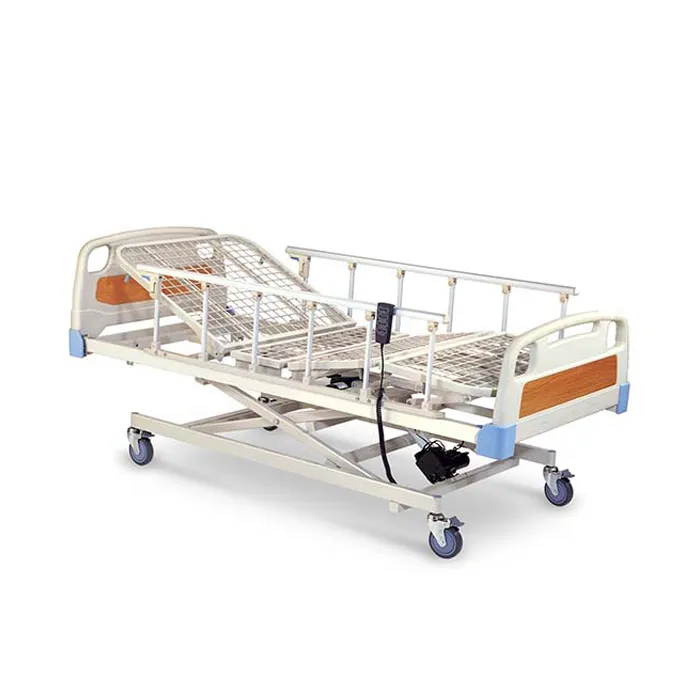
Why are electric blankets not allowed in hospital beds?
In a hospital bed environment, safety is always paramount. Although electric blankets are common at home, their use is strictly prohibited in a medical environment. The reasons are as follows:
1. High Environmental Requirements for Medical Equipment
Hospital beds are typically connected to multiple critical pieces of equipment, such as:
• Vital signs monitors;
• Ventilators;
• Infusion pumps;
• Electrocardiogram (ECG) monitoring equipment.
These devices are extremely sensitive to power interference. Electric blankets are high-power resistive loads, and the electromagnetic interference (EMI) generated when they are powered on can affect the accuracy of monitoring data, and may even cause false alarms or equipment malfunction.
In high-risk environments like hospitals, any external electrical appliances must meet stringent medical-grade standards, and electric blankets are clearly not medical-certified equipment.
2. Potential Hazards Due to Wiring Layout
Around hospital medical beds, the floor and walls are covered with medical cables, monitor wires, oxygen tubing, call lines, etc.
The electric blanket cord, winding its way from the foot of the bed to find an outlet, can easily:
• Get tangled with medical equipment cables;
• Be tripped by medical staff;
• Overload power outlets;
• Obstruct emergency access.
In an emergency, any obstruction could have serious consequences.
3. Electric blankets pose risks of overheating and electric shock
Electric blankets use heating resistance wires, which easily accumulate heat under continuous operation.
For patients who are weak, have sensitive skin, or are unable to adjust their position, electric blankets may cause:
• Skin burns;
• Burn infections;
• Electric shock hazard;
• Electrical short circuits.
Hospital medical beds are generally metal structures with grounding systems. If an electric blanket leaks electricity, the risk increases exponentially.
4. Higher hygiene standards in medical environments
Electric blankets are difficult to thoroughly clean and disinfect, while hospital medical beds require all contact items to be washable or disinfected at high temperatures.
Prolonged use of electric blankets can accumulate dust, breed bacteria or mites, potentially causing cross-infection within the hospital, which does not meet hospital hygiene standards.
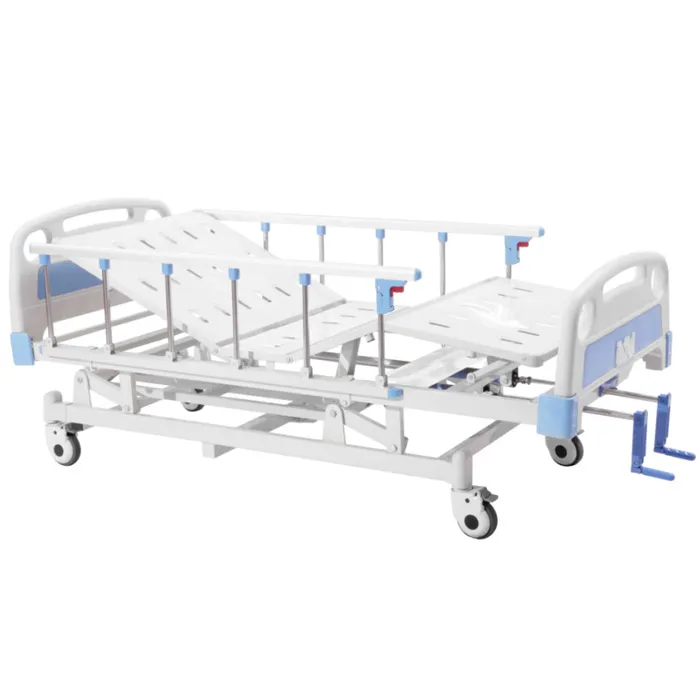
Why can't electric blankets be arbitrarily connected to the electrical system of hospital beds?
1. Hospital Power Systems are Strictly Zoned
The hospital's power system is divided into:
• Medical-grade Isolated Power: Used for equipment in wards and operating rooms, with isolation and leakage protection;
• General Lighting Power: Used for non-critical purposes.
The power supply in hospital bed areas is primarily medical-grade. Connecting any uncertified equipment will affect the electrical balance.
Electric blankets are ordinary household appliances and do not have medical electrical certification; therefore, their use is prohibited.
2. Electric Blankets May Cause Electromagnetic Interference (EMI)
Medical equipment such as ECG monitors and infusion pumps rely on microcurrent signals to operate. The resistance wires of electric blankets generate electromagnetic interference when energized, which may cause the equipment to misinterpret data.
For example: distortion of ECG signal waveforms, false triggering of monitoring alarms.
3. Different Grounding Systems for Hospital Beds
Hospital beds are often connected to the medical electrical grounding system.
If the insulation of the electric blanket is aged or the plug is not grounded, leakage current may occur, causing electric shock through the patient's internal circuit.
Therefore, electric blankets are incompatible with the electrical systems of hospital medical beds, which is a major technical reason why hospitals prohibit their use.
What are the potential dangers of electric blankets to patients?
Even without considering electrical interference, electric blankets still pose multiple risks from a patient safety perspective.
1. Risk of burns
Bedridden patients have reduced skin sensation, especially the elderly, diabetic patients, and paralyzed patients.
When an electric blanket heats unevenly, the local temperature can reach over 50°C, easily causing low-temperature burns, which patients often cannot detect in time.
2. Impact on patient monitoring
Temperature monitoring is a crucial aspect of ward care.
Using electric blankets will raise the patient's skin temperature, affecting the accuracy of temperature measurements and masking changes in the patient's condition such as fever.
3. Causing dry skin and infection
The continuous heating of electric blankets causes moisture evaporation from the skin surface, which can easily lead to dry, cracked skin, itching, and even infection with prolonged use.
4. Increased Fire Risk
Hospital beds are typically equipped with medical mattresses, waterproof sheets, and cotton blankets. Overheating or short-circuiting electric blankets can easily cause a fire.
Therefore, from both electrical and nursing safety perspectives, electric blankets are unsuitable for hospital medical beds.
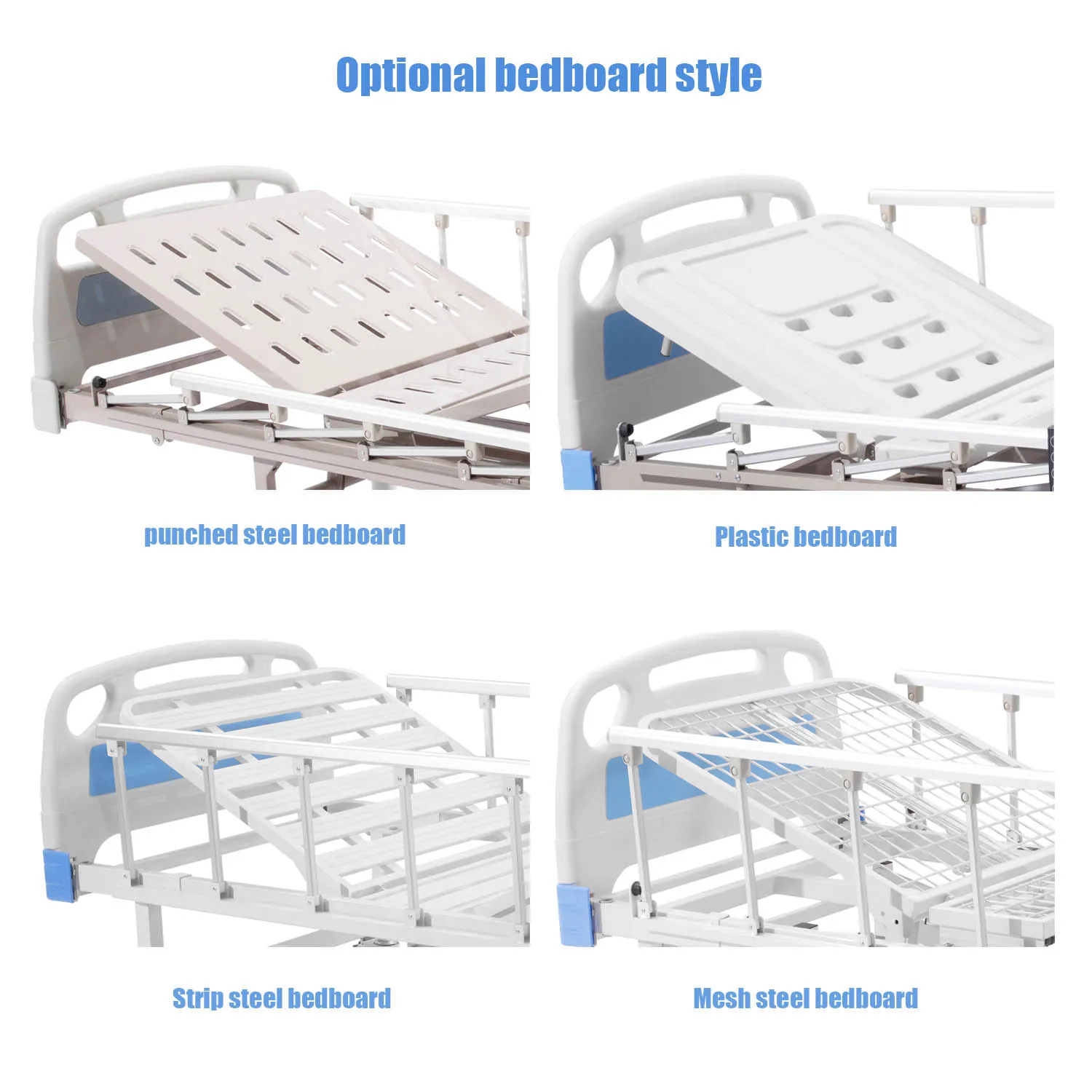
Why should the area around hospital beds be kept unobstructed and free of electrical wires?
The hospital bed area is not only a place for patients to rest, but also a core area for emergency and nursing procedures.
Any unnecessary wires or equipment can become potential obstacles.
1. Preventing Obstruction of Nursing Procedures
Medical staff need to frequently adjust patient positions, administer IV fluids, suction sputum, and measure vital signs.
Electric blanket cords may become entangled in nursing equipment or drag on the floor, causing falls or equipment detachment.
2. Maintaining Unobstructed Emergency Access
When a patient experiences an emergency, doctors and nurses need to quickly approach the bed.
Any wires extending to the foot or side of the bed may obstruct the access of emergency carts.
3. Preventing Incorrect Power Connections
Hospital power outlets are mostly dedicated medical sockets. Inserting an electric blanket into the wrong outlet can cause circuit overload or even blow a fuse.
In short, hospital bed areas must be kept clean, orderly, and free of loose wires; this is a fundamental principle of safe nursing care.
What alternatives does the hospital provide if a patient is cold?
While electric blankets are prohibited in hospital medical beds, hospitals do provide some warmth.
Medical institutions typically provide safe alternatives, including:
1. Medical-grade constant-temperature hot water bottles
These feature leak-proof design, controllable temperature, and a high safety factor; they are heated by nursing staff and checked regularly.
2. Warm air blanket systems
Some hospitals use medical-grade warm air blanket systems, which heat the air through controlled airflow, providing a stable temperature without electrical contact.
3. Temperature-controlled ward systems
The ward's central air conditioning system maintains a constant temperature, ensuring an overall comfortable environment.
4. Medical Heated Mattresses (Low-Voltage Safety Type)
A few rehabilitation wards may use low-voltage DC (below 24V) heating pads, which are medically certified and equipped with temperature control systems.
These heating methods are designed to avoid the risk of direct contact between the heating wires and the patient's skin, complying with hospital safety regulations.
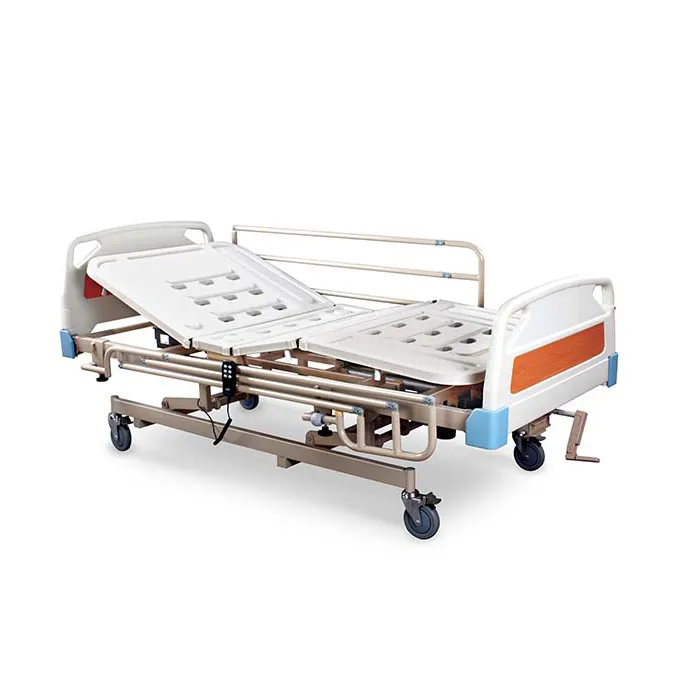
Why should caution be exercised when using electric blankets in home care?
Even when using hospital medical beds or home care beds at home, it is not recommended to use ordinary electric blankets indiscriminately.
1. Home electric blankets are not compatible with medical bed frames
Hospital beds or nursing beds are mostly metal-framed structures. If the electric blanket leaks electricity, it can easily conduct electricity through the bed frame.
2. Patient skin is fragile and prone to burns
Patients who are bedridden for extended periods have slowed blood flow to their skin and low heat tolerance; even low-temperature heating can cause injury.
3. Nursing staff cannot monitor 24/7
The home environment lacks professional monitoring; if an electric blanket is left plugged in unattended for extended periods, the risk is even greater.
Therefore, even when using a hospital medical bed at home, safe, low-voltage medical heating equipment with temperature control should be prioritized.
What are the regulations for electrical appliance use in hospital beds?
1. Only medical-grade appliances are permitted
All equipment connected to the hospital's power grid must be medically certified (e.g., IEC 60601 standard).
2. Unauthorized connection of non-medical appliances is prohibited
This includes: electric blankets, electric fans, rice cookers, small refrigerators, etc.
3. Dedicated power outlets
Hospital ward outlets are typically divided into "medical equipment only" and "domestic power" categories; cross-contamination is prohibited.
4. Regular wiring safety checks by nursing staff
During daily rounds, medical staff will check for any unauthorized electrical use in the bed area.
These regulations ensure a stable, safe, and interference-free electrical system in the hospital medical bed environment.
Why can't electric blankets be used on hospital beds?
Based on the above analysis, we can clearly conclude that the use of electric blankets on hospital medical beds is strictly prohibited.
The main reasons include:
• Medical equipment is sensitive to electromagnetic interference, and electric blankets can cause interference;
• Entangled power cords may trip medical staff, affecting emergency treatment;
• Electric blankets pose risks such as electric shock, burns, and fire;
• They do not meet hospital disinfection and hygiene standards;
• They violate ward safety regulations for electrical use.
What makes Yikang Medical a reliable supplier of medical equipment?
Yikang Medical has been a professional manufacturer and supplier of hospital and rehabilitation equipment in China since 2010. We produce a wide range of products, including hospital medical beds, nursing beds, electric and manual wheelchairs, bath chairs, toilet chairs, walkers, and canes.
Our factory provides customized solutions to meet specific client needs, adjusting designs, configurations, and colors. With ISO13485, ISO9001, CE, and FDA certifications, our products meet international quality standards.