
In modern society, power wheelchairs have become indispensable assistive devices for people with mobility impairments, the elderly, and those undergoing long-term rehabilitation. They bring users independence and freedom and greatly improve their quality of life.
However, after spending thousands or even tens of thousands of yuan on an electric wheelchair, users often have questions:
"Do I need to insure my electric wheelchair?"
"If the electric wheelchair is damaged or stolen, will the insurance cover it?"
"What are the risks of using an electric wheelchair?"
From a legal perspective, there is currently no mandatory requirement to insure power wheelchairs. However, from the perspectives of economic security, usage protection, and property risk diversification, it is highly recommended to insure power wheelchairs.
This article will systematically analyze why, although insurance is not mandatory, it is still recommended that users voluntarily insure their electric wheelchairs; and will explain in detail the significance, types, coverage, and purchase recommendations for electric wheelchair insurance.
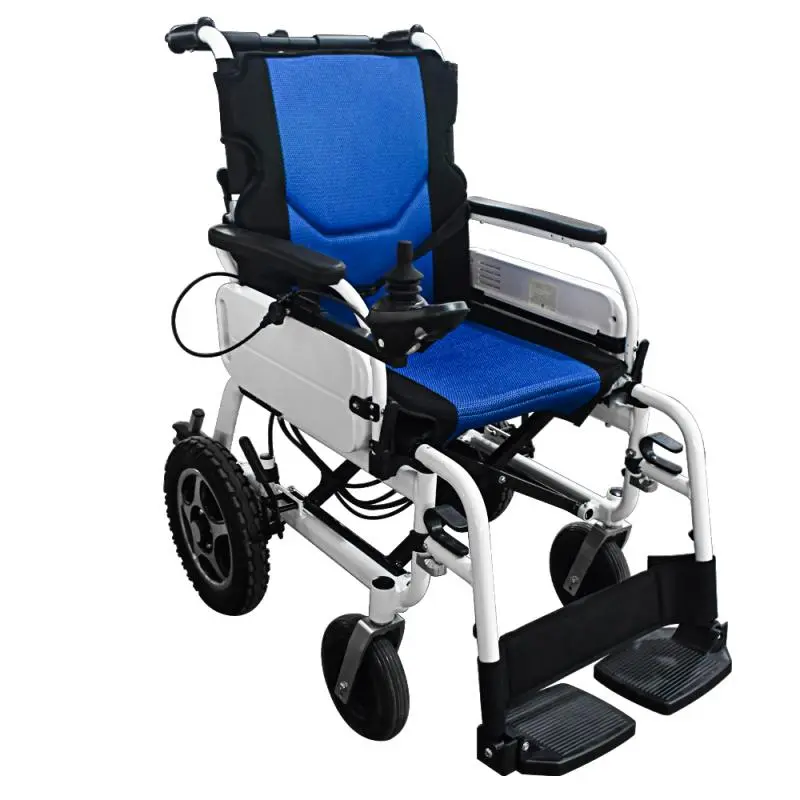
Do electric wheelchairs need insurance?
First, we must clarify a basic conclusion: Electric wheelchairs do not require mandatory insurance.
This means that:
The law does not classify electric wheelchairs as motor vehicles, nor does it include them in mandatory traffic insurance. Using a power wheelchair in public areas will not result in penalties for not having insurance.
However, from a risk management and personal economic perspective, power wheelchair insurance has significant value.
1. Why is it not legally mandatory?
The primary function of electric wheelchairs is personal mobility assistance, not public road transportation. Their speed is typically no more than 10 km/h, their power is low, and the potential risk to others or the traffic system is minimal. Therefore, the state does not include them in the scope of motor vehicle or traffic insurance regulations.
2. Why is it still recommended to purchase insurance?
Although the law does not require it, in real life, electric wheelchairs are valuable and frequently used. In the event of accidents, such as:
• Collisions causing equipment damage;
• Battery or electronic control system malfunction;
• Loss or theft of the electric wheelchair;
• Injury to a third party due to operational errors.
These situations can all result in substantial economic losses. Therefore, purchasing appropriate insurance can provide users with financial compensation and psychological security.
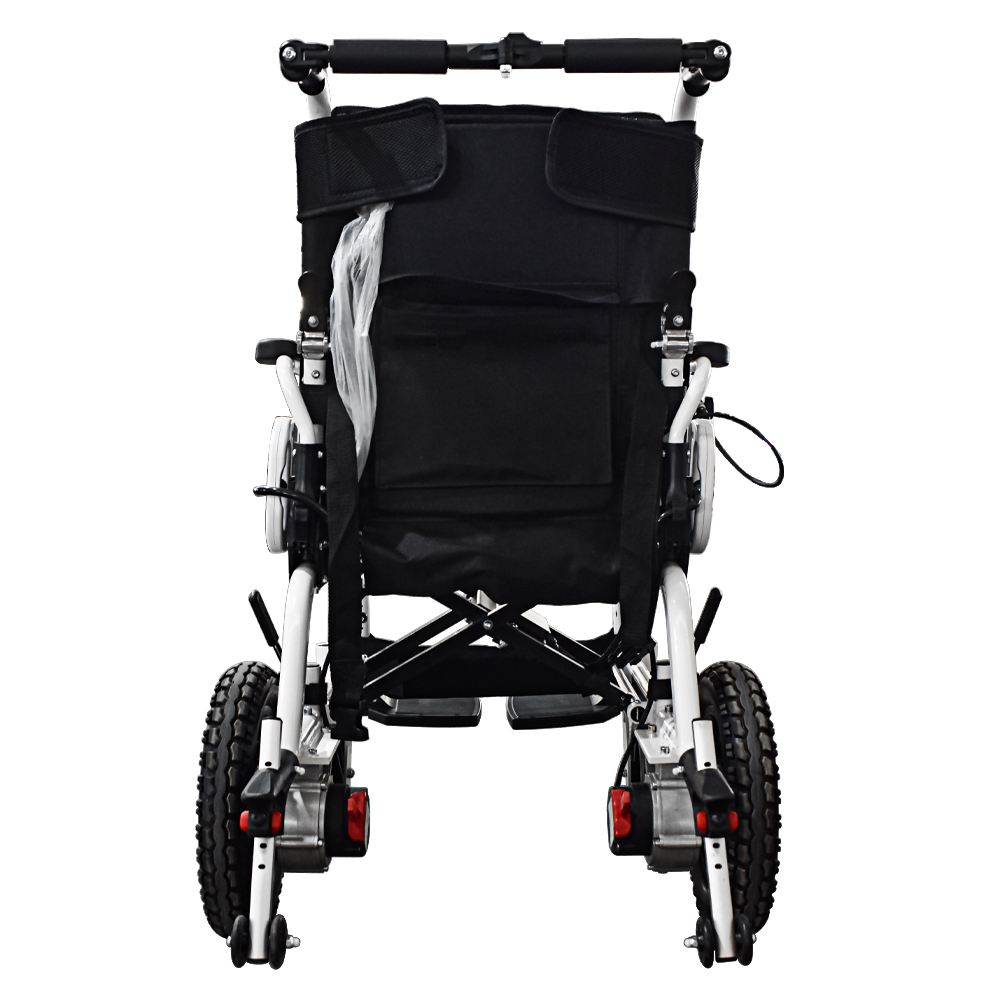
Why is it recommended to insure power wheelchairs?
From an economically rational perspective, power wheelchair insurance is a cost-effective protection measure. The following points fully illustrate the necessity of purchasing such insurance:
1. Electric wheelchairs are expensive, and repair costs are high
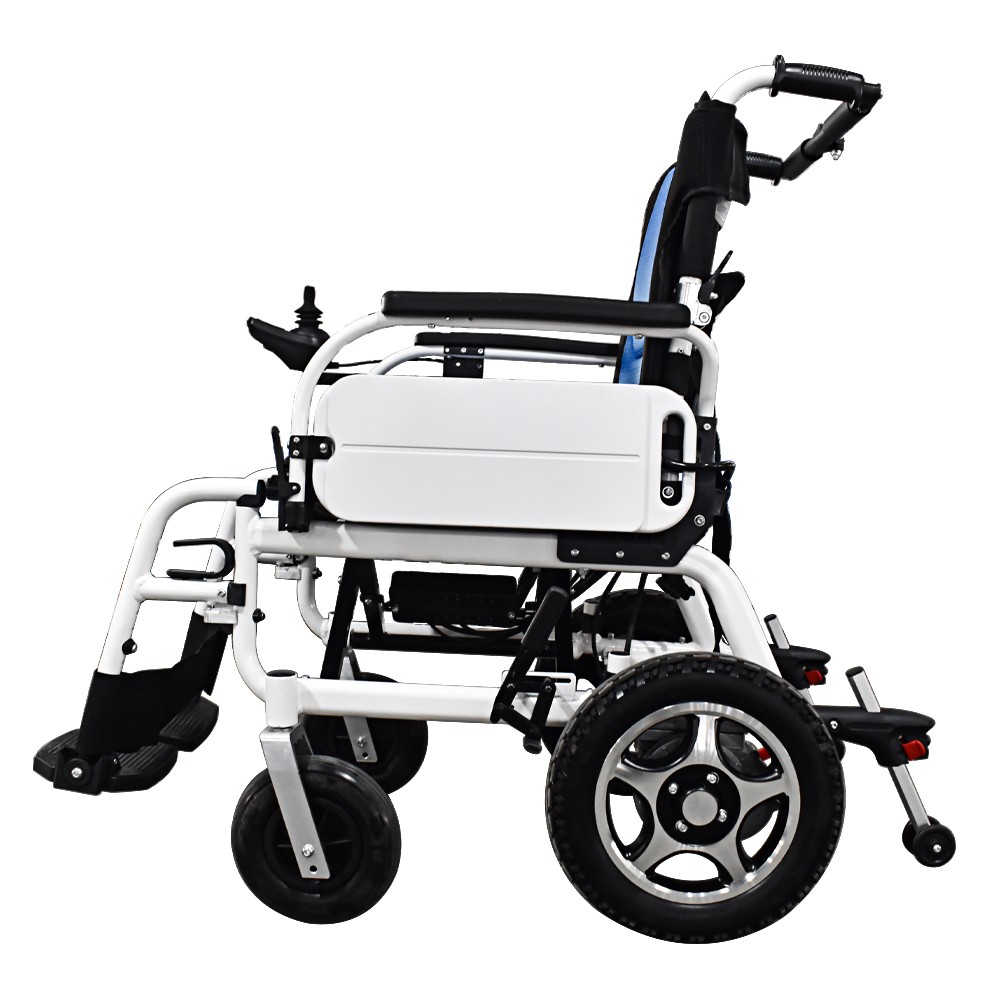
High-quality electric wheelchairs are typically equipped with intelligent control systems, adjustable seats, electric drive motors, and large-capacity batteries. These devices usually cost several thousand to tens of thousands of yuan. If a motor malfunctions, the battery short-circuits, or the control system is damaged, repair costs can reach 20%-40% of the total price of the device.
In the event of accidental damage, insurance can provide partial or full compensation, preventing users from incurring high expenses.
2. Electric wheelchairs are extremely important to users
For many people with mobility impairments, power wheelchairs are not only a means of transportation but also their "second pair of legs" for independent living.
If the device is damaged, lost, or stolen due to an accident, the user will face hardship, affecting their mobility and care.
Insurance can provide financial compensation in such situations, allowing users to return to normal life as quickly as possible.
3. There are also accident risks associated with using power wheelchairs
Although power wheelchairs are not very fast, accidents can still occur in public places. For example:
• Accidental collision with others or objects causing damage;
• Battery overheating causing a short circuit;
• Slipping on wet surfaces and damaging the structure.
The liability and losses arising from these accidents can be mitigated through insurance.
4. Theft and Loss Risk
Due to the small size and high value of electric wheelchairs, and the fact that some users cannot always supervise their equipment, there is a risk of theft.
If theft insurance is purchased, the insurance company can compensate based on the actual loss.
What types of electric wheelchair insurance are available?
Although the designs vary slightly among insurance companies, insurance for electric wheelchairs generally falls into the following categories:
1. Equipment Damage Insurance
This is the most basic type of coverage.
When an electric wheelchair is damaged due to external causes during use or storage (such as collisions, falls, or electrical short circuits), the insurance can cover the repair or replacement costs.
The main coverage includes:
• Structural damage (such as broken frame, seat, or guardrails);
• Motor, electronic control system, or battery malfunction;
• Electrical accidents during charging.
2. Theft and Robbery Insurance
If your power wheelchair is stolen or robbed, you can receive compensation based on the purchase value of the equipment.
Note: Users must provide a police report and proof of purchase.
3. Third-Party Liability Insurance
If a user accidentally bumps into another person or public facility while using their power wheelchair, causing injury or property damage, this insurance will cover the corresponding legal liability costs.
This type of insurance is particularly suitable for power wheelchair users who frequently use public places and roads.
4. Accidental Injury Supplementary Insurance
Some insurance products also include coverage for accidental injuries to the user, such as injuries caused by the power wheelchair tipping over or falling.
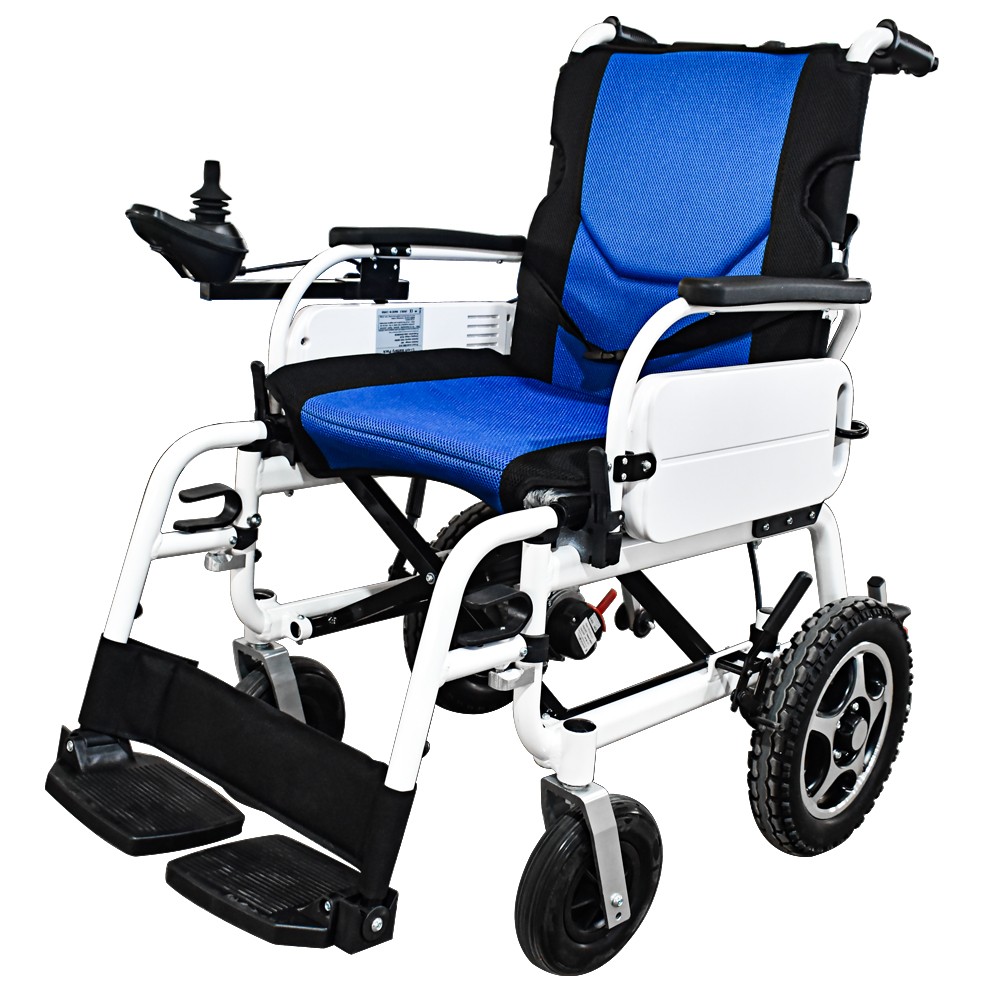
What does electric wheelchair insurance cover?
Electric wheelchair insurance mainly covers two aspects: "the equipment itself" and "risks during use."
1. Protection of the Equipment Itself
This includes the following:
• Damage caused by mechanical failure or electrical malfunction during normal use;
• Damage to the vehicle structure caused by external impact;
• Damage to components caused by accidental drops or overturning;
• Losses caused by fire or battery overheating.
2. Coverage for Usage Risks
Insurance may also cover non-equipment risks during use:
• Injuries to third parties caused by improper operation;
• Electrical accidents caused during charging;
• Theft, loss, or robbery during travel.
By choosing a suitable insurance plan, users can obtain comprehensive safety protection.
What situations are not covered by power wheelchair insurance?
To avoid misunderstandings, it is essential to understand the exclusions before purchasing insurance. The following situations are generally not covered by power wheelchair insurance:
1. Losses caused by intentional damage or disassembly/modification
For example, damage caused by unauthorized modifications to the motor, electronic control system, or replacement of non-original batteries by the user.
2. Normal Wear and Tear
The insurance does not cover natural wear and tear caused by daily use, such as tire wear and battery capacity degradation.
3. Failure to Follow Operating Instructions
The insurance company may refuse to pay for damage caused by improper charging, overloading, etc.
4. Loss Due to Improper Storage
If the vehicle is left unlocked or unattended in a public area and is subsequently stolen, it may be considered a case of unclear liability and will not be compensated.
5. Losses Caused by Natural Disasters (Unless otherwise agreed)
Damage caused by disasters such as earthquakes, floods, and lightning strikes usually requires additional clauses to obtain compensation.
How to Choose the Right Electric Wheelchair Insurance?
Electric wheelchair insurance is not necessarily better the more expensive it is; it should be determined based on individual usage environment, equipment value, and budget.
1. Assess the Value of the Electric Wheelchair
If the equipment is expensive (e.g., equipped with electric adjustment, folding functions, or a lithium battery system), it is recommended to purchase a combination plan that includes "equipment damage insurance + theft insurance + third-party liability insurance."
2. Consider Usage Frequency and Scenarios
• If primarily used at home or in care facilities, basic equipment damage insurance is sufficient.
• If frequently used while traveling, it is recommended to add third-party liability insurance and theft insurance.
3. Review Insurance Company Terms and Conditions
Key Focus Areas:
• Compensation cap;
• Deductible (the portion you must pay out of pocket);
• Reporting and claims process;
• Coverage for critical components such as batteries and motors.
4. Note the Difference Between Warranty and Insurance
Manufacturer's warranty only covers product quality issues, while insurance covers accidental damage, loss, or liability risks; the two complement each other.
What is the typical price of electric wheelchair insurance?
Insurance costs vary depending on the price of the electric wheelchair and the scope of coverage.
Generally:
• Basic damage insurance: Approximately 1%–2% of the equipment price per year;
• Theft insurance: Approximately 1%–1.5%;
• Third-party liability insurance: A fixed amount of several hundred yuan per year.
For example, the annual comprehensive insurance cost for an electric wheelchair worth 10,000 yuan might be around 300-500 yuan. The cost is low, yet it provides ample coverage.
Is electric wheelchair insurance worthwhile?
From both an economic and risk control perspective, the answer is yes: Although electric wheelchair insurance is not mandatory, it is highly recommended.
The reasons are summarized as follows:
• Electric wheelchairs are expensive, and maintenance costs are high;
• They are used frequently, increasing the risk of collisions, malfunctions, or theft;
• Insurance premiums are relatively low, offering excellent value;
• It provides users with both financial and psychological protection.
In other words, purchasing electric wheelchair insurance is not a waste, but a rational investment in security.
Power Wheelchair Insurance Purchase Process Recommendations
If you decide to insure your power wheelchair, please refer to the following steps:
• Prepare equipment information: including brand, model, purchase receipt, invoice, photos, etc.
• Consult an insurance company or agent: explain that you need insurance for your power wheelchair;
• Choose the appropriate type of insurance and coverage amount: consider the value of the equipment and your usage habits;
• Sign the insurance contract and pay the premium;
• Keep the policy and electronic receipt for easy use during claims.
Please ensure that the information you fill in is accurate, otherwise it may affect your claim.
Electric Wheelchair Insurance: Not Mandatory but Strongly Recommended
Let's return to the initial question: Do I need to insure my electric wheelchair?
The answer is:
It is not mandatory, but it is highly recommended.
The reasons are simple:
• Electric wheelchairs are not cheap and are high-value personal property;
• Damage or loss will cause serious inconvenience and financial burden;
• Insurance costs are low, yet provide reliable protection;
• Insurance can also share liability in the event of damage to third parties.
Therefore, whether you are a home user, an elderly person, or a rehabilitation patient, purchasing insurance for your electric wheelchair is a wise and worthwhile decision.