
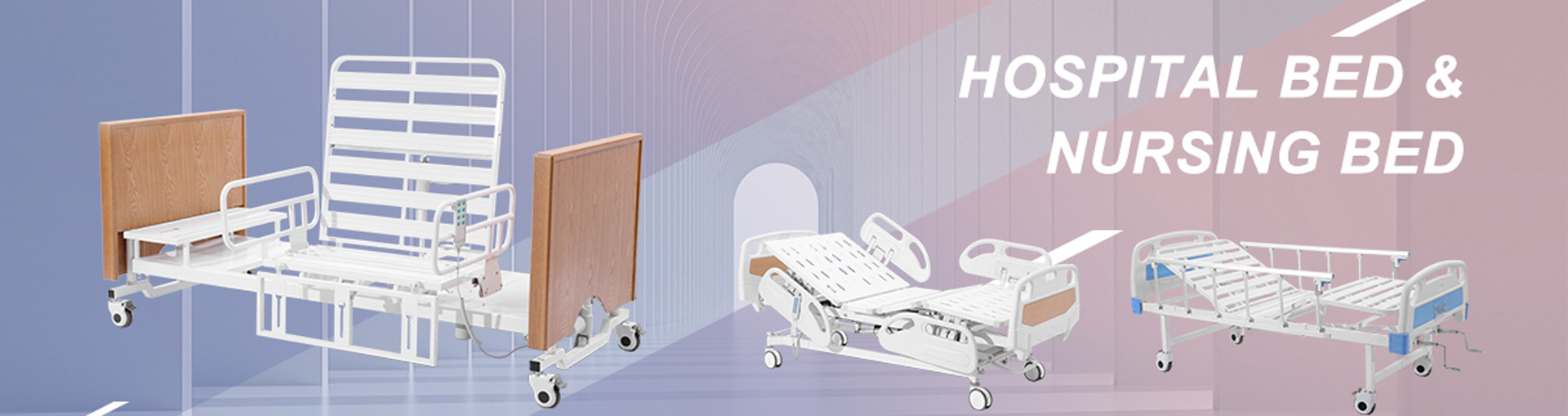
In home care settings for people with disabilities, "going to the toilet" is often a recurring but difficult-to-solve problem.
For those with limited mobility, unable to use the toilet independently, or unsuitable for frequent relocation, ordinary home bathrooms are not necessarily safe or convenient, and may even pose a high risk.
Therefore, many people ask: What is the name of a home-use toilet care device for people with disabilities?
From the perspective of professional care and assistive devices, the answer is very clear: A commode chair.
This article will elaborate on this name, systematically explaining:
• What is a commode chair?
• Why are commode chairs commonly used in home care for people with disabilities?
• What core problems does a commode chair solve?
• The essential differences between a commode chair, a regular toilet, and a wheelchair
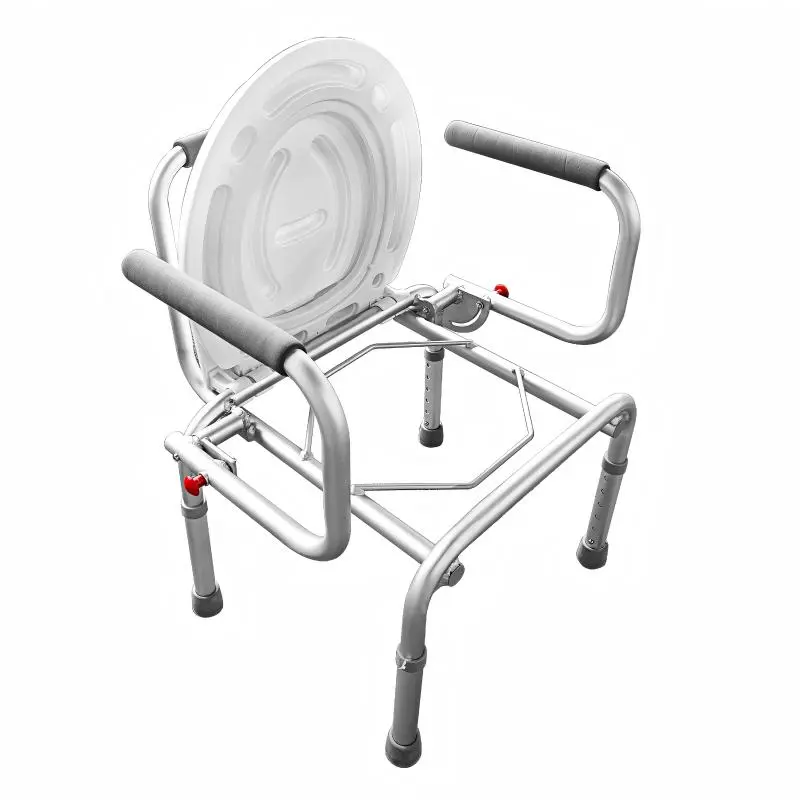
What is a commode chair?
Before understanding "what is the name of a home-use toilet care device for people with disabilities?", it is first necessary to have a clear and accurate definition of a toilet commode chair.
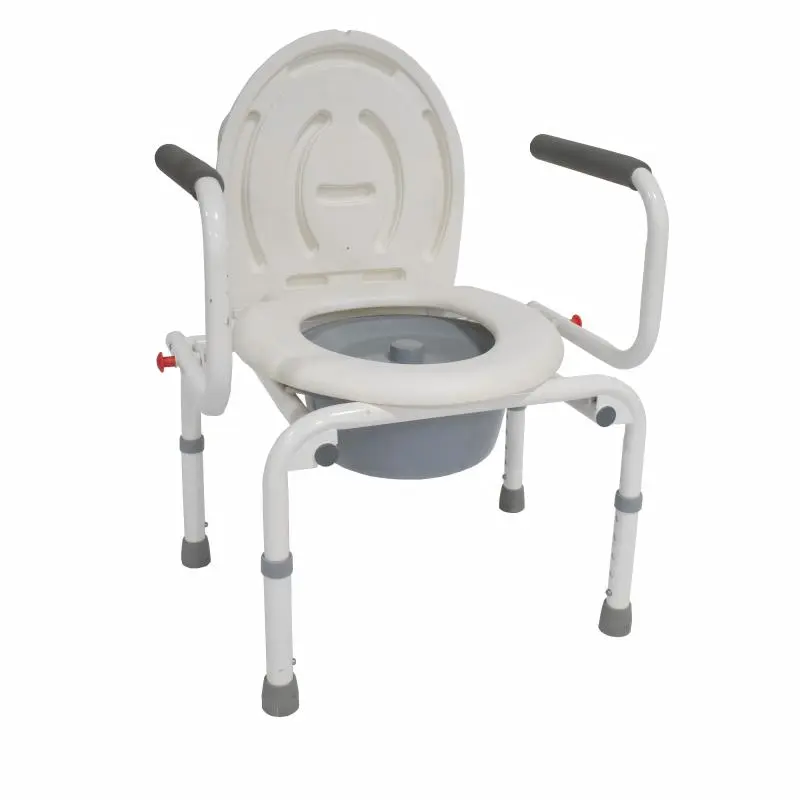
1. Basic Concept of a Toilet Chair
A commode chair refers to:
• A chair whose core function is "sitting while using the toilet"
• A chair that can be placed in the bedroom, beside the bed, or in the bathroom
• A chair with a bedpan or toilet seat underneath
• A nursing device specifically designed for people with limited mobility
In home care settings, toilet chairs are widely used by people with disabilities, the elderly, and those requiring long-term care.
2. A Toilet Chair is Not an Ordinary Chair
It is important to emphasize that:
A toilet chair is not simply a regular seat with a bedpan.
From a design perspective, a toilet chair is a functional nursing device that:
• Ensures stability in a sitting posture
• Meets hygiene needs
• Serves the nursing process
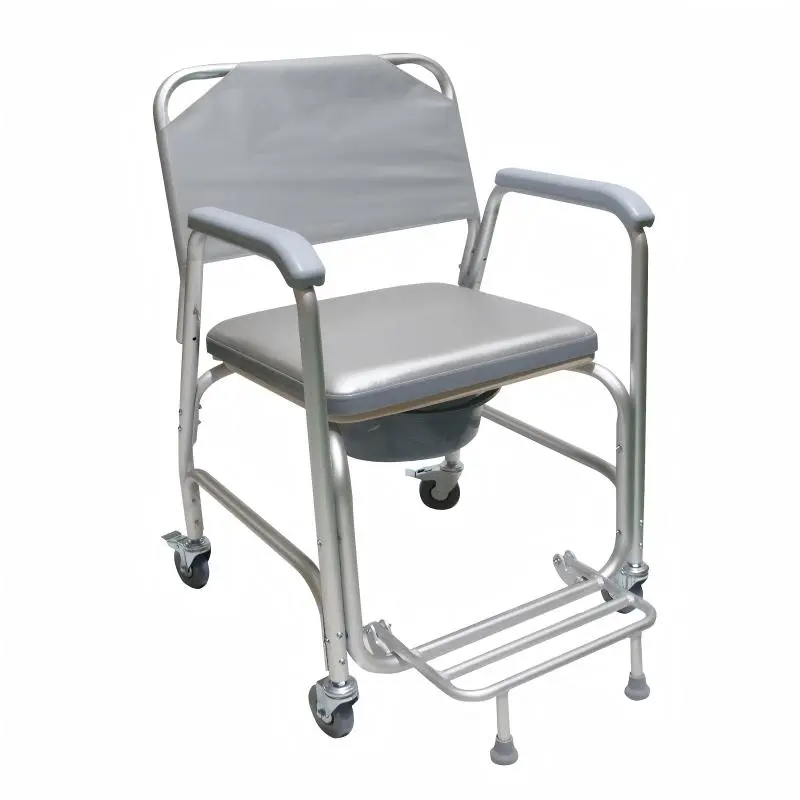
Why are toilet chairs commonly used in home care for people with disabilities?
Understanding the value of a toilet chair hinges on understanding the realities of home care for people with disabilities.
1. Home environments are not designed for disabled people to use the toilet
Most typical homes have the following characteristics:
• Limited bathroom space
• Fixed toilet height
• Insufficient handrails and support structures
For disabled people, such environments are not always safe or usable.
2. Toilet chairs compensate for the shortcomings of home environments
The advent of toilet chairs makes it possible for:
• Toileting no longer to occur in the bathroom
• Users do not need to move long distances
• The care process is more focused and controllable
Therefore, toilet chairs have become a very practical solution in home care scenarios.
What problems do toilet chairs primarily solve for disabled people using the toilet?
To truly understand "what is a home-use toilet care device for disabled people called," it is necessary to clarify what problems it solves.
1. Reducing the risks of transfers
For many disabled people:
• From bed to wheelchair
• From wheelchair to toilet
Every transfer may be accompanied by risks such as imbalance and slipping.
Toilet chairs significantly reduce unnecessary physical transfers by allowing for convenient toilet use and maintaining a seated posture.
2. Reduced Requirements for Lower Limb Strength
The design premise of a toilet chair is:
• The user can maintain a sitting posture
• No standing or walking is required
This makes toilet chairs ideal for people with insufficient lower limb strength or limited balance.
3. Simplified Care Procedures
From a caregiving perspective, toilet chairs can:
• Reduce operational steps
• Improve care efficiency
• Reduce the physical exertion of caregivers
This is also a major reason why toilet chairs are frequently used in home care.
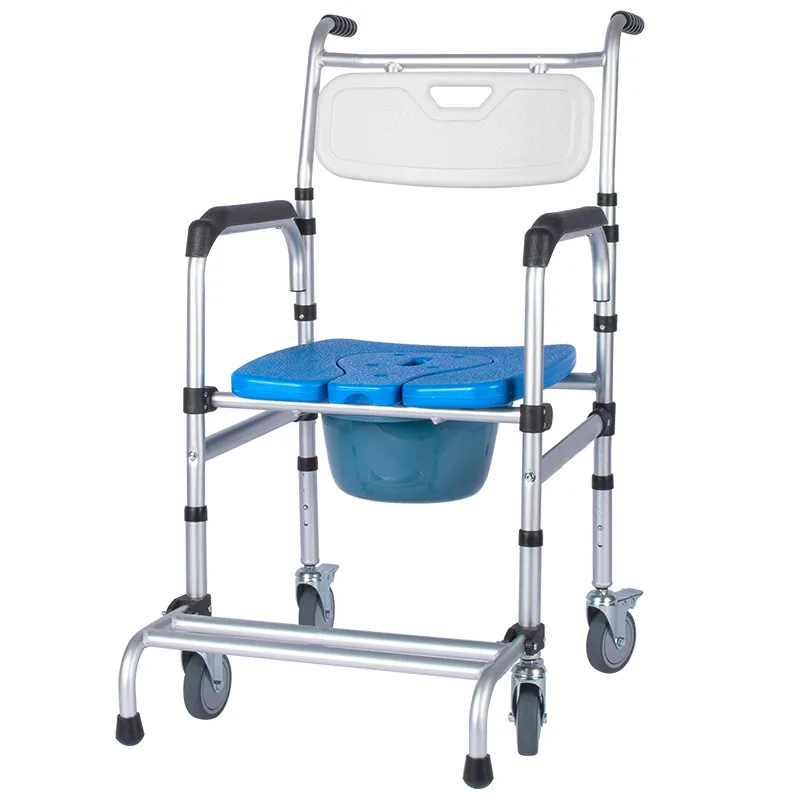
What is the fundamental difference between a toilet chair and a regular toilet?
Many people wonder:
Since it's about using the toilet, why not just use a regular toilet?
1. Higher Requirements for Regular Toilets
Regular toilets typically require users to have:
• A certain level of standing or moving ability
• Good body balance
• The ability to adapt to a fixed height and position
These conditions are not met by all people with disabilities.
2. Toilet chairs are designed with "user adaptation" as their core principle
Unlike regular toilets, toilet chairs:
• Are movable
• Can be placed near the bed
• Can be flexibly positioned according to care needs
Essentially, toilet chairs are toilet facilities designed for people with disabilities, not requiring them to adapt to their environment.
Are toilet chairs and toilet wheelchairs the same device?
This is a frequently asked question in the field of care equipment.
1. The Relationship Between Toilet Chairs and Toilet Wheelchairs
Functionally:
• Toilet chairs emphasize "sitting in place for toileting"
• Toilet wheelchairs emphasize "mobility + toileting"
Both serve the need for toileting, but their usage scenarios differ slightly.
2. In fixed home use, commode chairs are more common
In home care environments for people with disabilities:
• Commode chairs are often placed beside the bed or inside the room.
• Frequent movement is not always necessary.
Therefore, when asked, "What is the name of a toilet commode chair specifically for home use by people with disabilities?", the most standard and common answer remains:
Commode chair.
Which types of people with disabilities are suitable for home use with commode chairs?
Although this article does not provide case studies, we can still offer an objective explanation from a functional needs perspective.
1. People with limited mobility
When a person with a disability:
• Cannot safely walk to the bathroom
• Is not suitable for frequent relocation
• Faces higher risks when using the toilet at night
A commode chair has significant value.
2. People requiring long-term care support
In long-term home care, a toilet commode chair can:
• Become a fixed care device
• Form a complete care system with the bed and wheelchair
Therefore, toilet commode chairs are highly adaptable to long-term care environments.
Does using a commode chair affect the dignity of people with disabilities?
This is a very important issue.
1. Dignity stems from safety and controllability
From a nursing perspective, what truly affects dignity is not the equipment itself, but rather:
• Frequent accidents
• Over-reliance on others
• Feeling uneasy during toileting
Toilet chairs, by simplifying the process and reducing risks, actually help maintain the user's dignity.
2. Toilet chairs are an "assistive tool," not a label
The essence of a toilet chair is:
• Providing functional support
• Improving home care conditions
It doesn't define the user's capabilities, but rather serves real needs.
Why is the name "toilet chair" widely used in the nursing field?
From a professional terminology perspective, the name "toilet chair" is highly accurate.
1. The name directly reflects the function
The term "toilet chair" clearly expresses:
• Chair form
• Toilet function
It has extremely high recognizability in communication, procurement, and care processes.
2. "Commode chair" is the internationally recognized term
In the English-language fields of nursing and medical devices, toilet commode chair is one of the most common and standard terms for a toilet chair.
This makes "toilet chair" a professional term easily understood in both Chinese and English.
How to understand the role of a toilet chair from a holistic nursing perspective?
In the home care system for people with disabilities, the toilet chair does not exist in isolation.
1. The toilet chair is one of the basic nursing devices
It typically forms a nursing system together with the following devices:
• Nursing bed
• Wheelchair
• Bathing assistance devices
2. The toilet chair fulfills a "high-frequency, essential" function
Toileting is:
• A daily need
• A high-risk area
Therefore, the toilet chair holds an indispensable and fundamental position in the nursing system.
What is the name for a toilet care device specifically designed for home use by people with disabilities?
—Key Summary:
• Toilet care equipment specifically designed for home use by people with disabilities is commonly called a toilet chair.
• The English name for a toilet chair is a commode chair.
• Toilet chairs are designed for seated toilet use and are suitable for home care settings.
• Toilet chairs improve toileting conditions by reducing movement and minimizing risks.