
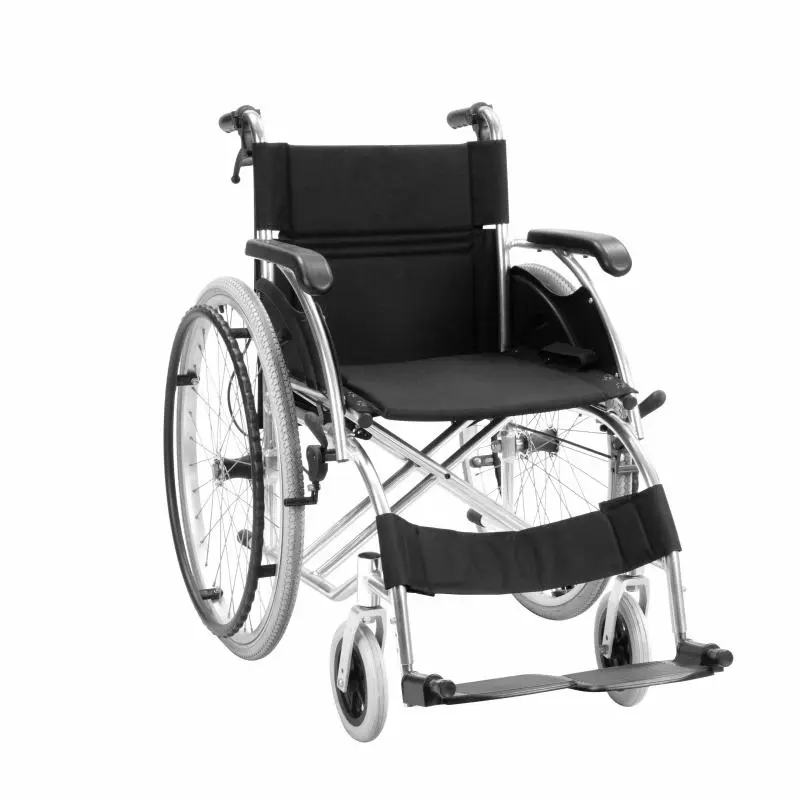
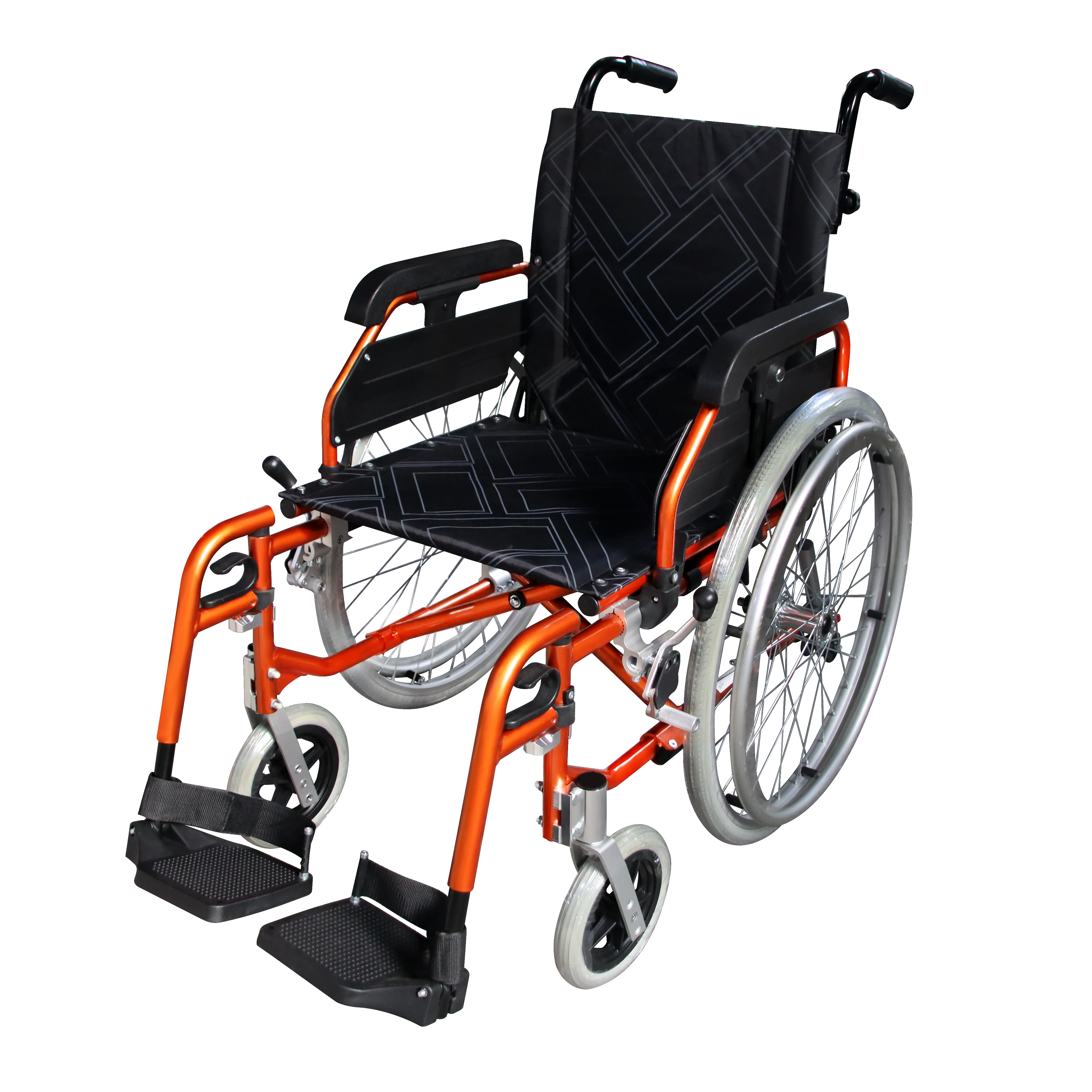
As one of the most widely used assistive mobility devices globally, manual wheelchairs offer a more independent and safe means of travel for the elderly, people with disabilities, post-operative rehabilitation patients, and those with limited mobility. Compared to electric wheelchairs, manual models offer advantages such as simple construction, lighter weight, low maintenance costs, affordability, and ease of transport; consequently, they have long served as vital assistive tools for home care, hospital rehabilitation, and community mobility. In recent years, lightweight manual wheelchairs—featuring lighter frames, greater maneuverability, and superior portability—have increasingly become the preferred choice for many users.
However, while manual wheelchairs significantly enhance mobility, they can also lead to varying degrees of physical injury for those who rely on them long-term. Factors such as frequent propelling, prolonged sitting, and repetitive transfer movements contribute to this risk. Many users initially view the wheelchair merely as a mobility aid with no physical impact; in reality, extensive rehabilitation research indicates that long-term manual wheelchair users face a significantly higher risk of shoulder pain, wrist strain, pressure ulcers, fall-related injuries, and musculoskeletal disorders compared to the general population. Improper wheelchair sizing, incorrect posture, or neglect of physical maintenance can exacerbate these issues, potentially compromising both quality of life and the ability to operate the wheelchair independently.
The World Health Organization (WHO) notes that hundreds of millions of people worldwide require assistive devices, with wheelchairs being among the most common for mobility. Meanwhile, rehabilitation studies show that the incidence of shoulder pain among long-term manual wheelchair users ranges from 30% to 70%—figures that vary depending on the study population and duration of use. Wrist strain, elbow pain, pressure ulcers, and fall-related injuries are also frequently observed in clinical settings. Therefore, understanding the most common injuries associated with manual wheelchair use and adopting evidence-based preventive measures is crucial for extending the wheelchair's lifespan, improving quality of life, and safeguarding physical health.
Why are manual wheelchair users more prone to physical injuries?
Unlike the general population, who rely primarily on their legs for locomotion, manual wheelchair users shift virtually all mobility-related tasks to their upper bodies. From propelling, steering, and braking the wheelchair to navigating slopes, crossing thresholds, and performing transfers between the bed and the chair, the shoulders, arms, elbows, and wrists must constantly bear significant mechanical loads. For individuals who use manual wheelchairs for several hours a day—or rely on them entirely—these repetitive movement patterns can easily lead to chronic strain.
Furthermore, prolonged sitting increases the duration of localized pressure on the body. Without timely postural adjustments or the use of appropriate seat cushions, areas such as the buttocks and the sacrococcygeal region are subjected to continuous pressure, making them susceptible to skin breakdown and even pressure ulcers. The risk of injury is further heightened for users who experience reduced muscle strength, impaired balance, or sensory deficits.
Although lightweight manual wheelchairs require less effort to operate than traditional steel models, mismatches between the wheelchair's dimensions, handrim positioning, or seat height and the user's physical characteristics can still lead to compensatory movements and joint overload. Therefore, selecting the right manual wheelchair and mastering proper usage techniques are crucial prerequisites for minimizing movement-related injuries.
Shoulder pain is the most common injury among manual wheelchair users
Shoulder pain is considered one of the most prevalent issues among all manual wheelchair-related injuries. Because propelling the wheelchair relies entirely on the shoulders to repeatedly perform flexion-extension, abduction, and rotation, the rotator cuff muscles, subacromial tissues, and periarticular soft tissues are subjected to high, sustained workloads. Chronic shoulder strain frequently develops in users who must propel their wheelchairs over distances of several kilometers or more each day.
Many long-term manual wheelchair users experience symptoms such as shoulder soreness, limited range of motion, nighttime pain, or difficulty raising their arms. Over time, some individuals may develop conditions such as rotator cuff injuries, subacromial impingement syndrome, or chronic tendonitis; in severe cases, these issues can impair the ability to perform activities of daily living, such as dressing, washing, and independent transfers.
Using a lightweight manual wheelchair can reduce propulsion resistance and the force required for each stroke, thereby helping to alleviate the long-term burden on the shoulder joints compared to heavier, traditional models. Additionally, properly adjusting handrim height, maintaining a steady propulsion rhythm, and avoiding frequent, sudden acceleration can effectively lower the risk of shoulder injury.
Wrist Issues and Carpal Tunnel Syndrome Are Also Common
In addition to the shoulder joint, the wrist is one of the areas most susceptible to strain during manual wheelchair use. Propelling the chair requires constant wrist flexion, extension, and rotation; prolonged repetition of these movements can lead to tendon strain and nerve compression.
Long-term manual wheelchair users may experience wrist soreness, finger numbness, reduced grip strength, or nighttime tingling—symptoms sometimes associated with carpal tunnel syndrome. Wrist strain is further exacerbated when frequently navigating slopes, propelling heavier wheelchairs, or moving across surfaces with high resistance.
Lightweight manual wheelchairs, which have lower overall weight and reduced rolling resistance, generally place less load on the wrists over the same distance. Additionally, ergonomically designed handrims can improve grip posture and reduce repetitive stress, offering better protection for long-term users.
Elbow and Forearm Strain Should Not Be Overlooked
Every push of a manual wheelchair involves repetitive flexion and extension of the elbow, making the elbow and forearm muscles prone to chronic strain. Continuous contraction of the forearm extensors and flexors—particularly during rapid propulsion, frequent braking, or long-distance travel—can trigger tendonitis or pain syndromes similar to "tennis elbow" or "golfer's elbow."
Although such injuries often develop gradually, failure to adjust usage habits can lead to worsening pain and reduced propulsion efficiency. Therefore, long-term users should schedule appropriate rest breaks and avoid prolonged, continuous, high-intensity propulsion.
Pressure Sores Are a Key Concern for Long-Term Wheelchair Users
Pressure sores (decubitus ulcers) are not caused by movement itself but by prolonged localized pressure that damages the skin and underlying tissues; they are a major concern for long-term manual wheelchair users. For users with impaired sensation or an inability to frequently shift their sitting position independently, areas such as the buttocks, ischial tuberosities, sacrum/coccyx, and heels are at high risk for pressure sores.
If pressure persists, local blood circulation may be compromised, leading to symptoms ranging from skin redness to the formation of ulcers or even infections. Clinical nursing guidelines generally recommend that long-term manual wheelchair users regularly perform pressure-relief maneuvers, adjust their sitting posture as needed, and use pressure-distributing cushions to lower the risk of pressure ulcers.
In recent years, an increasing number of lightweight manual wheelchairs have come equipped with gel, high-density foam, or air cushions; these not only enhance seating comfort but also help improve the distribution of pressure across the body.
Falls and Transfer-Related Injuries Are Also Common
Many people assume that sitting in a manual wheelchair eliminates the risk of falling; however, falls and injuries occurring during transfers are actually quite common among users. Falls can occur when getting in or out of bed or a car, entering a restroom, or transferring seats—especially if the wheelchair brakes are not engaged, footrests are not retracted, or the user fails to properly control their center of gravity.
Additionally, improper handling when navigating ramps, thresholds, or curbs can cause the wheelchair to tip over, potentially leading to wrist fractures, shoulder sprains, or head injuries. Therefore, learning proper wheelchair handling techniques, using brakes correctly, and seeking assistance from a caregiver when necessary are crucial for preventing falls.
Neck and Lower Back Pain Are Common Issues with Long-Term Use
Maintaining a fixed sitting position for extended periods often leads to sustained tension in the neck, shoulder, and lower back muscles. If the wheelchair’s backrest angle, seat depth, cushion height, or lumbar support design is inadequate, users may adopt poor posture over the long term, gradually developing lower back pain, neck stiffness, and muscle fatigue.
In recent years, lightweight manual wheelchairs have increasingly prioritized ergonomic design. By optimizing backrest angles, seat dimensions, and postural support, they help users maintain a more natural body position, thereby alleviating muscle fatigue associated with prolonged sitting. Concurrently, engaging in appropriate core muscle training and shoulder/back stretching exercises can help relieve related discomfort.
How can the risk of injury during manual wheelchair use be reduced?
While long-term manual wheelchair use carries certain injury risks, the vast majority of issues can be mitigated through proper preventive measures. First, users should select a wheelchair of the appropriate size based on their height, weight, and physical condition; choosing a chair that is too wide, too narrow, or has an unsuitable seat height can lead to poor posture. Secondly, priority should be given to lightweight manual wheelchairs; a lighter frame means less resistance when propelling, effectively reducing the strain on shoulders and wrists.
Furthermore, maintaining proper propulsion technique is crucial. Avoid frequent, short, jerky strokes; instead, use smooth, continuous movements to improve efficiency and minimize joint impact. Incorporating daily exercises for the shoulders, chest, wrists, and core muscles helps build upper-body strength and stability, providing a solid physical foundation for long-term manual wheelchair use.
For those who spend extended periods in a wheelchair, it is advisable to perform pressure-relief maneuvers periodically—as recommended by a doctor or rehabilitation therapist—and to keep the seat cushion clean and the skin dry, while regularly checking pressure points for any abnormalities. Regular maintenance of components such as tires, bearings, brakes, and handrims ensures the chair remains in good mechanical condition, thereby reducing the risk of accidental injury caused by equipment failure.
Why are lightweight manual wheelchairs becoming increasingly popular?
In recent years, lightweight manual wheelchairs have emerged as a significant market trend. This is not only due to their reduced weight and ease of transport, but more importantly, their ability to lower the effort required for propulsion and enhance overall maneuverability. For individuals who rely on wheelchairs for daily mobility, the energy saved with each stroke—compounded over hundreds or thousands of repetitions—offers substantial protection for the shoulder, elbow, and wrist joints.
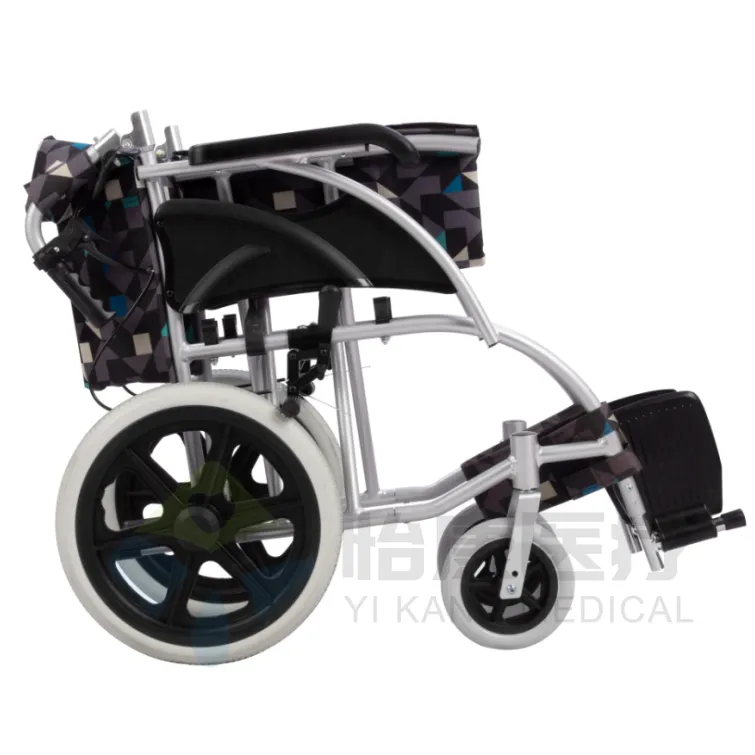
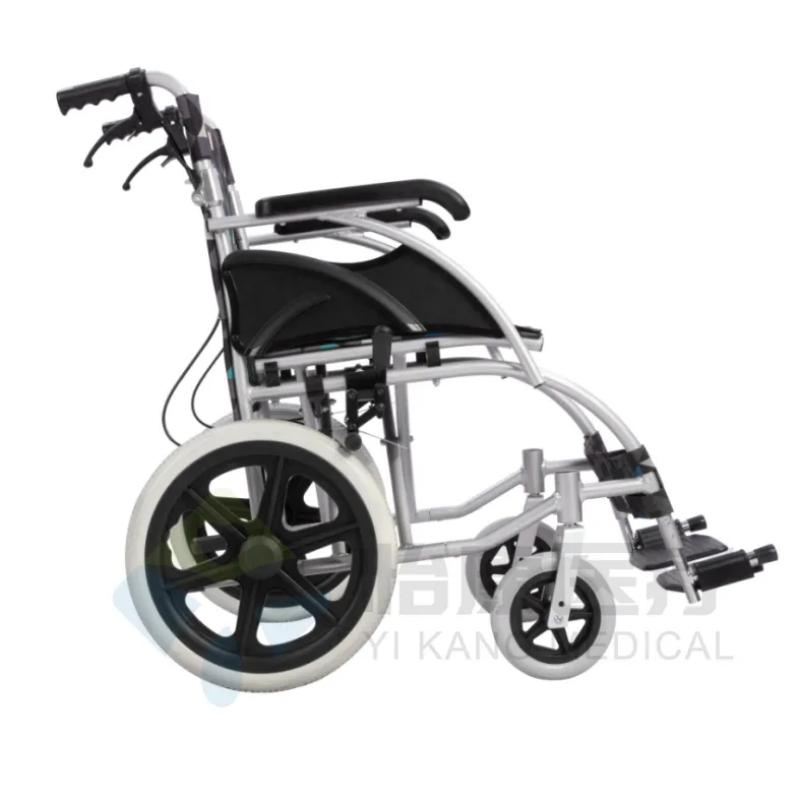
Modern lightweight manual wheelchairs are typically constructed from aerospace-grade aluminum alloy, high-strength aluminum, or even carbon fiber, reducing the overall weight while maintaining structural integrity. Many models feature ergonomic handrims, adjustable centers of gravity, and high-performance bearings that ensure smoother rolling and further alleviate physical strain during long-term use. Consequently, for users who frequently go out and self-propel their wheelchairs, a lightweight model is often the superior choice.
FAQ
What injuries are manual wheelchair users most prone to?
Common issues associated with long-term manual wheelchair use include shoulder pain, wrist strain, elbow tendonitis, lower back pain, pressure sores, and injuries from falls; chronic shoulder strain is among the most frequently encountered clinical problems.
Can lightweight manual wheelchairs help reduce shoulder injuries?
Generally, yes. Lightweight manual wheelchairs are lighter and offer lower rolling resistance, typically requiring less pushing force to cover the same distance; this helps reduce the long-term mechanical load on the shoulder joints and wrists, though proper pushing techniques and appropriate training remain essential.
How can pressure ulcers be prevented when using a manual wheelchair for extended periods?
It is recommended to perform pressure-relieving movements regularly based on your physical condition, use a cushion with good pressure-distribution capabilities, keep the skin clean and dry, and frequently inspect pressure-prone areas—such as the buttocks and sacrococcygeal region—for redness or skin breakdown; seek medical attention promptly if any abnormalities are detected.
How do you determine if a manual wheelchair is right for you?
Factors such as seat width, depth, and height, backrest height, weight capacity, and overall weight should be considered comprehensively. Ideally, you should select a suitable model under the guidance of a physician, rehabilitation therapist, or professional wheelchair fitter to avoid physical strain caused by a poor fit.
How can the risk of movement-related injuries associated with manual wheelchairs be reduced in daily use?
Maintaining correct pushing posture, avoiding prolonged periods of continuous high-intensity use, strengthening shoulder and core muscles, performing regular wheelchair maintenance, and prioritizing ergonomically designed lightweight wheelchairs are all important measures for reducing the risk of long-term movement-related injuries.