
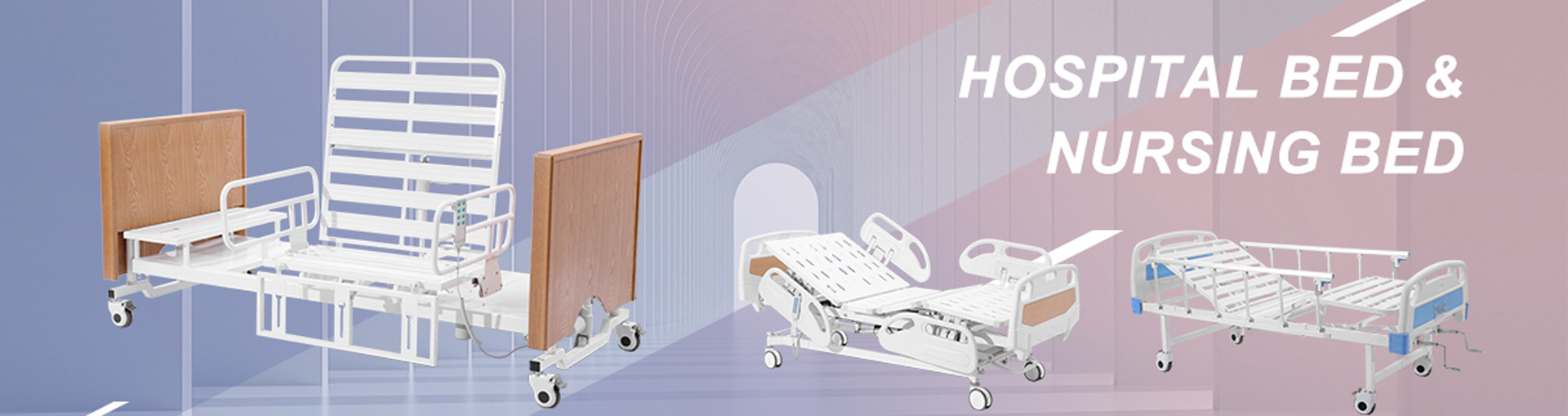
Adjustable hospital beds have become indispensable equipment in hospitals, rehabilitation centers, elderly care facilities, and home care settings. While hospital beds were once viewed merely as standard furniture for resting, modern adjustable hospital beds have evolved into comprehensive care systems integrating ergonomics, nursing science, mechanical design, and intelligent control. They not only enhance patient comfort but also significantly reduce the physical strain on caregivers, improve care efficiency, and help minimize the risk of complications.
When selecting care equipment, family members often ask: "Do adjustable hospital beds really make patient care easier?" The answer is a definite yes. In the context of modern nursing and medical care—whether in large general hospitals, rehabilitation facilities, or increasingly common home care settings—medical adjustable beds play a vital role. They are far more than beds with adjustable heights or backrests; they are essential medical aids that assist in physical recovery, elevate the quality of care, and ensure safety.
Data from the medical industry indicates that the global market for medical care equipment has seen steady growth in recent years, with electric adjustable hospital beds and multifunctional nursing beds emerging as some of the fastest-growing product categories. This trend reflects evolving care philosophies within medical institutions and demonstrates a growing recognition that a well-designed, feature-rich adjustable hospital bed offers irreplaceable value for patient recovery and the caregiving process.
Why do traditional hospital beds fail to meet modern care needs?
Standard hospital beds used in the past generally met only the most basic requirements for lying down. Whenever patients needed to turn over, sit up, adjust their posture, or get in and out of bed, they often required significant assistance from caregivers. While this approach sufficed for short-term hospital stays, standard beds have clear limitations regarding care efficiency and comfort for long-term bedridden patients, those recovering from surgery, the elderly, and individuals with limited mobility.
For instance, a patient recovering from hip replacement surgery needs to transition gradually from a flat lying position to a semi-seated position, and eventually back to a standing position, during their rehabilitation. With standard hospital beds, every change in position requires manual assistance from caregivers; this is not only physically demanding but can also increase patient discomfort if the positioning is handled improperly. In contrast, adjustable hospital beds allow for the smooth adjustment of the backrest, leg section, and overall bed height, enabling patients to change positions more steadily and reducing risks during care.
For patients confined to bed for long periods, maintaining the same posture for too long increases localized pressure, impairs blood circulation, and raises the risk of pressure ulcers. Modern nursing principles emphasize the importance of regularly repositioning patients based on their physical condition—a task that can be accomplished more easily and efficiently with adjustable hospital beds.
What is an adjustable hospital bed?
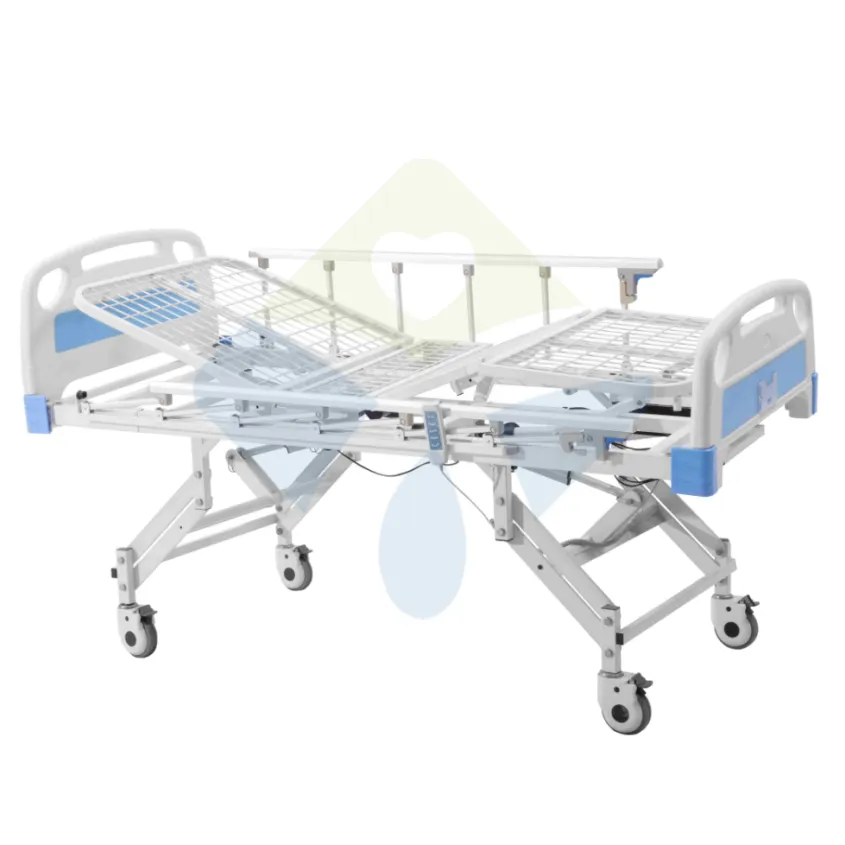
An adjustable hospital bed is a specialized piece of nursing equipment designed to allow adjustments to various parts of the bed frame via mechanical structures or electric systems. Depending on their functionality, these beds come in various types, including manual crank beds, electric hospital beds, multi-functional nursing beds, and smart nursing beds.
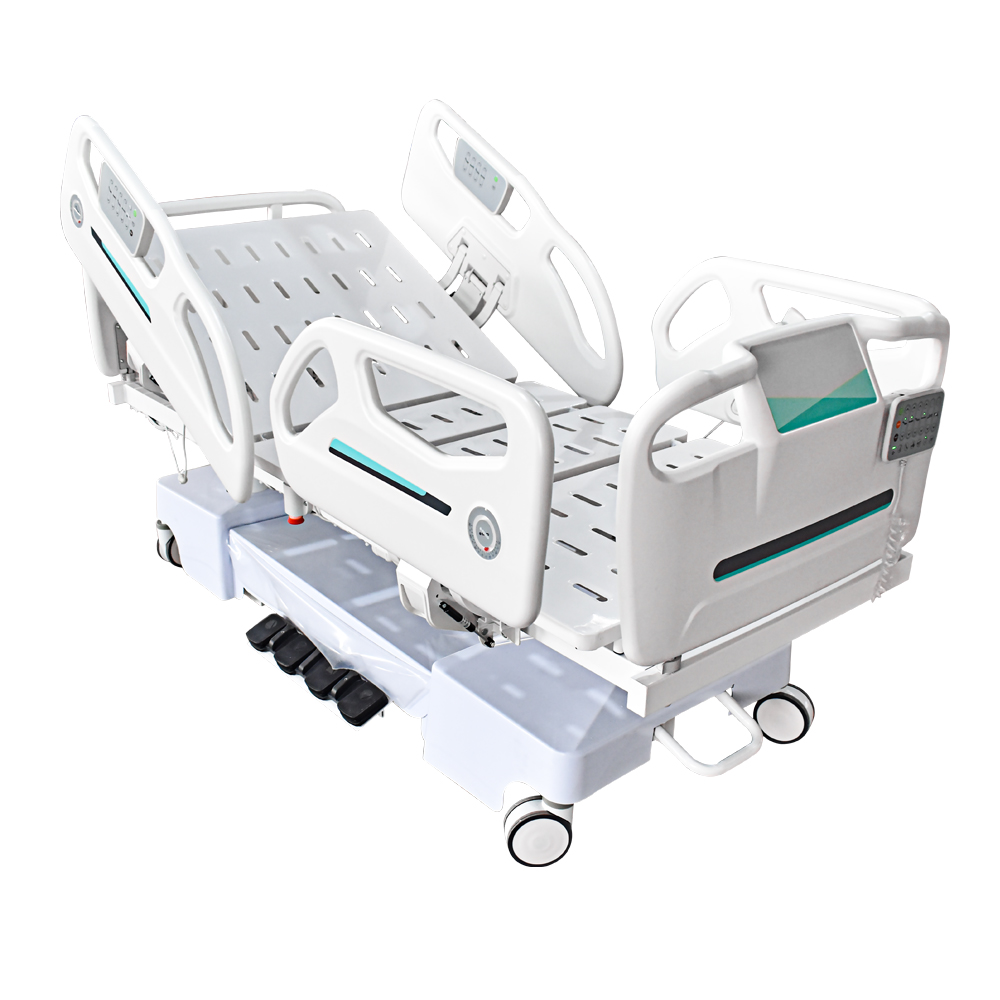
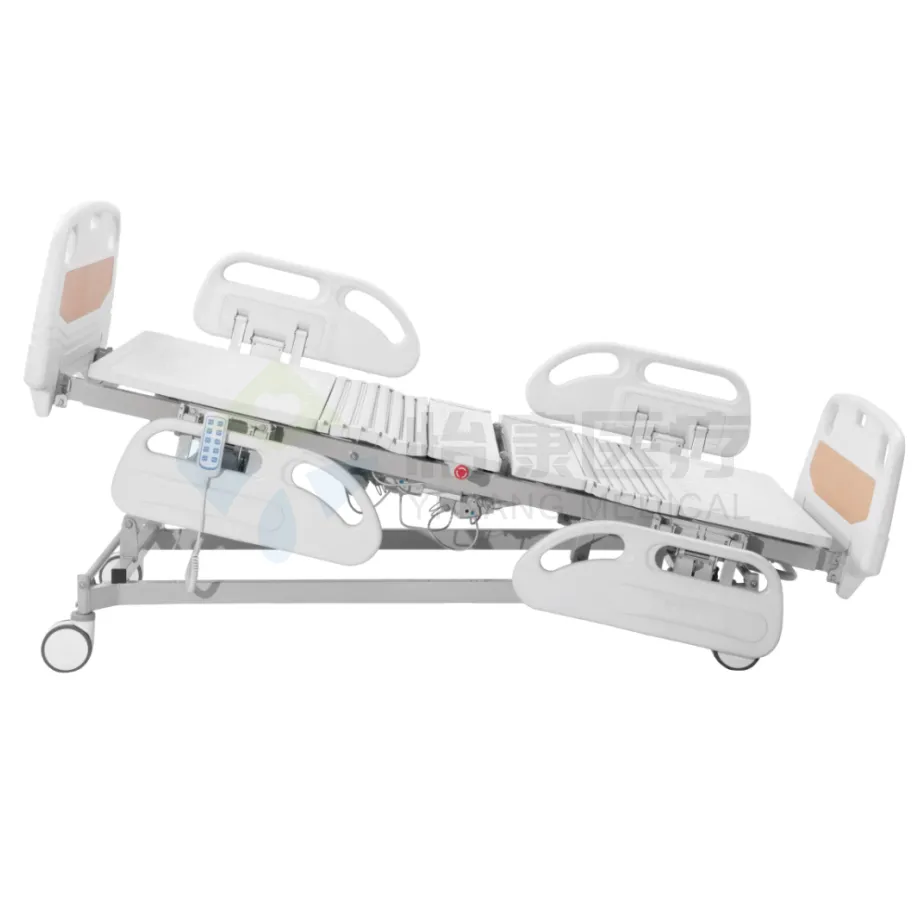
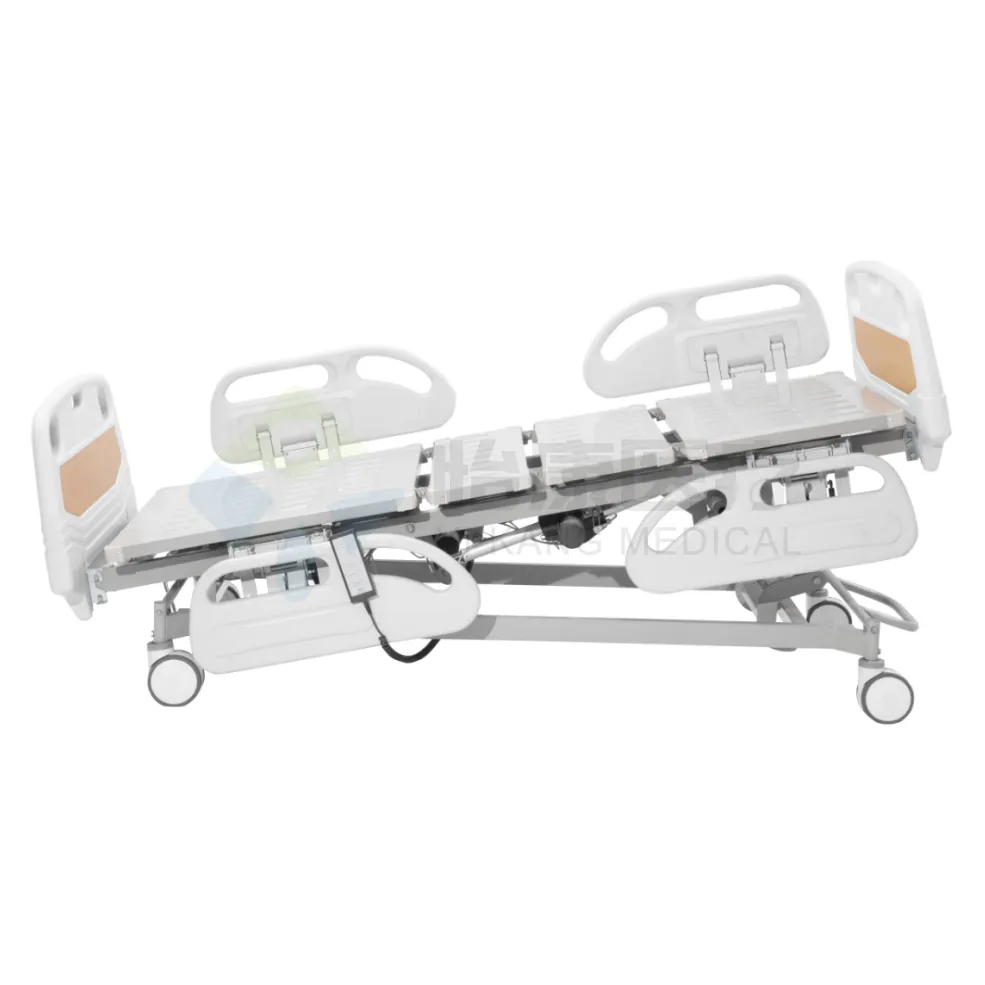
Electric adjustable hospital beds are currently the most common type on the market. These products typically utilize motor-driven systems controlled by a handset, allowing for backrest adjustment, leg elevation, overall bed height adjustment, and—in some models—tilting functions. Compared to traditional beds, electric adjustable hospital beds offer greater ease of use and smoother adjustments, helping to minimize the discomfort patients might otherwise experience from frequent repositioning.
Some high-end adjustable hospital beds also feature anti-pinch mechanisms, emergency reset functions, central locking casters, safety rail systems, and smart control modules, making the care process safer and more reliable. While these features may seem like mere equipment upgrades, they significantly improve the daily care experience for both caregivers and patients.
How do medical adjustable beds assist caregivers in their work?
Nursing requires not only professional knowledge but also considerable physical effort. Whether in a hospital ward or a home care setting, caregivers must frequently assist patients with turning over, sitting up, eating, washing, changing clothes, and performing rehabilitation exercises. Relying entirely on manual labor for these tasks involves high physical strain and carries a risk of lower back injuries caused by improper lifting techniques.
One of the primary advantages of medical adjustable beds is their ability to reduce the unnecessary physical exertion required during patient care. For instance, when assisting a patient with meals, caregivers do not need to physically lift the patient up; instead, they can simply use the bed's adjustable backrest function to gradually shift the patient into a semi-seated position suitable for eating. This smooth transition not only enhances patient comfort but also helps reduce the risk of aspiration.
When caregivers need to change bed linens or perform personal hygiene tasks, the bed's height can be adjusted to suit the specific care requirements. This allows caregivers to maintain a more ergonomic posture, thereby reducing lower back strain caused by prolonged bending.
For critically ill patients requiring frequent care interventions, these seemingly simple adjustment functions may be used dozens of times a day. Over the long term, medical adjustable beds effectively reduce the physical workload on caregivers and improve overall care efficiency.
How do adjustable hospital beds improve patient comfort?
For patients confined to bed for extended periods, comfort is not merely a matter of rest quality; it directly impacts recovery outcomes.
For example, patients recovering from surgery or suffering from respiratory conditions often benefit from a semi-reclined position (elevated at 30 to 45 degrees). Standard beds usually rely on multiple pillows for support, which can easily shift out of place and fail to provide adequate support for the neck and lower back. In contrast, adjustable hospital beds allow for precise backrest angle adjustments, enabling patients to maintain a more stable and natural posture.
For patients with lower-limb edema, the leg elevation function helps improve venous return, alleviating swelling and fatigue. Adjusting the leg angle also enhances overall comfort for long-term bedridden patients, reducing stiffness caused by remaining in the same position for extended periods.
Furthermore, modern adjustable hospital beds often feature ergonomic bed platforms. When paired with specialized pressure-relieving mattresses, they further optimize body pressure distribution, significantly enhancing comfort for patients confined to bed.
Why are more households adopting adjustable hospital beds?
While adjustable hospital beds were once primarily found in medical institutions, the rising demand for home-based care has led to their increasing presence in ordinary households.
Many individuals—including those with chronic illnesses, patients recovering from surgery, and the elderly—wish to carry out parts of their rehabilitation and care at home. Compared to long-term hospitalization, home care not only reduces medical costs but also allows patients to remain in a familiar and comfortable living environment.
However, home care also presents significant caregiving challenges. Relying solely on standard bedding makes daily tasks—such as helping a patient sit up, turn over, or adjust their sleeping position—extremely difficult for family caregivers. Installing a medical adjustable bed allows many of these tasks to be performed via simple electric adjustments, thereby easing the caregiver's burden and enhancing the patient's autonomy. For instance, patients with some remaining mobility can use the bed's electric controls to adjust the backrest angle for reading, watching television, or eating, thereby reducing their reliance on others and improving their quality of life.
Consequently, adjustable hospital beds are no longer exclusive to clinical settings; they have increasingly become an essential component of modern home care. Whether during the recovery phase or long-term care, a well-designed, fully functional adjustable hospital bed offers a safer, more comfortable, and more efficient caregiving experience for both patients and caregivers.
For which patients are medical adjustable beds suitable?
Modern healthcare emphasizes personalized care; patients have distinct needs regarding bed functionality based on their specific medical conditions, stages of recovery, and physical health. The primary advantage of a medical adjustable bed over a standard bed is its ability to flexibly adapt to the patient's actual condition, meeting care requirements at various stages of recovery. Therefore, these beds are highly versatile and suitable for use in hospital wards, rehabilitation centers, elderly care facilities, and home care environments alike.
1. Post-operative recovery patients
The post-operative recovery process typically involves transitioning through various positions, such as lying flat, semi-reclining, sitting up, and standing. Patients recovering from orthopedic, neurosurgical, thoracic, or abdominal surgeries, in particular, often cannot frequently change positions using their own strength during the early stages of recovery. Relying entirely on manual assistance from caregivers is not only labor-intensive but also risks causing wound pain due to excessive movement.
Adjustable hospital beds allow the backrest angle and leg position to be modified gradually based on medical advice, enabling patients to transition between positions more smoothly and steadily. For example, during the initial post-operative phase, a patient can maintain a low-angle semi-reclining position; as recovery progresses, the backrest angle can be gradually raised to prepare the patient for subsequent standing exercises. This gradual approach not only enhances comfort but also helps boost the patient's motivation to participate in rehabilitation training.
2. Patients Requiring Long-Term Bed Rest
Patients requiring long-term bed rest constitute one of the primary user groups for medical adjustable beds. Such patients may need to remain in bed for extended periods due to conditions such as stroke, spinal cord injury, severe fractures, neurological disorders, or other medical issues.
Nursing practice shows that maintaining the same posture for a prolonged period can lead to sustained pressure on localized tissues, increasing the risk of pressure ulcers; it can also impair lung expansion, digestive function, and blood circulation. Consequently, caregivers often need to assist patients in repositioning themselves at regular intervals.
Adjustable hospital beds make the task of repositioning much easier for caregivers. For instance, adjusting the backrest and leg sections allows for a shift in the patient's pressure points. Some multifunctional adjustable beds also feature a tilt function, which further improves pressure distribution and facilitates long-term care.
3. Elderly Individuals Receiving Care
As people age, muscle strength, balance, and joint flexibility gradually decline. While many elderly individuals can perform simple activities, they often struggle with actions such as rising from a seated position, getting in and out of bed, or maintaining a seated posture for extended periods.
For this demographic, an adjustable hospital bed serves not merely as a place to sleep but as a vital aid for daily living. Slowly raising the backrest makes it easier for the elderly to sit up, while adjusting the bed height helps reduce the risk of falls when getting in or out of bed.
In recent years, an increasing number of elderly care facilities have adopted electric adjustable hospital beds as standard equipment, aiming to improve the quality of life for residents while alleviating the workload of caregivers.
4. Patients with Neurological Disorders
Patients suffering from conditions such as Parkinson's disease, ALS (amyotrophic lateral sclerosis), multiple sclerosis, cerebral palsy, or the aftereffects of a stroke often experience varying degrees of impaired physical mobility.
For these patients, adjustable hospital beds provide superior postural support. Bed angles can be customized to meet specific needs—such as during meals, reading, rehabilitation exercises, or respiratory therapy—helping patients maintain a comfortable and safe posture. Additionally, for patients unable to reposition themselves independently due to insufficient muscle strength, adjustable hospital beds can reduce the frequency with which caregivers must manually move them, thereby lowering risks during care.
How do adjustable hospital beds reduce the difficulty of caregiving?
Caregiving requires not only professional skills but also prolonged, repetitive physical labor. In hospital wards, a single caregiver may need to assist multiple patients daily with tasks such as turning over, sitting up, feeding, changing clothes, personal hygiene, and rehabilitation exercises.
Relying entirely on manual effort is not only inefficient but also prone to causing lower back strain in caregivers. In fact, occupational musculoskeletal injuries are a common health issue in the caregiving profession, and adjustable hospital beds are a key piece of equipment for mitigating this problem.
For instance, when helping a patient wash their hair or change bed linens, a caregiver can raise the bed height to ensure a more ergonomic posture; when helping a patient sit up, electric adjustment features can replace manual lifting, significantly reducing strain on the lower back.
This is equally important for home care. Many family caregivers are not professional nurses; if they must care for a bedridden elderly person or patient alone, improper lifting or supporting techniques can easily lead to personal injury. Installing a medical adjustable bed allows many caregiving tasks to be performed with the simple push of a button, thereby reducing the difficulty of care and enhancing safety throughout the process.
FAQ: Common Questions About Adjustable Hospital Beds
FAQ 1: Do adjustable hospital beds really make caregiving easier compared to standard beds?
Yes. The primary advantage of adjustable hospital beds is the ability to modify the backrest, leg rest, and overall bed height to suit the patient's needs, making it easier for them to sit up, eat, rest, and perform rehabilitation exercises. Additionally, caregivers do not need to rely on frequent manual repositioning of the patient, significantly reducing the physical strain of caregiving.
FAQ 2: Do patients who are bedridden for long periods necessarily need an adjustable hospital bed?
Not every long-term bedridden patient requires one; however, for patients who need frequent position changes, have limited mobility, or require professional-level care, adjustable hospital beds offer significant benefits. They are particularly helpful for the elderly, post-operative patients, and those with chronic illnesses, as they generally improve both comfort and caregiving efficiency.
FAQ 3: What is the difference between electric adjustable hospital beds and manual nursing beds?
The main difference lies in the adjustment mechanism. Manual beds require physical effort to operate the mechanical components, whereas electric beds use motors and can be controlled via a remote. Electric models are generally more convenient for patients who need frequent position adjustments.
FAQ 4: Can households purchase adjustable hospital beds?
Yes. Many adjustable hospital beds are now optimized for home care environments and are suitable for home-based rehabilitation, elderly care, and long-term caregiving. However, before purchasing, one should consider factors such as available room space, power supply requirements, specific care needs, and after-sales service.
FAQ 5: Can medical adjustable beds reduce the risk of pressure ulcers (bedsores)?
Proper use can reduce the risk. By adjusting the patient's position and improving body pressure distribution—combined with the use of specialized anti-pressure ulcer mattresses and regular care—it is possible to minimize localized pressure issues caused by prolonged bed rest.
FAQ 6: Is it always better to have more functions on a medical adjustable bed?
No. Having more functions does not necessarily mean the bed is suitable for every patient. Selection should be based on the patient's actual needs—such as whether electric adjustment, a turning function, or a height-adjustment function is required.
FAQ 7: Are electric adjustable hospital beds safe?
Legitimate products typically come equipped with safety features, such as anti-pinch mechanisms, emergency stop functions, stable casters, and side rail systems. However, it is still necessary to operate the bed according to the instructions and regularly check the condition of the equipment.
FAQ 8: Do adjustable hospital beds require maintenance?
Yes. Routine checks should be performed on the motor operation, remote control, power cord, casters, side rails, and structural connection points. Prompt repairs are necessary if any abnormal noises, difficulty in adjustment, or structural looseness are detected.
FAQ 9: Are medical adjustable beds suitable for the elderly?
They are highly suitable. For elderly individuals with reduced mobility, difficulty getting up, or a need for long-term care, medical adjustable beds can enhance daily convenience while alleviating the caregiving burden on family members.
FAQ 10: What are the most important factors to consider when purchasing a medical adjustable bed?
The most important factors are safety, stability, adjustability, patient comfort, and after-sales service. While price is certainly a consideration, care equipment is intended for long-term use, making reliability and suitability even more critical.