

When first introduced to the idea of a wheelchair, many people wonder: "I can still walk; is it really necessary for me to use one?" For many, a wheelchair implies an inability to walk at all; some even fear that using one will lead to physical dependency and the eventual, total loss of the ability to walk. In reality, however, this is a common but inaccurate perception.
Modern rehabilitation medicine views the wheelchair not merely as a tool for those who cannot walk, but as a vital assistive device that helps users conserve energy, protect their bodies, improve their quality of life, and expand their range of activities. Especially in today’s aging society, both manual and electric wheelchairs are widely used in areas such as elderly care, post-operative rehabilitation, chronic disease management, and long-term mobility support.
According to World Health Organization (WHO) data, hundreds of millions of people worldwide require some form of mobility assistance due to aging, chronic illnesses, neurological disorders, musculoskeletal conditions, or trauma. Meanwhile, an increasing number of rehabilitation experts argue that the goal of assistive devices is not to replace the body's natural functions, but to preserve them when appropriate.
Therefore, when considering whether a wheelchair is needed despite the ability to walk, the key questions are not simply "Can I walk?" but rather "Is walking safe?", "Does walking cause excessive fatigue?", "Does it impact my quality of life?", and "Does it hinder recovery from an illness or injury?"
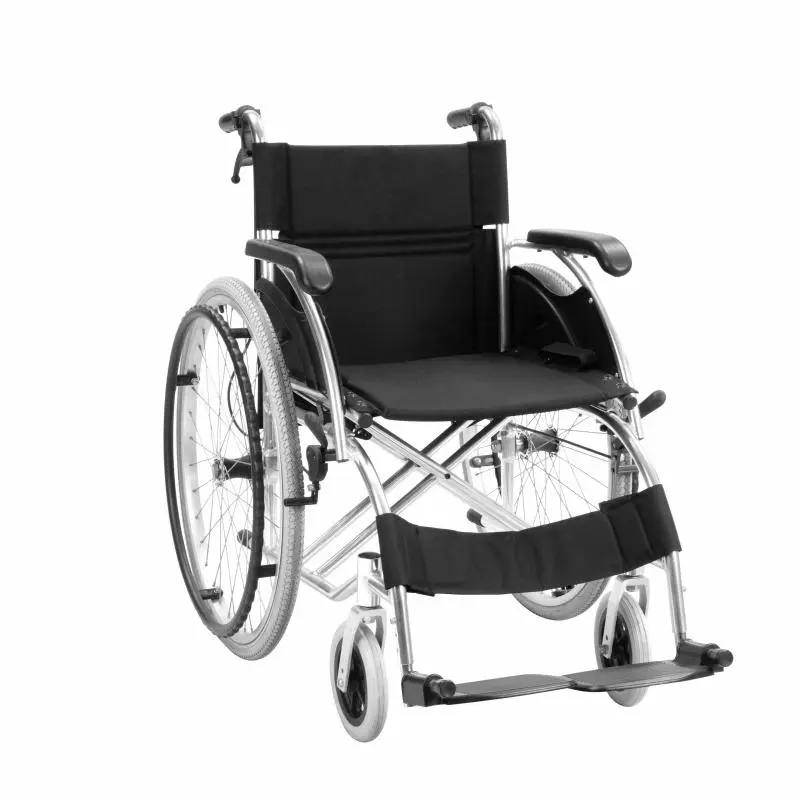
Why might someone who can still walk need a wheelchair?
In real life, we often encounter situations like these:
Some people can walk slowly at home but require a walk of several kilometers for a hospital visit, leaving them needing two full days of rest afterward; others can stand for ten or fifteen minutes but cannot manage a shopping trip in a large mall; some can navigate stairs but experience significant pain after doing so; and some elderly individuals can walk on their own but are afraid to go out alone due to a high risk of falling.
These individuals belong to a group that possesses some walking ability but lacks sufficient endurance for activity.
Modern rehabilitation philosophy emphasizes "function preservation" rather than a stubborn refusal to use assistive devices. If you force yourself to perform activities beyond your physical limits simply to prove you "can still walk," you may actually aggravate joint wear, increase the risk of falls, trigger pain, and even delay recovery.
Therefore, whether manual or electric, a wheelchair can serve as a transitional assistive tool rather than a permanent crutch.
Determining the need for a wheelchair involves more than just the ability to stand
When purchasing a wheelchair, many families ask the salesperson: "He can still stand up—is it still okay to buy one?"
In reality, a professional rehabilitation assessment looks beyond the mere ability to stand; it evaluates multiple factors, including:
First, whether continuous walking distance is significantly limited. If one can only walk a few dozen or a couple of hundred meters at a time, yet daily life requires covering greater distances, a wheelchair can effectively improve mobility efficiency.
Second, whether significant fatigue occurs after walking. If an outing requires hours—or even a day or two—of recovery, it indicates the body is being pushed beyond its limits.
Third, whether there is a high risk of falling. For the elderly, a fall often means more than just scrapes; it can lead to hip fractures, head injuries, or even long-term bedridden status. Thus, safety is far more important than insisting on walking.
Fourth, whether pain is present. For patients with conditions such as knee osteoarthritis, hip disorders, or lumbar spine issues, walking long distances often causes pain to progressively worsen.
Fifth, whether social participation is affected. If the inability to walk for extended periods leads to reduced outings, social gatherings, or travel, then the appropriate use of a manual or electric wheelchair can significantly improve quality of life.
For which groups do doctors recommend a wheelchair, even if they can still walk?
1. The elderly
Many very old adults can still walk slowly, but their stamina has significantly declined.
For example, an 80-year-old might move around independently at home, but a hospital visit could require walking nearly a kilometer continuously. When combined with queuing, examinations, and picking up medication, the entire process might take three or four hours. In such cases, a lightweight manual wheelchair can save a great deal of physical energy and prevent the risk of falls.
2. Patients with knee osteoarthritis
Numerous clinical studies show that patients with moderate to severe knee osteoarthritis typically experience a significant increase in pain levels after prolonged weight-bearing walking. For short-distance activities, continuing to walk helps maintain muscle strength; however, in environments requiring long-distance travel—such as large shopping malls, parks, or airports—using a manual or electric wheelchair appropriately can effectively reduce strain on the joints.
3. Patients recovering from hip surgery
Most patients regain the ability to walk after hip replacement surgery, but the recovery process must be gradual.
During the early stages of rehabilitation, doctors often recommend short-distance walking exercises while advising the use of a manual basic wheelchair for longer distances to prevent fatigue from hindering recovery.
4. Patients with neurological disorders
This group includes patients with conditions such as Parkinson's disease, multiple sclerosis, or the aftereffects of a stroke. While many retain some ability to walk, they are prone to gait instability, fatigue, or slowed movement.
Depending on the stage of their condition, they may choose either a manual or an electric wheelchair for outdoor mobility.
5. Patients with reduced cardiopulmonary function
For patients with conditions like chronic obstructive pulmonary disease (COPD) or chronic heart failure, walking ability is often limited by endurance rather than muscle issues.
If these patients push themselves to walk despite experiencing shortness of breath, it not only diminishes their quality of life but may also increase medical risks.
Who is a manual basic wheelchair suitable for?
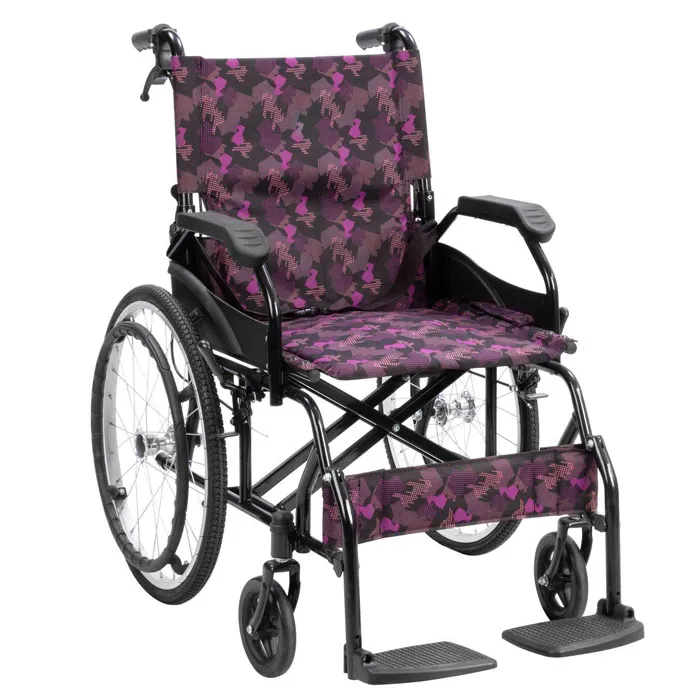
Manual basic wheelchairs remain one of the most widely used products on the market.
Their key advantages include a simple structure, light weight, ease of maintenance, and relatively low cost; they are also easier to fold and transport.
For individuals who retain some upper-body strength, a manual basic wheelchair can serve as an assistive mobility tool rather than a primary means of transport for all-day use.
For example:
•Use during hospital follow-up visits;
•Use while sightseeing at tourist attractions;
•Use during long shopping trips;
•Use when feeling physically fatigued;
•Use when going out accompanied by family members.
Furthermore, for those undergoing rehabilitation, the act of propelling a manual wheelchair can help strengthen the shoulders and upper body, offering positive benefits during the recovery process.
However, manual wheelchairs do have limitations. They require adequate upper-body strength, and propelling them becomes significantly more difficult on slopes, long outdoor routes, or when traveling alone.
Reasons for the growing popularity of electric wheelchairs
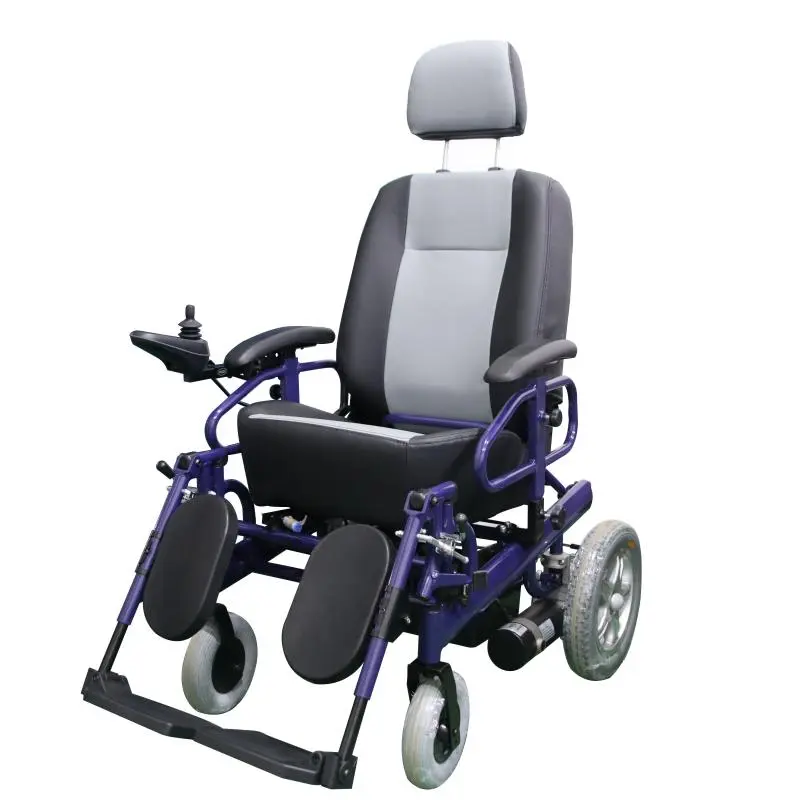
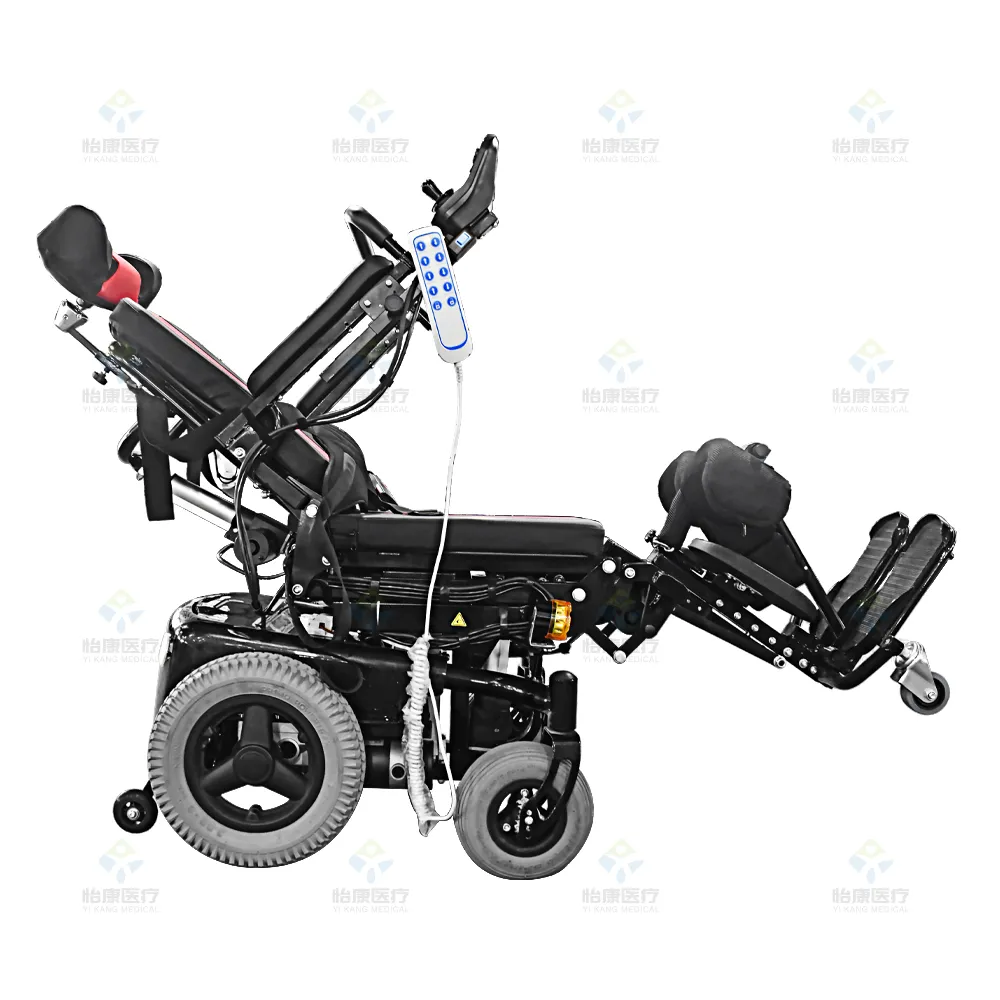
In recent years, the market for electric wheelchairs has expanded rapidly. With continuous advancements in lithium battery technology, motor control systems, and smart electronics, modern electric wheelchairs have become lighter, safer, and smarter than their predecessors.
Electric wheelchairs offer distinct advantages for several groups of people:
First, for those with limited physical strength. Many elderly individuals, while able to walk, may lack the stamina to propel a manual basic wheelchair for extended periods.
Second, for those who need to travel independently over the long term. Electric wheelchairs enable users to handle daily activities—such as grocery shopping, hospital follow-ups, or park strolls—on their own.
Third, for individuals with shoulder conditions. Prolonged manual basic wheelchair use can lead to shoulder strain; power assist wheelchairs help alleviate the burden on the upper body.
Additionally, for those requiring travel over longer distances, power assist wheelchairs offer greater comfort and efficiency.
Many power assist wheelchairs currently on the market can meet daily travel needs—lasting a full day or even longer on a single charge (actual range varies based on the product, battery capacity, road conditions, and usage habits)—thereby covering the daily routines of most urban residents.
Will using a wheelchair cause one to lose the ability to walk?
Generally, no.
A decline in walking ability is typically caused by the underlying medical condition, a lack of rehabilitation training, muscle atrophy, or neurological deterioration—not by the wheelchair itself.
In fact, many rehabilitation hospitals employ a strategy where patients walk during therapy sessions but use wheelchairs when going out.
For example:
Gait training in the morning;
Muscle strengthening exercises in the afternoon;
Using a manual wheelchair for medical appointments;
Using an electric wheelchair for longer-distance outings.
This approach ensures rehabilitation training continues while preventing excessive physical fatigue.
What truly needs to be avoided is prolonged, complete inactivity, rather than the reasonable use of assistive devices.
How should one choose between a manual and an electric wheelchair?
Many consumers struggle with the decision of whether to buy a manual or an electric wheelchair.
In reality, there is no single "best" product—only the one that is best suited to your specific needs.
If the user has good upper-body strength, a limited range of activity, and needs the chair primarily for hospital visits, short trips, or as a backup at home, a manual basic wheelchair is usually sufficient.
If the user requires independent mobility, has a wider range of activity, experiences significant physical decline, or needs to go out frequently, a power assist wheelchair will typically provide a better experience. Many families choose to mix and match based on the situation; for example, they might keep a lightweight manual wheelchair at home for transport in a vehicle or for hospital visits, while also having an electric wheelchair for community activities, park strolls, daily shopping, and longer-distance outings. This combination balances flexibility with comfort and is becoming increasingly popular among users.
Can I still continue walking training while using a wheelchair?
Certainly—and in many cases, you should.
Rehabilitation training emphasizes "active movement within one's capabilities."
For instance, you could create a plan like this:
Engage in 20 to 30 minutes of walking training daily, gradually increasing the distance based on the advice of your doctor or rehabilitation therapist; use a manual or electric wheelchair for long-distance outings; and continue with joint mobility, balance, and muscle-strengthening exercises after returning home.
This "combined training and assistance" approach helps maintain physical function while preventing injuries caused by overexertion.
How do I choose the right wheelchair?
When purchasing a wheelchair, don't focus solely on price; consider the following aspects:
First, choose based on your physical condition. Users with good upper-body strength might prioritize manual basic wheelchairs, while those seeking greater independence might consider electric models.
Second, ensure the dimensions are appropriate. Seat width, seat depth, backrest height, and footrest positioning all affect comfort and postural stability.
Third, consider the usage environment. If you frequently travel by private car or taxi, the folded size and weight are crucial; if you are primarily active in the community or outdoors, focus on battery range, obstacle-clearing ability, turning radius, and braking performance.
Additionally, consider after-sales service, ease of repair, and the availability of spare parts to ensure peace of mind during long-term use.
FAQ: Common questions about "Do I need a wheelchair if I can still walk?"
FAQ 1: Is buying a manual wheelchair a waste of money if I can still walk normally?
Not necessarily. If you can manage short walks but tire easily during activities requiring longer distances—such as hospital visits, shopping at the mall, or sightseeing—having a manual wheelchair can effectively conserve your energy and reduce the risk of falls or excessive joint strain. Many families use manual basic wheelchairs as a temporary or backup assistive device rather than for daily use.
FAQ 2: Will using an electric wheelchair make me increasingly dependent and eventually unable to walk at all?
Generally, no. Changes in walking ability depend primarily on the underlying medical condition, muscle strength, neurological function, and adherence to rehabilitation training, rather than the power assist wheelchair itself. The recommended approach is to maintain daily walking and functional training under the guidance of a doctor or rehabilitation therapist, while using a power assist wheelchair for long-distance or high-intensity activities to reduce fatigue and the risk of injury.
FAQ 3: Should elderly individuals choose a manual wheelchair or an electric wheelchair?
The choice depends on individual circumstances. If the senior is primarily accompanied by family members when going out and travels short distances, a manual wheelchair usually suffices. However, if the senior wishes to maintain a high level of independence, has insufficient upper-body strength, or needs to go out frequently, a power assist wheelchair often offers greater ease and comfort. When purchasing, consider factors such as physical condition, living environment, budget, and ongoing maintenance costs.
FAQ 4: Should a wheelchair be used constantly during post-operative recovery?
In most cases, complete, long-term reliance on a wheelchair is not recommended. Post-operative rehabilitation usually requires a gradual restoration of standing and walking abilities according to a doctor's plan; wheelchairs (whether manual or electric) are best used for long-distance travel, fatigue reduction, and the protection of healing tissues. Striking a balance between active training and assistive use is generally more beneficial for recovery.
FAQ 5: What key factors should be considered before purchasing a wheelchair?
Beyond price, key considerations include the user's physical condition, body size, weight capacity, daily usage scenarios, folding and transport needs, comfort, safety, and after-sales service. For power assist wheelchairs, pay attention to battery range, charging methods, maneuverability, and ease of repair. For manual wheelchairs, focus on the overall weight, materials, ease of pushing, and storage convenience to ensure the chosen product truly meets long-term needs.