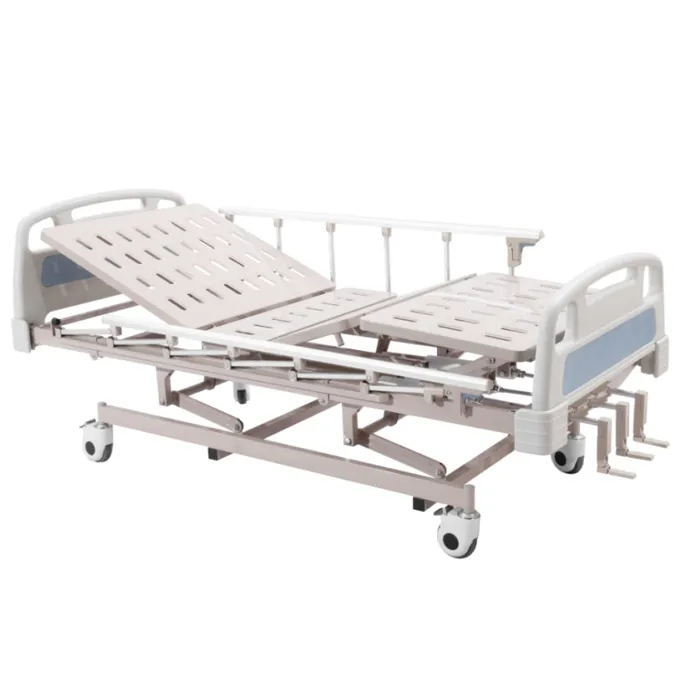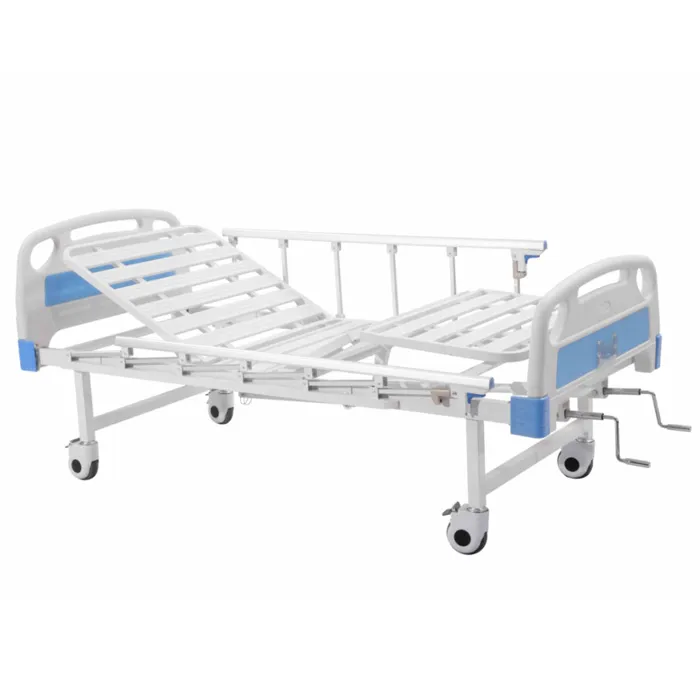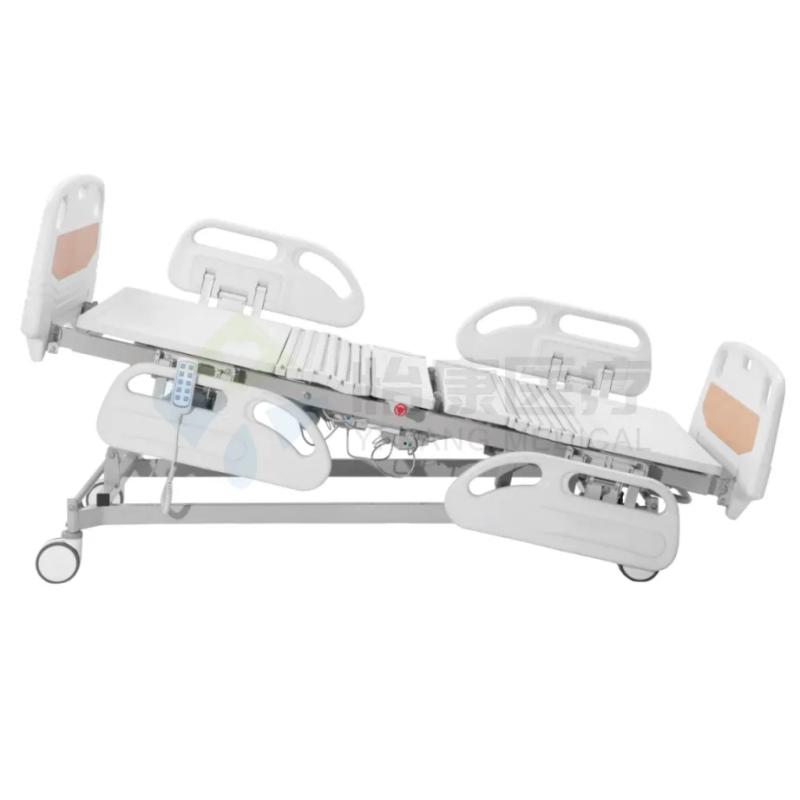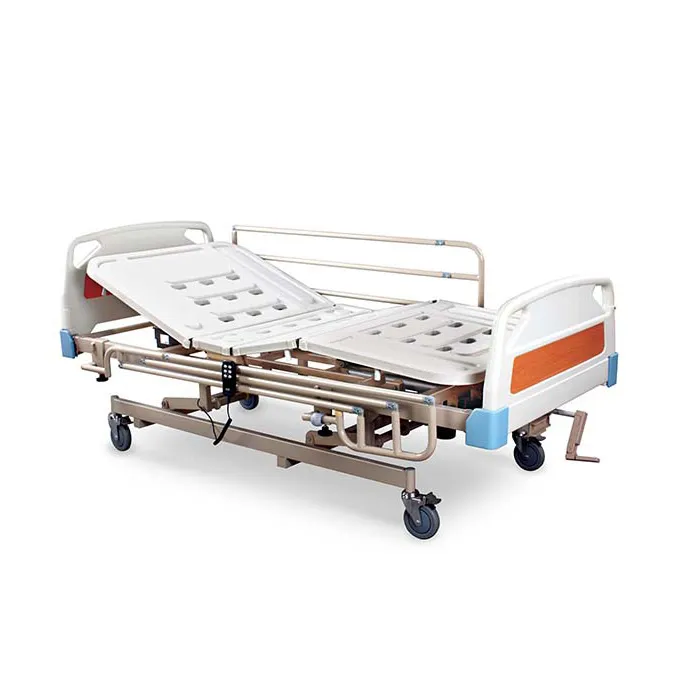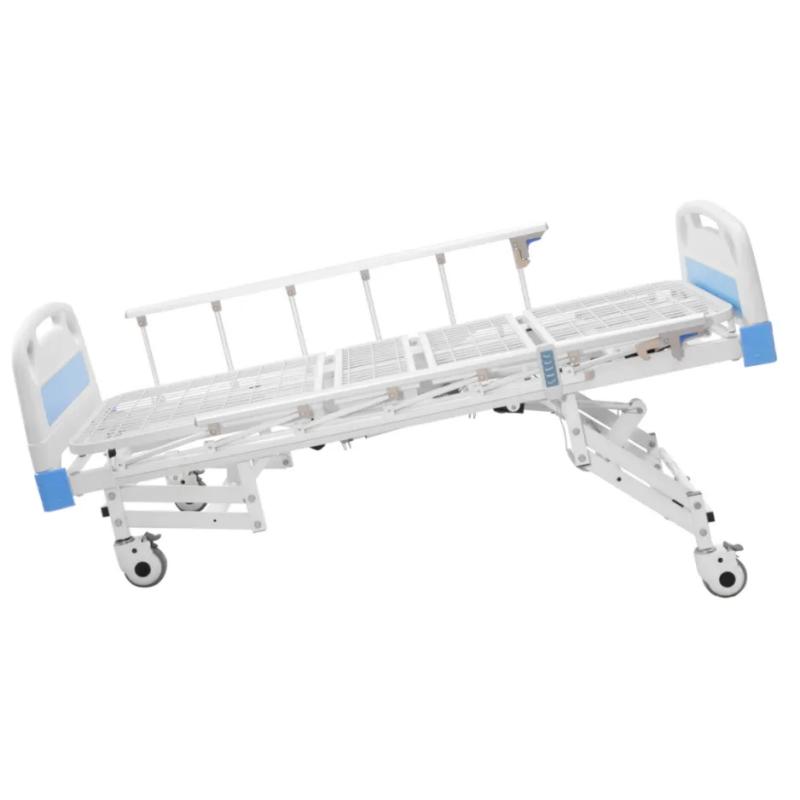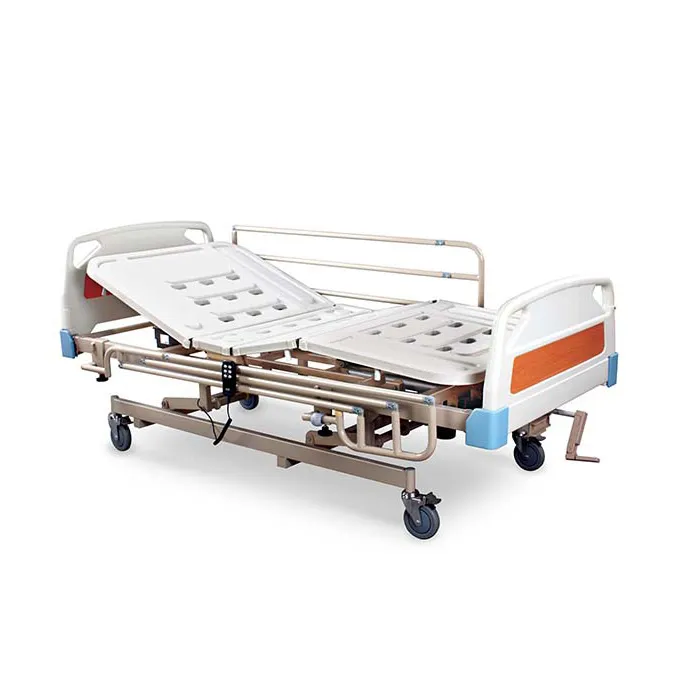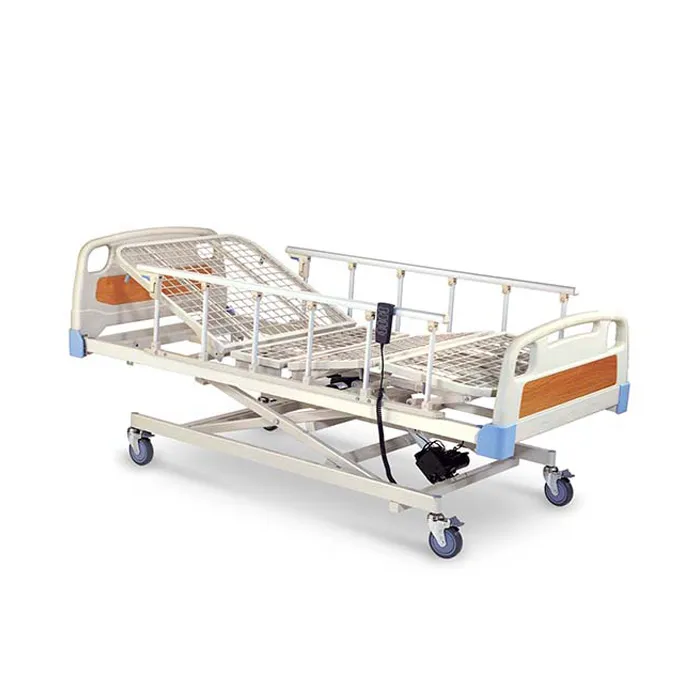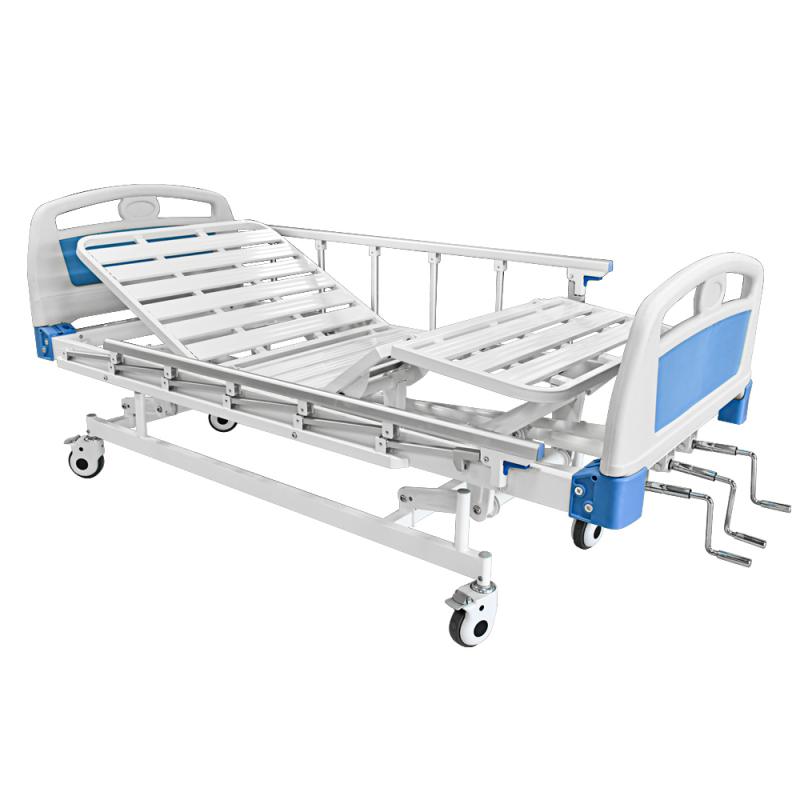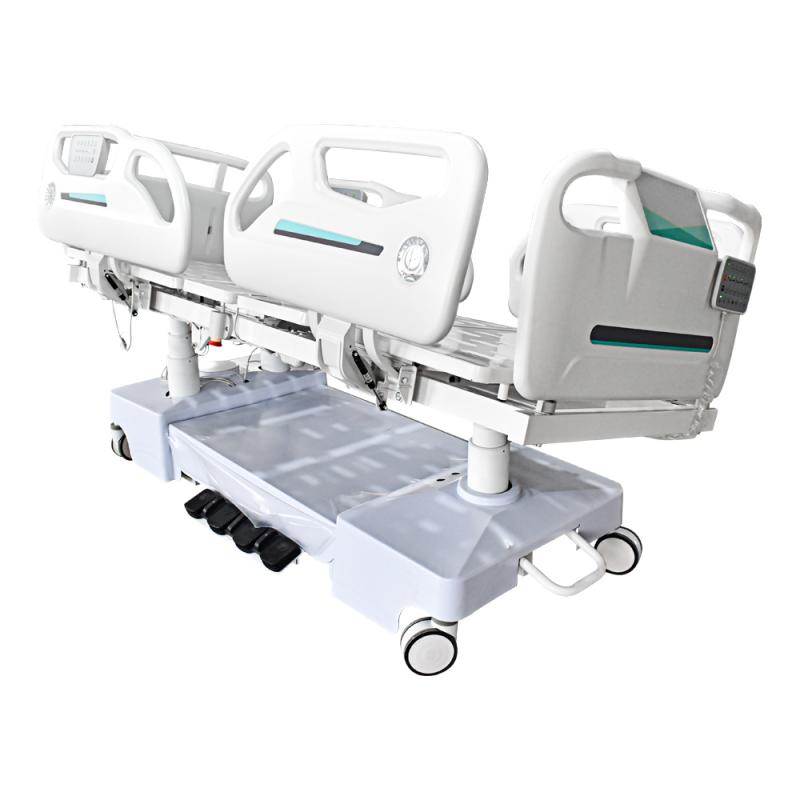
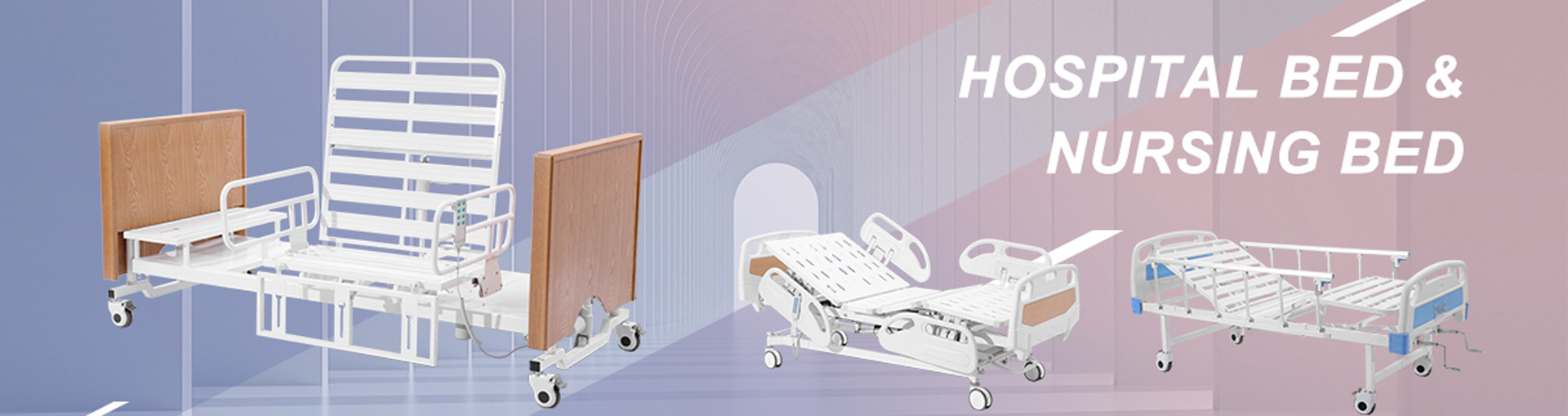
• If comfort, safety, ease of care, and functionality are prioritized, electric hospital beds are a better choice.
• If budget is limited and care needs are not high, manual hospital beds can also meet basic requirements.
For patients with unstable vital signs, requiring continuous monitoring and frequent nursing procedures, every piece of equipment in the medical environment is crucial, and one of the most core and frequently used pieces of equipment is the electric ICU bed.
The following types of abnormal vital signs are generally considered indications for ICU monitoring:
1. Unstable breathing or increased need for respiratory support
2. Circulatory instability
3. Altered neurological status
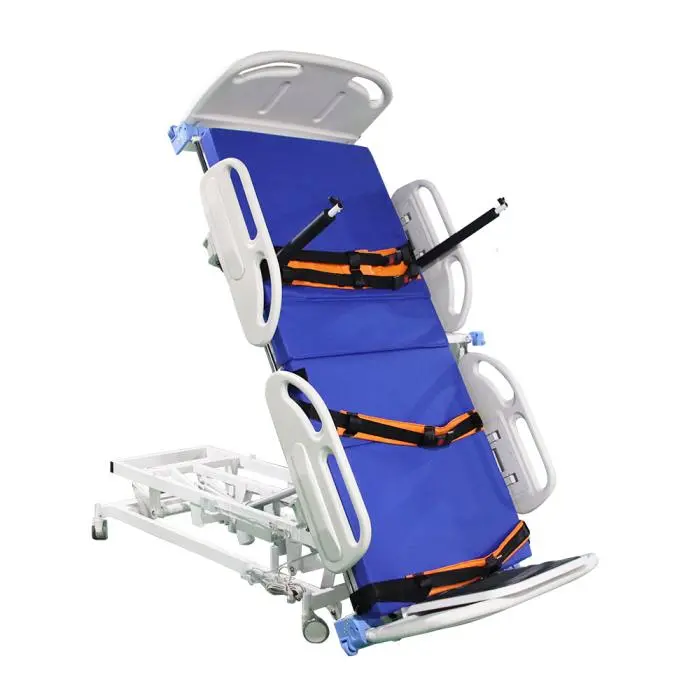
A functional hospital bed, also known as a multi-functional hospital bed, is a specialized medical device designed according to medical and nursing needs. It can achieve various functions such as position adjustment, nursing assistance, safety protection, and rehabilitation support through mechanical, electric, or intelligent control systems.
A five-function ICU bed is a high-level medical bed with five core functions: backrest lifting, legrest lifting, overall bed lifting, Trendel-Lombard position, and reverse Trendel-Lombard position. Used in intensive care environments, it is a basic and essential nursing device in the ICU.
No. Electric blankets are absolutely prohibited in hospital beds.
This is not because hospitals are "too strict," but because electric blankets pose serious safety hazards in the hospital environment, including electrical safety risks, cross-infection risks, equipment interference, and nursing safety issues.
From an overall market perspective, the weight of a standard electric multi-functional hospital bed typically ranges from 90 kg to 180 kg. There are significant differences in weight between different types, uses, and configurations of beds, while higher-end or ICU-level electric multi-functional hospital beds can even exceed 200 kg.
• Manually adjustable beds do not require electricity;
• Electrically adjustable beds must be plugged in.
The choice of type should be based on the patient's condition, frequency of use, and the physical strength of the caregiver.
In most national markets, the price of electric hospital beds is clearly tiered. Generally speaking, the price range for electric hospital beds is typically between $500 and $6000, but the specific figure can fluctuate depending on the complexity of the functions.
The biggest advantage of adjustable hospital beds is that their angle and height can be freely adjusted.
However, in electrically adjustable hospital beds, the motor may produce slight noise during operation, which may disturb the patient's rest, especially at night.