
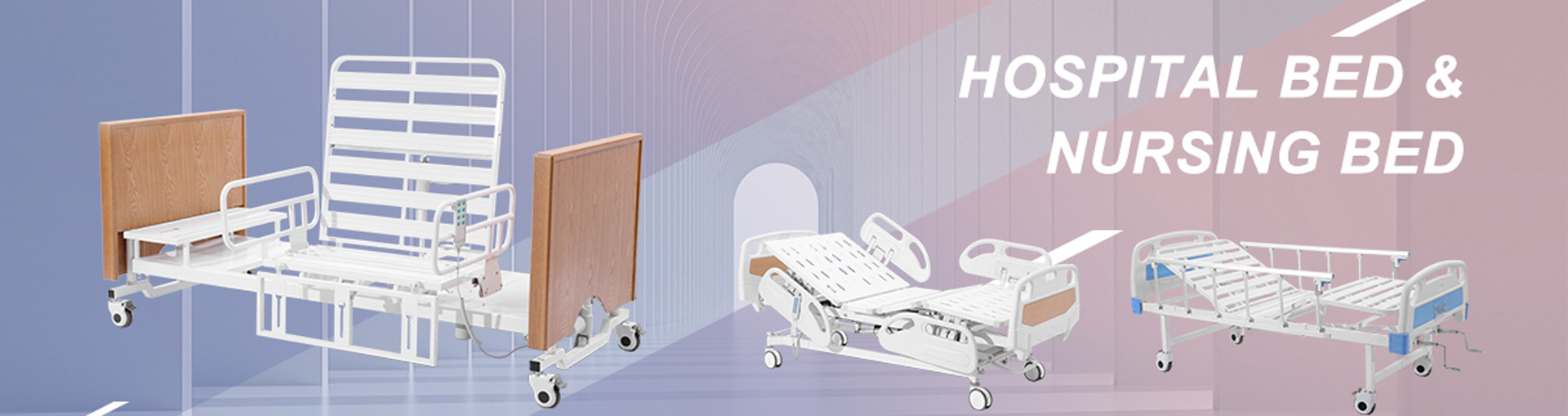
With the continuous upgrading of medical and nursing equipment, the types of hospital beds have gradually expanded from traditional manual beds to semi-electric and fully electric beds. Factors such as patient comfort, convenience of care, and operational safety have made the choice of hospital bed increasingly important. Faced with a wide variety of bed types, many people ask, "Which is better, an electric or manual hospital bed?"
In fact, there is no single, definitive answer to this question. It requires a comprehensive assessment based on multiple factors, including budget, usage scenario, patient needs, and care methods.
This article will provide an in-depth analysis from a professional perspective of the differences, advantages, disadvantages, application scenarios, functional value, and how to choose between electric and manual hospital beds based on individual needs.
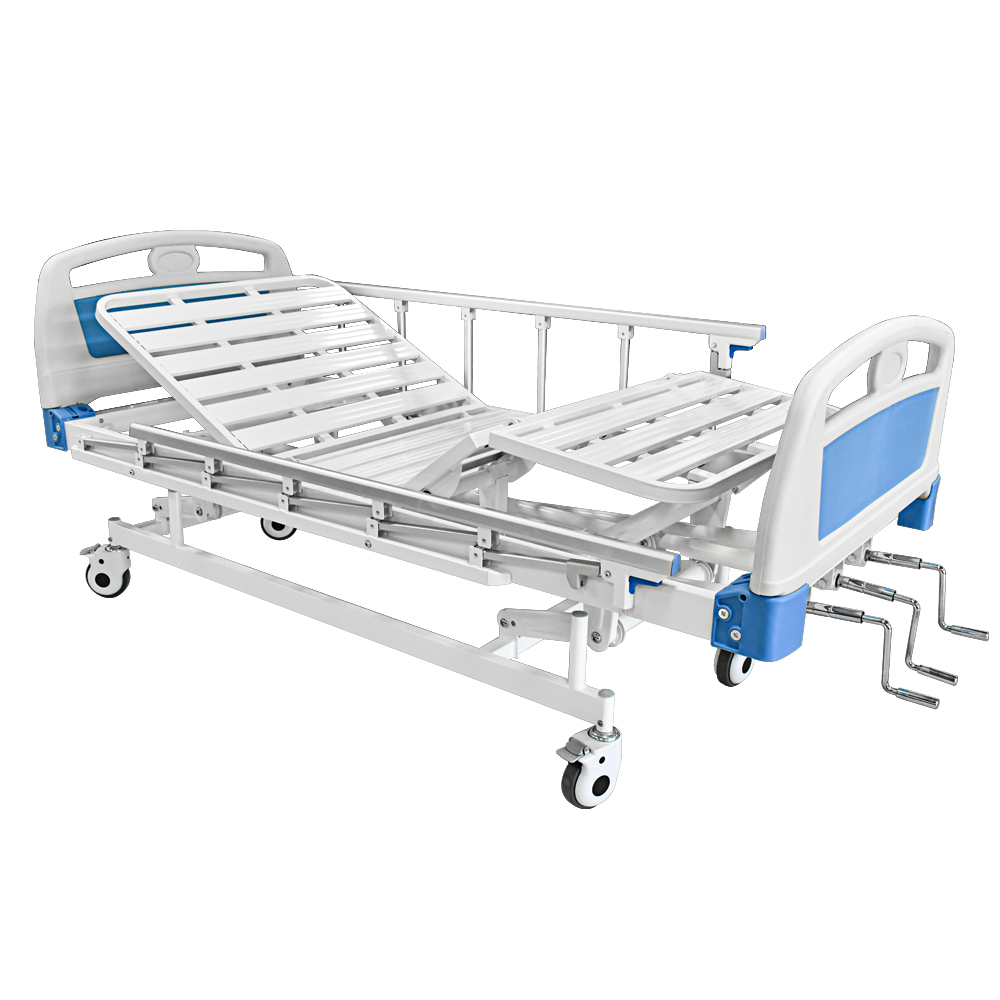
What is an electric hospital bed? Why is it being chosen by more and more people?
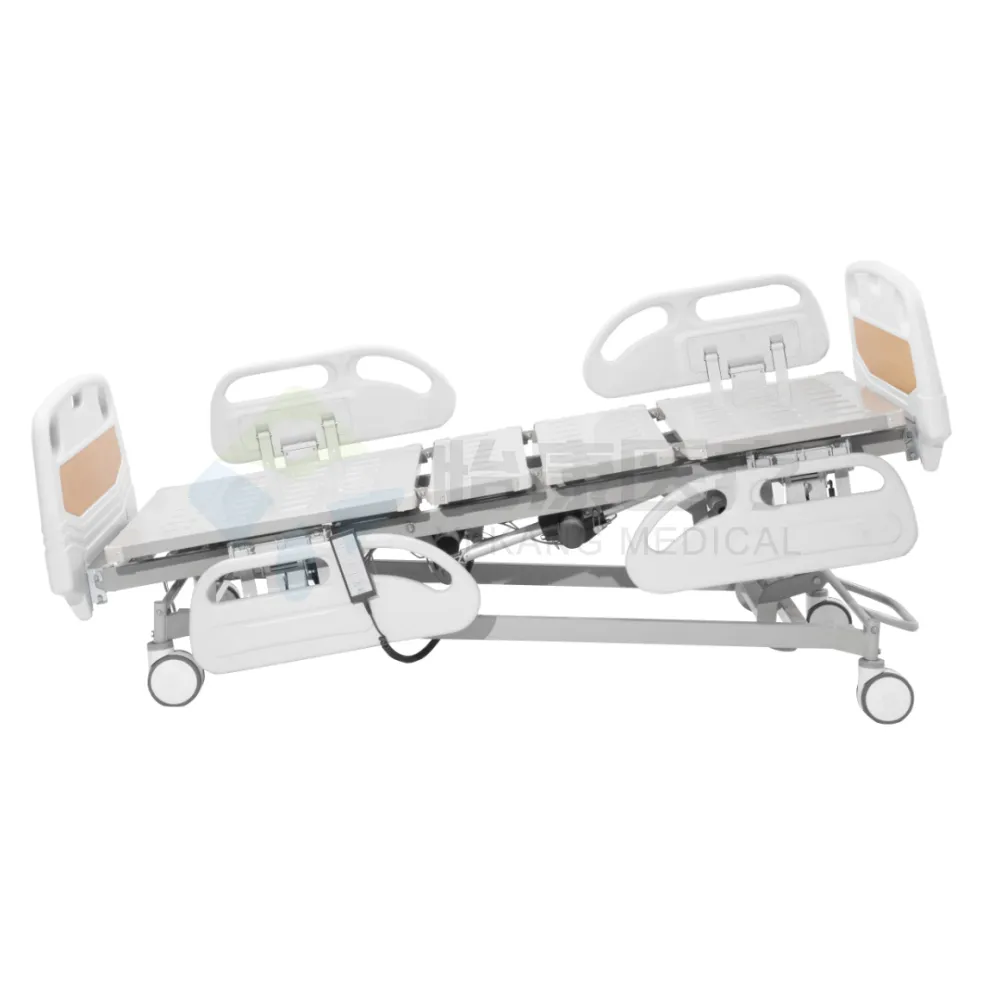
An electric hospital bed is a medical bed that uses multiple motors to drive the bed posture, electric height adjustment, head and leg adjustment, and other nursing assistance actions. Unlike manual hospital beds that require manual lever adjustments, it relies on an electric control system, allowing patients or caregivers to easily complete all operations via remote control or panel.
The popularity of electric hospital beds stems from several factors, including:
• Greater patient autonomy – patients can adjust the angle and height themselves.
• Reduced workload for caregivers – no need for frequent bending or manual adjustments.
• Safer operation – smooth, controllable, and precise.
• More comfortable posture adjustment – more ergonomic.
• Suitable for long-term bedridden patients – reduces the risk of complications.
From an overall care experience and long-term value perspective, electric hospital beds often outperform manual hospital beds.
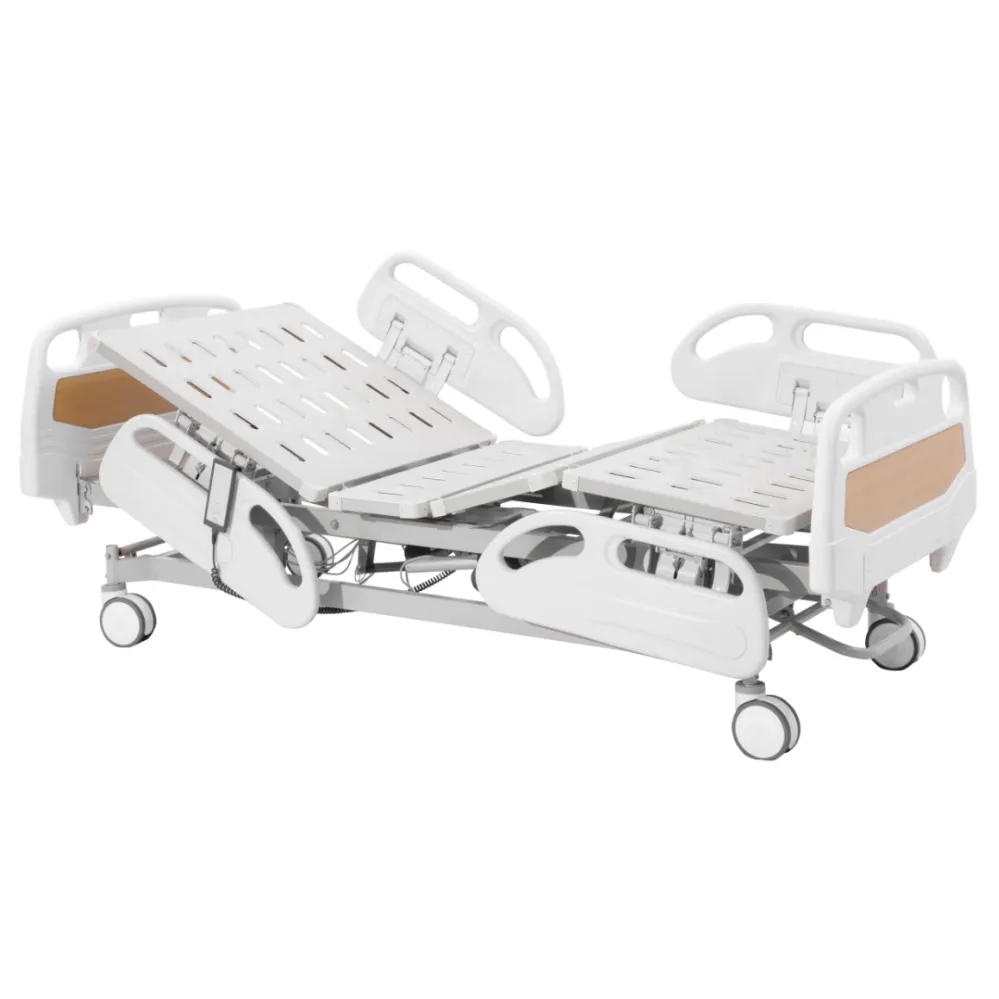
What is a manual hospital bed? Why is it still in use?
Manual hospital beds primarily rely on hand-cranked mechanisms to adjust the bed's angle or height. These beds are simple in structure and inexpensive, thus remaining in use in many medical settings.
The main characteristics of manual hospital beds include:
• Inexpensive
• No power required
• Simple structure and easy maintenance
• Suitable for scenarios with limited budgets and low nursing requirements
However, manual hospital beds also face significant limitations:
• Requires constant manual operation by caregivers
• Patients cannot adjust their posture independently
• Adjusting movements is laborious and slow
• Inaccurate angles
• Long-term use is detrimental to dignity and comfort
Therefore, although manual hospital beds still have a market, electric hospital beds have become the preferred choice for more people due to the growing demand for higher quality nursing care.
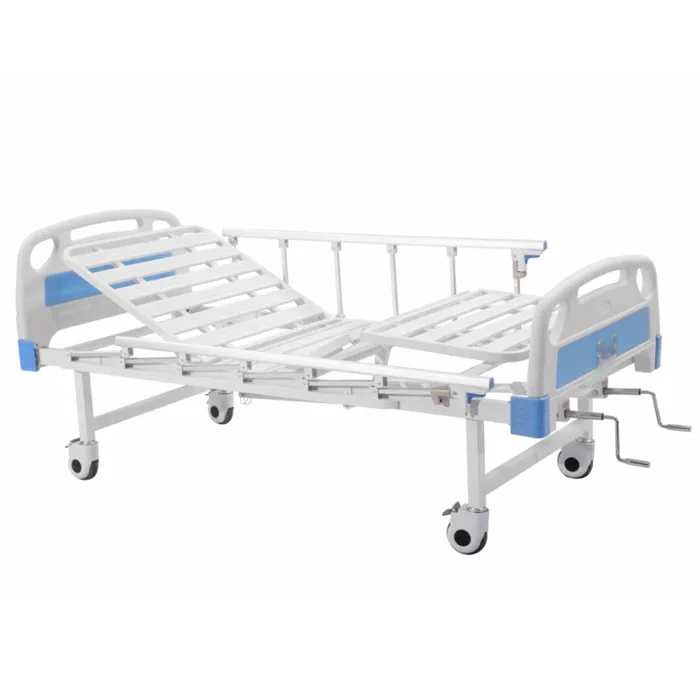
Which is better, an electric or manual hospital bed?
To help readers make a clear judgment, we conduct a professional comparison from the following key perspectives.
1. User Experience: Electric Hospital Beds are Significantly Superior to Manual Beds
Advantages of Electric Hospital Beds:
• Patients can control the bed angle themselves.
• The adjustment process is very smooth.
• Precise adjustments to even minute angles are possible as needed.
• Increased autonomy for patients with limited mobility.
When lying on an electric hospital bed, patients can easily switch between various positions using a remote control, such as sitting, semi-reclining, or leg-raised positions. The user experience of a manual hospital bed, however, depends entirely on the caregiver's skill.
Disadvantages of Manual Hospital Beds:
• Patients cannot adjust the bed themselves.
• Caregivers experience significant effort with repeated adjustments.
• Inaccurate adjustments.
• Less user-friendly for the elderly and long-term bedridden patients.
Therefore, from the perspective of "comfort, convenience, and autonomy," electric hospital beds are almost universally superior.
Are Electric Hospital Beds Really Safer Than Manual Beds?
Safety is a crucial criterion for evaluating the value of a hospital bed.
Safety Advantages of Electric Hospital Beds:
• Smooth and Shock-Free: Motor-driven operation is more stable than hand-cranked beds.
• Precise Angle Control: Reduces the risk of secondary injury to patients.
• Multiple Safety Features: Such as anti-pinch function, automatic power-off, and bed rail design.
• Height Adjustable: Allows caregivers to operate at a suitable height, reducing occupational injuries.
The slow and smooth lifting of electric hospital beds significantly reduces the risk of patient movement, making them especially suitable for postoperative patients, fracture patients, the elderly, and those with limited mobility.
Safety Hazards of Manual Hospital Beds:
• Adjustment movements may be too fast or too slow.
• Manual operation can easily lead to incorrect angles.
• Bending over to crank the lever poses a risk of lumbar spine injury to caregivers.
• Some inexpensive manual beds have problems with jamming and instability.
From a safety perspective, electric hospital beds are clearly more suitable for patients requiring long-term care or those at high risk.
How significant are the functional differences between electric and manual hospital beds?
Electric hospital beds offer far more functions than manual hospital beds; this is the most important difference between the two types.
Common features of electric hospital beds include:
• Headrest adjustment
• Legrest adjustment
• Overall height adjustment
• One-touch supine position
• Side turning (some models)
• One-touch cardiac chair position
• Posture memory function
• Night light sensor design
These features can often be combined to meet different nursing needs and scenarios.
Manual hospital beds typically include:
• Partial headrest adjustment
• Partial legrest adjustment
• Some models have manual height adjustment
Their functions are significantly limited, and all adjustments rely on manual operation.
Conclusion: In terms of functional diversity, electric hospital beds are definitely superior.
Why are electric hospital beds more comfortable?
Comfort often determines a patient's quality of life.
Electric hospital beds achieve ergonomic postures through precise angle adjustments. These postures not only improve comfort but also reduce complications, such as:
• Improved blood circulation
• Reduced muscle pressure
• Lower risk of bedsores
• Facilitate breathing
• Improved sleep quality
Manual hospital beds, due to limited adjustment options, struggle to achieve these detailed optimizations.
Are electric hospital beds always more expensive than manual hospital beds? How do prices compare?
This section is crucial because many people's choice of hospital bed is ultimately influenced by their budget.
From a price perspective:
• Manual hospital beds: Cheapest
• Semi-electric hospital beds: Moderately priced, balancing practicality
• Electric hospital beds: Most expensive, but offer the most comprehensive comfort and functionality
As you provided in the reference information:
Manual hospital beds are inexpensive, semi-electric hospital beds balance practicality and comfort, while electric hospital beds, although more expensive, offer the highest level of comfort.
Therefore, if the budget allows, an electric hospital bed is almost always the better choice.
Are electric hospital beds really a better buy than manual hospital beds?
When considering factors such as patient needs, convenience of care, safety, comfort, and long-term care costs, the answer is usually: it's worthwhile.
Reasons include:
1. Higher long-term value – reduces care costs and lowers the risk of accidents.
2. Better for patient recovery – multi-positional adjustment meets rehabilitation needs.
3. Improved quality of life – enables self-regulation and enhances dignity.
4. Increased care efficiency – reduces the number of times patients need to be moved or adjusted.
Although the initial investment is higher, the overall value of electric hospital beds often far exceeds that of manual beds in the long run.
What factors should be considered when choosing an electric hospital bed?
If you decide to choose an electric hospital bed, it is recommended to focus on the following aspects:
• Number and quality of motors
• Stability of the bed structure
• Whether it has an overall height adjustment function
• Whether it supports advanced functions such as side-turning and cardiac chair positioning
• Ease of use of the remote control design
• Whether it has a safety locking system
• Whether the mattress is suitable for preventing bedsores
High-quality electric hospital beds not only have a longer lifespan but also provide a more stable and safer care experience.
What care challenges can electric hospital beds solve?
Electric hospital beds solve many problems that manual beds cannot, such as:
• Difficulty turning over
• Difficulty sitting up independently
• Excessive burden on caregivers
• Breathing difficulties due to improper posture
• Pressure sores caused by prolonged bed rest
• Difficulty getting in and out of bed
With electric control, these problems can be quickly resolved with easy button operation.
Is an electric or manual hospital bed more suitable for long-term bedridden patients?
The needs of long-term bedridden patients include:
• Regular turning
• Reduced pressure
• Improved circulation
• Assisted breathing
• Reduced skin pressure
• Increased comfort
These all require frequent adjustments of posture, which manual beds cannot handle. Therefore, electric hospital beds are more suitable for long-term bedridden individuals.
Is it necessary to purchase an electric hospital bed for home care?
The advantages of using an electric hospital bed in home care include:
• Reduced burden on family caregivers
• Patients can manage their posture independently
• Improved safety
• Promoted recovery and quality of life
For the elderly, post-operative patients, paralyzed individuals, and disabled individuals, electric hospital beds are almost always the best choice for home care.
Can I buy customized medical equipment from Yikang Medical?
Absolutely. Yikang Medical specializes in customized hospital and rehabilitation equipment, including hospital beds, nursing beds, electric and manual wheelchairs, bath chairs, toilet chairs, walkers, and canes. As a professional Chinese manufacturer and supplier, we adjust designs, configurations, and colors according to client requirements. Serving as a trusted OEM manufacturer for leading brands, Yikang Medical guarantees high-quality products, timely delivery.