
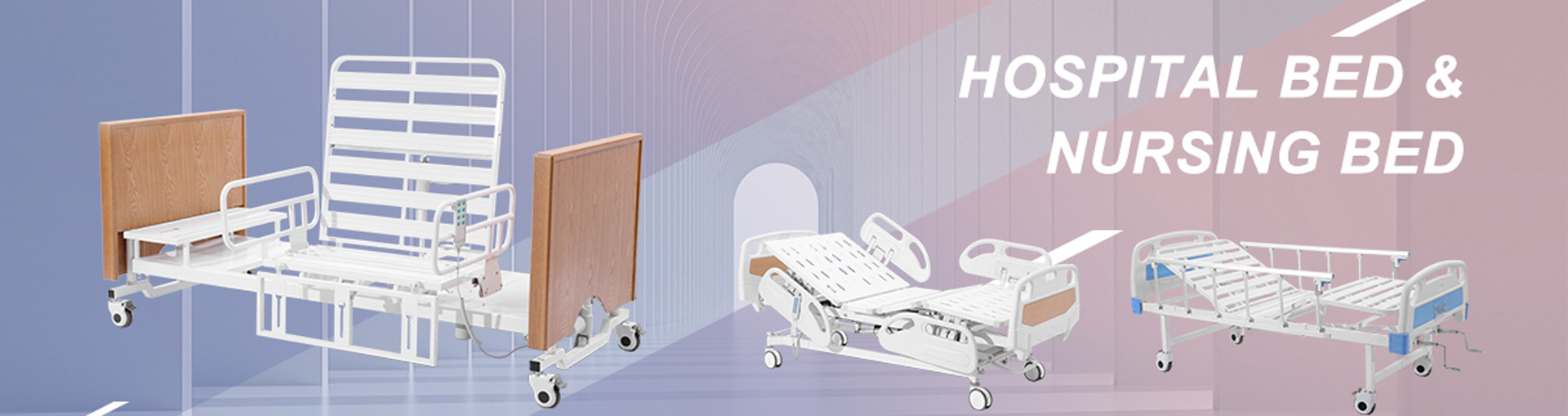
In modern hospital systems, ICU hospital beds are core equipment designed specifically for intensive care. Compared to beds in general wards, ICU beds not only offer more comprehensive life support functions but also play a crucial role in assisting medical staff with continuous monitoring, emergency intervention, and intelligent positioning management.
However, not all hospitalized patients require ICU beds. Patients are only admitted to the intensive care unit and use ICU beds under specific circumstances.
This blog post will help readers clearly understand the conditions for using ICU hospital beds and their medical significance by examining medical assessment criteria, vital signs, and clinical indications.
Is the use of an ICU bed determined by the stability of vital signs?
This is one of the most critical factors in determining whether an ICU bed is needed. ICU hospital beds are typically used for patients with unstable vital signs who require close monitoring or immediate intervention.
What changes in vital signs necessitate the use of an ICU bed?
The following types of abnormal vital signs are generally considered indications for ICU monitoring:
1. Unstable breathing or increased need for respiratory support
Patients often require ICU admission when they exhibit the following:
• Persistently elevated or decreased respiratory rate
• Inability to maintain oxygen saturation within a safe range
• Requirement of non-invasive or invasive mechanical ventilation
• Requirement of high-flow oxygen therapy
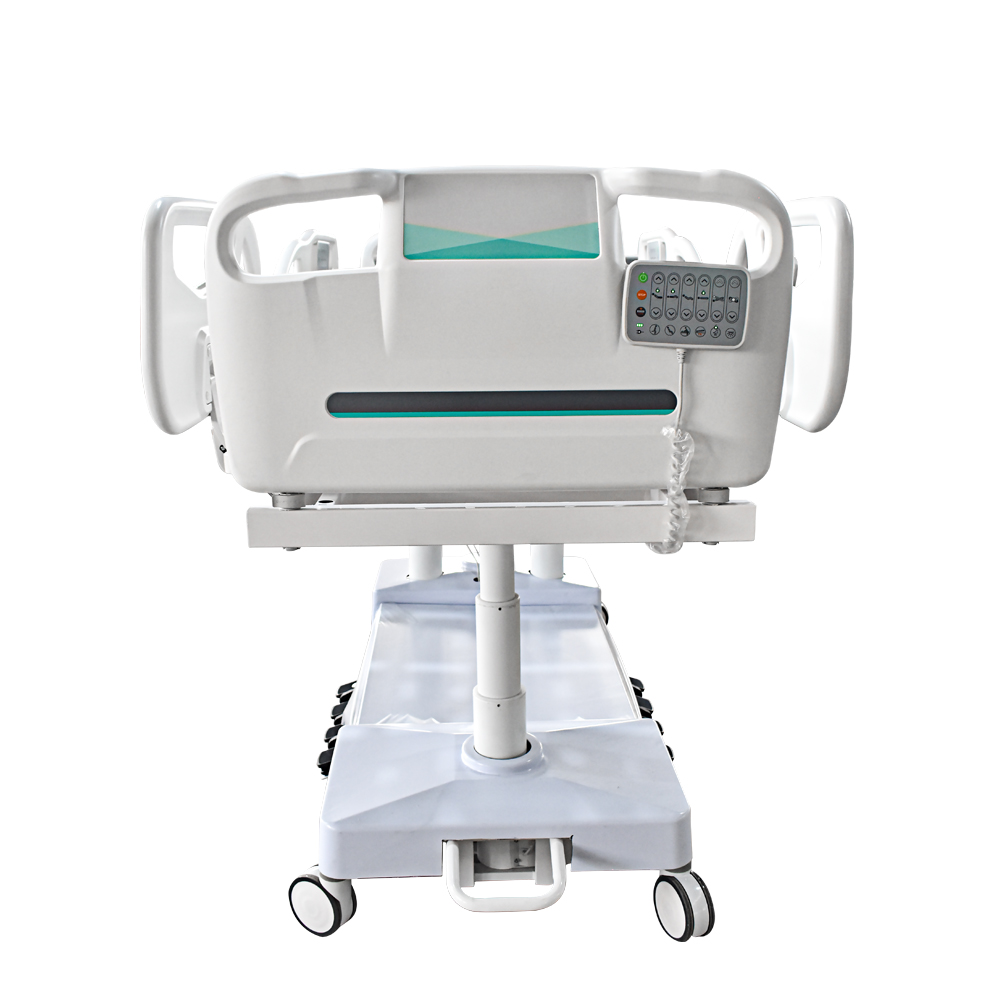
The importance of ICU hospital beds in these situations lies in their ability to operate in conjunction with ventilators, monitors, and other equipment for extended periods, while providing convenient nursing care for medical staff.
2. Unstable circulatory system
For example:
• Excessively fast or slow heart rate
• Persistently low blood pressure or excessive fluctuations in blood pressure
• Requirement of vasoactive drugs to maintain vital signs
• Risk of serious arrhythmias
ICU beds are adapted to these complex situations due to their fall protection structure, monitoring interfaces, and emergency repositioning capabilities.
3. Changes in Neurological Status
Examples:
• Altered consciousness
• Coma
• Requirement of frequent neurological assessments
• Risk of seizures
ICU beds allow for rapid repositioning and offer high stability, making them suitable for these situations.
Are critically ill patients always required to use ICU beds?
When is a patient defined as "critically ill"?
In the medical definition, "critically ill patients" generally possess the following characteristics:
• Their lives may be immediately endangered without continuous monitoring or equipment support.
• Their condition changes rapidly, and the risks are unpredictable.
• They require multi-organ function support or intervention.
• They require 24-hour continuous monitoring.
These patients typically need to be placed in the ICU ward, and the ICU hospital bed is its core equipment.
Therefore, when a patient is assessed as critically ill, the clinical team will almost certainly choose to arrange for ICU hospital bed technology and environmental support.
What kind of postoperative patients need ICU beds?
Not only in acute or critical cases, but also in certain postoperative stages, ICU beds are required.
This typically includes:
1. High-risk surgeries such as cardiac surgery, major thoracic surgery, and transplant surgeries
2. Surgeries with intraoperative instability
3. Patients requiring postoperative ventilator support
4. Patients requiring close postoperative positioning management
These patients are prone to postoperative vital signs fluctuations, thus requiring the positioning management function of ICU beds to:
• Prevent postoperative complications
• Enhance lung expansion
• Reduce wound traction
• Provide stable support
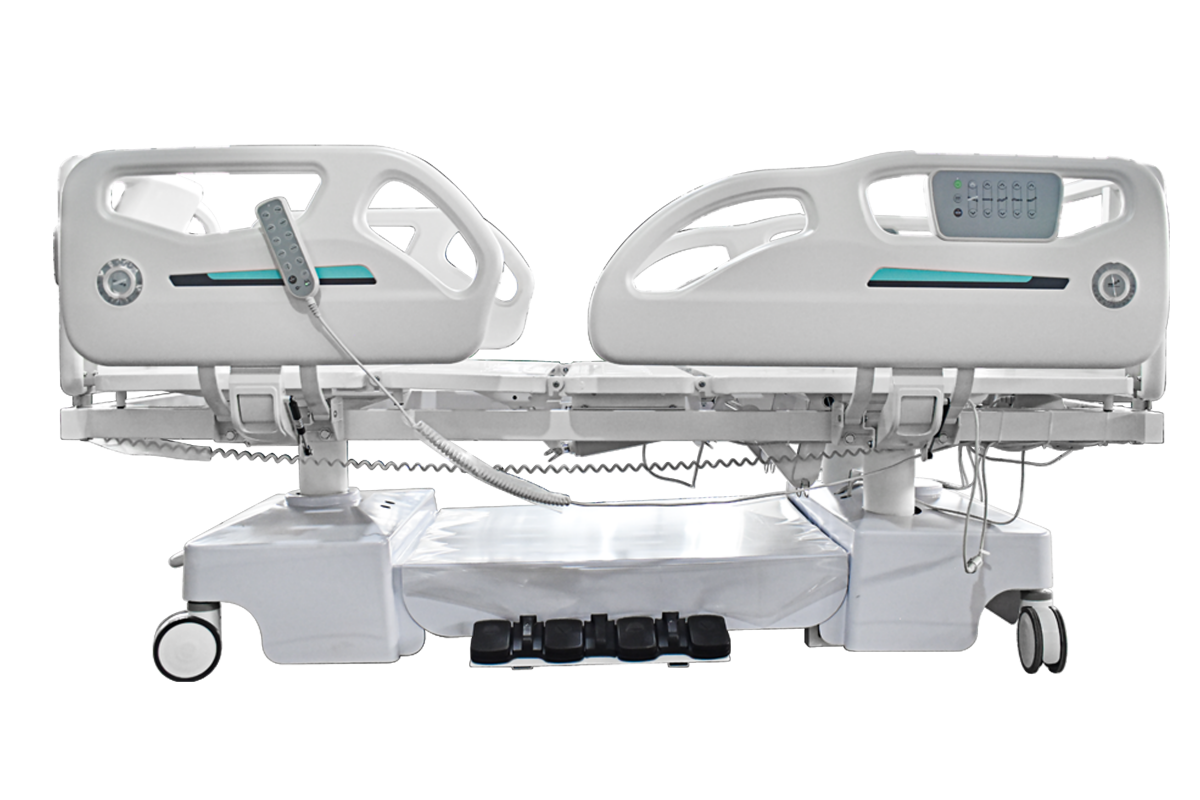
The electrically operated lifting and multi-segment bed structure of ICU hospital beds allows for rapid changes in nursing positions, which is especially crucial for postoperative patients.
Is an ICU bed always necessary for acute events?
Acute events are one of the main sources of ICU admissions, especially in the following situations:
1. Acute respiratory failure
For example, irreversible shortness of breath, severe lung infections, etc., may require ventilator support, thus necessitating the use of an ICU hospital bed.
2. Acute Heart Failure or Severe Arrhythmias
These conditions require continuous ECG monitoring and rapid repositioning, making the monitoring interface and stable structure of the ICU bed crucial.
3. Acute Brain Injury or Coma
Strict management of head position, limb status, and the nervous system is necessary, thus requiring an ICU hospital bed.
4. Emergency Treatment for Multiple Trauma
Cases such as multiple fractures or internal organ injuries require robust nursing support and repositioning capabilities, making an ICU bed the optimal choice.
Is an ICU bed specifically designed for patients requiring monitoring equipment?
This is one of the biggest differences between an ICU hospital bed and a regular hospital bed.
In the following situations, patients require not only monitoring by medical staff but also continuous 24-hour monitoring by machines:
• Electrocardiogram (ECG) monitoring
• Respiratory monitoring
• Disease trend analysis
• Multi-channel linkage of infusion pumps and syringe pumps
• Support for ventilators and oxygen therapy equipment
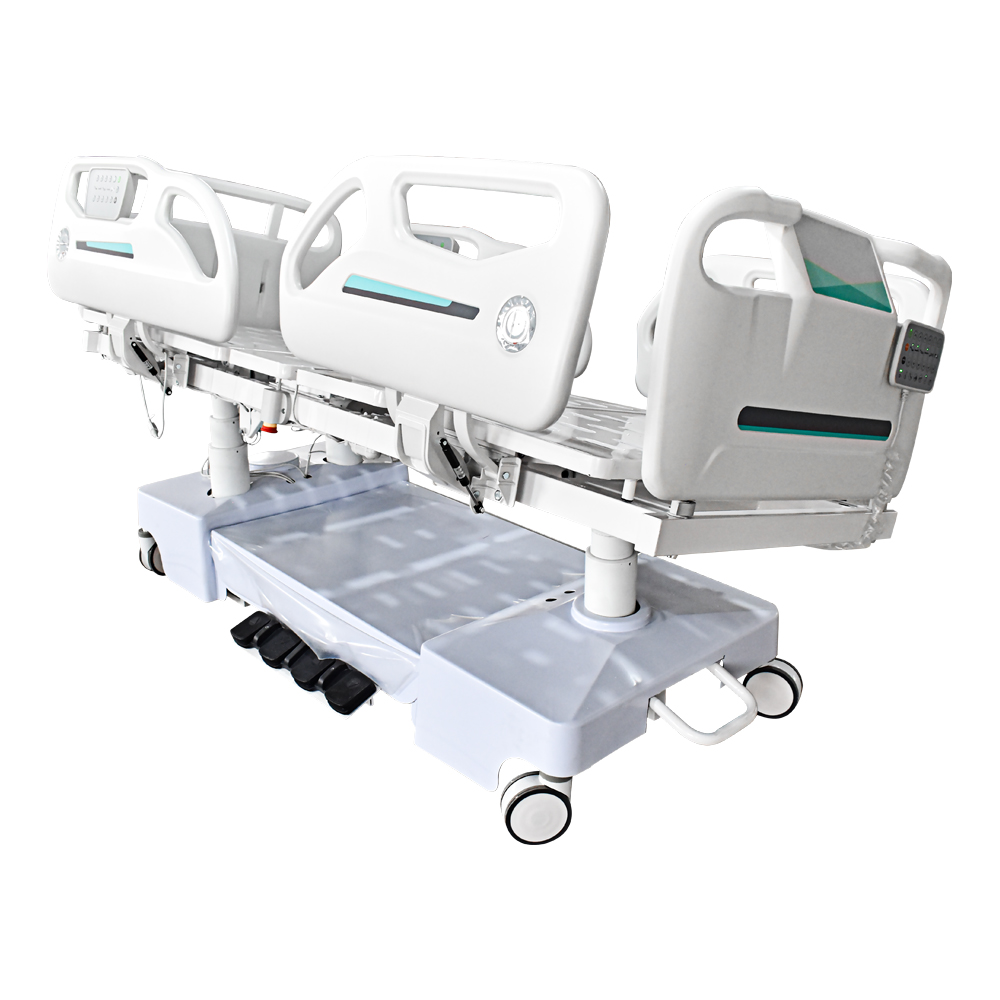
The structural design of ICU beds provides ample space and interfaces for this, including:
• Monitor brackets
• Infusion rod sockets
• Cable routing channels
• Oxygen cylinder holders
When patients use multiple monitoring devices, dedicated configurations for ICU hospital beds are required.
Which positioning management needs necessitate the use of ICU beds?
1. Preventing pressure sores: Critically ill patients cannot turn over for extended periods, requiring the lateral turning assist function of ICU beds.
2. Improving respiratory function: Achieving optimal lung expansion by adjusting to the reverse Trendbeg or high semi-recumbent position.
3. Improving circulation: Helping stabilize blood pressure by adjusting the lower limb elevation angle.
4. Postoperative positioning restrictions: Certain surgeries require maintaining a specific angle of immobility.
These positioning requirements necessitate electrically controlled and highly stable ICU hospital beds.
When should a patient not leave the ICU bed?
Some patients, even if their condition has improved, cannot immediately leave the ICU hospital bed.
• The ventilator has not yet been removed.
• Blood pressure cannot be reduced to vasopressors.
• Consciousness recovery is unstable.
• Multi-organ support has not been discontinued.
• ICU monitoring data still requires close analysis.
• Positioning management remains part of treatment.
In these situations, prematurely leaving the ICU hospital bed may increase the risk of adverse events.
Is the ICU bed arrangement assessed by the physician?
Yes. Whether an ICU bed is needed is determined by the following assessments:
• Emergency room physician
• Critical care physician
• Surgical anesthesia team
• Nursing team
Assessment includes:
• Severity of the patient's condition
• Stability of vital signs
• Monitoring needs
• Requirement of respiratory/circulatory support
• Availability of existing ward equipment to meet the needs
If any indicator shows that the patient requires more intensive monitoring than in a regular ward, an ICU bed becomes the best, and only, appropriate option.
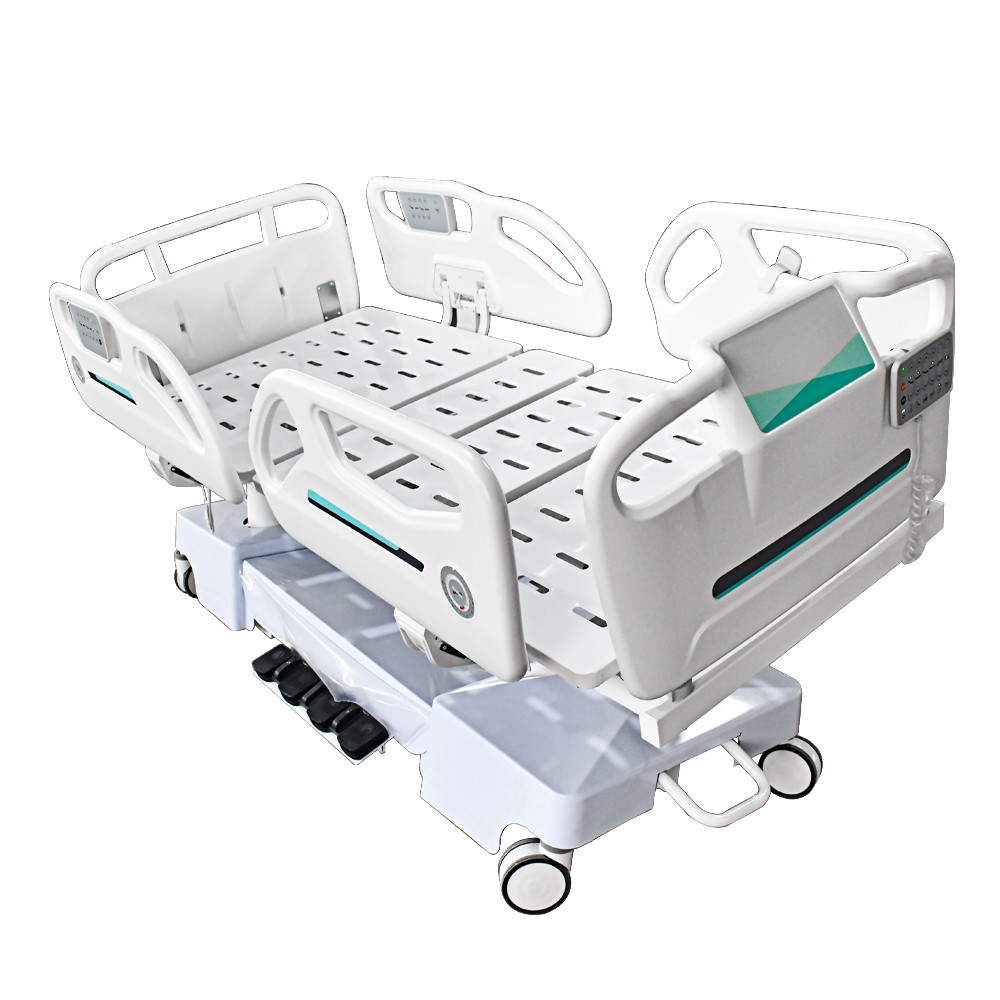
When is an ICU bed needed?
Based on medical monitoring logic and clinical assessment systems, ICU hospital beds are required in the following situations:
1. When vital signs are unstable and continuous monitoring is required.
2. When the patient is assessed as a "critically ill patient."
3. When close observation is required after a high-risk surgery.
4. When an acute critical condition occurs.
5. When ventilator or multi-device support is required.
6. When specialized positioning management is required.
7. When the medical conditions for leaving the ICU have not yet been met.
In other words: ICU hospital beds are only used when the patient's condition requires a higher level of monitoring, more advanced nursing equipment, and more intensive intervention.
What sets Yikang Medical apart from other suppliers in China?
Yikang Medical is a professional manufacturer and supplier with over a decade of experience in hospital and rehabilitation equipment production. We offer high-quality hospital beds, nursing beds, electric and manual wheelchairs, bath chairs, toilet chairs, walkers, and canes. Our factory supports OEM and customized solutions, including product appearance, configuration, and color adjustments. Certified with ISO13485, ISO9001, CE, and FDA, Yikang Medical ensures reliable, durable, and safe medical equipment.