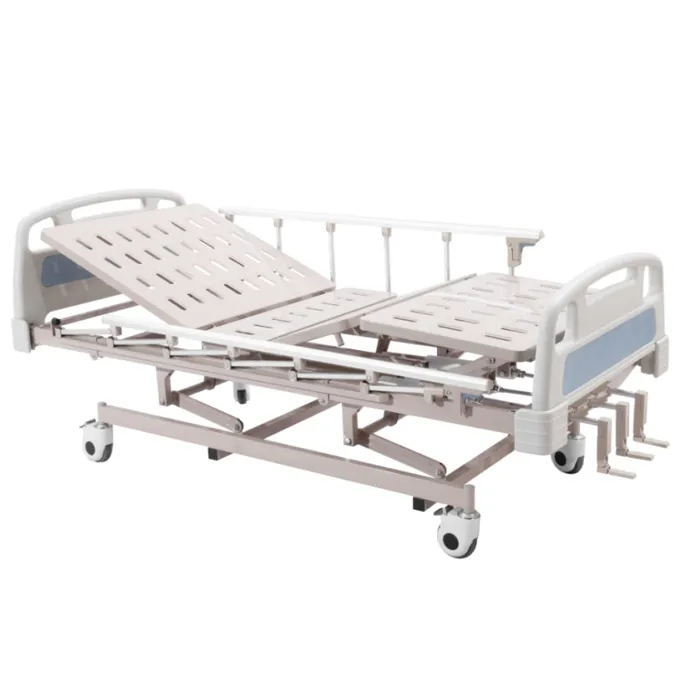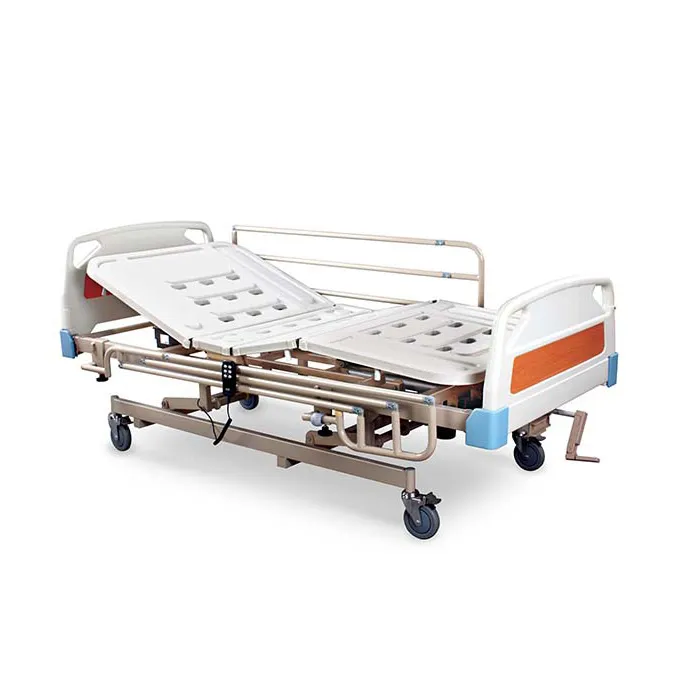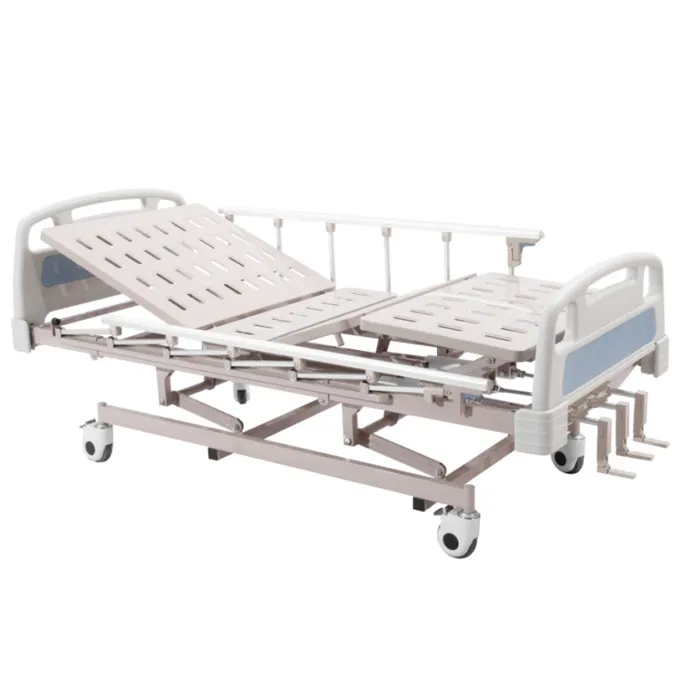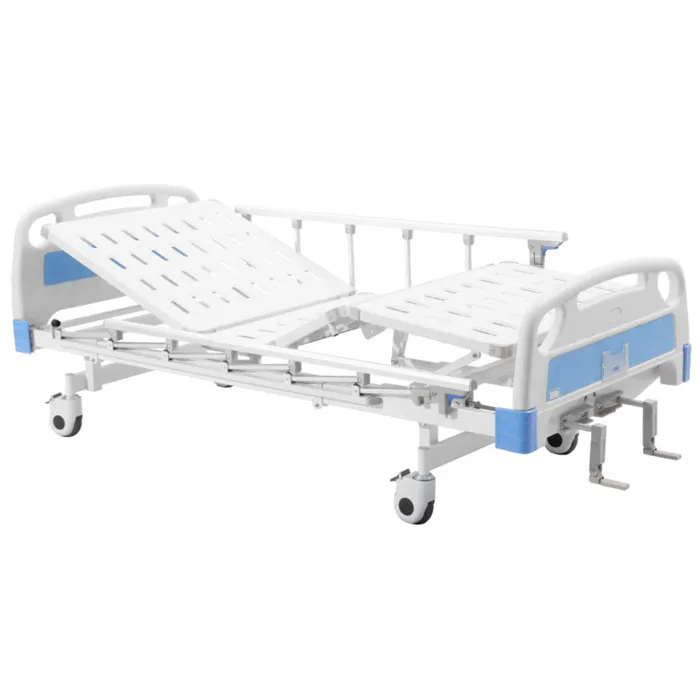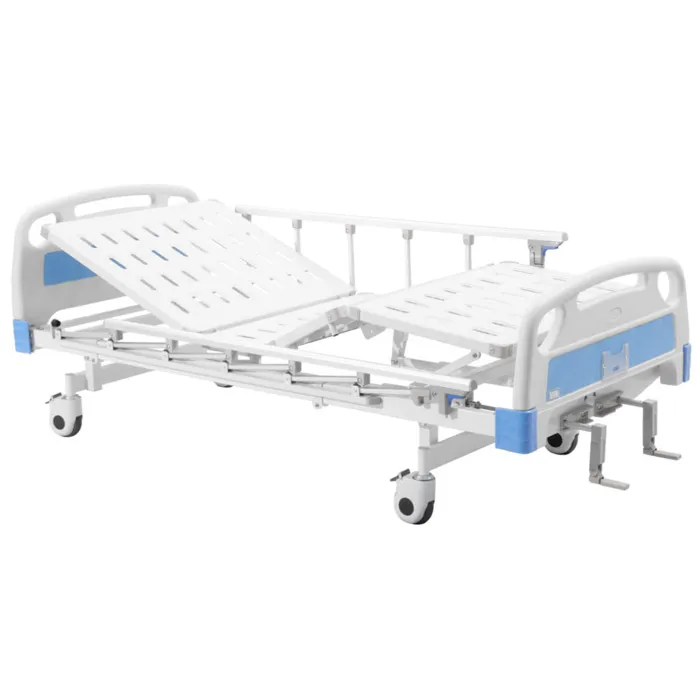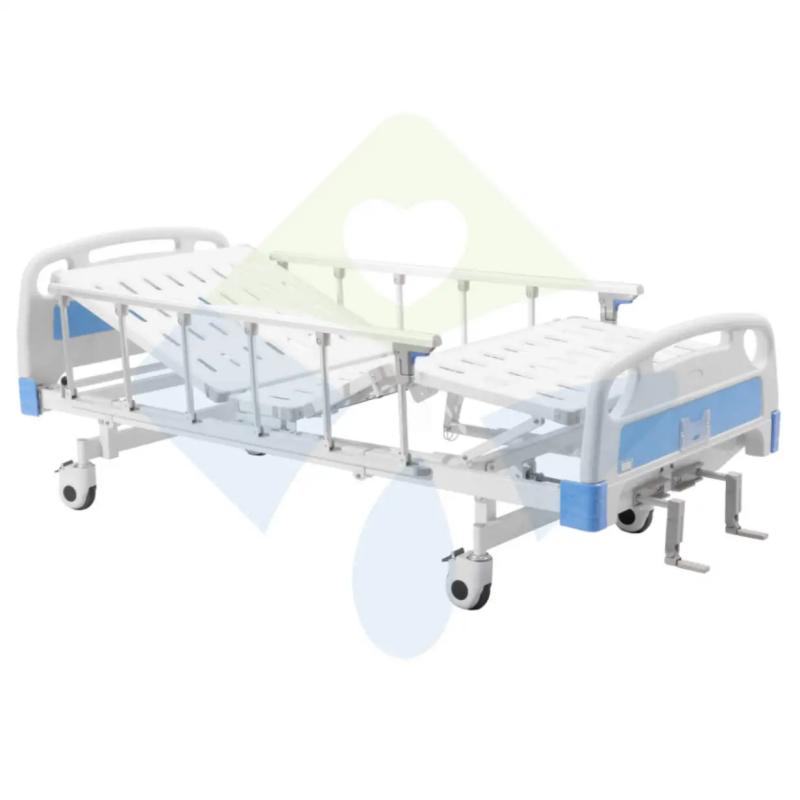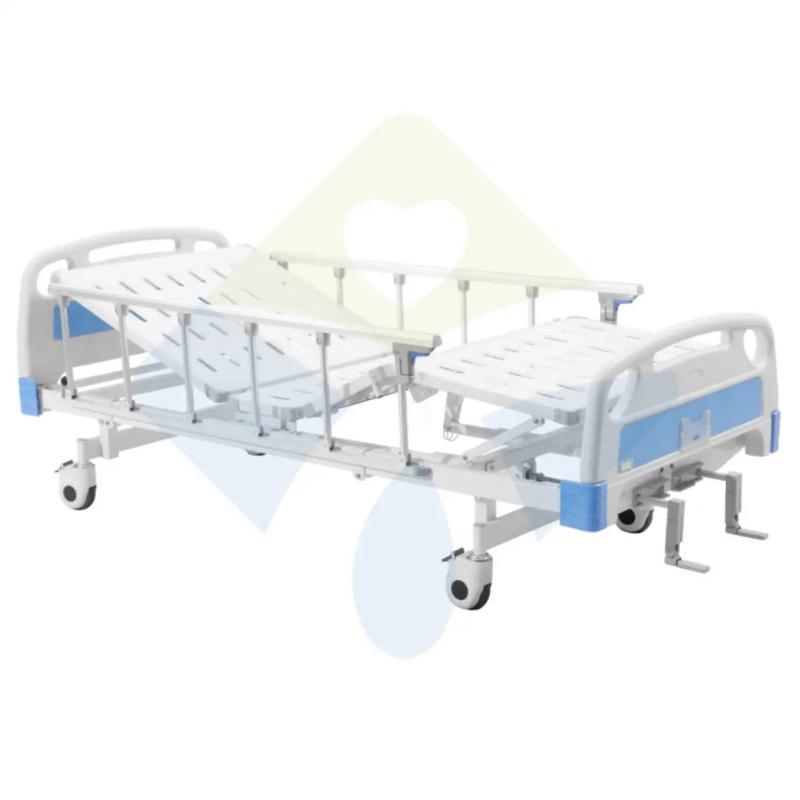
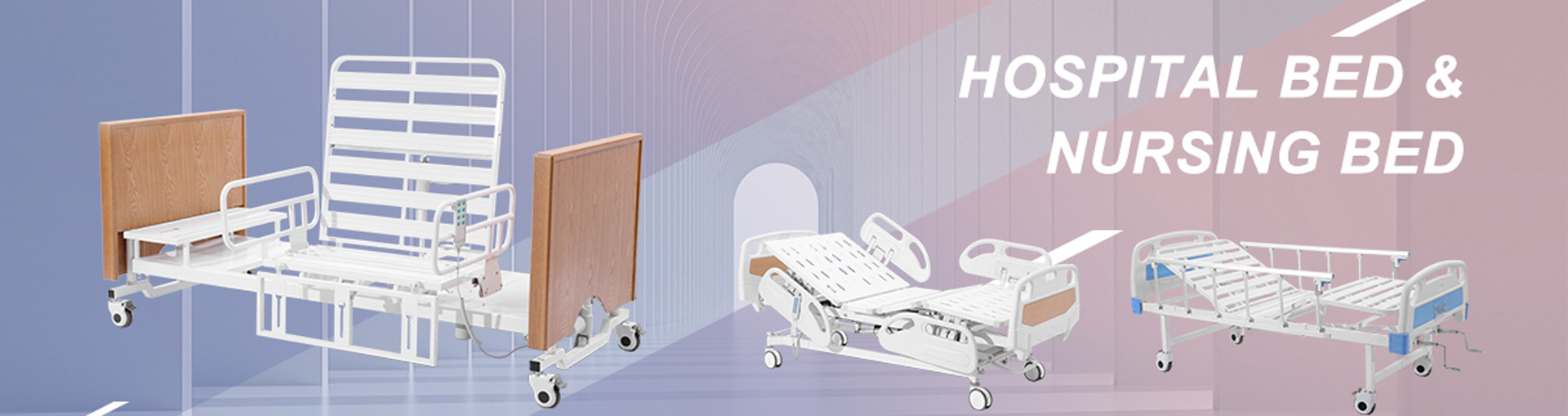
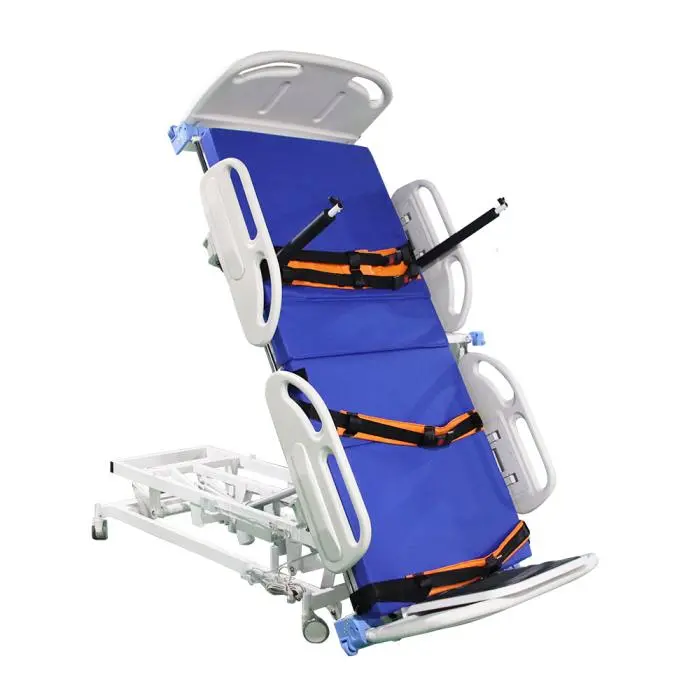
• Manually adjustable beds do not require electricity;
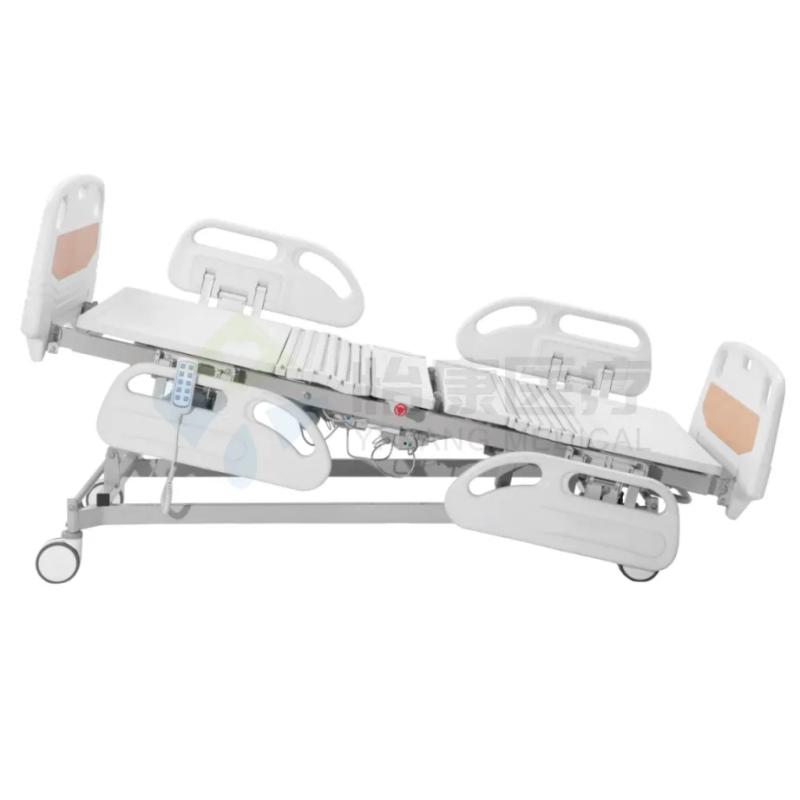
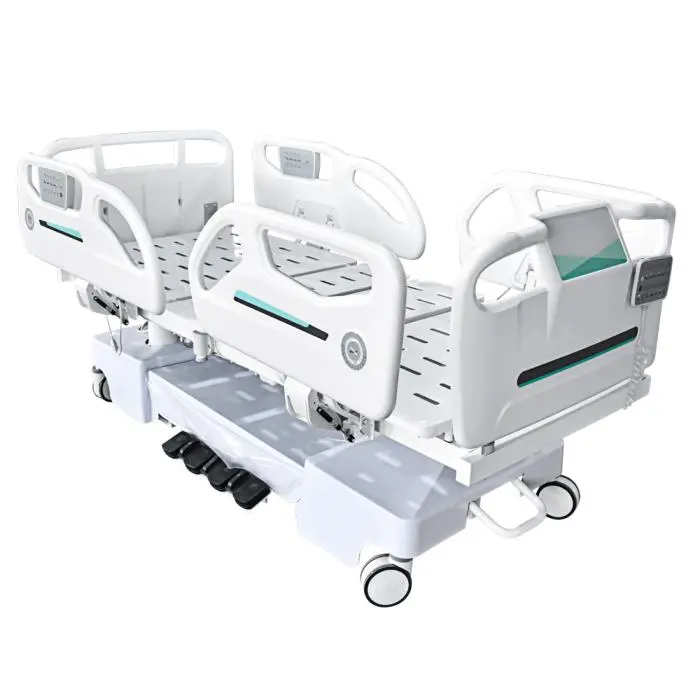
• Electrically adjustable beds must be plugged in.
The choice of type should be based on the patient's condition, frequency of use, and the physical strength of the caregiver.
The biggest advantage of adjustable hospital beds is that their angle and height can be freely adjusted.
However, in electrically adjustable hospital beds, the motor may produce slight noise during operation, which may disturb the patient's rest, especially at night.
Yes, you need to buy a dedicated mattress for an adjustable hospital bed.
The reasons are as follows:
• Ordinary mattresses cannot adapt to the bending of the bed;
• Dedicated mattresses ensure even support and comfort;
• Effectively reduce the risk of pressure sores and slippage etc.
Post-operative patients, especially those who have undergone orthopedic, cardiac, or abdominal surgery, often need to maintain a specific position.
Adjustable hospital beds can help patients adjust their posture without affecting wound healing.
Most standard adjustable hospital beds have a maximum weight capacity of 175 kg (approximately 385 lbs), a safe value verified by medical device manufacturing standards.
Doctors recommend adjustable hospital beds not simply for "comfort," but based on a comprehensive judgment of medical care, safety, and rehabilitation needs.
For the elderly, an adjustable hospital bed is not just a bed, but an important support for safeguarding health and dignity.
Six groups of people who are not suitable for adjustable hospital beds:
1. Patients with confusion or mental disorders
2. Extremely thin or underweight elderly people
3. Vegetative or completely paralyzed people with no self-control ability
4. Patients with limb deformities or severe joint contractures
5. People who are contraindicated from changing their body position in the early postoperative period
6. Risk patients who are highly dependent on restraint devices
The main differences between adjustable and electric hospital bed:
1. Differences in operation methods
2. Adjustment accuracy and comfort
3. Electricity and operation energy efficiency
4. Cost differences
5. Applicable scenarios
6. Maintenance and repair