
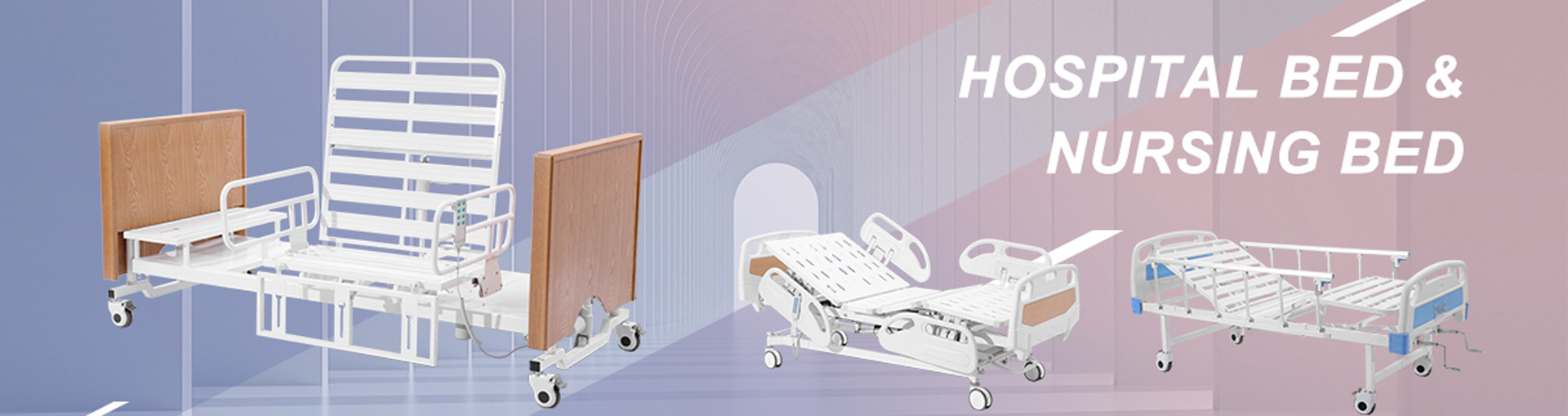
In the modern healthcare environment, patient comfort, safety, and care efficiency have become focal points of widespread industry concern. With the upgrading of hospital standards, growing awareness regarding home care, and the popularization of rehabilitation concepts, electric adjustable hospital beds are gradually replacing traditional manual beds, emerging as one of the core pieces of equipment in both medical institutions and home care settings.
So, what exactly is an electric adjustable hospital bed? What advantages does it offer compared to ordinary hospital beds? What are its key structural components? And why are an increasing number of hospitals and families choosing to use this type of bed?
This article will provide a systematic and in-depth explanation addressing these questions.
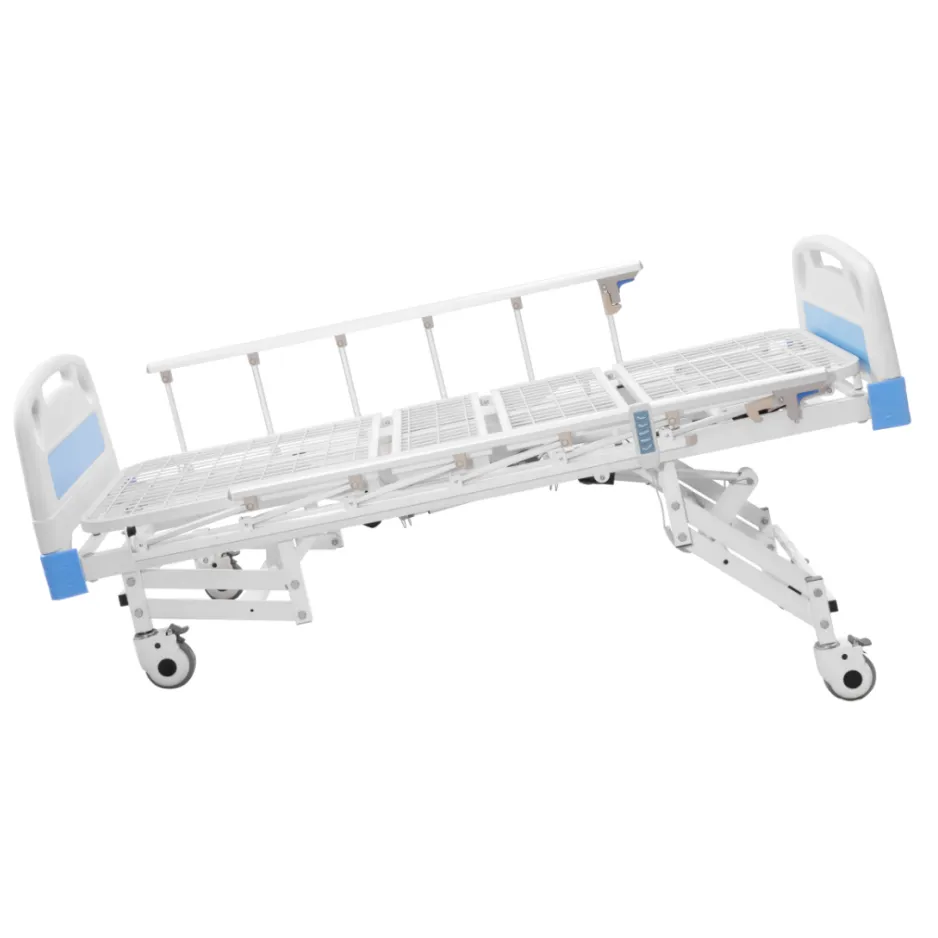
What Is an Electric Adjustable Hospital Bed?
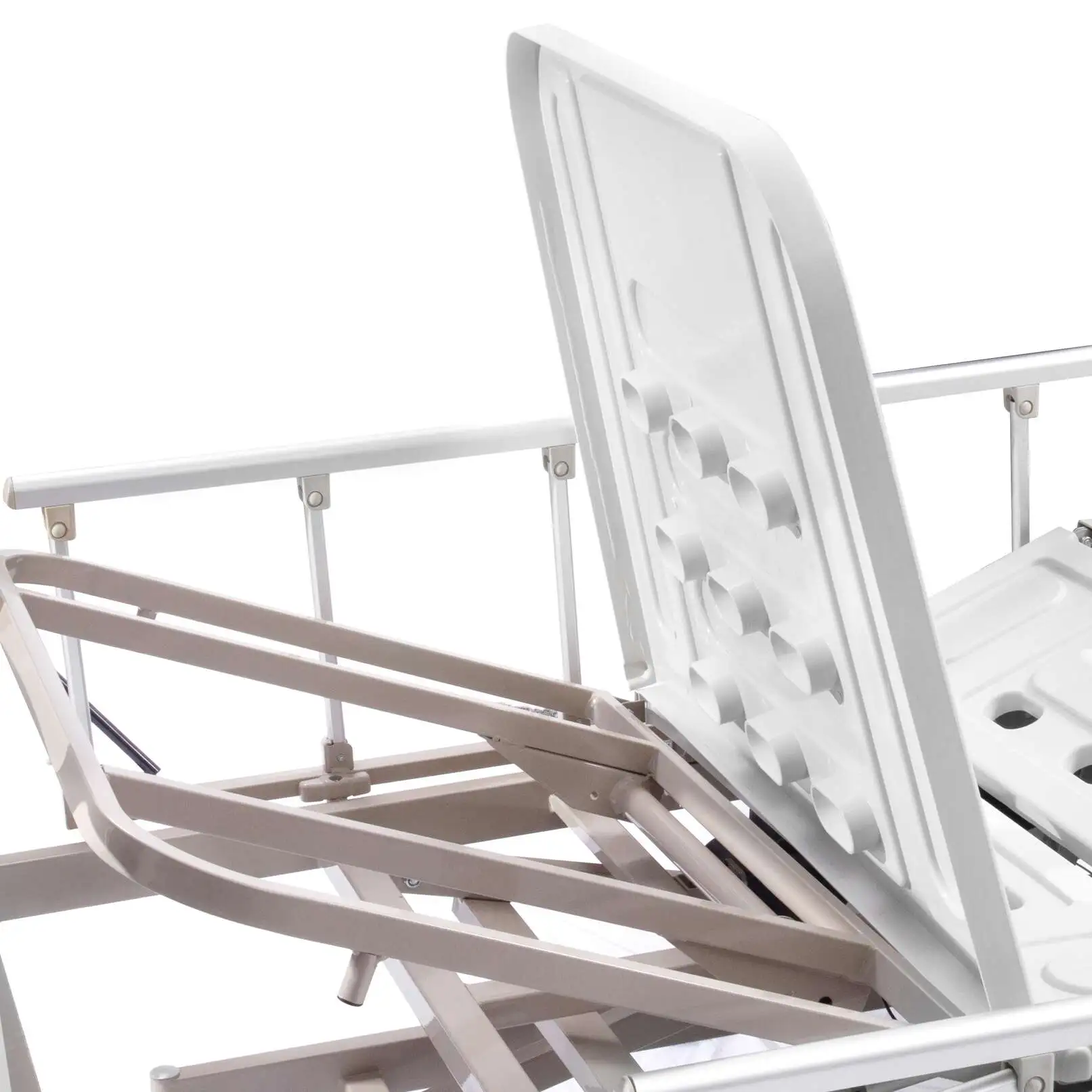
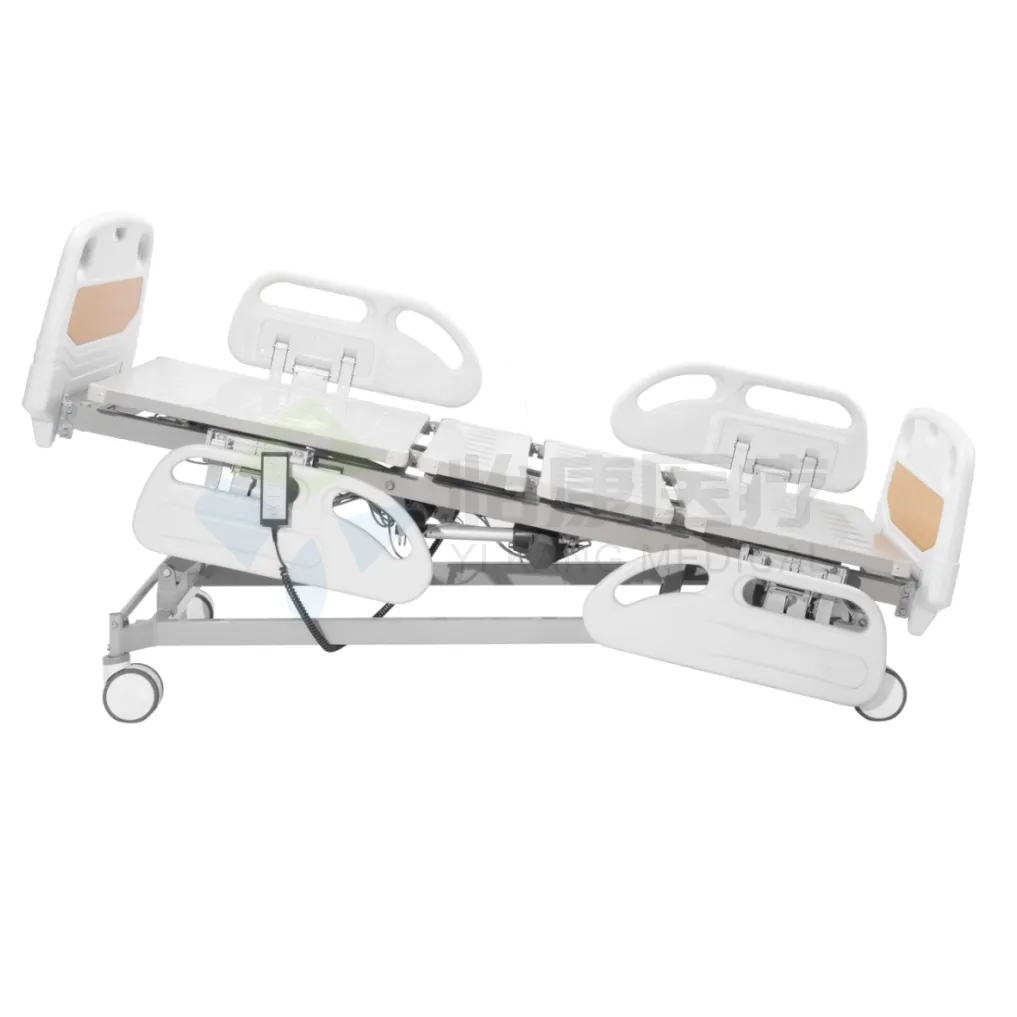
An electric adjustable hospital bed is a medical bed driven by electric motors, allowing for adjustments to the bed's angle and height via a remote control or control panel. Unlike traditional beds—which rely solely on manual cranks for adjustment—this device utilizes electric power to articulate various sections of the bed frame, enabling patients to easily change their body positions. These functions include raising or lowering the backrest, elevating the legs, adjusting the overall bed height, and tilting the entire bed laterally (left or right).
This type of equipment holds immense practical value in hospitals, rehabilitation centers, nursing homes, and home care settings. It not only enhances care efficiency but also significantly improves patient comfort and safety, while helping to reduce complications associated with prolonged bed rest. For instance, adjusting the backrest angle can improve respiratory function, while elevating the lower limbs aids in promoting venous blood return.
In essence, the electric adjustable hospital bed is a piece of medical care equipment that seamlessly integrates advanced technology with ergonomic design principles.
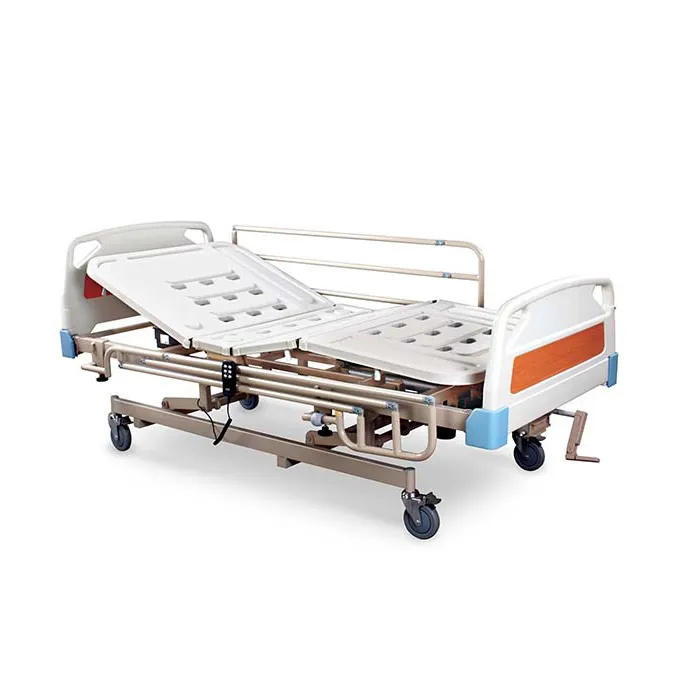
What Are the Core Components of an Electric Adjustable Hospital Bed?
The efficient operation of an electric adjustable hospital bed is inextricably linked to its structural design. The following section provides a breakdown of its primary components:
1. Bed Frame
The structural framework of an electric adjustable hospital bed is typically constructed from high-strength steel or aluminum alloy, ensuring robust load-bearing capacity and durability. Furthermore, the frame's surface often undergoes anti-corrosion treatment to ensure structural stability, even within hospital environments characterized by high humidity and frequent disinfection protocols.
2. Electric Drive System
The electric drive system serves as the core mechanism of the electric adjustable hospital bed. It typically consists of multiple independent motors, with each motor responsible for controlling a specific movement module, such as:
•Backrest lifting motor
•Leg section lifting motor
•Overall bed height adjustment motor
•Lateral tilt motors (found in some advanced models)
A high-quality drive system requires not only powerful performance but also features such as low noise levels, a long service life, and overload protection.
3. Control System
The control system typically includes:
•Wired or wireless remote controls
•Bedside control panels
•Caregiver control panels
The control system serves as the key interface between the user and the bed, enabling patients or caregivers to quickly and precisely adjust the bed's position. Modern electrically adjustable hospital beds even feature "one-touch positioning" functions, offering preset postures such as a flat lying position, a semi-sitting position, or a cardiac chair position.
4. Mattress and Support Surface
To complement the multi-section adjustable structure, electrically adjustable hospital beds typically utilize specialized mattresses constructed from multi-layer composite materials, such as:
•Anti-decubitus (anti-bedsore) mattresses
•Memory foam mattresses
•Air mattresses
The mattress not only determines patient comfort but is also closely linked to the effectiveness of the bed's adjustment mechanisms.
5. Safety Components
Electrically adjustable hospital beds must be designed to comply with medical safety standards. Common safety components include:
•Anti-pinch mechanisms
•Side rails
•Wheel locking systems
•Overload protection
•Emergency power supplies (for use during power outages)
These safety measures ensure that patients face no accidental risks while using the electrically adjustable hospital bed.
6. Auxiliary Accessories
To accommodate diverse care requirements, electrically adjustable hospital beds can also be equipped with:
•IV poles
•Bedside cabinets
•Stretcher docking interfaces
•Caregiver support frames
•Torso support frames
These accessories enhance the functionality of the electrically adjustable hospital bed, making it suitable for more complex medical care scenarios.
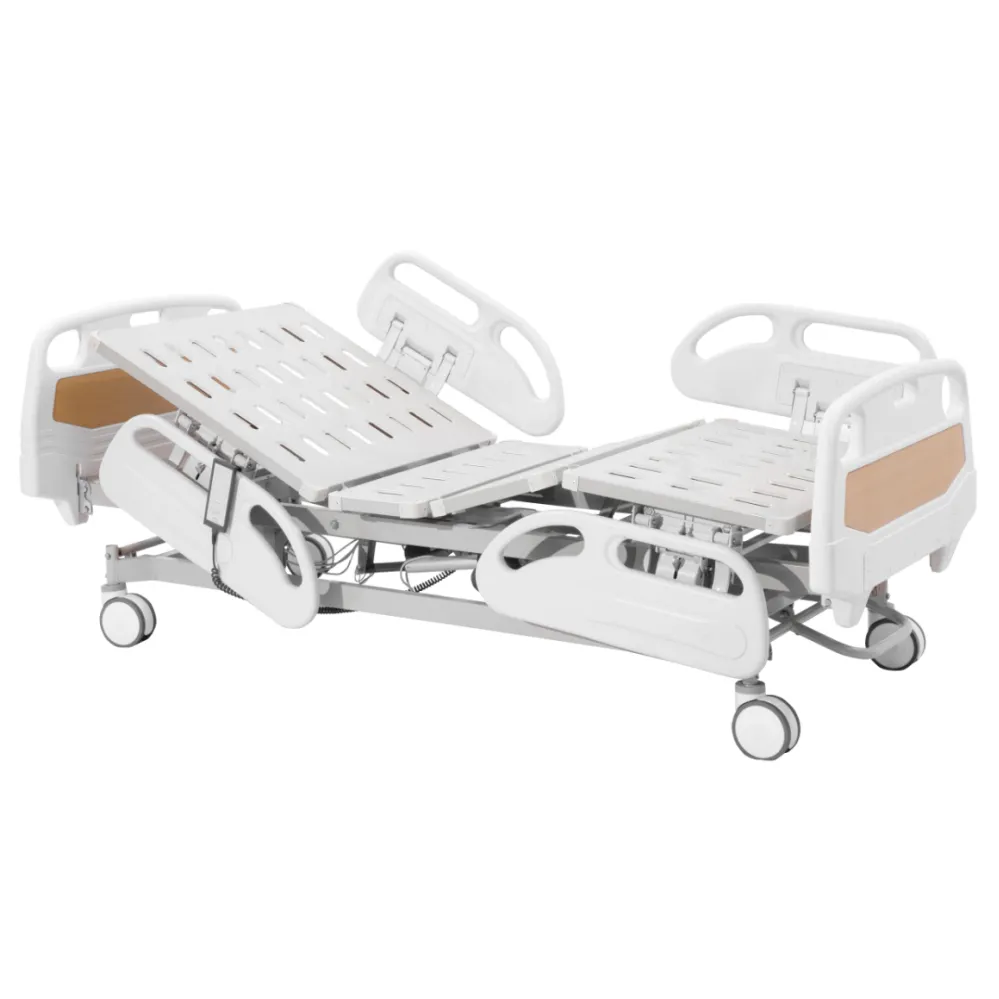
What are the key functions of an electrically adjustable hospital bed?
The functional design of an electrically adjustable hospital bed directly determines its value in patient care. The core functions are broken down one by one below:
1. Backrest Elevation
Backrest elevation is the most frequently used function; it assists patients in transitioning from a lying position to a seated position, facilitating:
•Relief from breathing difficulties
•Assistance with eating
•Prevention of gastroesophageal reflux
•Promotion of rehabilitation exercises
This feature offers precise angle control—something that standard hospital beds cannot achieve.
2. Leg Elevation
The leg elevation function allows for the adjustment of the angle from the knees down to the feet, serving to:
•Improve blood circulation in the lower limbs
•Reduce edema (swelling)
•Support post-operative recovery
•Alleviate discomfort caused by prolonged bed rest
For patients requiring long-term bed rest, the leg adjustment feature on an electric adjustable bed is absolutely vital.
3. Overall Height Adjustment
The significance of the overall height adjustment function lies in its ability to:
•Facilitate easier operation for medical staff
•Minimize bending and stooping during patient care
•Reduce the risk of occupational injuries for caregivers
•Make it easier for patients to get in and out of bed
In a home care setting, this function also significantly reduces the physical burden on caregivers.
4. Left/Right Tilting (Lateral Turning Function)
Advanced models of electric adjustable beds feature a lateral tilting capability, used to:
•Reduce the risk of bedsores (pressure ulcers)
•Assist with turning the patient over
•Aid in clearing respiratory secretions (phlegm)
•Support the daily care routine of patients requiring long-term bed rest
This function can significantly reduce the workload for medical staff.
5. Emergency Flat-Lying Function
To address sudden medical emergencies—such as a sudden drop in blood pressure or the onset of a coma—some electric adjustable beds offer a "one-touch flat-lying" function, which rapidly returns the bed frame to a clinically optimal, completely flat position.
6. Memory Function
Some electric adjustable beds are equipped with a memory mode that allows users to save their preferred bed angles for maximum comfort, enabling a quick return to that position with a single button press and thereby enhancing the overall user experience.
What Are the Advantages of an Electric Adjustable Bed?
Having explored the various functions of electric adjustable beds, let us now analyze their advantages from the perspectives of user experience and medical care.
1. Significantly Enhanced Patient Comfort
For individuals requiring long-term bed rest or those with limited mobility, maintaining a comfortable lying position is of paramount importance. Electric adjustable hospital beds allow for posture adjustments based on patient needs, thereby:
•Reducing muscle fatigue
•Relieving pressure points
•Improving sleep quality
This is one of the reasons why healthcare institutions are increasingly prioritizing electric adjustable beds.
2. Facilitating the Recovery Process
Appropriate positional adjustment provides significant benefits for post-operative recovery, respiratory function, and blood circulation.
3. Enhancing Nursing Efficiency
Caregivers can utilize electric controls to adjust the bed rather than manually moving the patient, thereby reducing physical exertion and minimizing operational risks.
4. Lowering the Incidence of Bedsores
Features such as lateral tilting and pressure-dispersing mattresses make electric adjustable beds ideal for patients requiring long-term bed rest.
5. Enhanced Safety
Design features—including anti-pinch mechanisms, side rails, and locking casters—significantly reduce the risk of falls and accidents.
6. Suitable for Both Home and Hospital Settings
Whether providing professional care in a hospital or long-term care in a home environment, electric adjustable beds are up to the task.
In Which Settings Can Electric Adjustable Hospital Beds Be Used?
The applications for electric adjustable beds are extensive, including:
•General Hospitals
•Rehabilitation Centers
•Long-Term Care Facilities
•Assisted Living Communities
•Home-based Long-Term Care
•In-home Postpartum Care
•Post-operative Recovery Environments
Regardless of the specific setting, electric adjustable beds hold a vital position among nursing equipment thanks to their automated adjustment capabilities and inherent safety features.
How Do Electric Adjustable Hospital Beds Differ from Standard Hospital Beds?
Users frequently ask: What exactly distinguishes an electric adjustable bed from a standard hospital bed?
The most significant differences include:
1. Method of Adjustment
•Standard hospital beds typically rely on manual crank operation.
•Electric adjustable beds allow for one-touch operation via a remote control.
2. Scope of Functionality
Standard hospital beds offer limited functionality, whereas electric adjustable beds allow for multi-segment adjustments to various parts of the bed.
3. Ease of Operation
Adjusting a standard hospital bed is often strenuous and time-consuming, whereas electric adjustable beds offer quick, effortless operation.
4. Enhanced Comfort
The electric system allows for finer, more precise adjustments, ensuring the patient's body position remains natural and comfortable.
5. Superior Safety
Standard hospital beds are prone to safety risks resulting from improper manual operation, whereas electric adjustable beds feature multiple layers of built-in safety protection.
What Nursing Challenges Can Electric Adjustable Beds Solve?
The most common challenges encountered by caregivers include:
•Difficulty turning patients over
•Difficulty helping patients sit up
•Circulatory issues in the lower limbs
•Muscle stiffness resulting from prolonged bed rest
•The physical exertion required to assist with sputum drainage
•A high risk of developing bedsores (pressure ulcers)
Through features such as multi-segment lifting, tilting, and automatic turning, electric adjustable beds can resolve these challenges one by one. For instance, the automatic lateral tilting function reduces the need for manual turning; back elevation assists patients in sitting up with ease; and leg elevation helps alleviate issues related to edema. These functions make the nursing process more scientific and safer.
Are Electric Adjustable Beds Suitable for Home Use?
The answer is a resounding yes.
With the growing popularity of home-based care, an increasing number of families are choosing electric adjustable beds for the following reasons:
•They significantly reduce the physical and emotional burden on family caregivers
•They improve the quality of life for the person being cared for
•They enhance patient autonomy (allowing patients to adjust the bed themselves)
•They lower the risk of accidents, such as accidental falls
Electric adjustable beds are highly suitable for the elderly, post-operative patients, individuals with limited mobility, and those requiring long-term bed rest.
Why Are Hospitals Increasingly Relying on Electric Adjustable Beds?
The intensity of care required in hospitals is far greater than in home settings, and the workload for nursing staff is immense. Consequently, the adoption of electric adjustable beds has become a growing trend, driven primarily by the following factors:
•They reduce the physical exertion required of medical staff
•They standardize nursing procedures
•They minimize work-related injuries caused by manual patient turning
•They enhance patient safety
•They offer high operational efficiency, making them well-suited for high-intensity care environments
Hospitals also place particular emphasis on the durability, safety, and level of automation offered by electric adjustable beds.
What Are the Key Features of the Adjustment Functions on Electric Adjustable Beds?
The adjustment functions on electric adjustable beds are not only diverse but also possess the following key characteristics:
•Precise Angle Control: For example, the backrest can be adjusted within a precise range of 0° to 75°.
•Smooth Movement: The bed adjusts smoothly, minimizing vibration or discomfort for the patient.
•Independent Multi-Motor Drive: Each section of the bed can be operated independently, offering greater flexibility.
•Intelligent Design: Modern features—such as one-touch positioning and position memory settings—make operation highly convenient.
These features make electric adjustable hospital beds highly valuable in medical applications.
Are electric adjustable hospital beds more suitable for patients who are bedridden for extended periods?
For patients who are bedridden for the long term, an electric adjustable hospital bed is virtually a necessity.
The reasons include:
•It reduces the risk of pressure ulcers (bedsores).
•It allows for changes in sleeping position, helping to prevent lung infections.
•It helps improve blood circulation.
•It makes it easier for patients to engage in daily activities, such as reading or watching television.
•It enables caregivers to more safely assist patients with turning over, eating, and personal hygiene.
For long-term bedridden patients, using a standard hospital bed can be not only uncomfortable but also potentially harmful; an electric adjustable hospital bed, however, can significantly improve their quality of life.
What certifications does Yikang Medical hold to ensure product quality?
Yikang Medical is committed to providing high-quality medical equipment that meets international standards. Our company has obtained multiple certifications, including ISO 13485 for medical device quality management systems, ISO 9001 for general quality management systems, as well as CE and FDA certifications to ensure compliance with global market regulations. These certifications demonstrate that our manufacturing facility adheres to rigorous production and inspection processes at every stage.