
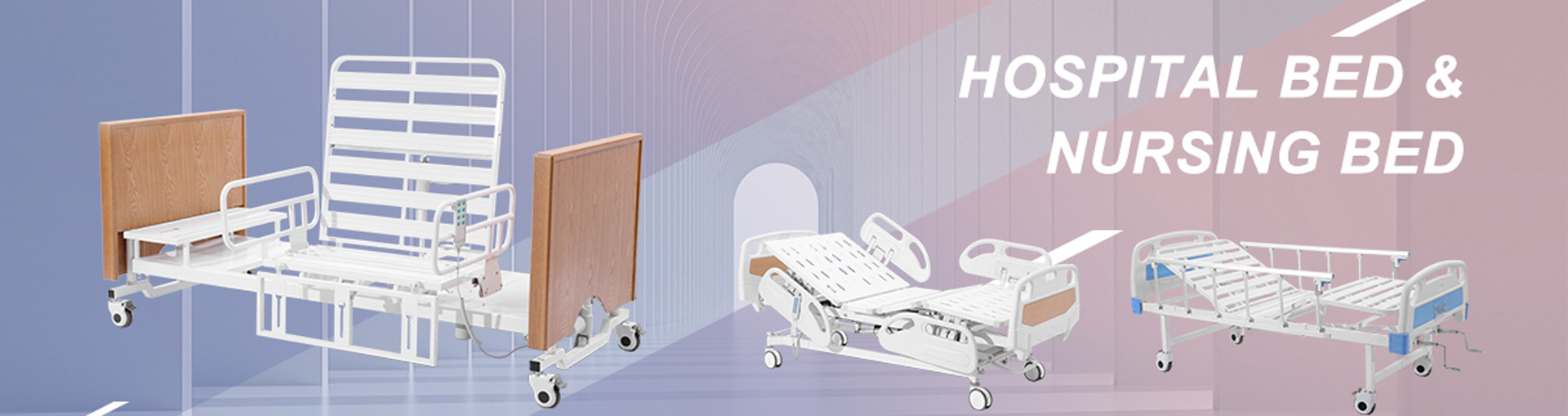
In modern medical care and home rehabilitation, adjustable hospital beds are gradually becoming an indispensable piece of equipment. For patients who are bedridden for extended periods, recovering from surgery, or requiring elderly care, a scientifically designed and fully functional adjustable hospital bed can not only improve comfort but also promote recovery to a certain extent.
This article will focus on the core question of "which patients are suitable for adjustable hospital beds," providing a systematic analysis from a professional medical and nursing perspective to help readers gain a deeper understanding of the applicable population, functional value, and significance of adjustable hospital beds.
What is an Adjustable Hospital Bed? How Does It Differ from a Regular Bed?
Before understanding "which patients are suitable for adjustable hospital beds," we need to first understand what an adjustable hospital bed is.
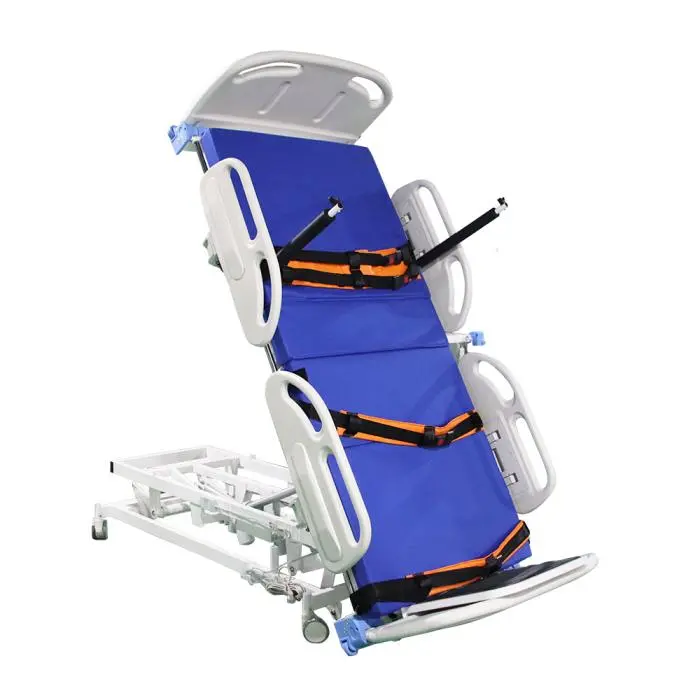
An adjustable hospital bed, also known as a multi-functional medical care bed or an electric hospital bed, is a medical device specifically designed for patients. Its core feature is that the bed can be adjusted to different angles or heights as needed to meet the patient's various needs, such as rest, eating, turning over, and rehabilitation training.
Compared to ordinary home beds, adjustable hospital beds have the following significant differences:
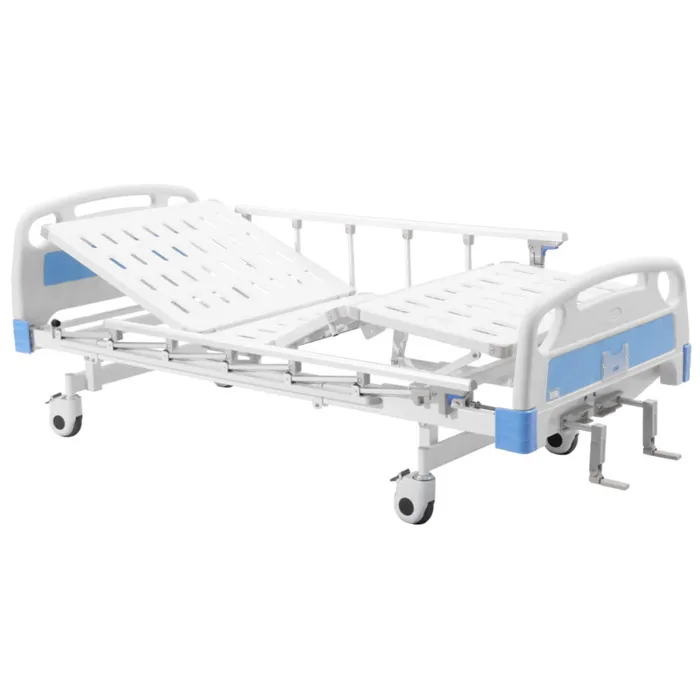
• Versatile Functionality: Adjustable beds allow for height adjustment of the backrest, legs, and overall height, supporting multi-angle adjustments.
• Enhanced Safety: Equipped with guardrails, an anti-slip system, and brakes, effectively preventing falls.
• Convenient Care: The adjustable bed height facilitates daily care by nursing staff.
• Strong Medical Compatibility: Can be used with medical equipment such as IV stands, air mattresses, and oxygen stands.
Therefore, an adjustable hospital bed is not just a bed, but a complete home healthcare support system.
Why are more and more patients needing adjustable hospital beds?
The design purpose of adjustable hospital beds is to reduce patient suffering, decrease the workload of nursing staff, and improve the safety of home rehabilitation.
1. Improved Posture and Reduced Body Pressure
Patients who are bedridden for extended periods are prone to bedsores, muscle stiffness, and poor blood circulation. Adjustable hospital beds allow patients to change positions regularly by adjusting their angle, reducing body pressure.
2. Facilitates Rehabilitation and Daily Activities
Adjustable beds allow patients to easily sit up or semi-recline, which is especially helpful for post-operative recovery and patients with respiratory diseases.
3. Facilitates Nursing Procedures
Caregivers can adjust the bed height or angle as needed, avoiding back injuries caused by prolonged bending.
4. Enhances Patient Psychological Comfort
Patients can easily adjust their posture, enhancing their sense of self-control and reducing psychological dependence and anxiety.
These advantages make adjustable beds an important piece of equipment in home care, rehabilitation care, and chronic disease care.
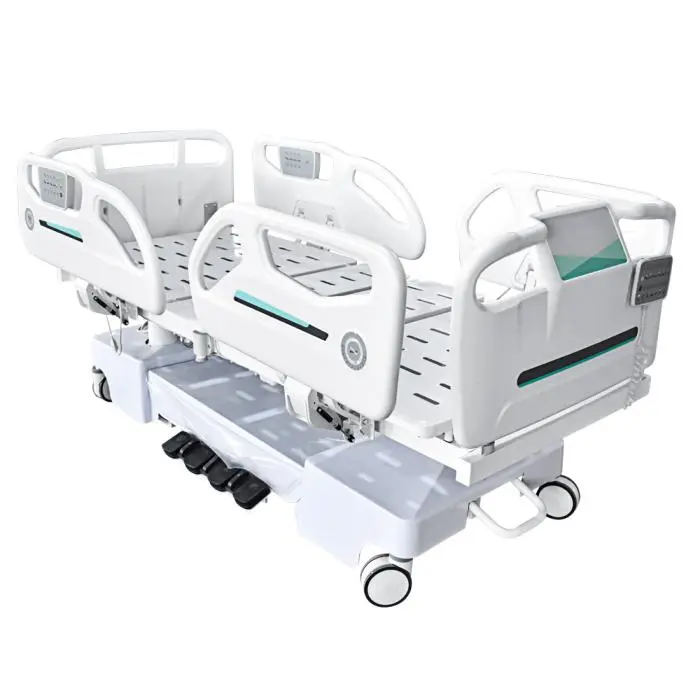
Which Types of Patients Are Suitable for Adjustable Beds?
Different types of patients have different needs for nursing beds. The following are some patient groups most suitable for using adjustable beds:
1. Post-operative Rehabilitation Patients
Post-operative patients, especially those who have undergone orthopedic, cardiac, or abdominal surgery, often need to maintain a specific position.
Adjustable hospital beds can help patients adjust their posture without affecting wound healing, for example:
• Elevate the back to 30°-45° to reduce abdominal pressure;
• Adjust the height of the lower limbs to promote venous return and prevent thrombosis;
• Facilitate postoperative care procedures such as eating, coughing up phlegm, and changing dressings.
2. Stroke or Hemiplegic Patients
Stroke patients often experience hemiplegia or mobility impairments, making it difficult for them to sit up or turn over independently.
Adjustable hospital beds can assist patients through electric controls to:
• Semi-recumbent or sit up, preventing airway obstruction;
• Change posture to prevent bedsores;
• Assist rehabilitation training, such as sitting-up exercises and passive movements.
3. Chronic Disease and Long-Term Bedridden Patients
Patients with chronic diseases who are bedridden for extended periods, such as those with Parkinson's disease, diabetes, rheumatoid arthritis, or chronic heart failure, require continuous care.
Adjustable hospital beds can:
• Improve comfort;
• Reduce the difficulty of care;
• Prevent muscle atrophy and circulatory disorders.
4. Elderly or those with limited mobility
As people age, the elderly often experience joint stiffness, slow movement, and difficulty getting up.
Adjustable hospital beds allow the elderly to:
• Sit up independently to eat or read;
• Easily get in and out of bed using the bed's height adjustment function;
• Improve sleep quality and reduce the risk of falls.
5. Patients with respiratory diseases
Patients with COPD, asthma, pulmonary heart disease, etc., are prone to breathing difficulties when lying flat.
The semi-recumbent function of adjustable hospital beds can effectively alleviate respiratory burden, improve gas exchange, and increase oxygenation efficiency.
6. Patients with digestive system problems or gastroesophageal reflux
For patients with gastroesophageal reflux or indigestion, maintaining a certain upper body elevation angle can prevent acid reflux and reduce discomfort. The backrest height adjustment function of adjustable hospital beds perfectly meets this need.
7. Pregnant women and post-operative women
Women in late pregnancy or after a cesarean section often need to change positions to reduce pressure on their lower back.
Adjustable hospital beds provide comfortable support angles, aiding in recovery and breastfeeding.
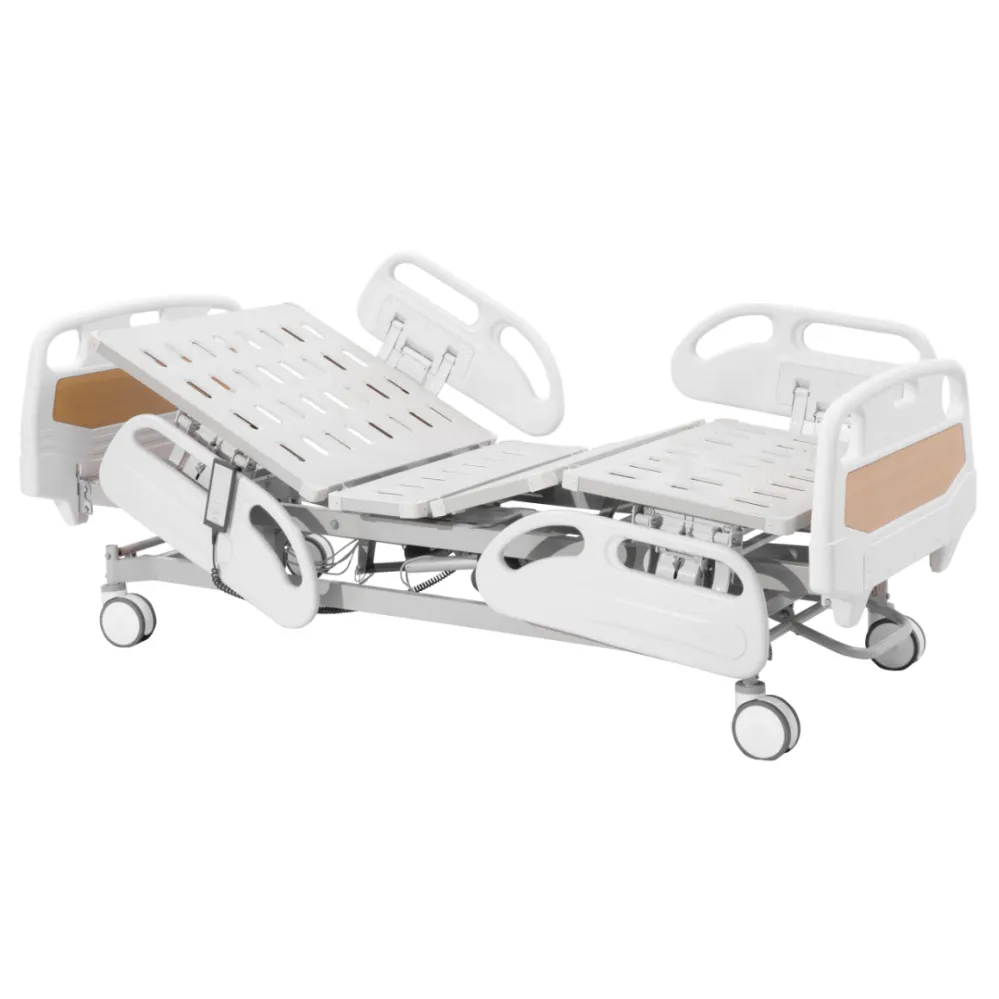
What are the main benefits of adjustable hospital beds for different patients?
Depending on their condition, adjustable hospital beds play a significant role in the following aspects:
1. Prevention of Complications
Regularly adjusting posture helps prevent common bedridden complications such as bedsores, lung infections, and deep vein thrombosis.
2. Improved Rehabilitation Efficiency
For postoperative and chronically ill patients, appropriate positioning promotes blood circulation and metabolism, thereby shortening the recovery period.
3. Improved Respiratory and Digestive Function
Semi-recumbent and sitting positions effectively alleviate breathing difficulties and prevent food aspiration.
4. Reduced Nursing Burden
Electrically controlled systems allow caregivers to easily perform operations such as turning, raising, and moving patients, reducing the intensity of care.
5. Improved Psychological State and Quality of Life
Patients can adjust their bed position remotely, enhancing their independence and self-esteem, and boosting their confidence in recovery.
Why can't ordinary hospital beds replace adjustable hospital beds?
Many families use regular beds or wooden plank beds for initial care, but as the patient's condition changes, these beds often become inadequate.
1. Regular beds have a fixed angle, making it impossible to accommodate changes in patient posture
Regular beds only allow for lying flat, preventing patients from comfortably sitting up or raising their legs, which can easily lead to discomfort and poor blood circulation.
2. Lack of fall guardrails poses a safety hazard
Elderly patients and stroke patients are prone to falls when turning over or getting up, posing a significant risk.
3. Inconvenience for caregivers
Regular beds have a fixed height, requiring caregivers to bend over, which can easily cause strain over time.
4. Incompatibility with medical equipment
Adjustable beds can be used with medical devices, while regular beds cannot accommodate oxygen stands or IV stands, limiting the professionalism of home care.
How to choose a suitable adjustable bed based on the patient's condition?
Choosing a suitable adjustable bed should be based on the patient's physical condition and usage needs. The following points deserve close consideration:
1. Control Method: Electric vs. Manual
• Electric Adjustable Bed: Easy to operate, suitable for the elderly and patients with limited mobility.
• Manual Adjustable Bed: Simple structure, cost-effective, suitable for families where caregivers can assist with operation.
2. Number of Adjustable Functions
Optional features include:
• Dual-function bed: Back and leg adjustment;
• Triple-function bed: Adds height adjustment;
• Multi-functional bed: Supports turning over, pressure ulcer prevention, and position memory.
3. Weight Capacity and Size
Choose a bed structure that matches the patient's weight to avoid safety hazards.
4. Material and Cleaning
Recommended materials: Stainless steel or coated carbon steel, corrosion-resistant, easy to clean, and hygienic.
5. Mattress Compatibility
Use with an anti-pressure ulcer air mattress or a high-density foam mattress to improve comfort and prevent pressure sores.
What are the benefits of adjustable beds in home care?
Home care emphasizes "safety, comfort, and efficiency." Adjustable hospital beds are an important tool for achieving this goal.
• Enhanced patient safety: Stable bed frame and safety rails reduce the risk of falls and bed falls.
• Increased nursing efficiency: Automatic adjustment reduces manual operation.
• Promoted patient recovery: Proper positioning helps blood circulation and metabolism.
• Improved psychological state: Patients can control their position, enhancing their self-confidence.
• Reduced long-term costs: Avoids readmissions or complications due to improper care.
What precautions should be taken when using an adjustable hospital bed?
To ensure the safe and effective use of adjustable hospital beds, the following principles should be followed in home care:
• Regularly check the mechanical and electrical systems to ensure stable lifting function.
• Lock the wheels during use to prevent accidents caused by movement.
• Avoid overloading to prevent bed frame deformation or breakage.
• Keep the bed clean and dry to prevent bacterial growth.
• Familiarize yourself with the remote control operation to prevent accidental activation and injury.
How does Yikang Medical support customized hospital equipment?
Yikang Medical specializes in providing customized hospital and rehabilitation equipment, including hospital beds, nursing beds, wheelchairs, walkers, crutches, shower chairs, and toilet chairs. Founded in 2010 in Foshan, China, and expanded in 2014 to hospital equipment, we act as an OEM supplier for major brands, ensuring products meet specific client needs.
Customization options include product design, color, configuration, and functional features. Our factory adheres to strict quality standards and holds ISO13485, ISO9001, CE, and FDA certifications.