
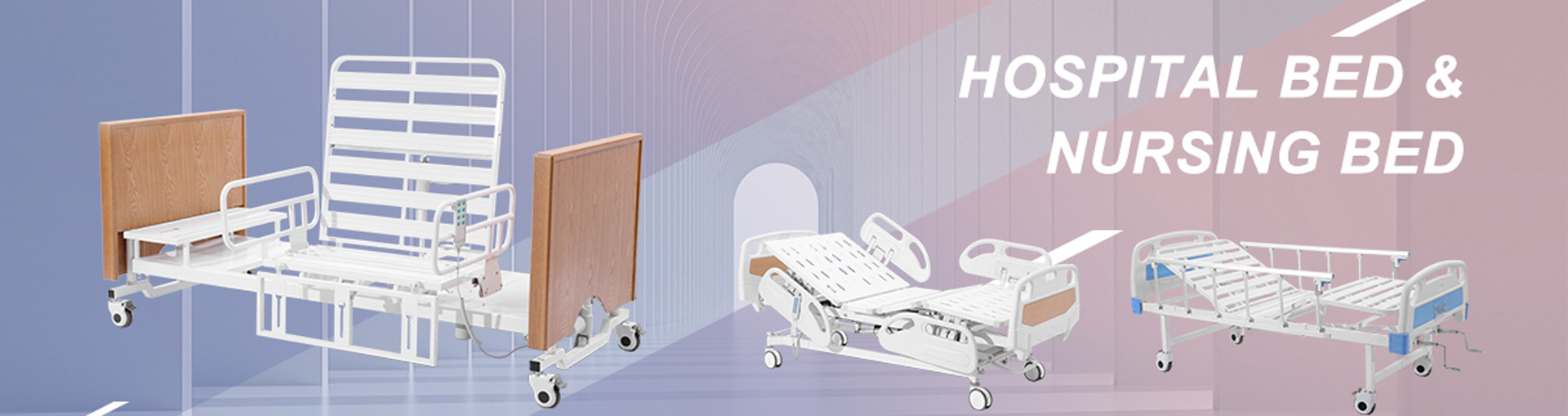
With the increasing aging of the population, the quality of life and safety of care for the elderly are receiving more and more attention. In daily care, many families have this question: Do doctors recommend adjustable hospital beds for the elderly? What are the advantages of using such beds?
The answer is: the vast majority of doctors recommend adjustable hospital beds for the elderly.
This is because adjustable hospital beds not only allow the elderly to enjoy a near-hospital-level care experience at home, but also provide great convenience and safety in daily life.
For the elderly with declining physical function, limited mobility, or chronic diseases, these beds offer significant advantages in terms of care, rest, and rehabilitation.
This article will systematically analyze from a medical and nursing perspective why doctors recommend adjustable hospital beds, which elderly people they are suitable for, their advantages, and precautions to take when purchasing and using them.
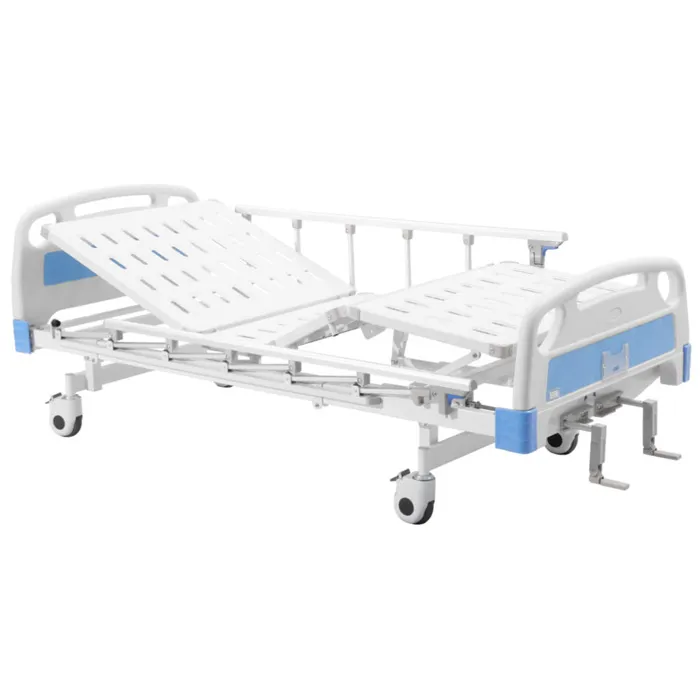
Why Do Doctors Recommend Adjustable Hospital Beds for the Elderly?
In modern medical and nursing concepts, doctors increasingly value the quality of life and home care safety for elderly patients, and adjustable hospital beds are an important tool for achieving these two goals.
1. Improved Comfort for Seniors
The primary reason doctors recommend adjustable hospital beds is their significant improvement in the daily rest experience for seniors.
As people age, they often experience spinal degeneration, slower blood circulation, and muscle stiffness. The fixed surface design of ordinary beds cannot meet these physical needs.
Adjustable hospital beds allow seniors to adjust their posture according to their comfort level by adjusting the backrest angle, leg height, and bed height, thereby alleviating discomfort.
2. Reduced Risk of Falls and Accidents
Falls are one of the most common and dangerous accidents among seniors. Doctors recommend adjustable hospital beds because they are equipped with guardrails and adjustable height, effectively preventing seniors from falling out of bed at night or when getting up.
3. Facilitated Daily Care and Medical Support
Caring for seniors with limited mobility is often very difficult for family members. Adjustable hospital beds, with their height adjustment function, help caregivers adjust to a suitable operating height, reducing the burden of bending over or moving the elderly, protecting the safety of the senior and reducing the physical strain on caregivers.
4. Facilitates Rehabilitation and Disease Management
Many doctors recommend adjustable hospital beds based on the patient's condition (e.g., stroke, heart disease, post-operative recovery).
This is because proper positioning can promote blood circulation, improve respiratory function, and reduce pressure sores, which is extremely beneficial for disease recovery.
In summary, doctors recommend adjustable hospital beds not to "increase equipment usage," but based on a comprehensive consideration of safety, rehabilitation, and comfort.
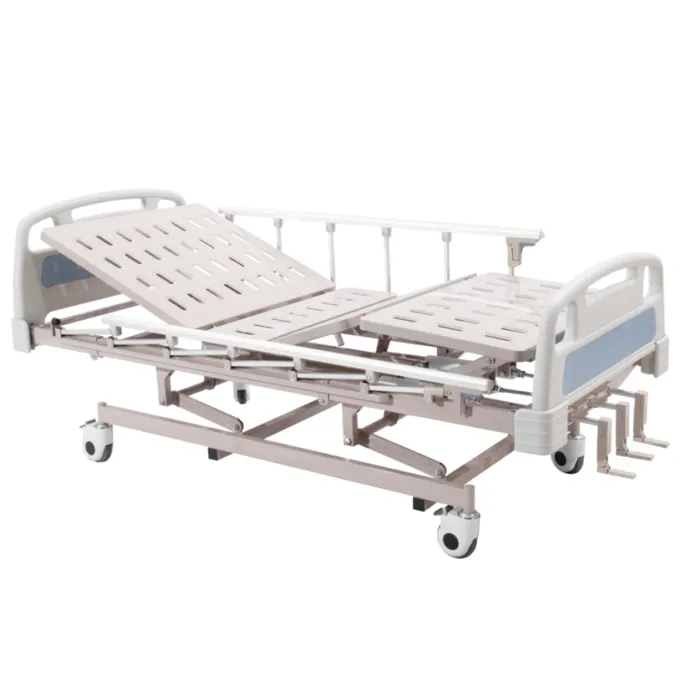
Which elderly people are suitable for adjustable hospital beds?
While adjustable hospital beds are designed for the elderly, not everyone needs them. The needs of elderly people with different physical conditions and lifestyles vary. Below are some categories of elderly people for whom doctors generally recommend using adjustable hospital beds:
1. Elderly people with limited mobility or who are bedridden
For elderly people who are bedridden for extended periods, have stiff joints, or weak muscles, adjustable hospital beds can help them easily change positions, reduce the risk of pressure sores, and improve comfort.
2. Elderly people in the post-operative recovery period
After surgery, some elderly people are weak or in pain and have difficulty sitting up independently. Adjustable hospital beds allow patients to electrically raise their upper body or lower limbs, reducing pain and fatigue.
3. Elderly patients with cardiopulmonary diseases
The backrest adjustment function of adjustable hospital beds can help the elderly maintain a semi-recumbent position, promoting smooth breathing and reducing the burden on the heart, which is especially beneficial for patients with chronic obstructive pulmonary disease or heart failure.
4. Stroke or hemiplegic patients
These elderly patients often need frequent turning to prevent pressure sores and require assistance with sitting up, eating, or rehabilitation exercises. Adjustable hospital beds provide multi-angle support, making care safer and more scientific.
5. Patients with lumbar spine and joint diseases
For elderly patients with lumbar disc herniation, osteoporosis, or arthritis, appropriate angle adjustment can effectively relieve pain and stiffness.
Doctors recommend adjustable hospital beds for these elderly patients because they not only improve their quality of life but also largely prevent nursing complications.
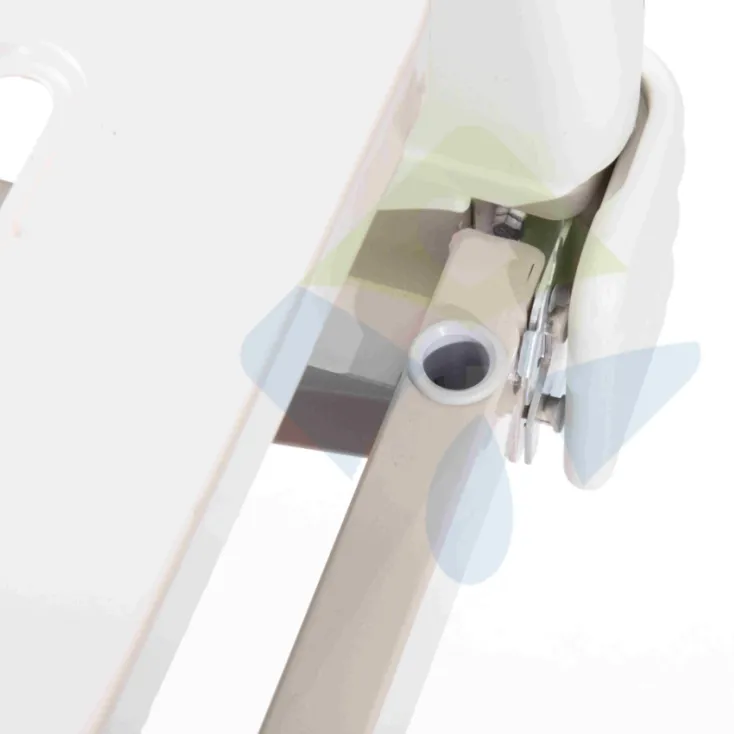
What are the significant advantages of adjustable hospital beds?
The greatest value of adjustable hospital beds lies in achieving a balance between care and comfort through scientific design. Its advantages can be understood from four perspectives: functionality, humanization, safety, and nursing efficiency.
1. High Functionality, Meeting Multiple Posture Needs
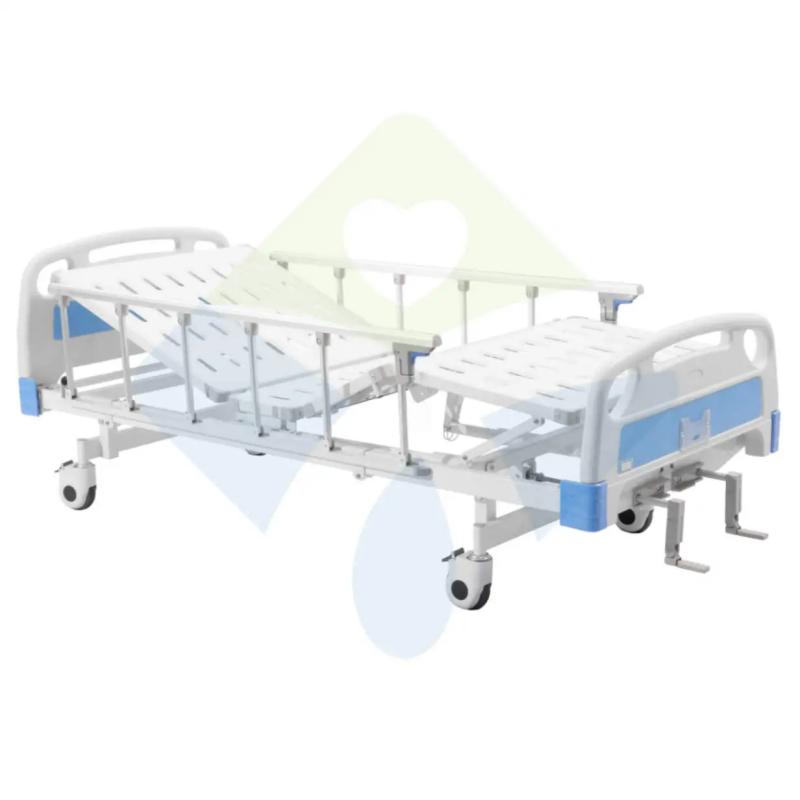
Adjustable beds typically have functions such as backrest lifting, leg raising, and bed height adjustment.
Elderly people can easily adjust to sitting, semi-reclining, supine, or leg-raised positions, promoting blood circulation, improving breathing quality, and reducing muscle stiffness.
2. Convenient Operation, Easy for Both the Elderly and Family Members to Use
Most adjustable beds use an electric remote control system; various posture adjustments can be completed simply by pressing a button. For the elderly, posture adjustments can be made without getting up; for family members, the care process is easier and safer.
3. Improved Nursing Efficiency and Reduced Caregiver Stress
Traditional bed care requires repeated bending, moving, or supporting the patient, which is very strenuous. The height adjustment function of adjustable beds allows caregivers to perform tasks such as feeding, wiping, and turning the patient while standing, greatly reducing physical burden.
4. Prevention of Pressure Sores and Respiratory Problems
Elderly people who are bedridden for extended periods are prone to pressure sores and breathing difficulties. Adjustable hospital beds can effectively improve local blood circulation and reduce tissue pressure time by adjusting the lying angle and body position, thus preventing bedsores and breathing difficulties.
5. Enhancing the Self-Care Ability and Dignity of the Elderly
For some elderly people in good physical condition, the assisted sitting function of adjustable hospital beds allows them to get up or get out of bed independently, reducing dependence on others and enhancing self-confidence and a sense of dignity.
6. Safety Design to Prevent Accidents
Adjustable hospital beds are usually equipped with guardrails, locking casters, and emergency power-off protection systems to prevent slippage and electrical malfunctions, ensuring safe use.
These advantages are key reasons why doctors recommend adjustable hospital beds for the elderly.
Adjustable Hospital Beds: How Do Doctors Assess Needs?
When recommending adjustable hospital beds to patients or the elderly, doctors will comprehensively assess their physical condition, care environment, and daily needs. Understanding the bed's features helps families choose the most suitable model.
During the assessment, doctors typically consider:
• Whether the elderly person has difficulty turning over or has been bedridden for an extended period;
• Whether they have cardiopulmonary disease or circulatory system disorders;
• Whether the home caregiver is capable of providing independent care;
• Whether the room space is suitable for an adjustable hospital bed.
Only after a comprehensive assessment will the doctor recommend the most suitable bed model and configuration.
What precautions should be taken when using an adjustable hospital bed at home?
When recommending an adjustable hospital bed, doctors often remind families to use it correctly to ensure safety and extend the lifespan of the equipment.
1. Regularly check the electric system
The remote control, motor, and wiring should be checked monthly to ensure they are functioning properly and to prevent short circuits caused by aging or damp environments.
2. Control the load
Each adjustable hospital bed has a maximum weight limit, generally 150-250 kg. Multiple people should avoid sitting or lying in the bed simultaneously.
3. Use the guardrails properly
Use the guardrails at night to prevent slipping, but lower them before getting in and out of bed to prevent the elderly person from bumping into them.
4. Maintain Cleanliness and Disinfection
Regularly clean the mattress and bed frame, ensuring ventilation to prevent bacterial growth.
5. Pay Attention to Posture Adjustment Intervals During Use
Avoid maintaining the same position for extended periods. It is recommended to adjust your posture every 2 hours to promote circulation.
6. Avoid Accidental Operation and Children's Play
Keep the remote control away from children to prevent accidental damage or injury.
Proper use and maintenance make adjustable hospital beds safer, more durable, and truly fulfill their nursing function.
Key Reasons Doctors Recommend Adjustable Hospital Beds
Based on the analysis above, we can conclude that the main reasons doctors recommend adjustable hospital beds are as follows:
1. Improve the comfort and sleep quality of the elderly;
2. Reduce the difficulty of care and the risk of accidents;
3. Promote blood circulation and respiratory function;
4. Prevent complications such as bedsores and muscle atrophy;
5. Aid postoperative or chronic disease patients in recovery;
6. Enhance the elderly's self-care ability and mental health.
These six reasons not only illustrate the professional considerations of doctors but also reflect the important role of adjustable hospital beds in humanistic medical care.
The Economic and Family Value of Adjustable Hospital Beds
From a home care perspective, adjustable hospital beds are not just medical devices, but also a long-term care investment.
• Save on long-term hospitalization costs: Home care can replace some hospital care, reducing financial burden.
• Enhance family well-being: Seniors can rest better, family caregivers can be more relaxed, and the living environment is more harmonious.
• Extend equipment lifespan: High-quality adjustable hospital beds can be used for many years and are suitable for different stages of care.
Therefore, from both an economic and quality-of-life perspective, adjustable hospital beds recommended by doctors are definitely worth considering for families.

Adjustable Hospital Beds: A Joint Choice for Doctors and Families
—Would doctors recommend adjustable hospital beds for the elderly?
The answer is very clear: Yes, and it is a scientific, safe, and reasonable choice.
Doctors recommend adjustable hospital beds not simply for "comfort," but based on a comprehensive judgment of medical care, safety, and rehabilitation needs.
For the elderly, an adjustable hospital bed is not just a bed, but an important support for safeguarding health and dignity.
It makes rest safer, care less strenuous, and home care more professional.
Therefore, if you have an elderly family member facing mobility issues or chronic health problems, consider consulting your doctor and choosing a suitable adjustable hospital bed.
This is not only a responsible investment in the health of the elderly but also the best investment in family happiness.