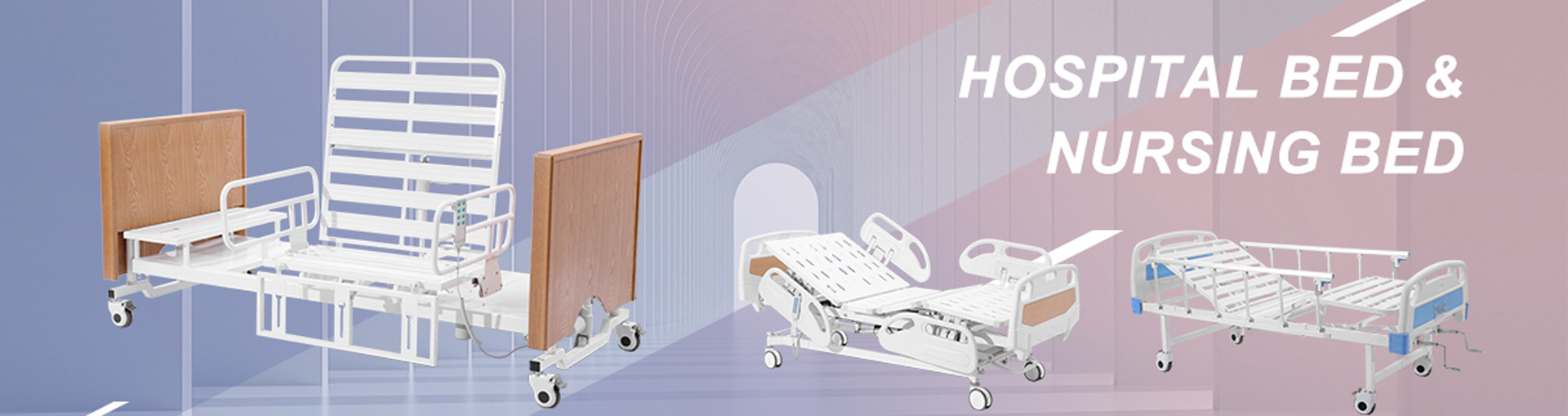
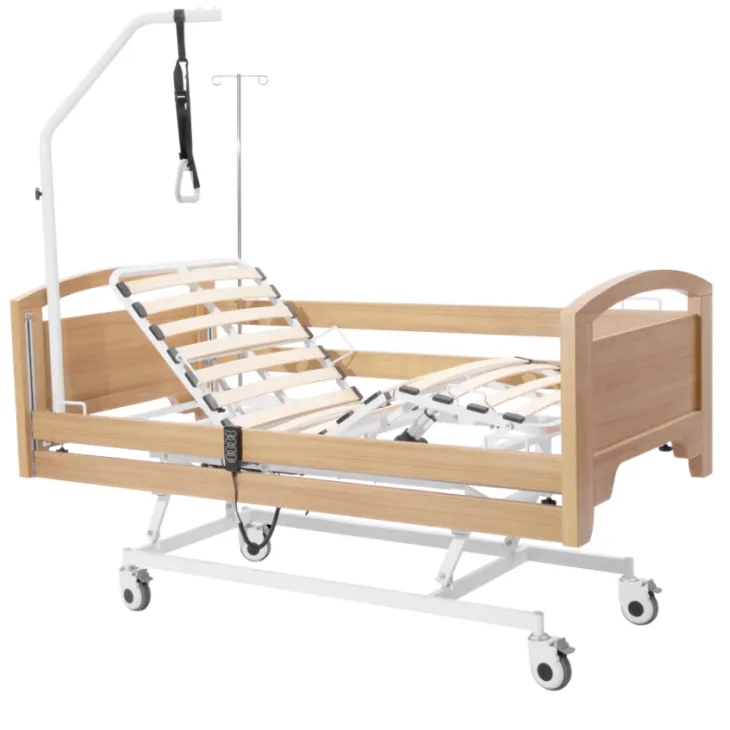
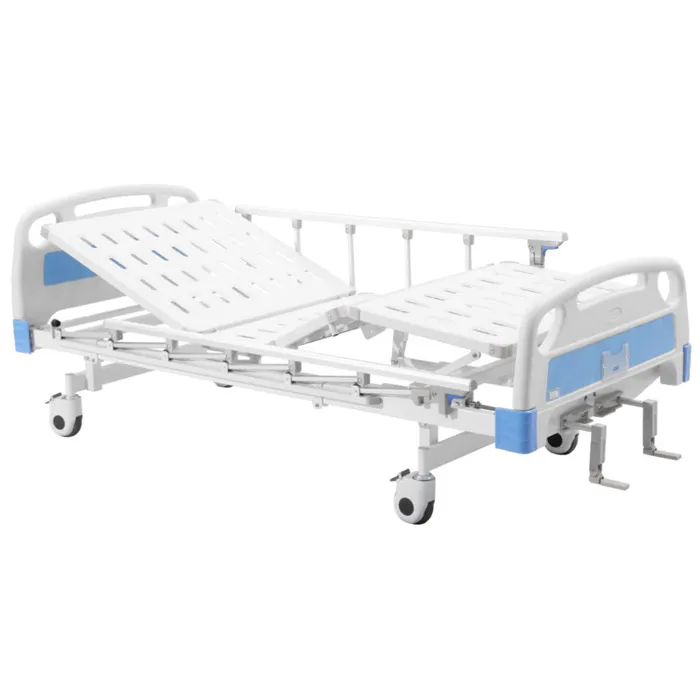
From a professional nursing perspective, a regular bed cannot replace a home care bed.
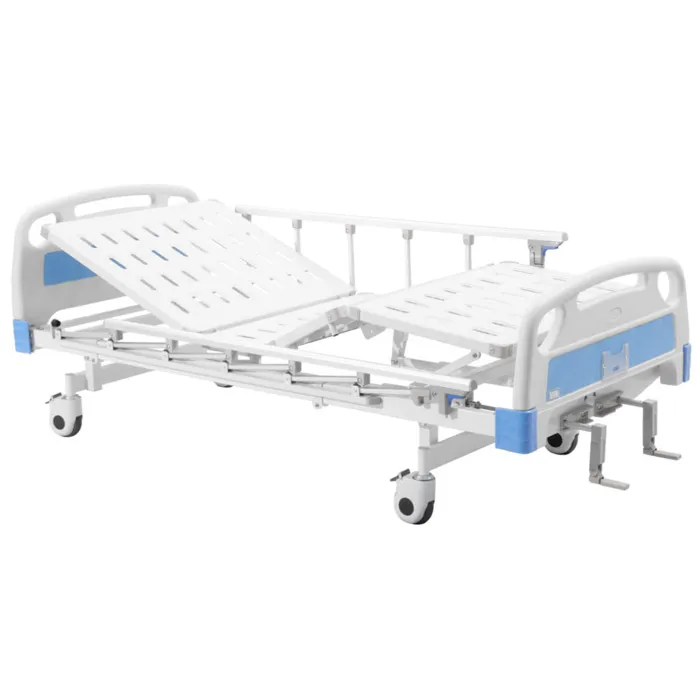
A regular bed is simply ordinary furniture for rest, while a home care bed is a professional device with medical and nursing functions.
If you use your electric wheelchair for extended periods each day (e.g., more than 2 hours), daily charging is recommended.
If you only use it for short periods (e.g., several times a week), charging every 2–3 days is sufficient.
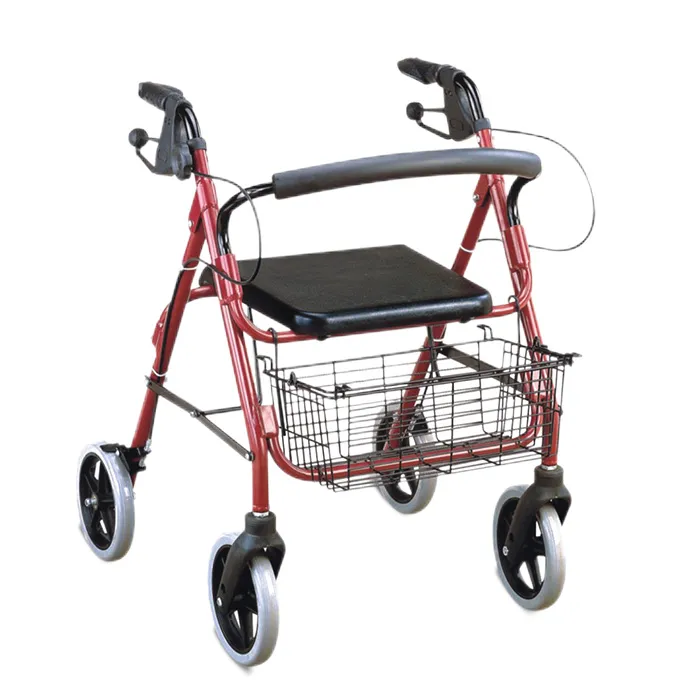
• A 4-wheel rollator is an assistive device that allows users to "stand and walk."
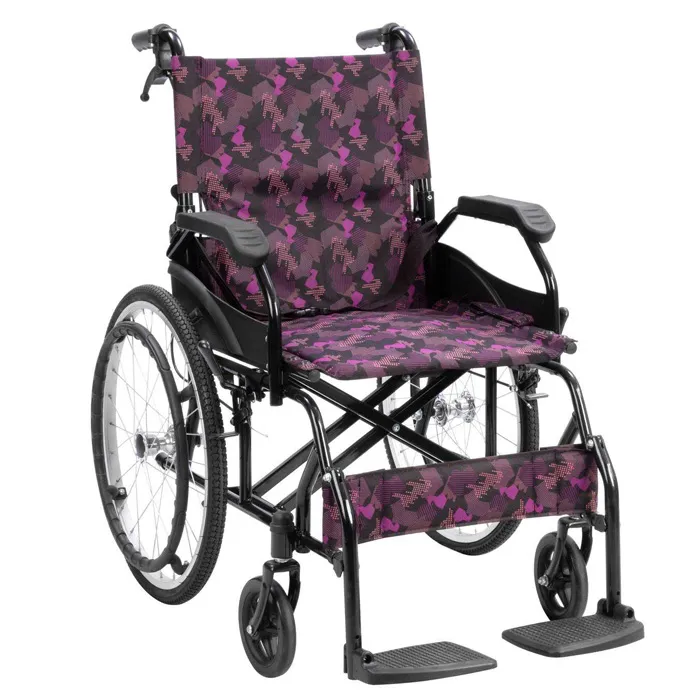
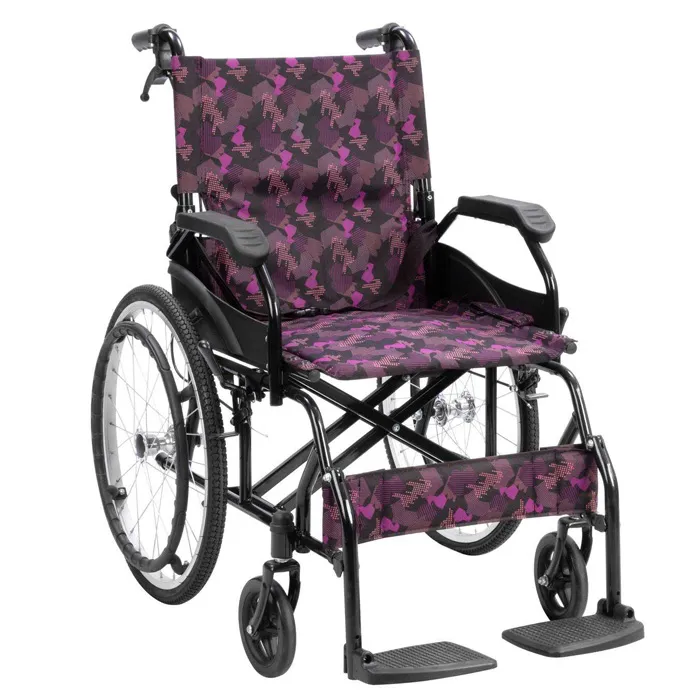
• A wheelchair is a mobility aid that allows users to "sit and be pushed or self-propelled."
In other words, a 4-wheel rollator requires the user to have a certain level of standing and walking ability, while a wheelchair is suitable for people who cannot walk or are not suitable for standing for extended periods.
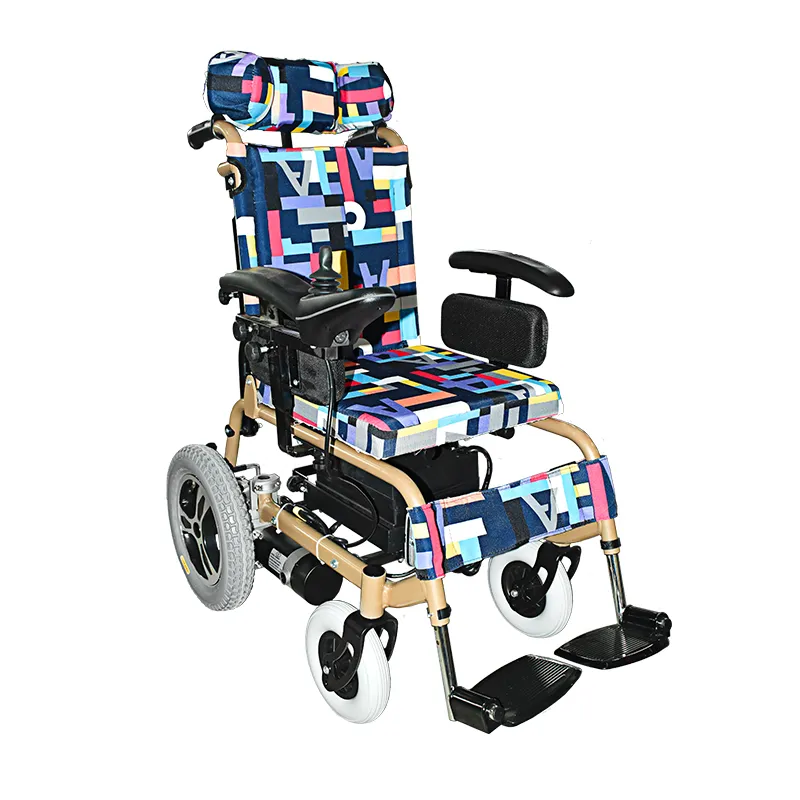
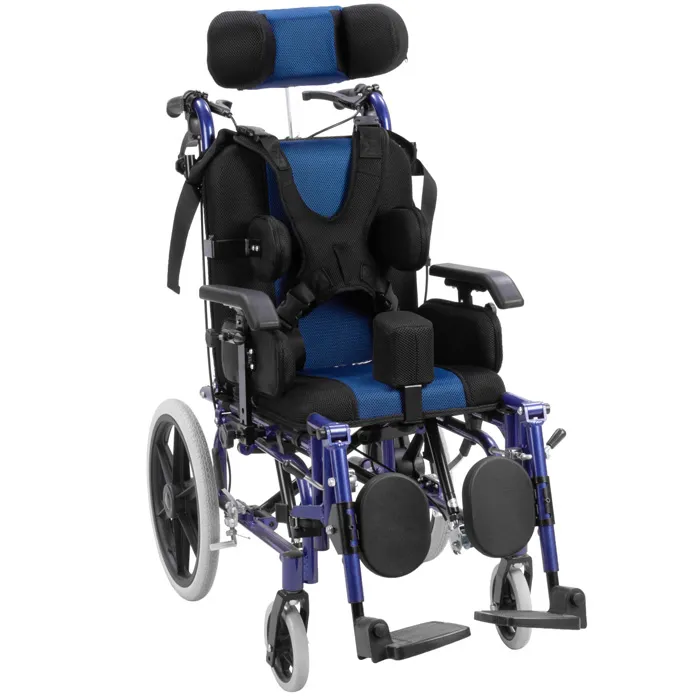
The vast majority of children's cerebral palsy wheelchairs not only have seat belts, but they are often one of their core components. However, it's important to note that the "seat belt" on a children's cerebral palsy wheelchair is not the same as a seat belt on a regular wheelchair or other vehicle.
Home care hospital beds are not only legal to purchase, but also easy to operate and safe and reliable, allowing you to create a rehabilitation space similar to a hospital at home. It is both a "rest support" for the patient and a "nursing assistant" for family members.
• If the elderly person has good physical strength and only partially limited mobility → a manual wheelchair is more suitable;
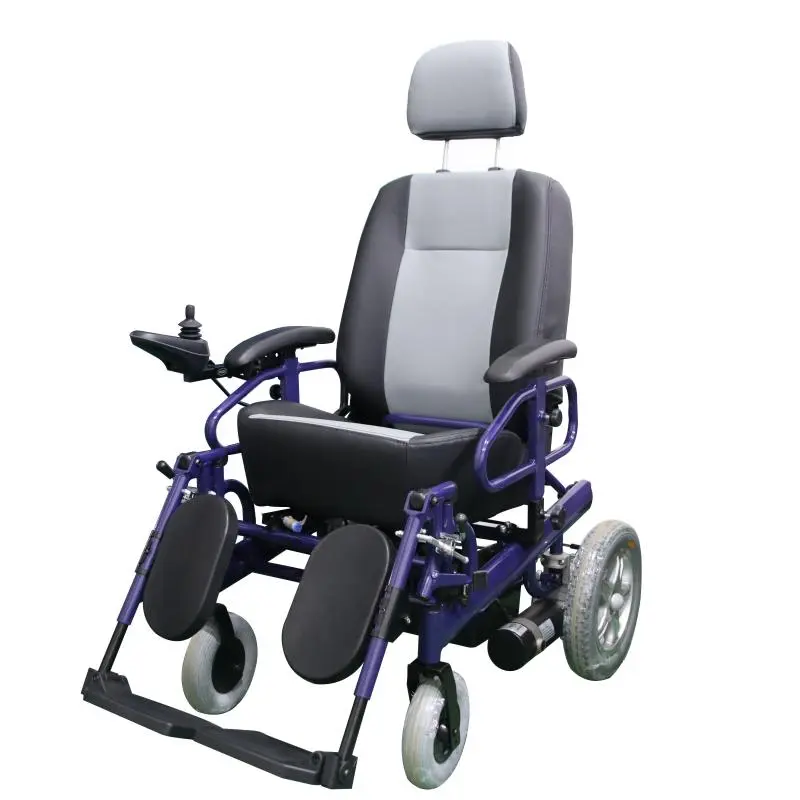
• If the elderly person has insufficient muscle strength, needs to go out frequently, or requires long-term use → an electric wheelchair is more ideal.
Decreased balance is a major reason why many people start using a rollator.
If you frequently rely on walls, furniture, or others to maintain balance, then using a rollator is very necessary.
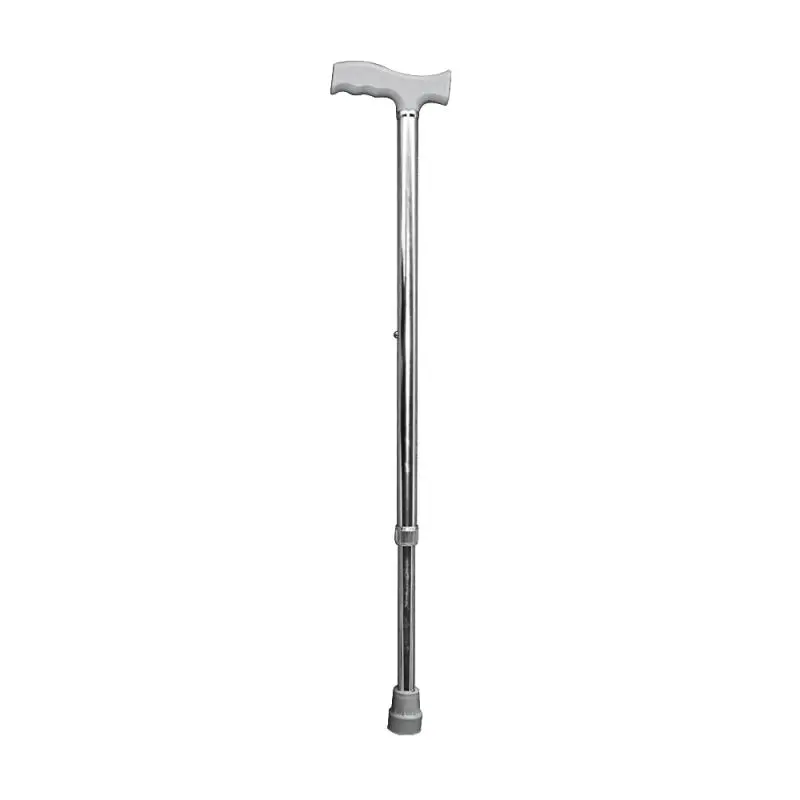
Because some older adults need to use walking sticks not because they cannot walk, but because their bodies need extra support and stability during walking. Walking sticks help elderly people maintain their independence in walking while reducing physical strain and walking risks by distributing weight, improving balance, and enhancing safety.
Post-operative patients, especially those who have undergone orthopedic, cardiac, or abdominal surgery, often need to maintain a specific position.
Adjustable hospital beds can help patients adjust their posture without affecting wound healing.
Under normal circumstances, a standard electric wheelchair can travel an average of 10 to 20 miles (approximately 16 to 32 kilometers) on a full charge.
High-performance or long-range electric wheelchairs, equipped with larger capacity lithium batteries, can even achieve a range of over 25 miles (approximately 40 kilometers).