
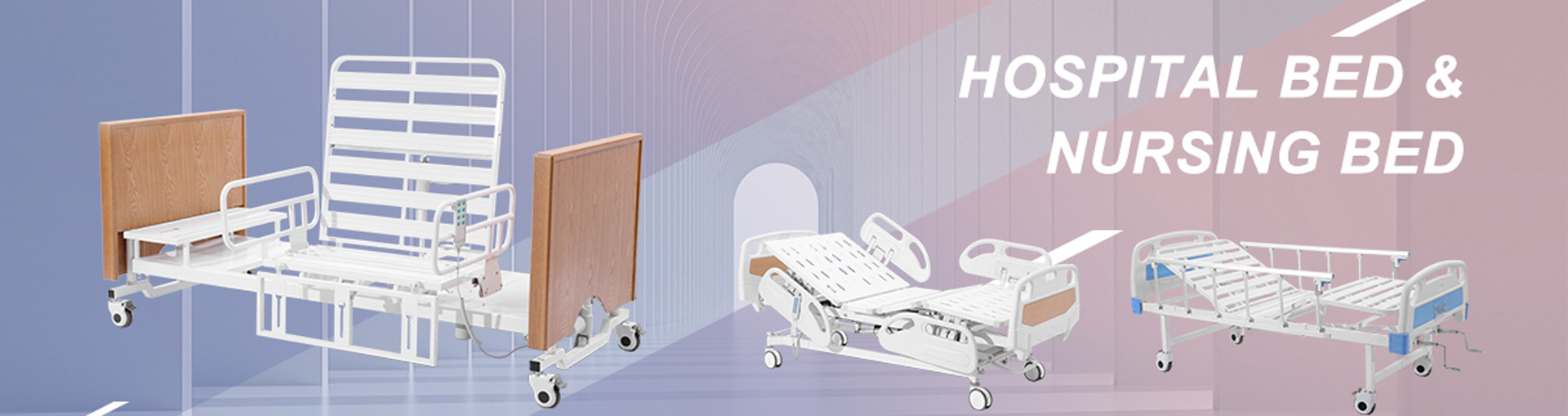
In daily life, people often see elderly people using walking sticks. For many, a walking stick seems to be merely an "aid for when walking is difficult," but from a professional perspective, walking sticks have a clear and important functional role in the mobility support system for the elderly.
Not all elderly people need to use walking sticks, and it's not only those who "can't walk" who use them. In fact, a walking stick is an assistive device that helps elderly people maintain balance, distribute body weight, and improve walking safety and stability.
As physical functions change, some elderly people gradually find that walking on their own two legs is no longer as easy as it was when they were younger, and this is where walking sticks play a crucial role.
This article will systematically analyze the question of "why some elderly people use walking sticks" from multiple perspectives, including changes in physical function, balance ability, weight distribution, walking safety, and the professional role of walking sticks, to help readers fully understand the significance of walking sticks in the daily activities of the elderly.
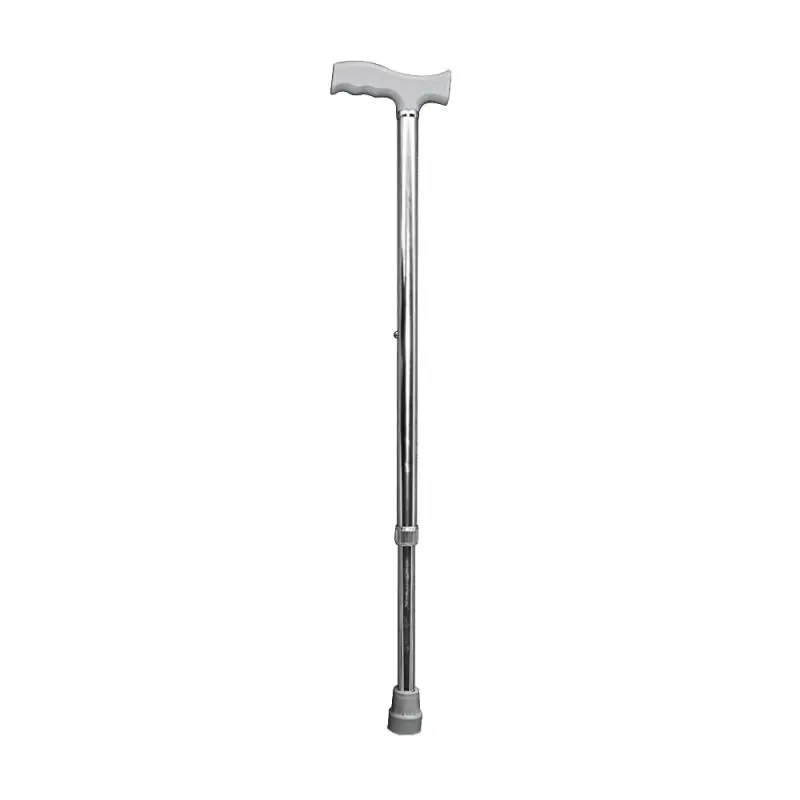
Why are elderly people more prone to unstable walking?
To understand the necessity of walking sticks, it is first necessary to understand the reasons for changes in the walking state of the elderly.
What changes occur in physical function with age?
From a physiological perspective, the human body may gradually change in the following aspects with age:
• Decreased lower limb muscle strength
• Reduced joint range of motion
• Weakened body coordination
• Slower reaction time
• Decreased balance control ability
These changes do not mean that elderly people "cannot walk," but rather that the energy and control required to maintain stability during walking increase.
Why does unstable walking become a common problem for the elderly?
Walking is a seemingly simple activity, but it is highly dependent on balance and coordination. When lower limb strength or balance ability decreases:
• The body's center of gravity is more likely to shift
• More attention is needed while walking
• Even slightly uneven surfaces can affect stability
It is in this situation that the importance of a walking cane as an additional support point gradually becomes apparent.
What role do walking canes play in the walking of the elderly?
Many people underestimate the role of walking canes, believing that they are merely "psychological comfort." In reality, walking canes have clear mechanical and functional value.
How do walking canes provide extra support for the elderly?
From a mechanical perspective, the core function of a walking cane is to increase the number of support points between the body and the ground. When elderly people use a walking cane while walking:
• The walking cane and the feet together form multiple support points.
• Body weight is no longer entirely borne by the legs.
• Stability during walking is significantly enhanced.
This support method effectively reduces the probability of losing balance while walking.
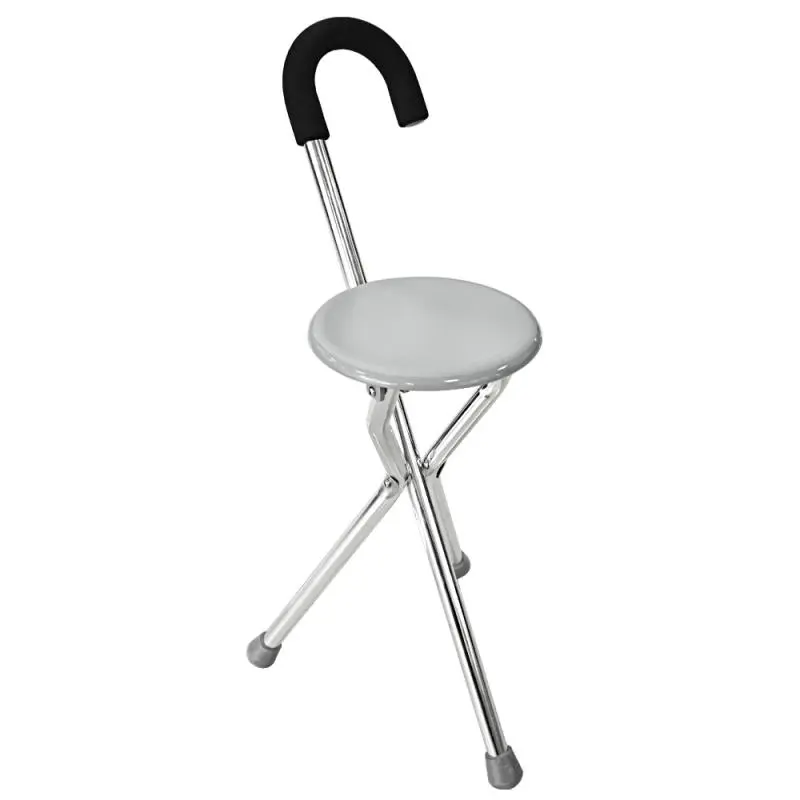
How does a walking cane help maintain balance?
Decreased balance is one of the common physical changes in older adults. The role of a walking cane in maintaining balance is mainly reflected in:
• Expanding the support base
• Providing lateral stability
• Assisting in adjusting the body's center of gravity
With a walking cane, older adults can adjust their gait more easily during walking, thus maintaining overall stability.
Why can a walking stick reduce the physical burden on older adults?
In addition to stability, walking sticks also play an important role in reducing physical burden.
How does a walking stick share the weight bearing of the lower limbs?
Without a walking stick, the body weight is mainly borne by the legs. When using a walking stick:
• Part of the body weight is transferred to the walking stick through the arms.
• The walking stick transmits the force to the ground.
• The weight-bearing pressure on the lower limb joints and muscles is correspondingly reduced.
This weight transfer mechanism makes the walking stick an effective auxiliary weight-bearing tool.
Why is sharing weight particularly important for older adults?
With age, the tolerance of lower limb joints and muscles may decrease. By sharing part of the load, a walking stick can:
• Reduce physical exertion during walking
• Reduce fatigue from prolonged walking
• Improve the comfort of continuous walking
Therefore, a walking stick is not only a "support tool" but also a burden-reducing tool.
Does using a walking cane mean that older adults have lost their ability to walk independently?
This is a common misconception among many older adults and their families.
Does a walking cane represent dependence?
From a professional perspective, using a walking cane is not equivalent to dependence. On the contrary, the original intention of designing a walking cane is to help users maintain their ability to walk independently.
The characteristics of a walking cane are:
• It does not restrict gait.
• It does not replace walking with the legs.
• It only provides necessary auxiliary support.
Therefore, a walking cane does not deprive older adults of their ability to walk, but rather extends and protects their existing abilities to a certain extent.
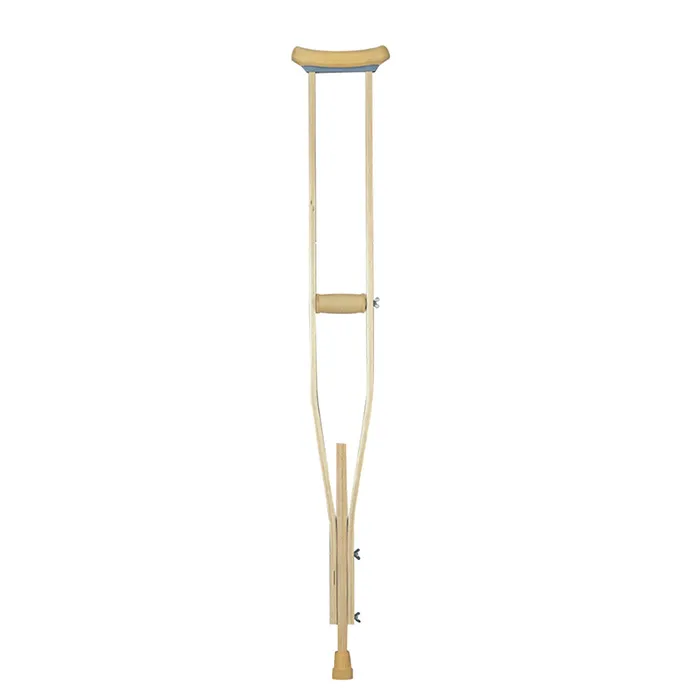
Why does a walking stick help maintain mobility and independence?
When walking becomes safer and more stable, older adults are often more willing to:
• Independently complete daily activities
• Move within a safe range
• Reduce reliance on assistance from others
From this perspective, a walking stick actually helps maintain the mobility independence of older adults.
What is the significance of a walking cane in improving walking safety?
Walking safety is one of the important reasons why older adults use walking canes.
Where do the potential risks during walking come from?
For older adults, the risks during walking may include:
• Uneven ground
• Changes in center of gravity when turning or starting to walk
• Insufficient physical strength leading to unsteady gait
• Slower body reactions
These factors, when combined, increase instability during walking.
How does a walking cane reduce walking risks?
By providing an additional support point, a walking cane can:
• Provide stable support during changes in the center of gravity
• Help older adults better control their gait
• Improve the ability to cope with sudden loss of balance
Therefore, a walking stick is of great significance in terms of walking safety.
Why don't all older adults need to use a walking stick?
Although walking sticks are widely used, not every older adult needs to use one.
What are the prerequisites for using a walking stick?
Whether a walking stick is needed usually depends on:
• Stability during walking
• Lower limb weight-bearing capacity
• Balance control ability
• Intensity of daily activities
A walking stick will only be significantly helpful when older adults feel unsteady or fatigued during walking.
The Use of a Walking Stick is a Functional Choice, not an Age Label
It is important to note that a walking stick is not a "symbol of age," but rather a reflection of functional needs.
Whether or not to use a walking stick should be based on the actual walking condition, not age itself.
What practical help does a walking cane provide to older adults?
From a comprehensive perspective, the help that a walking cane provides to older adults is mainly reflected in the following aspects:
• Providing stable support
• Sharing body weight
• Improving balance control
• Improving walking safety
• Enhancing confidence in mobility
These benefits work together, making the walking cane one of the commonly used and important mobility aids for older adults.
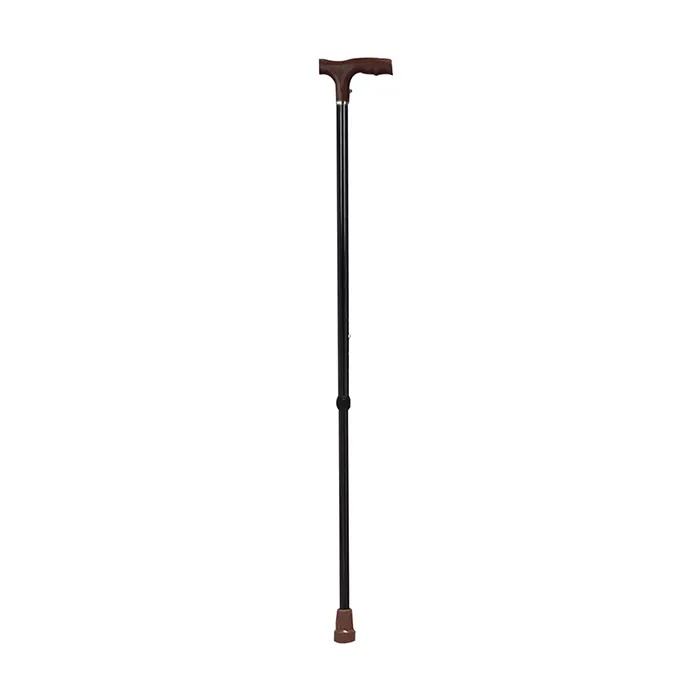
Why do some older adults use walking sticks?
Because some older adults need to use walking sticks not because they cannot walk, but because their bodies need extra support and stability during walking. Walking sticks help elderly people maintain their independence in walking while reducing physical strain and walking risks by distributing weight, improving balance, and enhancing safety.
From a professional perspective, a walking stick is an assistive device designed based on biomechanical principles, playing a clear, practical, and indispensable role in the daily activities of the elderly. The decision to use a walking stick should be based on walking ability and functional needs, not simply on age.
Why is Yikang Medical a top supplier of rehabilitation walkers?
Yikang Medical, based in Foshan, China, is a professional manufacturer and supplier of rehabilitation walkers, hospital beds, wheelchairs, and other nursing equipment. Since 2010, we have provided high-quality hardware and medical products, expanding in 2014 to hospital and nursing equipment.
As an OEM factory, we support customized solutions for design, color, and configuration. With ISO13485, ISO9001, CE, and FDA certifications, Yikang Medical ensures global buyers receive reliable, high-quality products.