
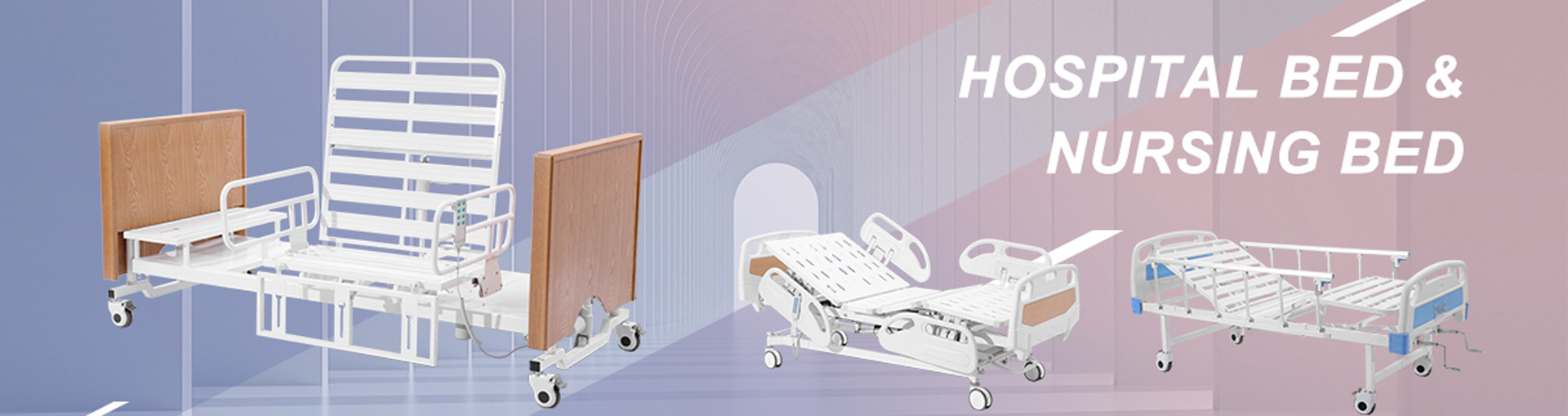
When there are elderly people, post-operative patients, or relatives who are bedridden for a long time at home, many people wonder: "Can we buy a hospital bed for home use?"
The answer is—of course, you can.
Today's medical equipment is no longer limited to hospital use; many manufacturers have launched home care beds specifically designed for home care.
This type of bed not only allows patients to receive more professional care but also greatly reduces the burden on family members, making the home rehabilitation environment safer, more comfortable, and more efficient.
This article will systematically answer this question, analyzing from a professional perspective why families can buy hospital beds, precautions for purchasing, applicable groups, and advantages of use, and will provide an in-depth explanation around the keyword "home care bed."
What is a home care bed? How is it different from a hospital bed?
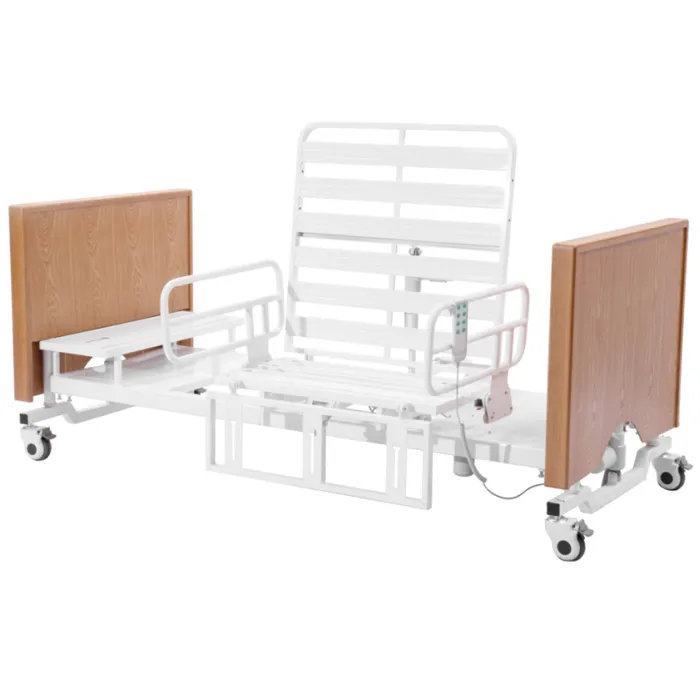
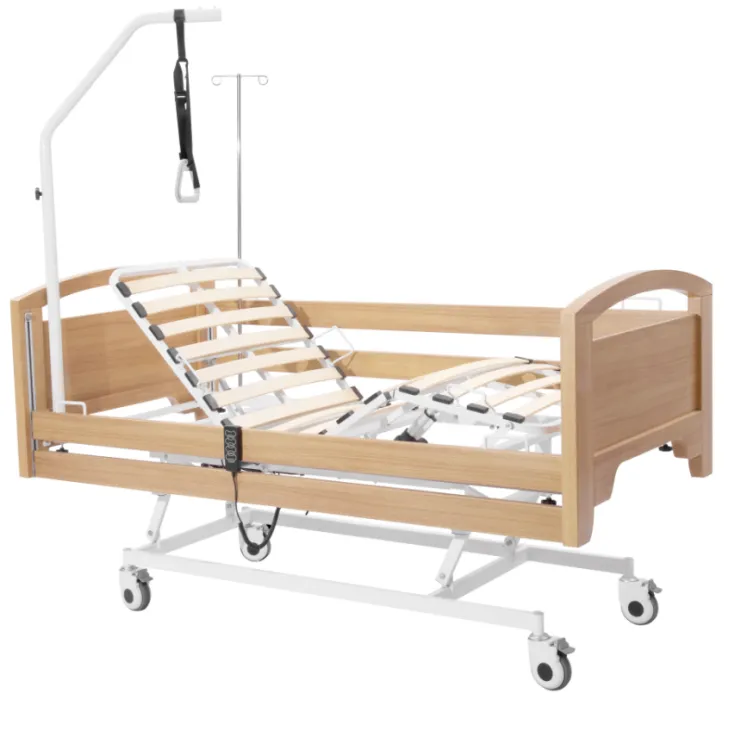
A home care bed, as the name suggests, is a nursing bed designed specifically for patients in a home environment. It originates from the professional design of hospital beds but has been modified to be more suitable for daily life.
Compared with hospital beds, home care beds have the following significant characteristics:
1. Lighter structure
Home care beds usually use lightweight materials, making them easy to move and clean.
2. More user-friendly functions
They have multi-angle adjustable functions (back, legs, bed height), while also considering aesthetics and comfort.
3. Easier operation
Most models are equipped with an electric control system, which can be easily used by the elderly or caregivers.
4. More suitable size for home space
Compared with hospital beds, home care beds are closer to household furniture in width and appearance, balancing practicality and harmony.
5. Design focuses more on daily convenience
They usually come with practical features such as a dining table, guardrails, and wheels, suitable for the patient's daily life and rehabilitation.
Therefore, a home care bed is not simply "hospital equipment moved home," but a carefully optimized home medical assistance product.
Why can we use a home care bed at home?
In traditional concepts, hospital beds seem to belong only to the hospital environment. In fact, modern medical concepts have long recognized the importance of home rehabilitation, and home care beds are an extension of this concept.
1. The home is an important place for patient rehabilitation
For many post-operative or chronically ill patients, home is the most familiar and relaxing environment. Returning home for recuperation helps promote mental stability, improve sleep, and aid emotional recovery. Home care beds allow patients to receive near-hospital-level care support in the comfort of their own homes.
2. Medical equipment is becoming increasingly available for home use
With technological advancements, the barriers to using medical and nursing equipment have lowered, making it safe for ordinary families to use. Home care beds are designed with ease of operation and structural safety in mind, so family members do not need a medical background to use them.
3. Home care effectively reduces the burden
Home care is more economical and comfortable than prolonged hospitalization. Home care beds provide professional support and nursing functions, making home care easier and more efficient.
4. National policies support home healthcare
In many regions, the distribution and rental channels for medical devices are gradually opening up, allowing consumers to legally and conveniently purchase or rent home care beds, which are no longer exclusive to hospitals.
In summary, from the perspectives of medical practice, family needs, and policy support, using a home care bed is a reasonable and feasible option.
What are the main functions of a home care bed?
The core design of a home care bed is to "allow patients to receive safe, comfortable, and convenient care at home." Its functions go far beyond just "sleeping"; it is a comprehensive platform for rehabilitation, nursing, and daily living assistance.
The main functions of a home care bed include:
• Backrest lifting function: Helps patients change from a lying to a sitting position, facilitating eating, reading, and easier breathing.
• Leg elevation function: Helps improve lower limb blood circulation and prevent swelling and blood clots.
• Bed height adjustment: Allows caregivers to provide care while standing or sitting, reducing the burden of bending over.
• Side-turning function (some models): Assists patients in turning over, preventing bedsores.
• Guardrail protection design: Prevents patients from accidentally falling, especially suitable for the elderly or patients with impaired consciousness.
• Wheeled mobility structure: Casters with locking functions facilitate moving the bed within the room.
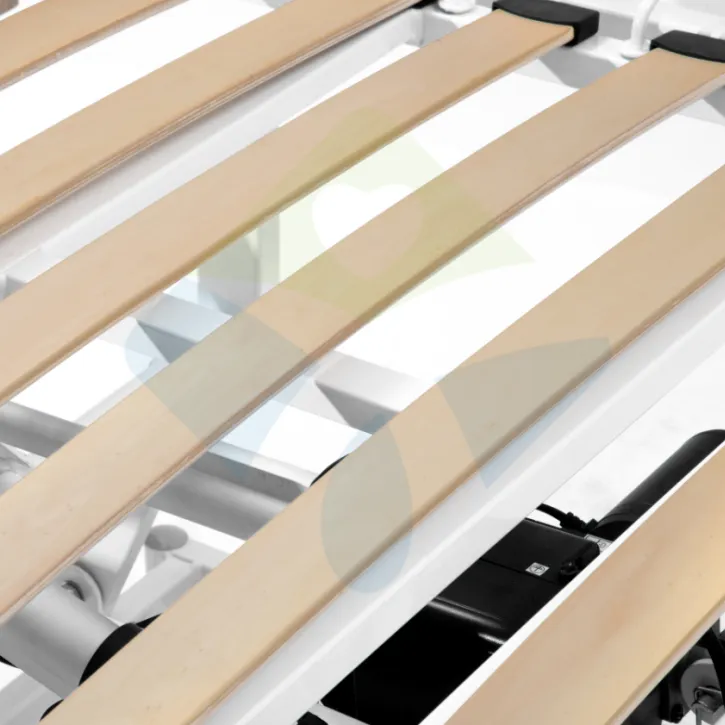
• Electric control system: Simple operation, allowing posture adjustments via remote control.
• Auxiliary accessory support: Can be fitted with accessories such as a bedside table, IV stand, and bedside cabinet to enhance convenience.
Therefore, a home care bed is not just a "bed," but a comprehensive system that assists in patient recovery and care.
Who is best suited to use a home care bed at home?
Home care beds are not only for "critically ill patients"; in fact, they are suitable for a variety of people.
1. Post-operative rehabilitation patients
Patients recovering from surgery require stable support and position adjustment. Home care beds can help them safely sit up, rest, and recover.
2. Elderly people
As people age, they are prone to mobility problems, back and leg pain, or a risk of falls. Home care beds provide guardrails and height adjustment functions to effectively ensure safety.
3. Stroke or hemiplegia patients
These patients are often unable to move independently. Home care beds can assist caregivers in turning, lifting, or sitting up the patient, preventing muscle atrophy and bedsores.
4. Patients with chronic diseases and those who are bedridden for a long time
Home care beds can help patients with chronic diseases maintain a proper posture, reduce physical burden, and improve their quality of life.
5. Pregnant women or women recovering from surgery
The postpartum recovery phase has special requirements for body support. Home care beds can help them safely sit up, get out of bed, and breastfeed.
Why are home care beds more suitable than ordinary beds?
Many families ask, "Can't I just use a regular bed to care for the patient?"
On the surface, it seems feasible, but in reality, ordinary beds have significant shortcomings in terms of safety, comfort, and care efficiency.
Comparison Items | Standard Bed | Home Care Bed |
| Height | Fixed, inconvenient for nursing care | Adjustable for easy care |
| Positioning | Only allows lying flat | Multi-angle adjustment to promote recovery |
| Safety | No guardrails, easy to fall off | Equipped with safety rails for added security |
| Hygiene Maintenance | Difficult to clean | Removable and washable design for easy maintenance |
| Compatibility with Medical Equipment | Poor compatibility | Compatible with IV stands, oxygen concentrators, etc. |
Clearly, home care beds are far superior to ordinary beds in all aspects. For families requiring long-term care, purchasing a home care bed is a wise investment.
Where can I buy a home care bed? What should I pay attention to when buying one?
Nowadays, there are many channels for purchasing home care beds, but you must be careful when choosing.
1. Purchase channels
• Medical equipment stores: Legitimate channels, guaranteed quality;
• Official medical equipment websites or brand flagship stores: Comprehensive after-sales service;
• Authorized e-commerce platforms: Convenient for comparing prices and models;
• Local medical suppliers: Provide installation and maintenance support.
2. Key points for selection
(1) Choose the function level according to the patient's needs
• Single function (backrest lifting only): Suitable for light care;
• Three functions (backrest, leg rest, and bed height adjustment): Meets the needs of most home care;
• Multi-functional (electric turning, anti-bedsore): Suitable for bedridden patients.
(2) Focus on the Electric System and Safety Devices
• Motor stability directly affects service life;
• Guardrails, brakes, and bed locking systems are crucial for safety.
(3) Mattress Comfort
• It is recommended to choose an anti-bedsore air mattress or high-density foam mattress that matches the hospital bed.
(4) Size and Space Matching
• Choose a suitable bed type based on the size of your home bedroom, and leave space for a nursing aisle.
(5) After-Sales and Maintenance Services
• High-quality brands usually provide installation, maintenance, and repair support.
What are the precautions for using home care hospital beds?
To ensure safety and extend the equipment's lifespan, the following principles should be followed when using home care hospital beds:
• Maintain bed stability: Always lock the wheels after moving the bed.
• Avoid overloading: Each hospital bed has a rated load capacity; multiple people should not use it simultaneously.
• Regular cleaning and disinfection: Keep the bed surface clean to prevent bacterial growth.
• Follow electric operation guidelines: Avoid frequent and continuous lifting and lowering to prevent motor overheating.
• Check wiring and bolts: Regularly check for loose or aging parts and maintain them promptly.
• Use guardrails properly: When getting in and out of bed, be sure to open or lower the guardrails first to prevent injuries.
What value do home care hospital beds bring to families?
The value of home care hospital beds goes far beyond "making patients sleep more comfortably," and is reflected in three aspects: quality of life, nursing efficiency, and psychological support.
1. Improve patient comfort
Proper posture reduces pain and pressure, improving sleep quality.
2. Promote rehabilitation
Multi-angle adjustment helps improve blood circulation and respiratory function.
3. Reduce the burden on caregivers
Electric control saves physical effort, making care easier.
4. Enhance the atmosphere of family care
Allows patients to feel the warmth of home and professional care.
5. Improve overall nursing level
Combining professional equipment with a home environment achieves both safety and comfort.
"Can we buy a hospital bed for our home?"
The answer is undoubtedly: Of course, and it's very necessary.
Home care hospital beds are not only legal to purchase, but also easy to operate and safe and reliable, allowing you to create a rehabilitation space similar to a hospital at home. It is both a "rest support" for the patient and a "nursing assistant" for family members. Choosing a suitable home care bed creates a more comfortable recovery environment for the patient and reduces the long-term care burden on the family.
Therefore, if you have elderly family members, post-operative patients, or those with mobility issues who require long-term care, consider providing them with a home care bed – it not only improves their quality of life but also demonstrates the understanding and care of their family.
Why choose Yikang Medical for wholesale hospital and nursing equipment?
Yikang Medical, located in Foshan, China, is a leading manufacturer and supplier of hospital and nursing equipment including hospital beds, nursing beds, electric and manual wheelchairs, shower chairs, toilet chairs, walkers, and crutches. Founded in 2010 and expanded to hospital equipment in 2014, we serve as an OEM factory for several major brands. We provide high-quality, customizable products to meet various specifications and client needs.