

With the deepening of social aging, more and more families are paying attention to the mobility and assistive needs of the elderly. As the most common assistive device, wheelchairs have become one of the important pieces of equipment for improving the quality of life and maintaining independence for the elderly.
However, when we actually go to buy a wheelchair, we are often confused by the various models and functions:
"Are electric wheelchairs better?"
"Are manual wheelchairs lighter and more convenient?"
"Which type of wheelchair is most suitable for the elderly?"
This article will systematically analyze the structural characteristics, target users, usage environments, and purchasing considerations of electric and manual wheelchairs from a professional perspective, helping you scientifically determine which type of wheelchair is best for the elderly.
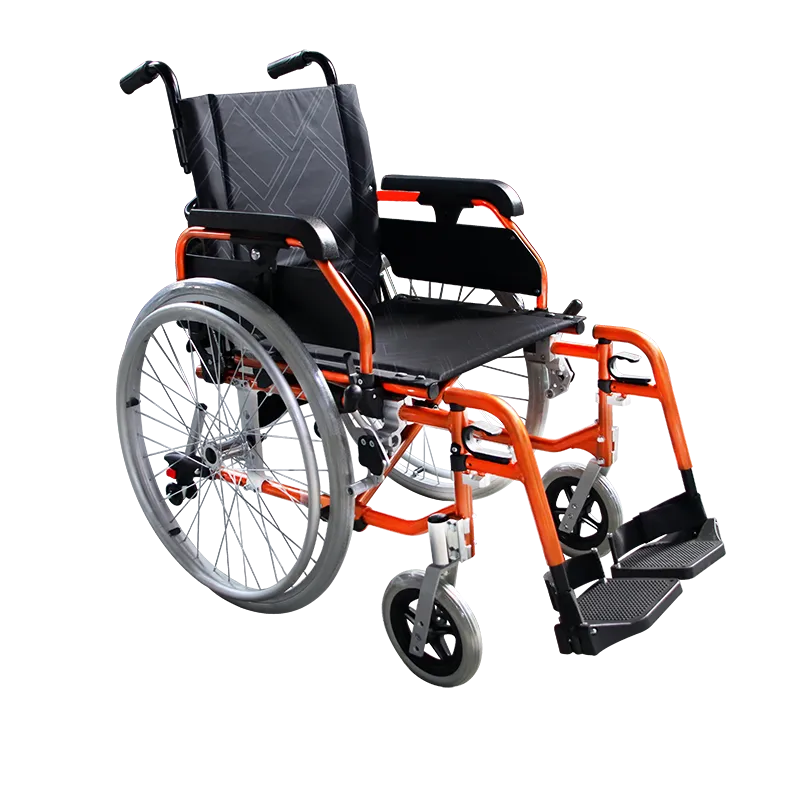
Why do the elderly need wheelchairs?
The main function of a wheelchair is not only "transportation," but also to ensure safety, reduce physical burden, and promote social activities and mental health.
For the elderly, the following situations often occur with age:
• Joint degeneration, limiting walking distance;
• Decreased muscle strength, leading to fatigue;
• Weakened balance, posing a risk of falls;
• Chronic diseases or post-operative recovery limiting activity;
• Pain or shortness of breath caused by prolonged walking.
At this time, choosing a suitable electric or manual wheelchair can help them:
• Regain independent mobility;
• Reduce the burden on caregivers;
• Increase opportunities for going out;
• Improve physical and mental health and quality of life.
What are the differences between electric and manual wheelchairs?
Before choosing, it is necessary to understand the core differences between the two.
Comparison Items | Manual wheelchair | Electric wheelchair |
| Driving Method | Manually propelled by the user or caregiver | Motor-driven, controlled via a controller |
| Operating Method | Propelled via push rims or by a caregiver | Joystick, buttons, electronic control system |
| Physical Exertion | Requires some upper body strength | Requires almost no physical effort |
| Travel Distance | Suitable for short distances | Suitable for medium to long-distance travel |
| Weight | Lightweight and foldable | Relatively heavy and complex in structure |
| Maintenance Costs | Low cost | Relatively expensive |
| Price Range | Economical | High cost |
| Suitable Environment | For indoor use and short distances | Suitable for both indoor and outdoor use |
| Target Users | Suitable for individuals with good physical strength and limited mobility | For individuals with insufficient muscle strength or long-term mobility impairments |
In short, manual wheelchairs are lighter and more economical, while electric wheelchairs are more labor-saving and practical.
Next, we will delve into which type of wheelchair is more suitable for the different physical conditions and usage needs of the elderly.
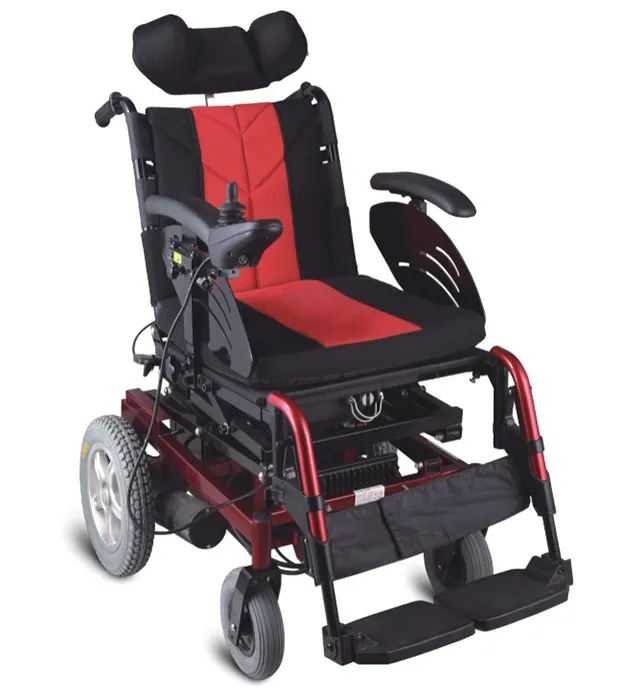
Are electric wheelchairs suitable for the elderly?
1. Easy to operate, reducing physical burden
Electric wheelchairs use a motor-driven system, controlling direction and speed through a joystick or control lever. The elderly only need to gently push the control lever to move forward, backward, and turn, without using arm strength.
For elderly people with weak physical strength, arthritis, hand muscle atrophy, or poor balance, electric wheelchairs greatly improve ease of use and independence.
2. Suitable for Long-Distance Travel
Electric wheelchairs are generally equipped with rechargeable batteries, allowing them to travel 10–20 miles on a single charge, with some models even reaching 25 miles.
This means that elderly people can easily go shopping, take walks, or visit friends and family without worrying about fatigue.
3. Enhanced Safety and Comfort
Modern electric wheelchairs typically feature multiple safety systems:
• Electromagnetic brakes;
• Anti-tipping devices;
• Speed limits;
• Emergency power cut-off function.
At the same time, electric wheelchair seats are ergonomically designed, supporting functions such as reclining, leg elevation, and tilting, which helps prevent pressure sores and poor posture.
4. More User-Friendly for Caregivers
If the elderly person requires assistance from a caregiver for mobility, an electric wheelchair can significantly reduce the burden of pushing for the caregiver. Some models even have a "rear control system," allowing caregivers to operate the wheelchair from behind.
✅ Conclusion:
For elderly people with insufficient physical strength, significant mobility impairments, and those who need to travel for long periods or frequently, an electric wheelchair is the best choice.
Which type of elderly person is a manual wheelchair suitable for?
1. Suitable for those with sufficient physical strength
If the elderly person still has some upper body strength and coordination, and can actively push the wheelchair or walk occasionally, then a manual wheelchair is an ideal choice.
It allows for moderate exercise during short-distance activities, avoiding over-reliance on motor assistance and maintaining muscle activity.
2. Simple Operation and Easy Maintenance
Manual wheelchairs have a simple structure, do not require electricity, and are not limited by charging, making them suitable for short-term use at home, in hospitals, or in nursing homes.
Their maintenance costs are low, requiring only regular checks of the tires and braking system.
3. Lightweight and Easy to Store
Most manual wheelchairs are foldable, making them easy to store or carry in a car, which is very suitable for families with limited space.
4. Economical
In terms of price, manual wheelchairs are significantly cheaper than electric wheelchairs, making them more attractive to families with limited budgets.
✅ Conclusion:
For elderly people who are still in good physical condition and occasionally need assistance with mobility, a manual wheelchair is a lighter and more economical option.
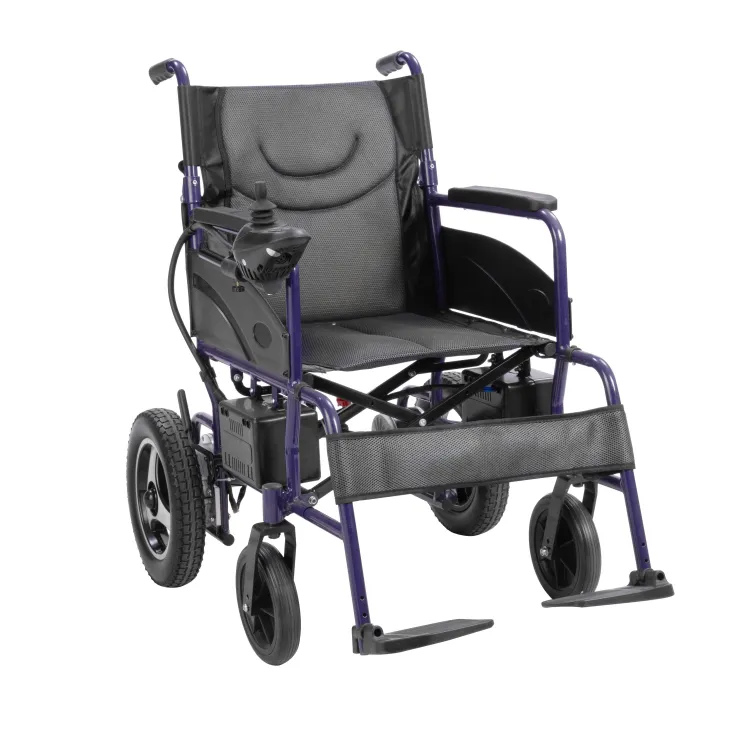
Summary of the Advantages and Disadvantages of Electric and Manual Wheelchairs
Category | Electric Wheelchair | Manual Wheelchair |
| Advantages | Easy to operate, highly comfortable, long battery life, suitable for long-term use | Lightweight structure, affordable price, easy to carry and store |
| Disadvantages | High price, heavy weight, requires charging and maintenance | Requires physical strength, not suitable for long-distance use |
| Recommended for | Suitable for individuals with significant mobility impairments, muscle weakness, or those requiring long-term use | Suitable for individuals with sufficient physical strength, for short distances or temporary use |
| Suitable environment | Suitable for indoor and outdoor use, hospitals, communities, and parks | Suitable for indoor use, hospitals, and short trips |
What factors should be considered when choosing a wheelchair?
Choosing a wheelchair suitable for the elderly requires considering not only the type but also a comprehensive assessment of multiple factors:
1. User's Physical Condition
• If the user has insufficient upper body strength, suffers from cardiopulmonary diseases, or has joint problems, an electric wheelchair should be chosen;
• If the user has good physical strength and only occasionally needs assistance, a manual wheelchair can be chosen.
2. Usage Environment
• Indoor or short-distance travel: Manual wheelchairs are more flexible;
• Outdoor or long-distance travel: Electric wheelchairs are more efficient.
3. Folding and Portability Needs
• Manual wheelchairs can be easily folded and placed in a car trunk;
• Some electric wheelchairs also support portable folding designs, but the overall weight is still greater.
4. Budget
• Manual wheelchairs generally cost between a few hundred and one thousand US dollars;
• Electric wheelchairs cost between one thousand and three thousand US dollars or even more.
5. Level of Care and Assistance Required
If the elderly person requires frequent assistance or long-term bed rest for rehabilitation, choosing an electric wheelchair can significantly reduce the intensity of caregiving.
How to determine if an elderly person is suitable for an electric wheelchair?
The following points can be used for assessment:
• Can they sit upright independently?
If they can maintain sitting balance, they can safely use an electric wheelchair.
• Can they understand simple control operations?
The joystick operation of an electric wheelchair is simple, but basic cognitive ability is required.
• Do they have heart or neurological diseases?
For elderly people who need to avoid fatigue or prolonged walking, an electric wheelchair is more suitable.
• Do they need to go out for extended periods?
If they frequently go out for medical appointments, shopping, or social activities, an electric wheelchair can significantly improve travel efficiency.
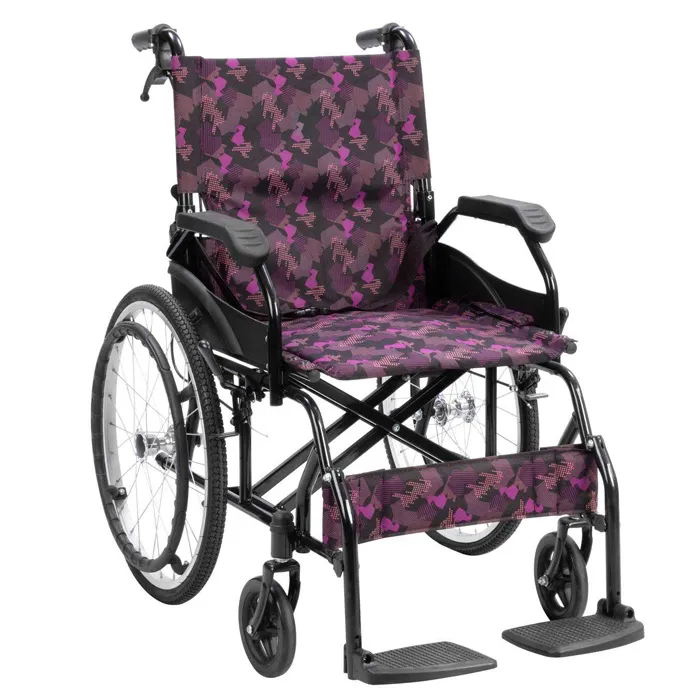
Can electric and manual wheelchairs be used together?
In fact, many families choose a "dual wheelchair solution":
• Use a manual wheelchair indoors, which is lightweight and saves space;
• Use an electric wheelchair when going out, which is effortless and safe.
This combination saves costs and provides optimal flexibility for different situations.
How to ensure the safe use of wheelchairs by the elderly?
Whether choosing an electric or manual wheelchair, the following safety points should be considered:
• Adjust the seat height and footrest position;
• Regularly check the tires, braking system, and battery;
• Avoid sharp turns on slopes or wet surfaces;
• Use a safety belt to prevent falls;
• Electric wheelchairs should be used when the battery is fully charged to avoid power failure during use.
Which type of wheelchair is best for the elderly?
The final conclusion is as follows:
• If the elderly person has good physical strength and only partially limited mobility → a manual wheelchair is more suitable;
• If the elderly person has insufficient muscle strength, needs to go out frequently, or requires long-term use → an electric wheelchair is more ideal.
In short:
• Electric wheelchair = “more effortless, more comfortable, and safer”;
• Manual wheelchair = “lighter, more economical, and more flexible”.
For most elderly people with moderately limited mobility, electric wheelchairs often provide a better quality of life and greater freedom of movement.
What is the lead time for purchasing hospital rehabilitation equipment from Yikang Medical?
Yikang Medical, a professional Chinese manufacturer and supplier, guarantees a delivery time of 30-45 working days for hospital beds, nursing beds, electric wheelchairs, manual wheelchairs, shower chairs, toilet chairs, walkers, and crutches. Since 2010, we have been producing high-quality medical equipment, expanding in 2014 to hospital and rehabilitation products.
As an OEM factory for major brands, we also support customized solutions to meet client specifications.