
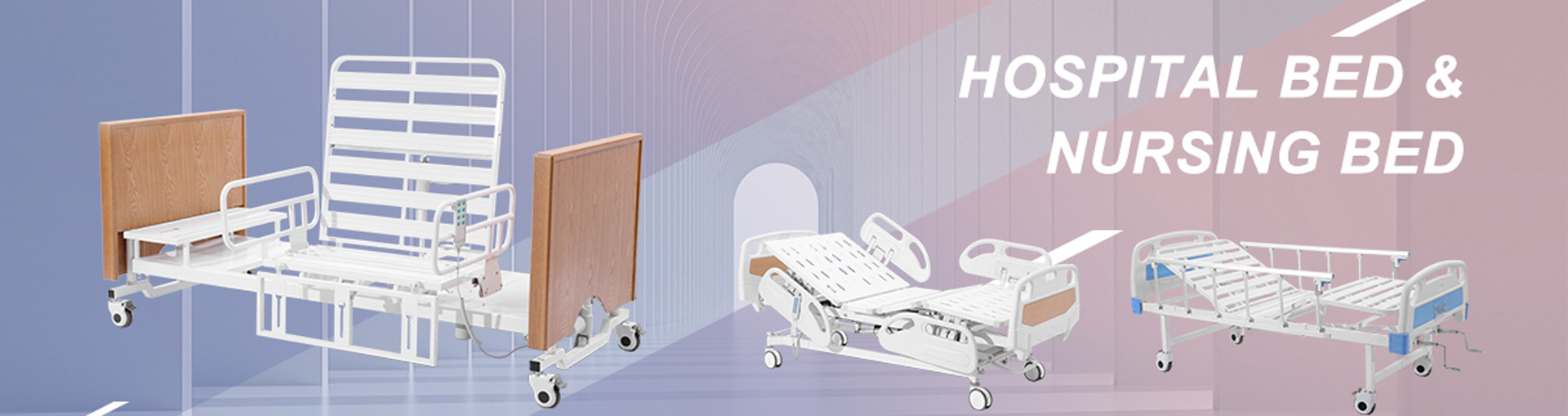
In a home care setting, many people initially think, "Why buy a separate home care bed when I already have a bed at home?"
This question seems reasonable, but from a professional nursing perspective, a regular bed cannot replace a home care bed.
A regular bed is simply ordinary furniture for rest, while a home care bed is a professional device with medical and nursing functions. The two differ fundamentally in design philosophy, intended use, safety features, and hygiene control.
This article will explain in detail, through scientific analysis and nursing practice, why a regular bed cannot be used as a home care bed.
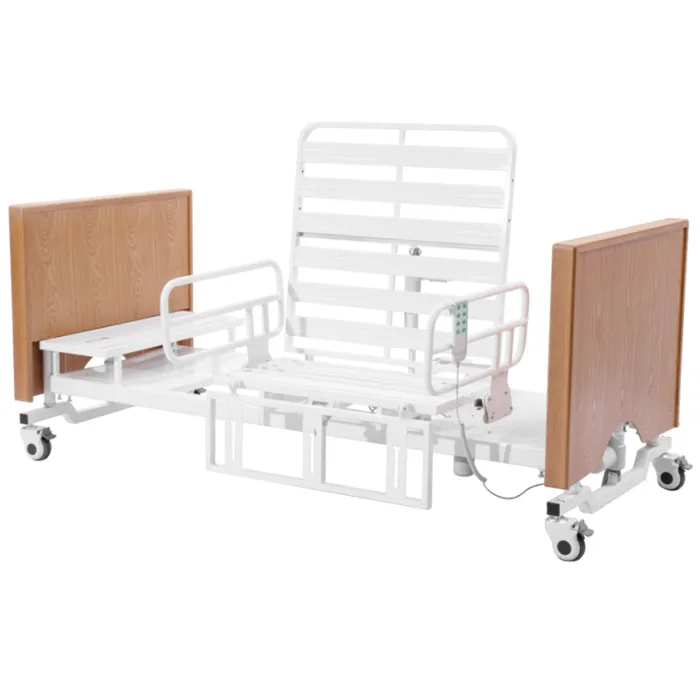
Why shouldn't patients stay in bed long-term on a regular bed?
Many families, in an effort to save money, often let bedridden patients sleep on a regular bed at home. However, this practice brings many potential risks and problems.
1. Regular beds lack position adjustment functions
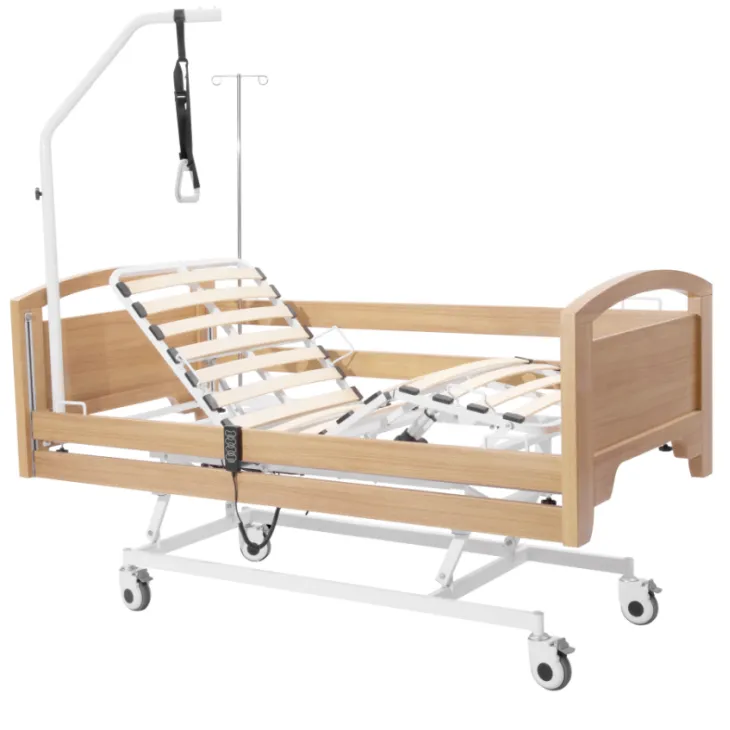
Home nursing beds typically have a multi-section adjustable structure, allowing adjustment of the back, legs, and overall height according to the patient's needs.
Standard beds are completely fixed in position, and prolonged lying flat can cause:
• Poor blood circulation;
• Breathing difficulties;
• Increased risk of pressure sores (bedsores);
• Decreased digestive function.
2. Standard beds have a fixed height, making caregiving inconvenient
When turning patients, feeding them, washing them, or changing their clothes, caregivers must frequently bend or stretch if the bed is too low or too high, easily causing lumbar strain.
Home care beds, on the other hand, allow for one-button height adjustment, enabling caregivers to operate in a comfortable posture, which is both safe and efficient.
3. Standard beds lack safety features
Home care beds are equipped with safety rails, non-slip foot pads, and brake wheels to prevent falls and slippage.
Standard beds lack any safety measures; even slight movements by the patient could result in a fall, which is extremely dangerous, especially for the elderly, stroke patients, and post-operative patients.
Therefore, from the perspective of patient safety and care efficiency, standard beds are simply unsuitable for nursing care.
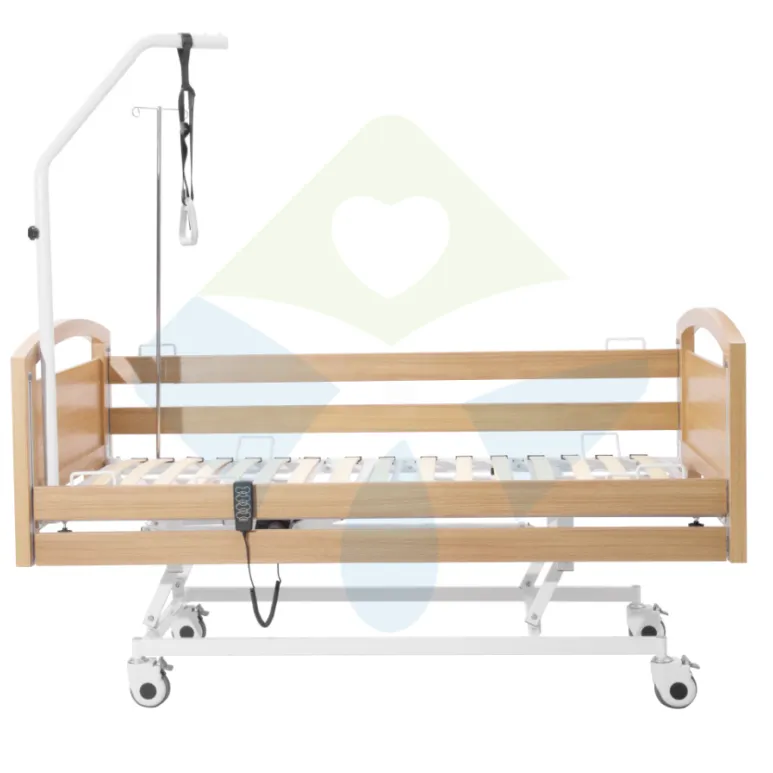
What are the fundamental differences in design philosophy between home-care beds and regular beds?
To understand why a regular bed cannot replace a home-care bed, we must first understand their design starting points.
1. Regular Bed: Designed for "Comfortable Rest"
The core design principle of a regular bed is home comfort and aesthetic appeal. Its structure is stable but its function is singular, only meeting the sleep needs of healthy individuals.
2. Home-Care Bed: Designed for "Medical Care Support"
The design of a home-care bed follows the principles of ergonomics and nursing. It aims to:
• Reduce pressure on the patient while lying in bed;
• Assist in the recovery of bodily functions;
• Facilitate operation by family members and nurses;
• Ensure long-term safety and hygiene.
In other words, a regular bed is "furniture," while a home-care bed is "medical assistive device"—their fundamental purposes are completely different.
What are the structural differences between regular beds and home-care beds?
The following is a comparison of the two in key structural aspects:
Comparison Items | Standard bed | Home care bed |
| Bed Frame Structure | Fixed structure, not adjustable | Multi-section structure, adjustable backrest, legrests, and height |
| Bed Rail Design | None | Liftable guardrails to prevent falls |
Height Adjustment | Fixed type | Electric or manual height adjustment to meet different nursing needs |
| Bed Frame Material | Wooden or upholstered | Medical-grade steel and ABS plastic, easy to clean and disinfect |
| Additional Functions | None | Can be equipped with IV stands, bedpans, dining tables, etc. |
| Mobility | Fixed position | Equipped with casters for movement and locking |
| Target Audience | Suitable for healthy people | Suitable for long-term bedridden patients, those in recovery, and elderly patients |
Through this comparison, it's clear that a standard bed cannot achieve the medical assistance and nursing safety functions of a home care bed.
What are the core functions of a home nursing bed that a standard bed cannot provide?
1. Multi-positional adjustment function
A home nursing bed allows the patient to sit up, recline, or raise their legs, facilitating eating, reading, breathing, and rehabilitation training.
A standard bed is completely flat, making it difficult for the patient to change position independently, increasing discomfort and the risk of complications.
2. Height adjustment function
A home nursing bed is height adjustable, allowing caregivers to perform nursing procedures at a suitable height.
A standard bed has a fixed height and cannot adapt to different nursing scenarios.
3. Fall prevention safety system
A home nursing bed is equipped with guardrails, a locking system, and anti-slip devices, effectively preventing falls.
A standard bed makes it easy for the patient to roll off when turning over.
4. Accessory expandability
A home care bed can be equipped with accessories such as IV poles, bedpans, and mobile dining tables to achieve "integrated nursing care." Ordinary beds lack component assembly structures and have limited functionality.
5. Hygiene and Cleaning Convenience
Home care beds are made of rust-resistant steel and medical-grade plastic, making them easy to clean and disinfect.
Ordinary wooden beds are prone to moisture absorption and mold growth, making them difficult to keep clean.
These core functions are directly related to patient safety and comfort, and ordinary beds cannot replace them.
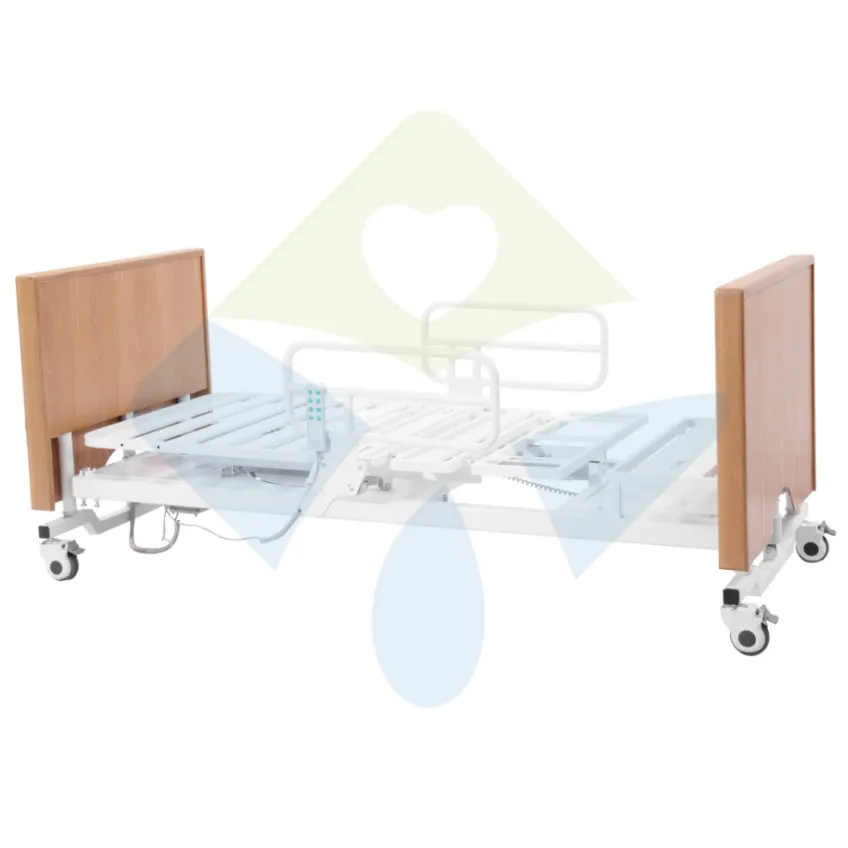
From a nursing perspective, why are home care beds more scientific?
1. Reduced Burden on Caregivers
Caring for patients often requires frequent turning, feeding, changing clothes, and bathing.
The electric control system of home care beds makes nursing operations easier, reducing labor intensity and the risk of accidents.
2. Improved Patient Comfort
Through angle adjustment and flexible support, patients can choose the most comfortable position, improving sleep quality and promoting blood circulation.
3. Facilitates Rehabilitation Training
The support and adjustment design of home care beds helps patients perform simple movements such as sitting up and leg raises, preventing muscle atrophy.
4. Enhanced Safety and Trust
Patients can rest comfortably in bed without worrying about falling when turning over, reducing their psychological dependence on others.
In summary, home care beds not only make care more scientific but also give patients greater peace of mind.
Why are ordinary beds considered to have serious safety risks?
Ordinary beds may seem sturdy, but they pose numerous risks for bedridden patients.
1. Lack of Guardrails
Patients are prone to falling when turning over or experiencing convulsions, especially the elderly and post-operative patients.
2. Inappropriate Height
If an ordinary bed is too high, getting in and out is difficult; if it is too low, caregivers' movement is restricted, increasing the risk of injury.
3. Insufficient Stability
Wooden or upholstered beds may loosen or deform under prolonged stress, affecting safety.
4. Difficult to Secure
Ordinary beds lack braked casters, making them prone to slipping when moved.
In contrast, home nursing beds are designed strictly according to medical safety standards, featuring a stable structure and braking system, making them significantly safer than ordinary beds.
From a hygiene and nursing environment perspective, can a regular bed meet nursing standards?
The answer is still no.
1. Regular beds are difficult to clean
Wooden or fabric beds easily absorb moisture and dirt, making thorough disinfection difficult. Incontinence can easily seep into the mattress, breeding bacteria.
2. Home nursing beds are easy to clean
Using waterproof materials and removable mattresses, they are easy to clean and disinfect, maintaining a long-term hygienic environment.
3. Reduced risk of cross-infection
Home nursing beds are designed to meet medical and hygiene standards, effectively preventing the spread of germs.
Maintaining a clean and tidy bed environment is crucial for patient recovery in home care, a standard that regular beds cannot meet.
How can home nursing beds improve patients' quality of life?
1. Restoring patients' sense of autonomy
With electric adjustment, patients can control whether they sit up or lie down, regaining a degree of autonomy.
2. Improving sleep and breathing
Elevating the back helps with smoother breathing, reducing the burden on the heart and lungs, and improving the quality of rest.
3. Reduces Pain and Pressure Sores
Segmented support evenly distributes pressure, reducing the time skin is under pressure.
4. Promotes Psychological Recovery
Feeling respected and well-cared for helps alleviate anxiety and depression.
Therefore, home care beds are not only nursing tools but also guarantees of a patient's quality of life.
From an economic and usage perspective, are home nursing beds worthwhile?
Some believe that purchasing a home nursing bed is expensive, but in the long run, it is more economical.
1. Extends Lifespan
Home care beds use medical-grade structures, resulting in a much longer lifespan than ordinary beds.
2. Reduces Medical Expenses
Using a home nursing bed can prevent complications such as bedsores and falls, indirectly reducing medical expenses.
3. Improves Nursing Efficiency
The caregiver's work is easier, reducing errors and creating an "invisible saving."
4. High Reusability
After the patient recovers, the home nursing bed can still be used by the elderly or resold, offering high cost-effectiveness.
Why can't ordinary beds be used as home care beds?
Based on the above analysis, we can clearly answer the question: Ordinary beds cannot be used as home care beds.
The reasons include:
• Fixed structure, unable to adjust posture;
• Lack of safety and protective features;
• Inconvenient for care and cleaning;
• Inability to meet medical and rehabilitation needs;
• Long-term use actually increases risks and costs.
Conversely, home nursing beds offer advantages such as flexible adjustment, safety, reliability, and ease of maintenance, making them the correct choice for caring for bedridden patients.
Choosing a professional home nursing bed not only ensures patient safety but also reflects the family's care and scientific approach to nursing.
What types of manual wheelchairs does Yikang Medical supply?
Yikang Medical is a professional Chinese manufacturer of manual wheelchairs suitable for hospitals, rehabilitation centers, and home care. Since 2014, we have expanded from hospital beds to a full range of mobility equipment. Our manual wheelchairs feature sturdy frames, adjustable footrests, and comfortable seating. Customers can request customization for color, material, and design.
Purchasing from us ensures reliable supply, efficient delivery, and professional after-sales service for wholesale or brand clients worldwide.