
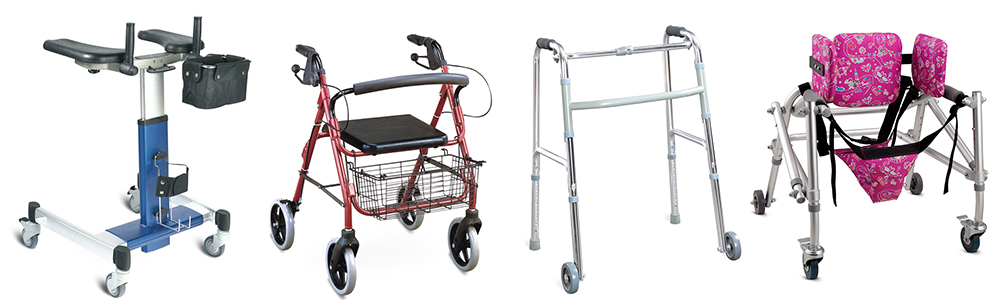
In daily life, with age, changes in physical function, or health conditions, some people may begin to experience problems such as unsteady gait, decreased endurance, and loss of balance. At this point, it's necessary to consider whether to use a walking aid.
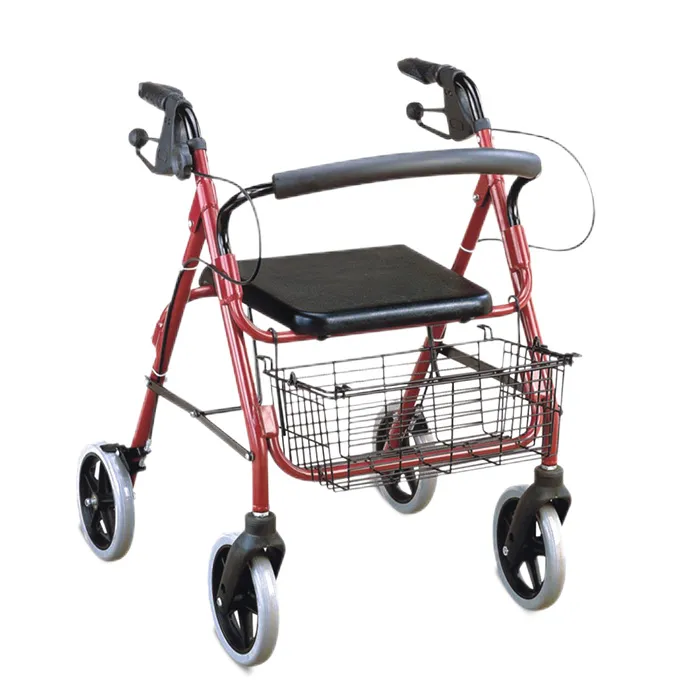
A rollator is one of the most common and practical options. Especially the 4-wheel rollator, due to its stability, flexibility, and ease of use, has become an important aid for many people to improve their mobility.
But how exactly do you determine if you truly need a rollator? Do you need a 4-wheel rollator? What situations are considered signals that you "must consider using a rollator"?
This article will provide a systematic analysis from a professional perspective, helping you clearly understand whether you need a rollator and how to make a reasonable judgment.
Why is it important to determine if you need a rollator?
Using a rollator isn't a case of "the earlier the better," nor is it "the later the safer." Correct judgment brings three main benefits:
1. Provides appropriate support and improves walking safety
If a person is at significant risk of falling while walking without an assistive device, a fall could have serious consequences. Therefore, a reasonable assessment of whether a rollator is needed is crucial.
2. Avoids over-reliance and maintains natural walking ability
The purpose of a rollator is to assist, not replace walking. Using it too early may prevent the body from fully utilizing muscle strength, while using it too late may cause unnecessary danger.
3. Makes life more convenient and improves independence
If used in appropriate situations, such as using a 4-wheel rollator to enhance balance and reduce fatigue, it can allow many people to regain confidence in going out and participating in activities.
Therefore, determining whether you need a rollator is an important step towards achieving "safe, independent, and confident walking."
How to determine if you need a rollator? (Core section)
Below, we will analyze from multiple perspectives whether you need to use a rollator. You can compare your own situation item by item, or use this as a reference for family members to determine if an elderly person is suitable for using a rollator.
Do I frequently experience unsteady walking?
This is one of the most crucial signals for determining whether you need a rollator. If you experience any of the following during your daily walking, it indicates a significant decrease in stability:
•Body swaying or rocking from side to side while walking
•Easily losing balance when turning
•Needing to hold onto walls, tables, or handrails to maintain stability while standing
•Feeling noticeably tense when walking on uneven surfaces
•Unconsciously taking small steps or shuffling your feet
If you frequently experience these situations, a 4-wheel rollator can provide extra support, allowing you to walk more steadily and safely.
Am I worried about falling while walking?
Fear is also a key indicator. People who are constantly worried about falling usually have difficulty maintaining stable walking.
This may include the following feelings:
•Hesitating to take steps when going down stairs or uphill
•Being afraid to leave home for extended periods
•Fear of moving around in public places
•Always feeling lightheaded while walking
This psychological stress further reduces walking activity, leading to decreased muscle strength and poorer balance.
A 4-wheel rollator provides:
•A sense of psychological security
•A practical point of support
•A stable device that allows you to stop and sit down at any time
Allowing you to move around with peace of mind.
Do I feel fatigued after walking short distances?
Many people cannot determine if their fatigue is normal. If you experience the following, you need to pay special attention:
•Needing to rest after walking less than 100 meters
•Noticeable leg weakness when walking in supermarkets or parks
•Insufficient leg strength to maintain continuous walking
•Walking speed becoming increasingly slower
This means your walking endurance has decreased, and the features of a 4-wheel rollator are very suitable for this situation because it:
•Provides handrail support
•Reduces leg pressure
•Has a built-in seat for resting at any time
•Increases the ability to walk continuously
Helping you maintain your daily activity level without increasing risk.
Has my balance significantly decreased?
Decreased balance is a major reason why many people start using a rollator. Related symptoms include:
•Unable to stand on one leg for 2 seconds
•Noticeable unsteadiness when standing up or sitting down
•Loss of body control when turning your head or changing direction
•Unconsciously grabbing surrounding objects to maintain stability
If you frequently rely on walls, furniture, or others to maintain balance, then using a rollator is very necessary.
The four-wheeled rollator offers significant advantages in terms of balance, providing:
•Comprehensive stable support
•Braking system
•Sturdy front and rear structure
It is ideal for people with reduced balance.
Do I need to rely on objects for support while walking?
Please observe if the following situations are common for you:
•Grabbing onto chairs, doorframes, or table corners while walking at home
•Needing someone to hold your arm when going out
•Being afraid to take a step without support
•Frequently using a cane or wall for assistance
If your body has become increasingly dependent on external support, this indicates a decrease in walking independence. Using a rollator or a four-wheeled rollator can meet your walking needs more safely and stably.
Do I have any health problems that affect my walking ability?
Many health-related factors can lead to decreased mobility, such as:
•Joint degeneration and stiffness
•Lower limb weakness
•Post-stroke recovery
•Neurological balance disorders
•Muscle atrophy
•Chronic pain
•Unstable gait after surgery
While this article does not discuss specific cases, you need to be aware that:
When your health condition affects your mobility and stability, a four-wheeled rollator can be a reliable aid.
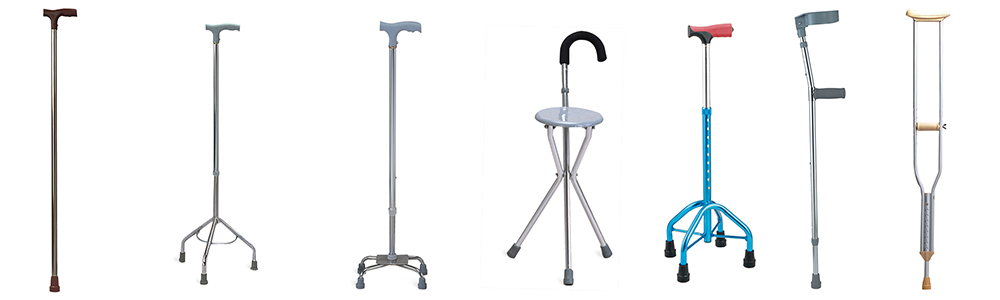
Can I independently perform standing up, turning, and stopping movements?
Walking ability is not just about "being able to walk," but also includes the following key movements:
•Standing up
•Turning
•Stopping
•Walking slowly
If these movements have become difficult, it means you may have difficulty maintaining safe walking, and a rollator can provide the necessary structural support to make each movement safer and smoother.
In particular, the four-wheeled rollator is equipped with brakes, making "stopping" more controllable.
Has my gait changed significantly?
The following are common gait changes:
•Taking small steps
•Dragging feet
•Shaking legs
•Shorter stride length
•Inability to walk in a straight line
Changes in gait indicate that the body is trying to maintain balance through compensatory mechanisms, which is a potential risk signal. When you notice abnormal gait in yourself or a family member, a rollator can reduce the risk of falls and improve mobility efficiency.
Do I need to go out but lack a safe way to move around?
For people who want to go to the park, buy groceries, or take walks, unsteady walking can limit opportunities for going out, leading to reduced social interaction and decreased physical fitness.
A 4-wheel rollator is one of the most suitable mobility aids for outdoor use because:
• It moves smoothly on flat surfaces, community roads, and even gentle slopes.
• It has a storage basket for carrying items.
• It has a built-in seat for resting at any time.
• It has handbrakes to control speed.
If your mobility is limited due to instability or fatigue, choosing a 4-wheel rollator can significantly improve your quality of life.
What are the obvious benefits of using a 4-wheel rollator?
When considering whether you might need a rollator, it's natural to understand the advantages of a 4-wheel rollator.
1. Strong stability
The four-wheel structure provides continuous support.
2. Easy and smooth walking
The large wheels and smooth rolling reduce strain on the wrists and arms.
3. Suitable for indoor and outdoor use
Suitable for shopping, walking, and moving around at home.
4. Built-in resting function
The seat allows you to sit down whenever you feel tired.
5. Increased sense of security
The braking system and handrail support provide users with greater peace of mind.
These features make the 4-wheel rollator the preferred mobility aid for many people.
Final reference Criteria for Determining Whether You Need a Rollator (Professional Perspective)
To make the assessment clearer, the following are comprehensive professional reference criteria. If you meet any three or more of the following criteria, you are very suitable for using a rollator:
• Unsteady walking, easily swaying
• Easily fatigued, needing frequent stops to rest
• Decreased balance
• Fear of falling while walking
• Significantly reduced walking endurance
• Needing to rely on furniture or others for assistance while walking
• Difficulty with actions such as standing up and turning around
• Health conditions affecting walking stability
• Decreased willingness to go out but still wanting to remain active
If your situation falls into any of the above categories, using a rollator can significantly improve your safety and independence in daily life.
Can I buy crutches directly from Yikang Medical?
Yes, Yikang Medical offers high-quality crutches and other hospital rehabilitation products directly from our factory in Foshan, China. Established in 2010, we began with hardware and mechanical components and expanded in 2014 to hospital beds, wheelchairs, and nursing equipment. Our crutches are durable, comfortable, and suitable for hospitals, clinics, and home use. We provide customization options including color, design, and configuration.
Certified with ISO13485, ISO9001, CE, and FDA, Yikang Medical ensures professional manufacturing, reliable delivery, and high-quality products.