

One of the most common questions for many first-time power wheelchair users is: "How often do I need to charge my electric wheelchair?"
The battery is one of the core components of an electric wheelchair, directly affecting its lifespan, range, and safety. Charging frequency isn't a fixed number but is determined by multiple factors, including battery type, capacity, usage time, road conditions, user weight, and charging habits.
This article will provide a professional and systematic analysis of this issue, giving you a comprehensive understanding of how to scientifically manage your electric wheelchair's battery to maximize its performance and lifespan.
Why Do Electric Wheelchairs Need Regular Charging?
1. The Battery is the Core Power Source of an Electric Wheelchair
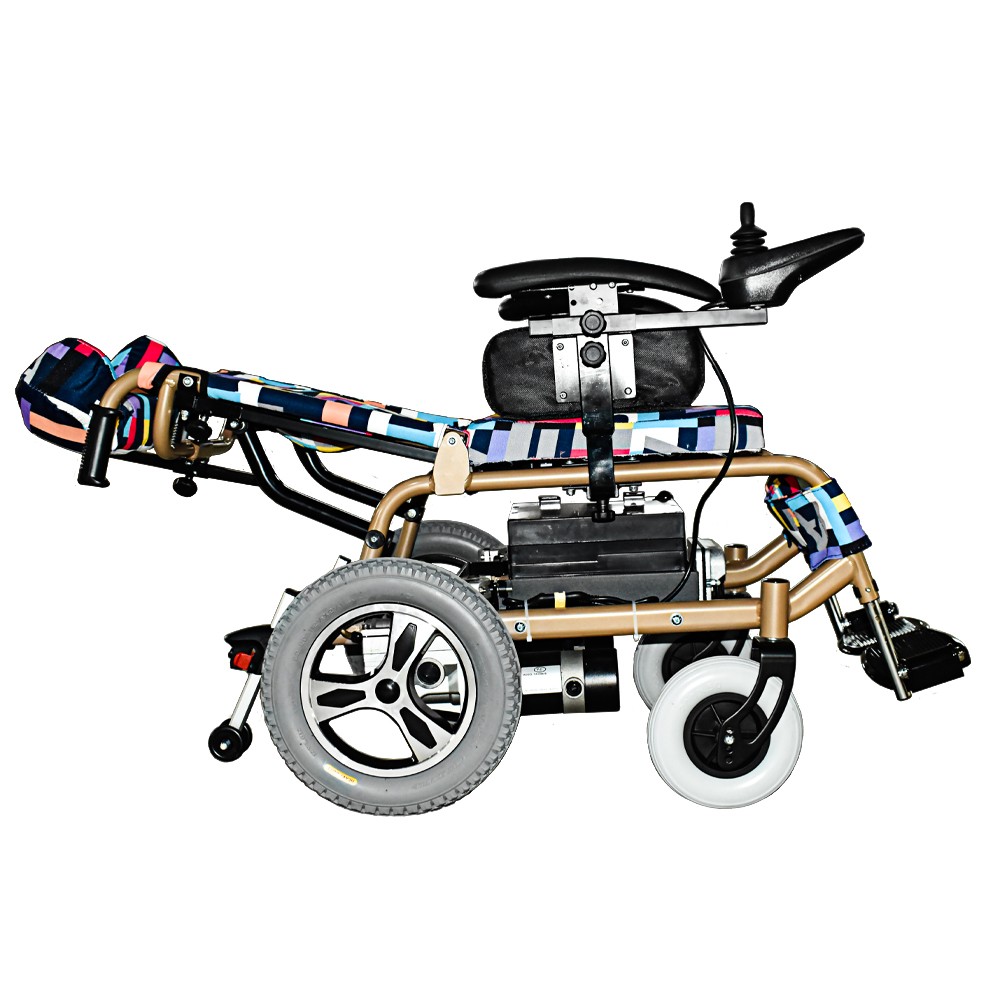
Electric wheelchairs primarily rely on batteries to power the motor, control system, braking system, and other electronic components. The battery's charge directly determines the wheelchair's range and performance.
2. Battery Consumption is Continuous
Even if the electric wheelchair isn't used frequently, the battery will naturally discharge, gradually reducing its charge. If it's not charged for a long time, the battery voltage will drop below the safe threshold, damaging the battery structure.
3. Regular charging extends battery life
Maintaining battery "activity" is key. Regular charging prevents the battery from remaining in a low-charge state for extended periods, thus preventing capacity degradation.
Therefore, regardless of how frequently you use your power wheelchair, you should maintain a scientific charging schedule to ensure the device is always in optimal condition.
What factors determine the charging frequency of a power wheelchair?
Different users have different power wheelchair usage scenarios, so there is no single standard answer to "how often to charge." Below are the main influencing factors:
1. Battery capacity and type
Electric wheelchairs typically use two types of batteries:
• Sealed Lead Acid batteries: Lower in price, but larger in size, requiring more frequent charging.
• Lithium batteries: Higher energy density, longer range, and longer charging intervals.
The larger the capacity, the stronger the electric wheelchair's range, and naturally, the less frequent the charging. Generally, a 20Ah–30Ah lithium battery provides a range of 20–30 kilometers, while a lead-acid battery of the same capacity provides approximately 15–20 kilometers.
2. Usage Time and Intensity
If you use your electric wheelchair for extended periods each day (e.g., more than 2 hours), daily charging is recommended.
If you only use it for short periods (e.g., several times a week), charging every 2–3 days is sufficient.
3. Road Conditions
Uphill slopes, rough terrain, carpeted surfaces, or grassy areas increase motor load and accelerate battery consumption. Flat surfaces are more energy-efficient, and charging intervals can be extended accordingly.
4. User Weight
Heavier users experience higher current output and faster battery consumption. Therefore, heavier users may require more frequent charging.
5. Electric Wheelchair Features
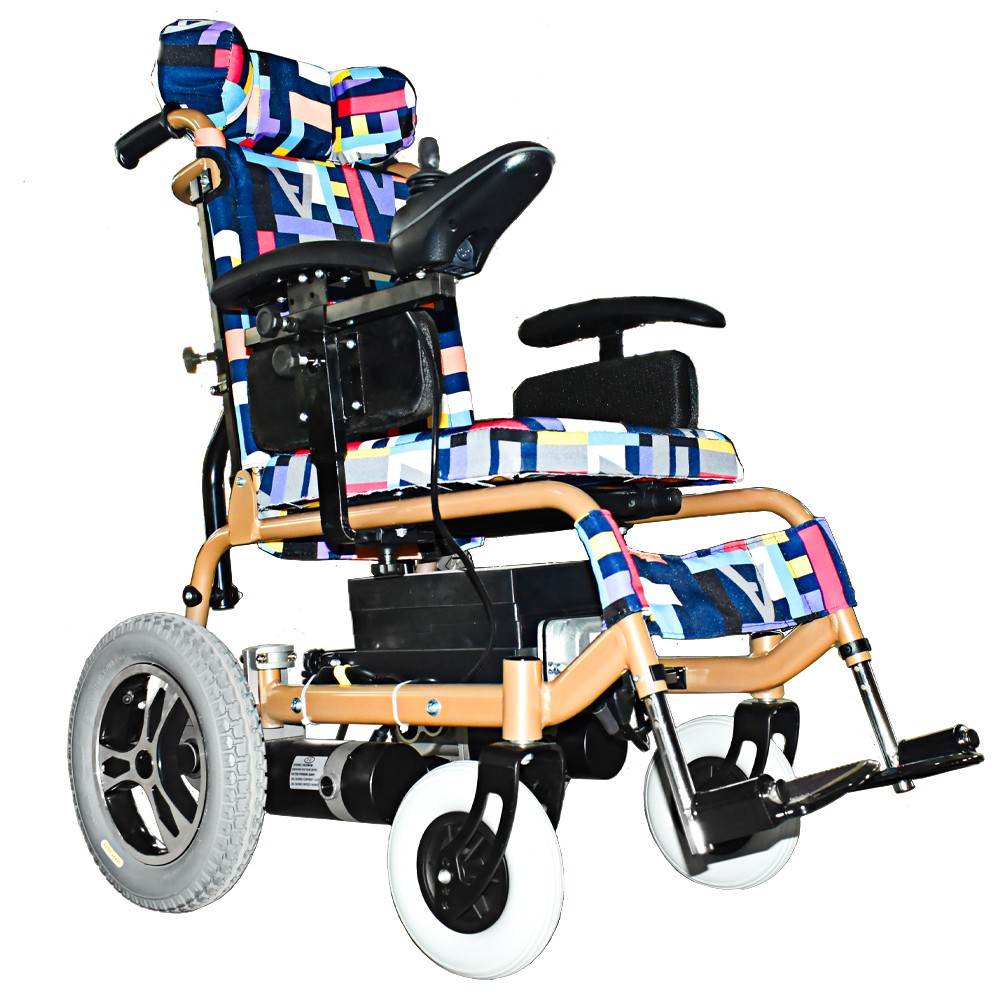
Some high-end electric wheelchairs are equipped with height adjustment, tilting, and backrest adjustment functions. These additional motors also increase energy consumption. The more functions a wheelchair has, the more frequently it needs to be charged.
How often should I charge my power wheelchair?
Here are scientific recommendations for different usage scenarios:
1. Daily User
If you use your power wheelchair daily (e.g., for commuting, shopping, etc.), it is recommended to charge it daily.
This ensures a full charge for use the next day and helps maintain battery stability.
2. Intermittent User
If you use your power wheelchair only 2–3 times a week, it is recommended to charge it every 2–3 days, or recharge it immediately after use.
3. Long-Term Inactivity
If you plan to not use your power wheelchair for an extended period, charge the battery every two weeks to prevent low voltage due to natural discharge.
4. High-Intensity Use
For situations requiring prolonged uphill driving, carrying items, or continuous travel, it is recommended to charge the battery immediately after each use to avoid over-discharge.
✅ Professional Recommendation:
The battery level of your electric wheelchair should not drop below 20% before recharging, nor should it be kept at 100% for extended periods. Maintaining a battery level between 40% and 80% is ideal, effectively extending battery life.
What details should be considered when charging an electric wheelchair?
Charging is more than just plugging it in. Proper charging habits directly determine battery lifespan and safety.
1. Use the original charger
Electric wheelchair chargers are specifically designed for their batteries; voltage and current parameters must match. Using a non-original charger may cause overcharging or overheating, damaging the battery.
2. Ensure a well-ventilated charging environment
Store the wheelchair in a dry, well-ventilated area, avoiding direct sunlight or high temperatures. Batteries generate heat during charging; excessive heat can cause performance degradation.
3. Avoid using the wheelchair while charging
Many users, for convenience, like to use their power wheelchairs while charging. This is extremely unsafe and can easily cause unstable current or damage to the control system.
4. Keep the interface clean
The power wheelchair charging interface should be cleaned regularly to prevent dust or oxides from affecting contact and causing abnormal current.
5. Observe the charging indicator light
Most chargers use indicator lights to show the status: red indicates charging, green indicates fully charged. Disconnect the power promptly once fully charged.
How long does it typically take to charge a power wheelchair?
Charging times vary significantly depending on the type of battery:
• Lead-acid batteries: Typically require 8–10 hours to fully charge.
• Lithium batteries: Charge faster, generally 4–6 hours to fully charge.
Charging time also depends on battery capacity, power supply, and ambient temperature. It is recommended to charge overnight, as this does not affect usage and allows sufficient time for the charging process to complete.
⚠️ Remember: Electric wheelchairs should not be connected to the charger for more than 24 hours, as this may cause overcharging or damage to the controller.
What happens if I forget to charge my power wheelchair?
Occasionally forgetting to charge will not have serious consequences, but long-term forgetting to charge can cause irreversible damage to the battery.
1. Battery capacity reduction
Storing the battery in a low-charge state for extended periods will cause chemical imbalances, resulting in a permanent reduction in capacity.
2. Low Voltage Prevents Charging
When the voltage drops below the set threshold, the charger may fail to recognize the battery, preventing charging.
3. Shortened Battery Life
Over-discharging significantly shortens battery life. A battery that would normally last 2-3 years may experience severe degradation in less than a year.
4. Damage to the Control System
During low voltage operation, the power wheelchair's control system may malfunction due to insufficient power supply.
Therefore, maintaining a regular charging schedule is crucial for protecting the performance of your power wheelchair.
What are some power wheelchair battery maintenance tips?
To extend the lifespan of your power wheelchair battery, pay attention to the following:
• Charge regularly, even if not used frequently.
• Avoid over-discharging and over-charging; maintain the charge level at 40%–80% for optimal performance.
• Regularly check battery connections and interfaces to prevent loosening or corrosion.
• Keep the charging environment temperature between 10℃ and 30℃, avoiding extreme temperatures.
• Avoid completely discharging the battery before recharging, as this will significantly shorten its lifespan.
• Check battery health every 6 months. If possible, have the voltage and capacity tested at an authorized service center.
Good charging and maintenance habits are fundamental to keeping your electric wheelchair looking new for longer.
How to determine when your electric wheelchair battery needs replacing?
Even with proper maintenance, electric wheelchair batteries will gradually age. Consider replacing them if any of the following occur:
• Significantly reduced range: Previously able to travel 20 kilometers, now less than 10 kilometers.
• Extended charging time: Charging for more than 10 hours without reaching full charge.
• Sudden power fluctuations: The battery indicator shows full charge but suddenly shuts off.
• Overheating or bulging battery: Indicates abnormal internal chemical reactions and potential safety hazards.
• Abnormal charger indicator light: The red light is off or flashing continuously.
Generally, lead-acid batteries have a lifespan of approximately 12–18 months, while lithium batteries can last 3–5 years. Regularly checking battery status helps detect problems early and avoid sudden power outages.
Common Misconceptions about Charging Electric Wheelchair Batteries
Many users have some misconceptions about charging, which can damage the battery in the long run:
Misconception 1: Leaving the battery plugged in for a long time after it's fully charged.
This can lead to slight overcharging, shortening battery life.
Misconception 2: Waiting until the battery is completely discharged before recharging.
Modern power wheelchair batteries are intelligently designed and do not require complete discharge; over-discharging is actually harmful.
Misconception 3: Mixing different types of batteries.
Mixing different types or capacities of batteries can cause uneven current distribution, damaging the system.
Misconception 4: Randomly changing chargers.
Incompatible chargers may output excessively high voltage, causing battery damage or even fire.
Misconception 5: Charging in high-temperature environments.
High temperatures accelerate internal battery reactions, shortening battery life.
Avoiding these incorrect charging habits will ensure your power wheelchair operates safely and reliably for many years.
Why purchase nursing beds from Yikang Medical?
Yikang Medical offers high-quality nursing beds directly from our factory in Foshan, China. Established in 2010 and expanded to hospital and nursing beds in 2014, we provide OEM services for leading brands. Our nursing beds are designed for patient comfort, ease of use for caregivers, and long-term durability.
We support customized features, including bed size, frame design, and color options. All products comply with ISO13485, ISO9001, CE, and FDA standards.