Clinical nursing research indicates that without appropriate cushioning or support layers, long-term bedridden patients face a 15%–30% risk of developing localized pressure ulcers, particularly in the sacrum/coccyx, scapulae, and heels.
Beds Equipped with Backup Batteries Are Less Affected by Power Outages
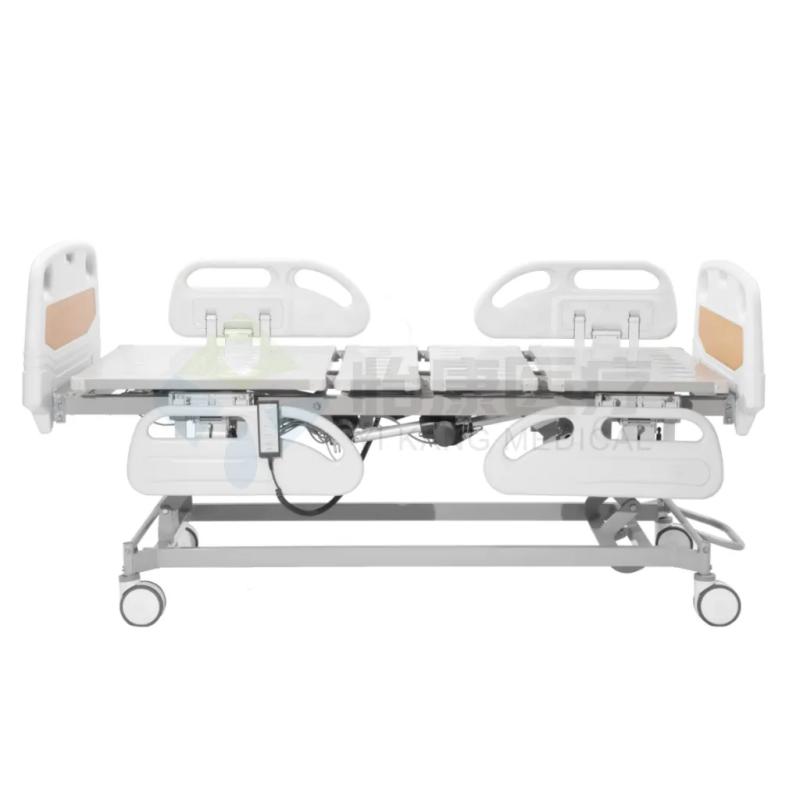
Some hospital beds are designed with a built-in backup power supply.
When a power outage occurs, the bed can switch over to its backup power source.
Consequently, it remains capable of performing a limited range of movements.
No. Electric blankets are absolutely prohibited in hospital beds.
This is not because hospitals are "too strict," but because electric blankets pose serious safety hazards in the hospital environment, including electrical safety risks, cross-infection risks, equipment interference, and nursing safety issues.
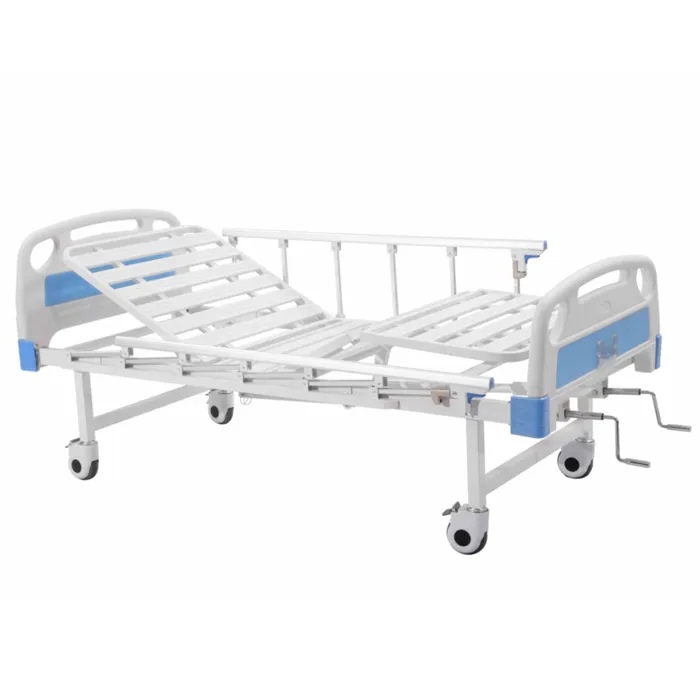
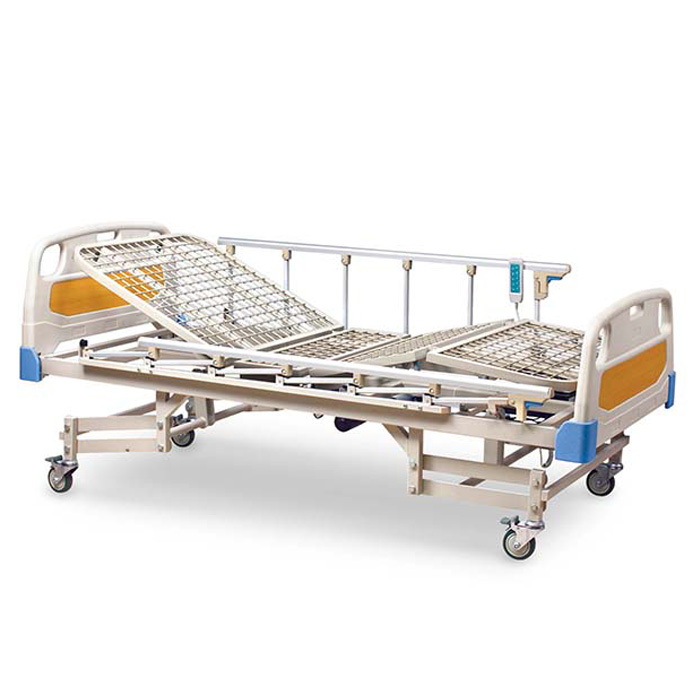
Home-based hospital beds on the market are not a "one-size-fits-all" solution; their sizes vary depending on the patient type, usage scenario, and design functions.
The most common standard size for home-use hospital beds is 200cm × 90cm × 50cm.
A hospital bed is not a double bed; it is a medical device designed for patients, and every component—from the bed frame and guardrails to the mattress and lifting system—serves the specific physiological needs of the patient.
Therefore, using a hospital bed as a regular bed, especially co-sleeping with a patient, is a mistake and a dangerous practice.
Many families, when caring for a patient, choose to have the patient use their home bed to save costs or space. However, from a medical perspective, regular beds cannot meet the basic needs of patients who are bedridden for extended periods.