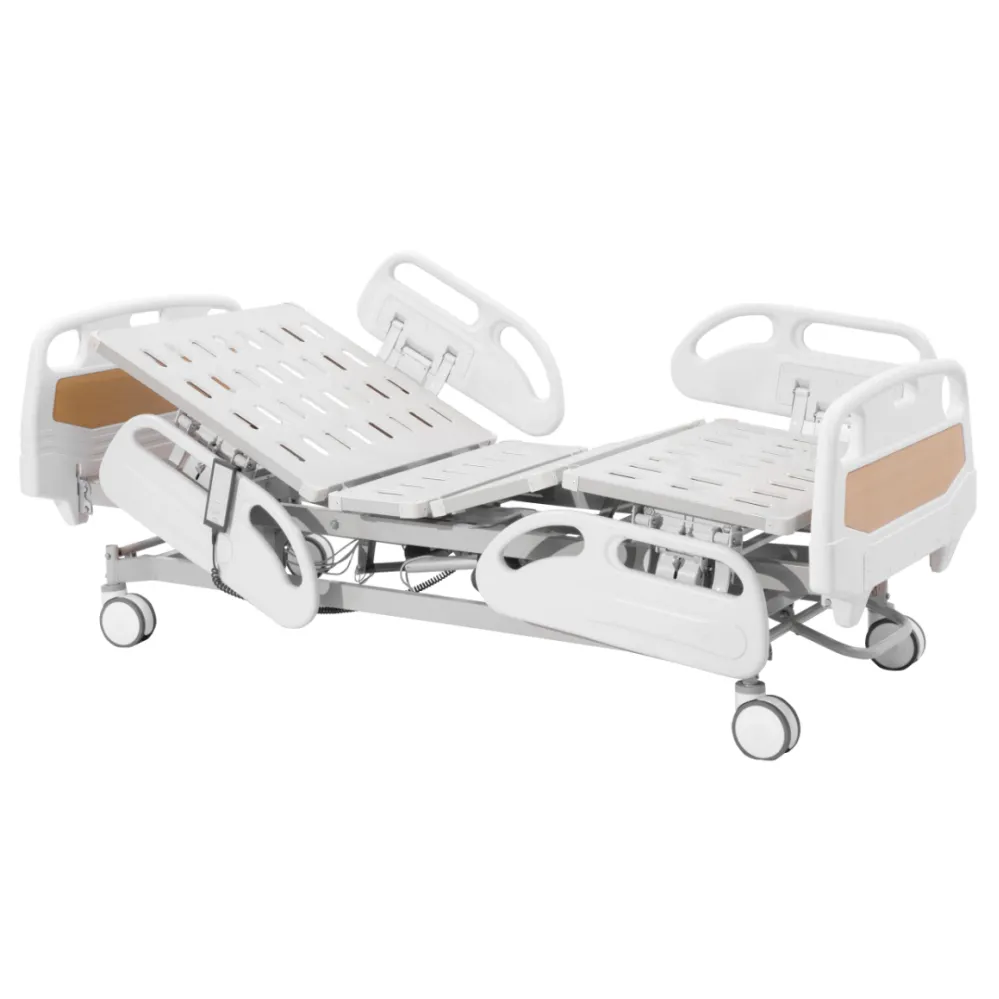
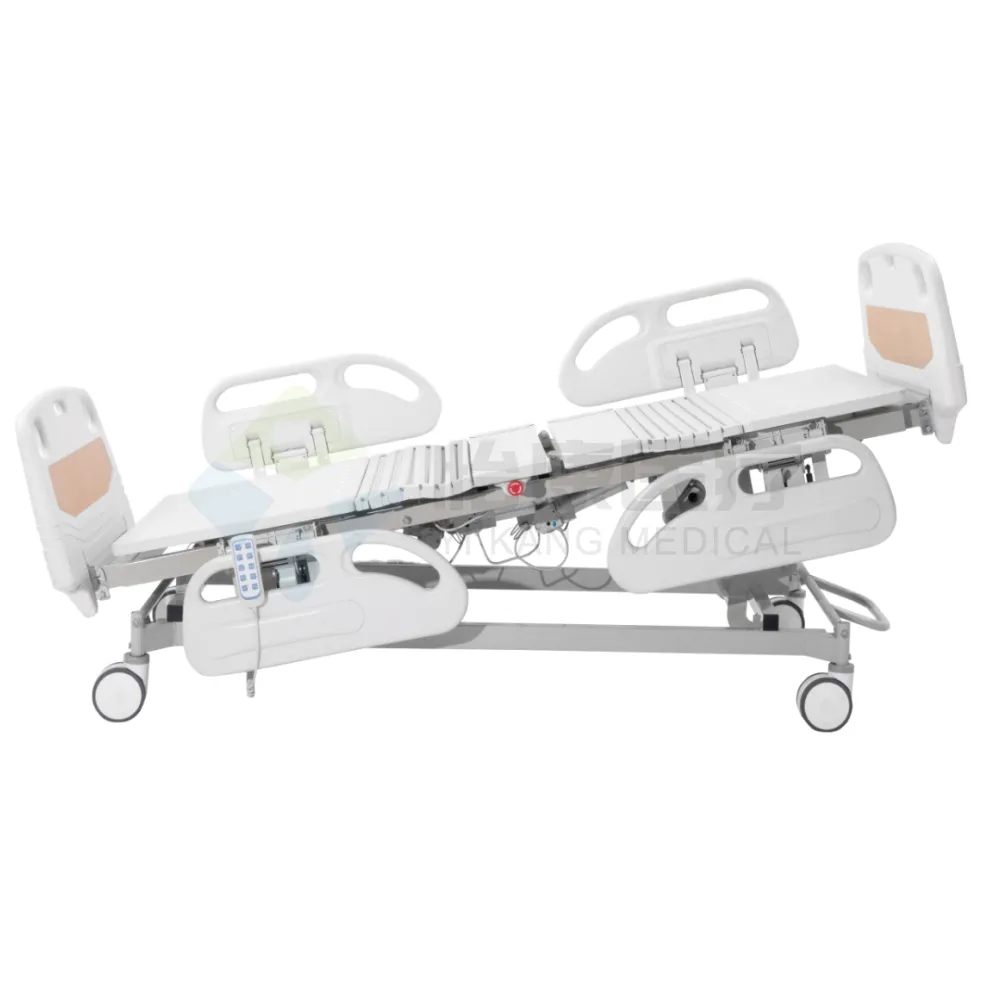
In modern healthcare, electric hospital beds have become essential equipment in both hospital wards and home care settings. Powered by motors, they allow for flexible adjustments to the head, foot, and overall height, enabling patients to shift positions—thereby improving respiration, reducing the risk of pressure ulcers, and enhancing the efficiency of caregiving tasks. However, in real-world scenarios, the bed alone is often insufficient to meet the full comfort needs of long-term bedridden patients. Consequently, the question of what else can be added to the bed to improve comfort is both practical and frequently asked.
In reality, comfort is not an issue solved by a single product; rather, it is a holistic experience shaped by the mattress system, support structures, soft accessories, environmental controls, and psychological factors. For patients undergoing long-term hospitalization or home care, even minor issues—such as inadequate support or uneven pressure distribution—can quickly lead to pain, sleep disturbances, or skin damage.
The Logic of Comfort in Electric Hospital Beds: Why the Bed Alone Isn't Enough
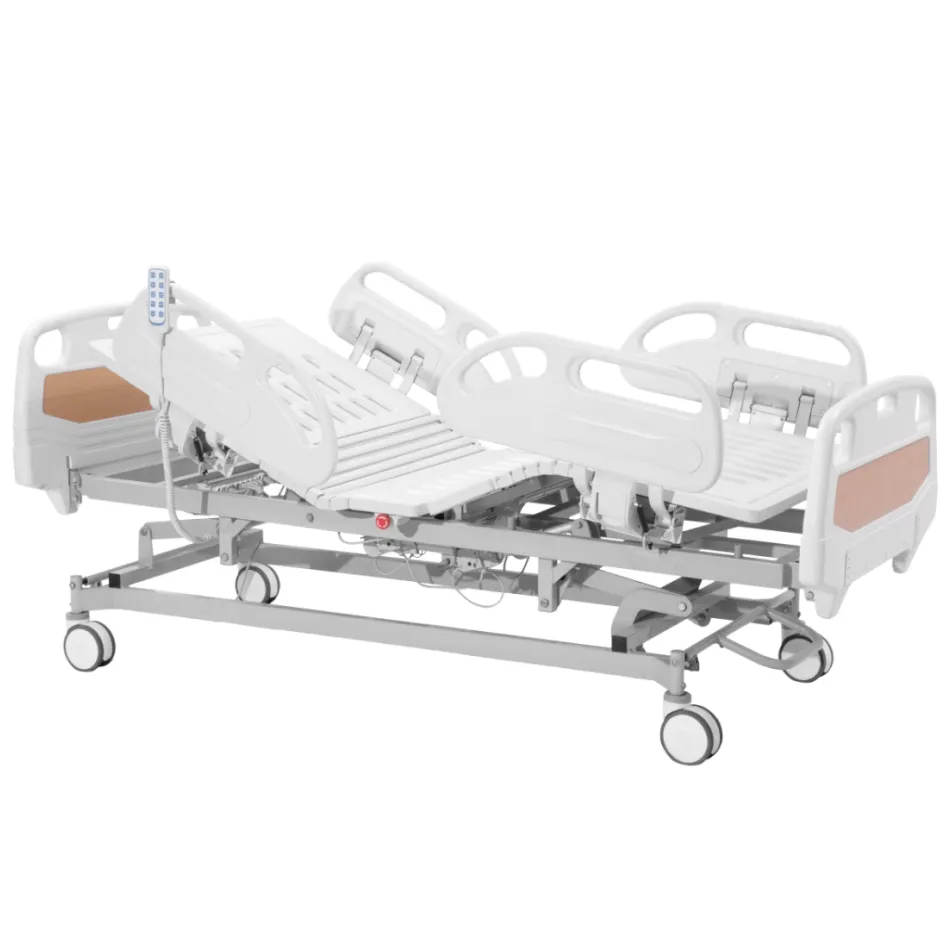
The core value of an electric hospital bed lies in its adjustability—its ability to change the patient's position—rather than an inherent, automatic generation of comfort. It addresses structural needs, such as elevating the upper body for eating or breathing, mitigating the risk of gastroesophageal reflux, and facilitating caregiver tasks. However, the comfort experienced at the point of contact between the body and the bed depends largely on pressure distribution and the support system.
Clinical nursing research indicates that without appropriate cushioning or support layers, long-term bedridden patients face a 15%–30% risk of developing localized pressure ulcers, particularly in the sacrum/coccyx, scapulae, and heels. Proper use of mattresses and positioning aids can reduce this risk by approximately 40%–60%. This implies that even a high-end electric medical bed may still fall short in terms of comfort if it lacks supplementary "soft systems."
Therefore, true comfort optimization must begin with the "bed surface system" itself, rather than relying solely on the bed's mechanical adjustment capabilities.
Mattress Systems: The Primary Factor in Electric Hospital Bed Comfort
Among all factors influencing the comfort of electric medical beds, the mattress is paramount, as it directly determines how pressure is distributed across the patient's body.
1. Memory Foam Mattresses: A Solution for Enhanced Basic Comfort
Memory foam mattresses conform to the body's contours through their slow-recovery properties, allowing pressure on the shoulders, hips, and back to be distributed more evenly. When the bed's angle is frequently adjusted, memory foam helps mitigate sudden spikes in localized pressure caused by these changes.
Studies indicate that compared to standard foam mattresses, memory foam mattresses can reduce peak localized pressure by approximately 20%–35%, making them particularly suitable for patients requiring medium- to long-term hospitalization.
2. Anti-Decubitus Air Mattresses: Dynamic Pressure Relief Systems
For high-risk, bedridden individuals—such as patients unable to turn over independently—air mattresses represent an advanced configuration for electric hospital beds. They achieve "dynamic pressure redistribution" by cyclically inflating and deflating to shift points of contact.
Clinical data shows that the use of air mattresses can reduce the incidence of pressure ulcers by approximately 50%, leading to their widespread adoption in critical care settings.
3. Targeted Gel Pads: Precision Pressure Optimization
Gel pads are typically used for specific areas such as the head, knees, or sacrum/coccyx, offering excellent heat dissipation and body-conforming properties. In electric hospital beds, they often serve as supplementary layers to alleviate discomfort in areas prone to high pressure.
Body Positioning Support Systems: Enhancing the Ergonomic Experience of Electric Hospital Beds
Beyond the mattress, body positioning support systems constitute the second critical layer for enhancing comfort; they determine whether the body maintains natural alignment across various postures.
1. Cervical Pillows and Head Support
Raising the head section of an electric medical bed alters the direction of force exerted on the cervical spine. Standard pillows can easily leave the neck unsupported or cause excessive forward flexion. Medical cervical pillows, designed to match the spine's physiological curvature, help maintain cervical stability and reduce muscle tension.
2. Lumbar Support Cushions: Maintaining Spinal Balance
In semi-reclined or seated positions, the lumbar region is prone to lacking support or undergoing excessive curvature. A lumbar support cushion fills this gap, helping the spine maintain its natural S-shaped curve and thereby reducing fatigue caused by prolonged pressure.
3. Under-knee support and lower-limb elevation
Slightly elevating the knees reduces pressure on the lumbar spine while improving venous return from the lower limbs. When the electric hospital bed is in the flat position, this type of support significantly enhances the overall sense of relaxation.
Fabrics and contact materials: An often overlooked yet crucial source of comfort
Many people focus solely on the mattress itself while overlooking the fabric systems that come into direct contact with the skin—elements that actually have a profound impact during long-term use of electric medical beds.
Breathable sheets reduce the buildup of heat and moisture against the skin, lowering the risk of irritation and skin breakdown; antimicrobial covers are particularly vital in hospital settings for minimizing the risk of cross-infection; and moisture-wicking materials can improve the overall sleep quality of patients confined to bed for extended periods.
In nursing practice, this layer is known as the "micro-environment management layer," and its influence on comfort is often far greater than anticipated.
Environmental optimization for electric medical beds: Extending the comfort system
The comfort experienced with an electric medical bed is not limited to the bed surface itself but is also significantly influenced by the surrounding environment.
Research indicates that maintaining an ambient temperature between 20°C and 24°C yields the best sleep quality and physiological stability for long-term bedridden patients. This environment can be further optimized using auxiliary equipment such as soft reading lights, small fans (positioned to avoid direct airflow), humidifiers, and blackout curtains.
For patients with chronic respiratory conditions—such as Chronic Obstructive Pulmonary Disease (COPD)—a stable temperature and humidity environment can also alleviate nighttime respiratory discomfort and improve overall sleep quality.
Psychological comfort systems: The hidden value of electric hospital beds
Patients who use electric hospital beds for extended periods often face not only physical discomfort but also psychological stress, such as loneliness, anxiety, or a sense of isolation from their surroundings. Consequently, incorporating items that provide psychological support is equally important.
Common features that promote psychological comfort include tablet holders, reading lights, music players, and familiar personal items like photographs or small ornaments. These elements help patients establish a sense of familiarity and security within the hospital bed environment. For patients with Alzheimer's disease, familiar visual and auditory stimuli are crucial for emotional stability.
Safety Principle: Avoiding Risks While Enhancing Comfort
Safety is the paramount principle when adding items to an electric medical bed. No additional accessory should interfere with the bed's normal electric adjustment functions.
First, avoid overloading the bed surface, as this could impede motor operation or cause structural interference. Second, secure all pillows and cushions to prevent them from sliding when the bed is raised or lowered. Finally, properly manage power cords and cables to prevent them from tangling with the bed's moving parts.
Additionally, for patients with limited mobility, special attention must be paid to preventing falls or sliding, particularly when the head of the bed is elevated beyond 45 degrees.
FAQ: Common Questions About Electric Hospital Bed Comfort
What is the most important comfort accessory for an electric hospital bed?
The mattress is the most critical factor, followed by neck and lumbar support cushions.
Can multiple cushions be stacked on an electric medical bed?
Yes, but care must be taken to avoid interfering with the bed's adjustment functions or creating an unstable stack.
Are air mattresses suitable for all electric hospital beds?
Most are compatible, but you must verify that the mattress size and weight capacity match the bed.
Does the patient's position on an electric medical bed need to be adjusted daily?
It is recommended to change the patient's position approximately every two hours, based on care needs, to reduce the risk of pressure ulcers.
What is the most effective way to enhance comfort for a home-use electric medical bed?
Upgrading the mattress system is the top priority; combining this with positioning support cushions and environmental control equipment yields the best results.