
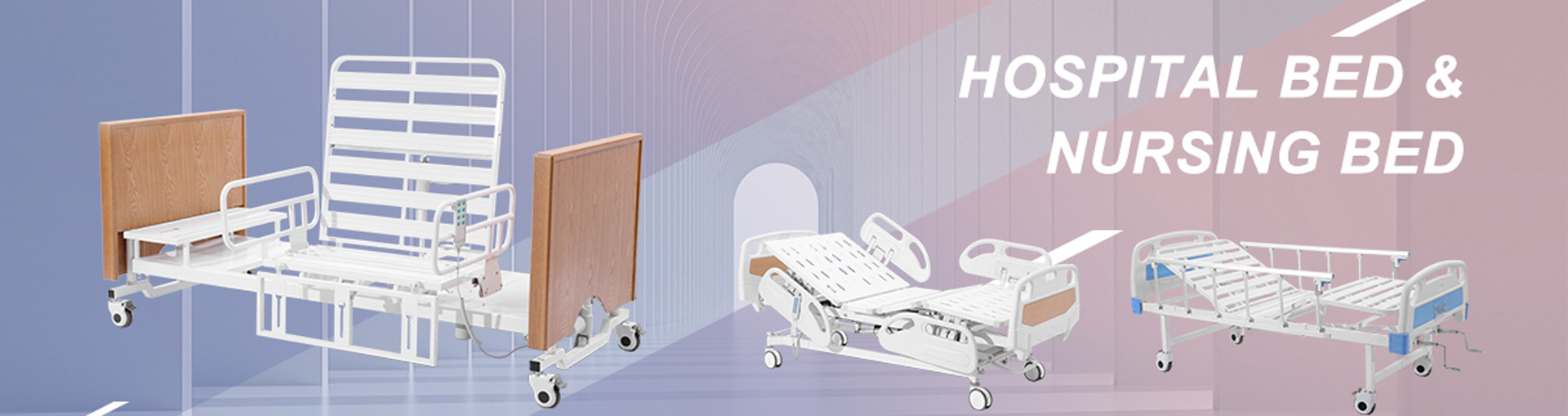
Many people consider purchasing a home-based hospital bed when they have elderly family members, post-operative patients, or long-term bedridden relatives. However, a common and crucial question before deciding to buy one is: what size should a home-based hospital medical bed be?
Size not only affects patient comfort but also directly impacts the convenience of care and the layout of home space. An inappropriate size can lead to cramped conditions or difficulty in moving the bed, and may also affect patient recovery and care efficiency.
This article will delve into this topic from a professional perspective, analyzing the standard dimensions, influencing factors, purchasing advice, and space matching of home-based hospital beds to help you scientifically choose the most suitable bed.
Why Understand the Size of Home-Based Hospital Beds?
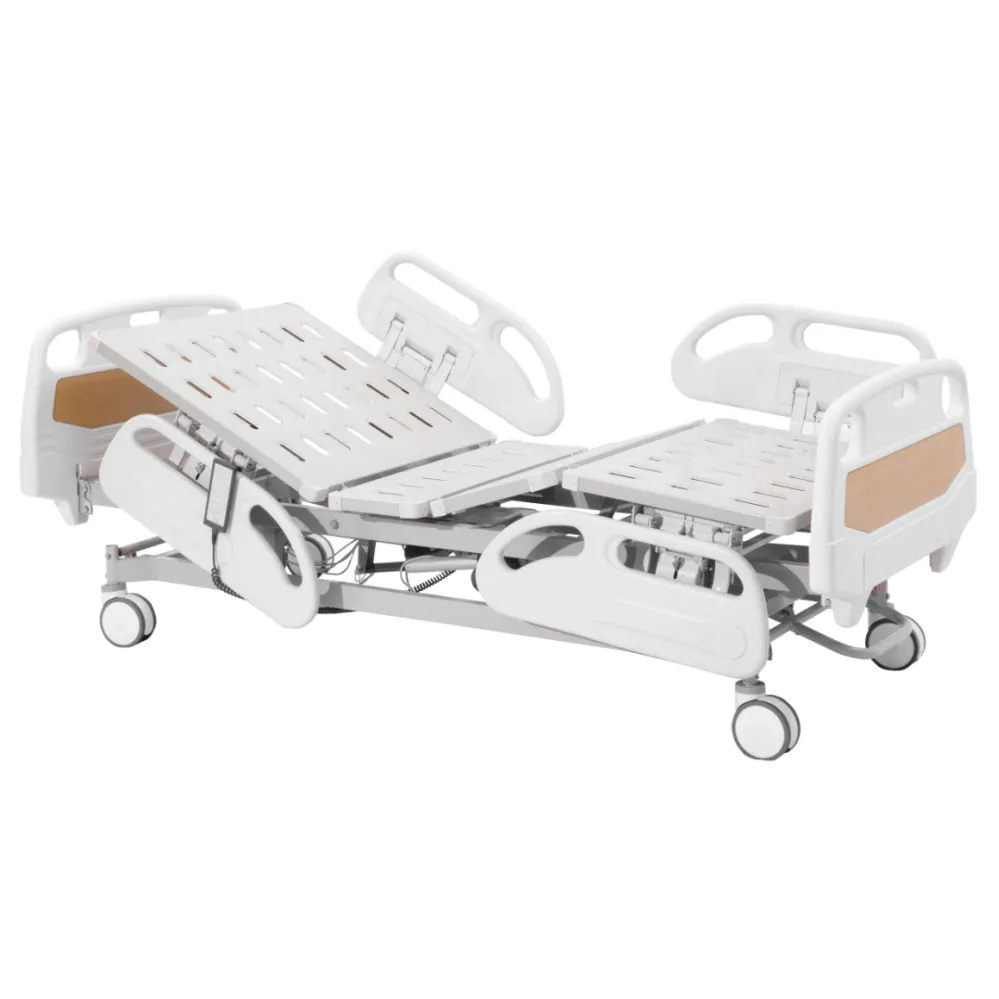
Understanding the size of a home-based hospital medical bed is crucial before purchasing one. The bed size not only affects patient comfort but also directly determines whether such equipment is suitable for a home.
1. Size Affects Patient Comfort and Safety
A bed that is too narrow will restrict the patient's turning space, affecting sleep quality; a bed that is too wide will make it inconvenient for caregivers to operate. 1. Correct bed width and height allow patients to safely get up, lie down, turn over, and adjust their position.
2. Size Determines Nursing Convenience
Home-based hospital beds often require side operations, guardrails, or a dining table. If the size doesn't match the room space, caregivers will find it difficult to operate, potentially leading to safety hazards.
3. Size Affects Room Layout
Home bedrooms have limited space, especially in apartments or small homes. The bed size must balance functionality and spatial mobility; otherwise, it will obstruct passage and cleaning.
4. Size Determines Accessory Compatibility
Home-based hospital beds are often paired with accessories such as bedside tables, IV stands, and anti-decubitus mattresses. Different sizes can affect the installation and use of these devices.
Therefore, choosing the correct size not only affects the patient's experience but also the efficiency and safety of the entire home care environment.
What are the common sizes of home-based hospital beds?
Home-based hospital beds on the market are not "one-size-fits-all." Their sizes vary depending on the patient type, usage scenario, and design functions. The following are common standard size classifications:
Types | Bed length (cm) | Bed width (cm) | Bed height (cm) | Suitable for |
| Single Standard Type | 200 ± 5 | 90 ± 5 | 45–55 (adjustable) | General adults |
| Wide Type | 200 ± 5 | 100–110 | 45–55 (adjustable) | Patients who are large in size or require assistance turning over |
| Double Care Type | 200 ± 5 | 120–140 | 45–55 (adjustable) | Patients requiring bilateral care |
Child Type | 180 ± 5 | 70–80 | 40–50 | Children or adolescents |
| Electric Multifunctional Type | 200 ± 5 | 90–110 | Adjustable height (45–75) | Postoperative patients, and patients who are bedridden for extended periods. |
Among them, 200cm × 90cm × 50cm is the most common standard size for home-use hospital medical beds.
This size ensures comfortable sleep for adults while facilitating family care, making it the most widely used specification for home care.
How are the dimensions of home-use hospital beds determined?
To understand the scientific basis for bed dimensions, it is necessary to analyze it from two aspects: ergonomics and medical care needs.
1. Ergonomic Design Principles
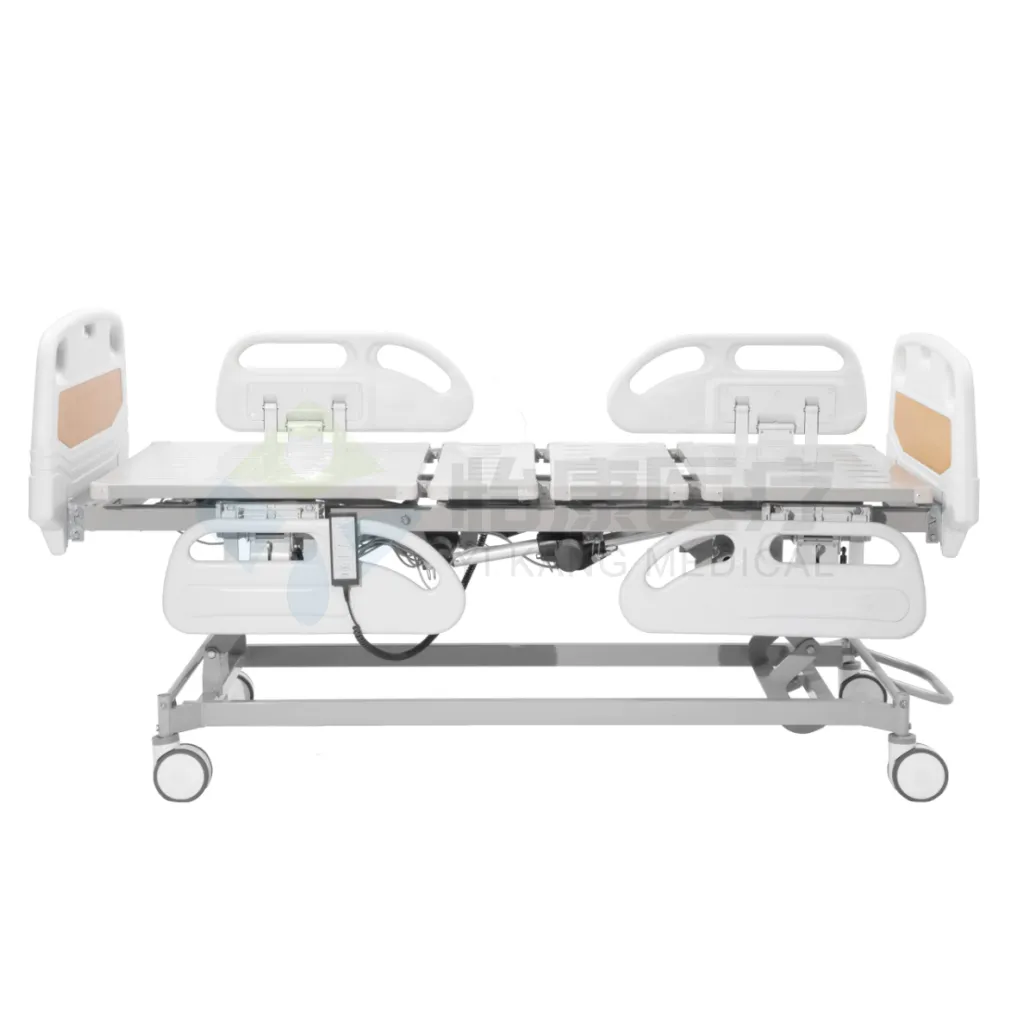
The width, length, and height of home-use hospital medical beds are designed based on average human height, weight, and range of motion.
• Length: Usually 15–20 cm longer than the average person's height to ensure legroom;
• Width: Must allow the patient to turn over freely and for caregivers to have easy access;
• Height: Ideally, it should be such that caregivers do not need to bend over excessively when standing (45–55cm is most suitable).
2. From a Medical Care Perspective
Hospital medical beds need to support operations such as repositioning, intravenous infusion, feeding, and cleaning; therefore, their dimensions must accommodate functional areas.
For example:
• Space must be reserved under the bed for installing casters;
• The bed frame must be able to accommodate an anti-decubitus air mattress;
• The height adjustment space for the guardrails must meet safety distance standards.
Therefore, the design of home-use hospital medical beds requires a comprehensive balance of comfort, safety, and practicality.
What factors should be considered when choosing the size of a home-use hospital bed?
Size selection is not fixed; it should be based on a comprehensive assessment of the home environment and the user's situation.
1. Patient Height and Body Type
• For patients taller than 180cm, a 210cm long extended bed is recommended;
• For overweight patients, a 100-110cm wide extended design is suitable to prevent a feeling of confinement.
2. Nursing Needs
• For frequent turning or multi-directional support, choose a three-function or multi-functional electric hospital medical bed (slightly wider).
• For basic bed rest, a single-function or manual hospital medical bed (more compact).
3. Home Space
Before purchasing, be sure to measure the following areas for placement:
• Distance between the bed and the wall (allow at least 70–90cm for nursing access);
• Door width (ensure the bed can easily enter and exit the room);
• Movement space (range of movement for wheelchairs or caregivers).
4. Accessory Installation Needs
For accessories such as IV stands, bedside tables, and bedside tables, space must be reserved in the design.
5. User's Ability to Get Up
For elderly or patients who are partially self-sufficient, the bed height should be moderate, with 45–50cm being most convenient for getting in and out of bed; for those who are completely bedridden, a hospital bed with height adjustment is more suitable.
Size Differences Between Different Types of Home-Based Hospital Beds
Based on their functional structure, home-based hospital medical beds can be divided into several types, each with different size designs.
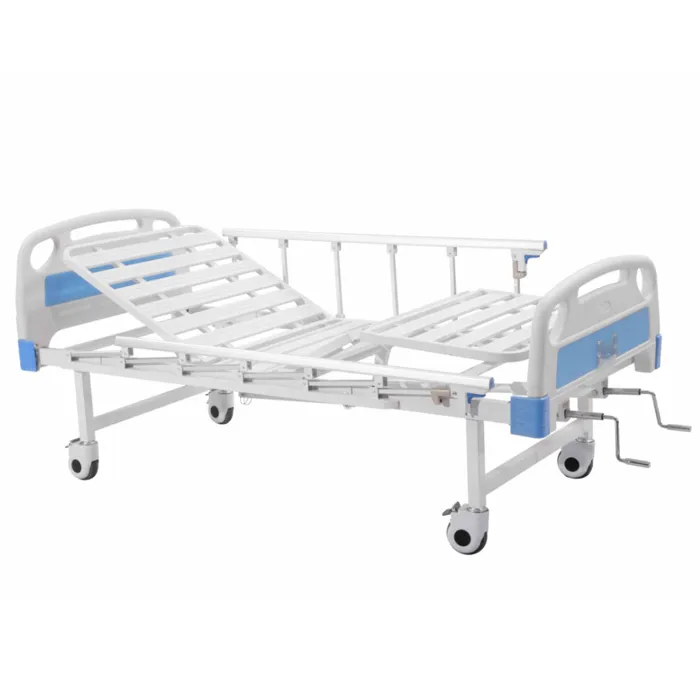
1. Manually Adjustable Bed
• Generally 200×90×50cm;
• Back and leg angles are adjusted via mechanical rocker arms;
• Standardized size, suitable for most home spaces.
2. Electric Adjustable Bed
• Common size 200×100×50cm, slightly wider than the manual model;
• Features multi-angle adjustment, height adjustment, and turning functions;
• Suitable for patients who are bedridden for extended periods or require rehabilitation assistance.
3. Multifunctional Home Nursing Bed
• Size range 200×110×(45–75)cm;
• Features height adjustment, back and leg adjustment, side turning, and a dining table;
• Usually occupies slightly more space, suitable for a separate bedroom or a larger space.
4. Portable Folding Hospital Bed
• Slightly smaller in size (190×80×45cm);
• Easy to move and store, but limited functionality;
• Suitable for short-term care or temporary use.
5. Double Nursing Bed
• Approximately 200×130cm;
• Allows for simultaneous care from both sides, suitable for larger patients or those requiring two caregivers.
Different sizes of home-use hospital medical beds have their own advantages and disadvantages in terms of functionality and adaptability. The key is to choose the most suitable model based on the actual space and care needs.
Reasonable Matching of Home Space and Hospital Bed Size
Many people overlook a crucial issue when purchasing hospital medical beds—the compatibility with their home space.
No matter how good the bed is, if it doesn't fit or causes obstruction in the passageway, it will affect the user experience.
1. Minimum Recommended Room Space
Taking a standard hospital medical bed (200×90cm) as an example, the recommended minimum room area is 3m × 3m (9㎡) to allow for:
• At least 60cm of operating space on both sides of the bed;
• Sufficient space for movement and nursing care at the foot of the bed;
• Placement of a nursing cabinet or IV stand beside the bed.
2. Door Width and Passageway
The overall width of the hospital medical bed is approximately 90–100cm. It is recommended that the net width of the door frame be ≥90cm to ensure easy movement.
3. Power Supply and Lighting
If choosing an electric bed, ensure there is a power outlet near the head of the bed to avoid the risk of tripping over extension cords.
4. Ventilation and Lighting
The hospital bed should be placed as close to a window as possible to maintain air circulation and natural light, but avoid direct sunlight.
Appropriate size combined with reasonable space planning will maximize the nursing benefits of home-use hospital medical beds.
The Relationship Between Home-Use Hospital Bed Size and Mattress Selection
After determining the bed size, attention should also be paid to matching the mattress.
The bed frame and mattress must fit perfectly; otherwise, displacement, sagging, or bedsores are likely.
1. Mattress Length and Width Matching
• The error between the mattress length and width and the bed frame should not exceed 2cm;
• A mattress that is too large is prone to bending and deformation, while one that is too small is prone to sliding.
2. Thickness Selection
• A thickness of 8–12cm is recommended;
• If using an anti-bedsore air mattress, choose the same size as the hospital bed.
3. Material Requirements
Choose a mattress material that is breathable, supportive, and easy to clean (such as high-density foam or medical air mattresses).
4. Mattress Fixation Method
Some home-use hospital beds come with mattress fixing straps to prevent sliding and improve safety.
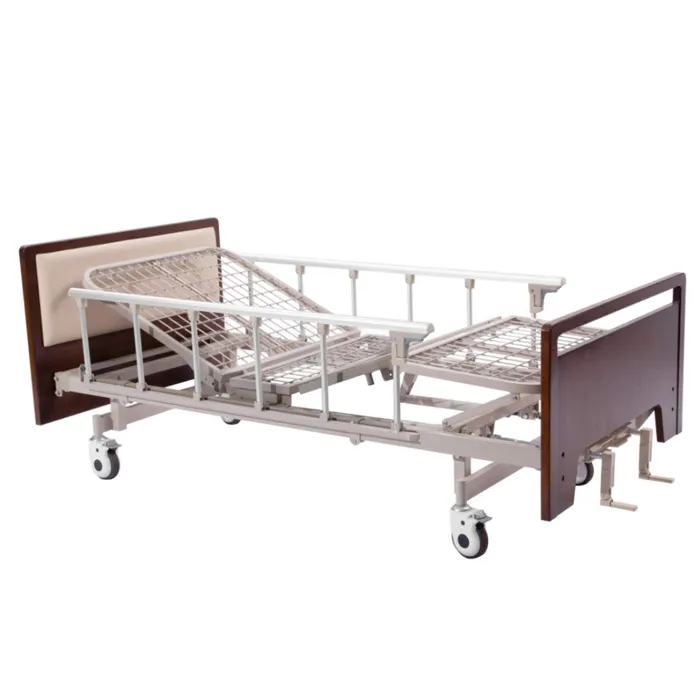
Measurement and Confirmation Steps Before Purchasing a Home-Use Hospital Bed
To avoid size discrepancies, it is recommended to complete the following measurement process before purchasing:
• Measure the net space of the bedroom: usable area excluding furniture;
• Measure the width of the doorway and the turning angle of the passageway;
• Determine the bed's placement direction (headboard against a wall or window);
• Allow sufficient space for nursing operations (at least 70cm on one side);
• Confirm the location of power sources and the direction of light;
• Select the appropriate bed size based on the measurement data.
In addition, it is best to confirm the actual dimensions of the bed's outer diameter and the mattress's inner diameter with the seller to avoid the awkward situation of the bed not fitting after purchase.
Can Yikang Medical supply hospital rehabilitation equipment worldwide?
Yes, Yikang Medical is a professional manufacturer and supplier of hospital rehabilitation equipment for global customers. Our product range includes hospital beds, nursing beds, electric and manual wheelchairs, walkers, crutches, shower chairs, and toilet chairs. Located in Foshan, China, we began production in 2010 and expanded in 2014 to hospital equipment. We provide OEM services and customized solutions for design, configuration, and color.