
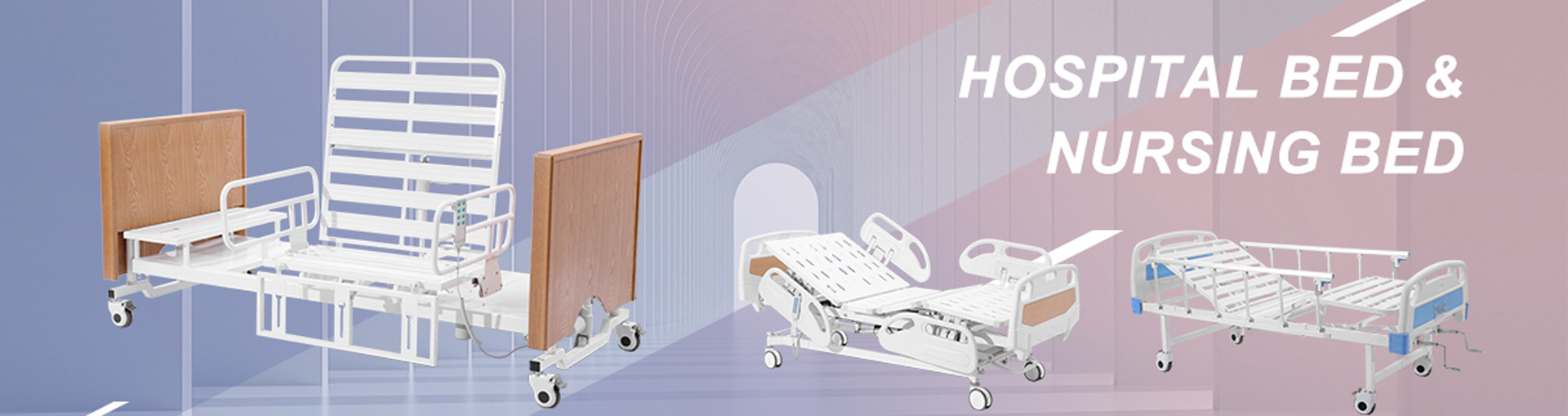
Many family members, out of emotional concern, want to be with their loved ones, even considering whether it's safe to sleep on the hospital bed with them. While this intention is good, from the perspectives of medical safety, nursing efficiency, and patient health, the answer is a resounding no.
This article will analyze in depth why sleeping on a hospital medical bed with a patient is not advisable, and systematically explain the risks and correct methods of scientific care. The article will repeatedly mention the keyword "hospital bed" to help you understand the safety boundaries of home care from a professional perspective.
Why would someone want to sleep on a hospital bed with a patient?
In home care or hospital companionship, family members often empathize due to emotions and a sense of responsibility:
• The patient needs care at night, and they worry about being too far away to hear calls;
• They worry about the patient being lonely and want to be close to them;
• Limited space at home makes the hospital bed the only place they can "lie down";
• Some family members mistakenly believe that as long as there is enough space, it is safe to sleep together.
However, these ideas overlook the structure, weight-bearing limitations, and medical safety principles of hospital beds.
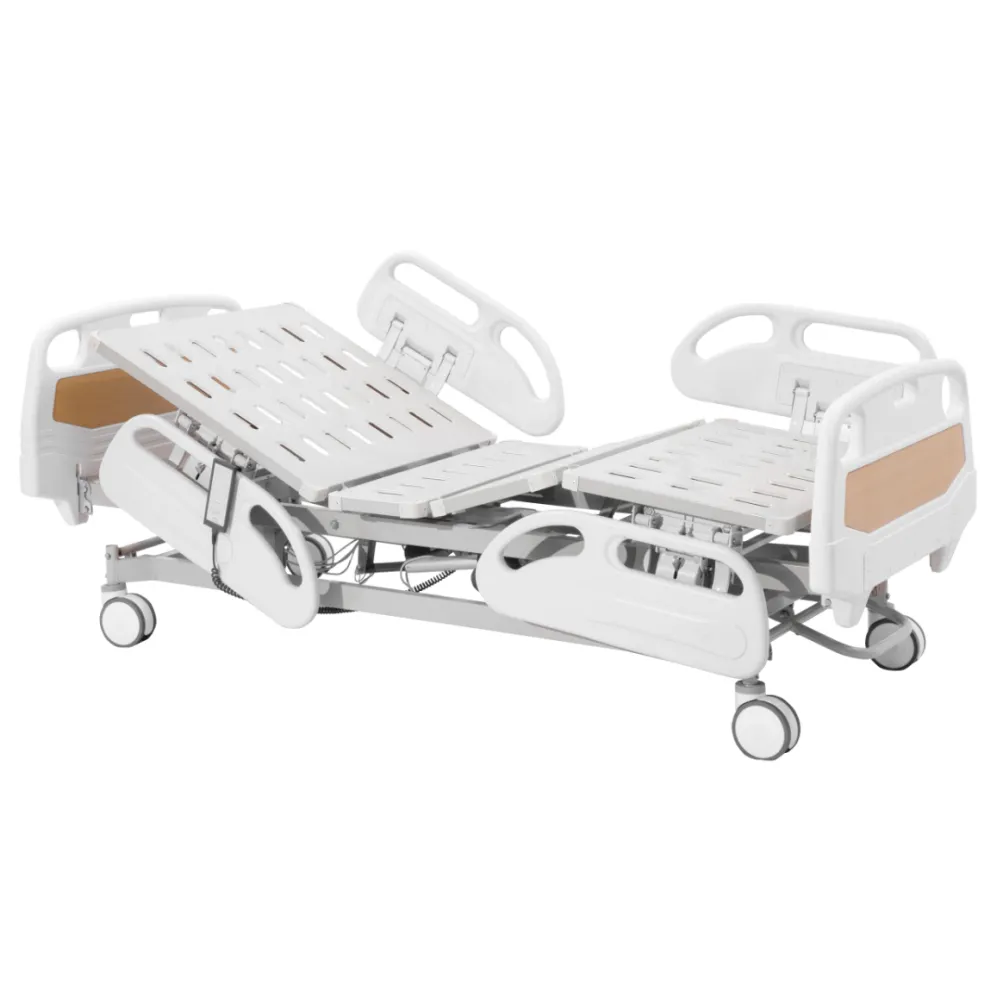
A hospital bed is not a double bed; it is a medical device designed for patients, and every component—from the bed frame and guardrails to the mattress and lifting system—serves the specific physiological needs of the patient.
Therefore, using a hospital bed as a regular bed, especially co-sleeping with a patient, is a mistake and a dangerous practice.
What is the essential difference between a hospital bed and a regular bed?
Before answering the question of "can we sleep together?", we need to re-understand the concept of a "hospital bed."
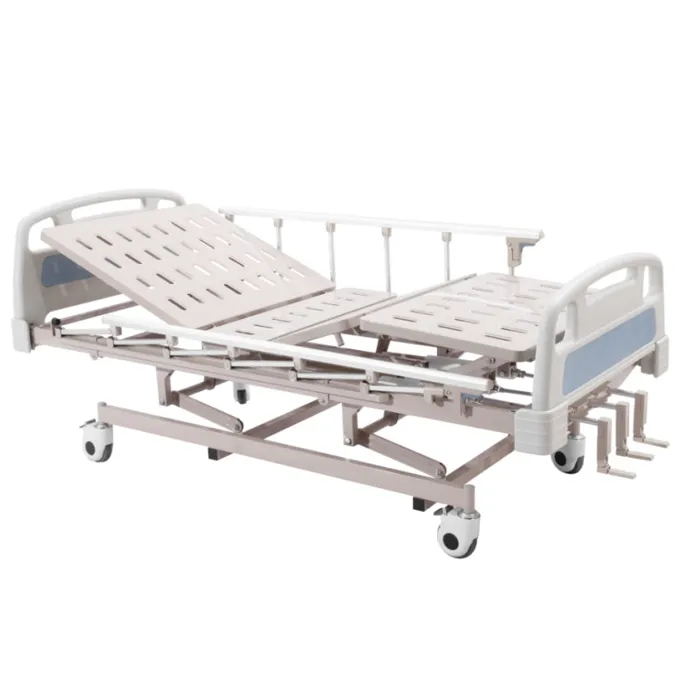
A hospital medical bed (also known as a medical bed or nursing bed) is a medical device specifically designed for patients; it is not ordinary furniture.
Hospital beds possess the following core characteristics:
• High functionality: Adjustable height, backrest angle, and leg support angle to meet the needs of patients in different positions.
• Limited weight-bearing design: Generally, hospital medical beds have a weight-bearing range of 120–250 kg and are designed for single use.
• Specialized Structure: The bed frame is mostly made of steel, with a motor system, guardrails, and casters.
• Medical Purpose: Used to assist with nursing care, treatment, and rehabilitation; not designed for double use.
Therefore, a hospital bed is a medical device customized for a single patient, not a double space designed for "companionship."
Why can't you sleep on a hospital bed with the patient?
This question seems simple, but it actually involves many aspects, including patient safety, nursing risks, psychological impact, and the protection of medical equipment. The reasons are explained below.
1. Hospital bed structure has limited load-bearing capacity; overloading poses a danger
Hospital beds are designed to support the weight of one patient.
When two people lie on a hospital bed simultaneously, the following risks arise:
• Bed frame deformation or breakage: The metal structure is forced to bear excessive weight, making it prone to damage or even collapse;
• Motor system damage: The lifting mechanism of an electric hospital bed has a fixed load standard; exceeding the load may cause the motor to burn out or seize;
• Bed instability or tilting: Uneven weight distribution between two people may cause the bed to tilt or the wheels to shift, leading to a risk of falling out.
Therefore, from a safety perspective, hospital beds are not structurally suitable for two people sleeping together.
2. Patients' physical condition does not allow for sharing a sleeping space
Most patients are weak, have undergone surgery, or are in a bedridden recovery state; their bodies are very sensitive.
Co-sleeping not only fails to provide comfort but can also cause multiple harms:
• Compression of breathing and blood circulation: Even slight movements during co-sleeping can compress the patient's body;
• Impaired position adjustment: Hospital beds require regular angle changes to prevent bedsores, but co-sleeping severely disrupts this adjustment;
• Decreased sleep quality: Patients are easily startled, sweat, or experience pain, and co-sleeping makes it even harder for them to fall asleep.
This risk is particularly pronounced for post-operative patients, those with respiratory illnesses, heart disease, or stroke.
3. Limited care space increases the difficulty of care
Hospital medical beds are typically around 90 cm wide and designed for single-person use.
When someone shares the bed with the patient, the care space is significantly reduced, leading to:
• Difficulty for caregivers to turn the patient over, wipe them down, or change their clothes;
• Difficulty in responding promptly to emergencies (such as vomiting or abnormal breathing);
• Increased risk of accidental contact or compression of bedside equipment (IV stands, monitors).
The safety of care is thus greatly reduced.
4. Increased Risk of Infection and Cross-Contamination
Hospital beds are crucial for patient rest and treatment, making cleanliness and hygiene paramount.
If others share a bed with the patient, it can lead to:
• Cross-infection of bacteria: Caregivers may introduce external pathogens into the bed;
• Impact on immunocompromised patients: Patients have weakened immune systems, and even minor infections can have serious consequences;
• Increased environmental contamination: Human skin flakes, sweat, and breath can all contaminate the hospital medical bed surface.
Therefore, to prevent patient infection, hospital medical beds must maintain a private, dedicated, and clean environment.
5. Interference with Normal Hospital Bed Function and Operational Safety
Most modern hospital beds are equipped with electrically adjustable systems, including height adjustment, backrest elevation, and leg flexion functions.
When two people sleep together:
• Uneven force during bed adjustments can cause jamming or motor damage;
• Adjustments may cause the caregiver to lose balance or even fall;
• Accidental activation of the remote control may cause the patient to assume an incorrect position, affecting their health.
All adjustments and controls on the hospital medical bed are designed for single-person use. Using it with two people is not only dangerous but may also damage the equipment.
What if the patient is alone at night? Are there safe ways to provide care?
Many family members want to share a bed with the patient for emotional comfort.
However, accompanying a patient doesn't necessarily mean "sleeping together." "Safe care" can be achieved through scientific methods.
1. Use a companion bed or folding bed
Both hospitals and home care providers can prepare a companion bed, which is usually foldable and movable, conveniently and safely placed next to the hospital bed.
This allows for immediate care of the patient without interfering with the use of the hospital medical bed.
2. Utilize a call system or monitoring equipment
For patients requiring nighttime care, a call button or video surveillance can be installed next to the hospital medical bed to ensure immediate response.
3. Rotating Night Shifts
For long-term care, family members can arrange rotating night shifts to maintain quality care while avoiding physical fatigue.
4. Psychological Support and Communication
Patients often need more than just physical companionship; they need a sense of security and comfort.
Soothing can be achieved through conversation, handshakes, and gentle pats, without the need for co-sleeping.
Which hospital beds are best for home care?
While co-sleeping is not possible, choosing the right hospital bed can significantly improve the quality of care and the caregiver's experience.
The following types of hospital beds are suitable for home use:
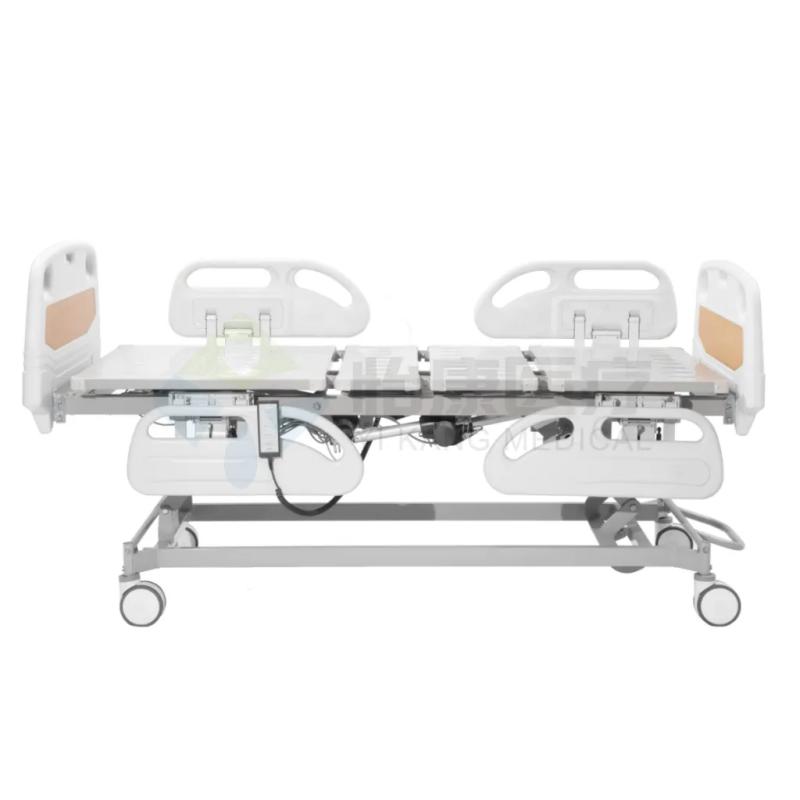
• Electric hospital bed: Automatically adjusts position, suitable for post-operative or long-term bedridden patients.
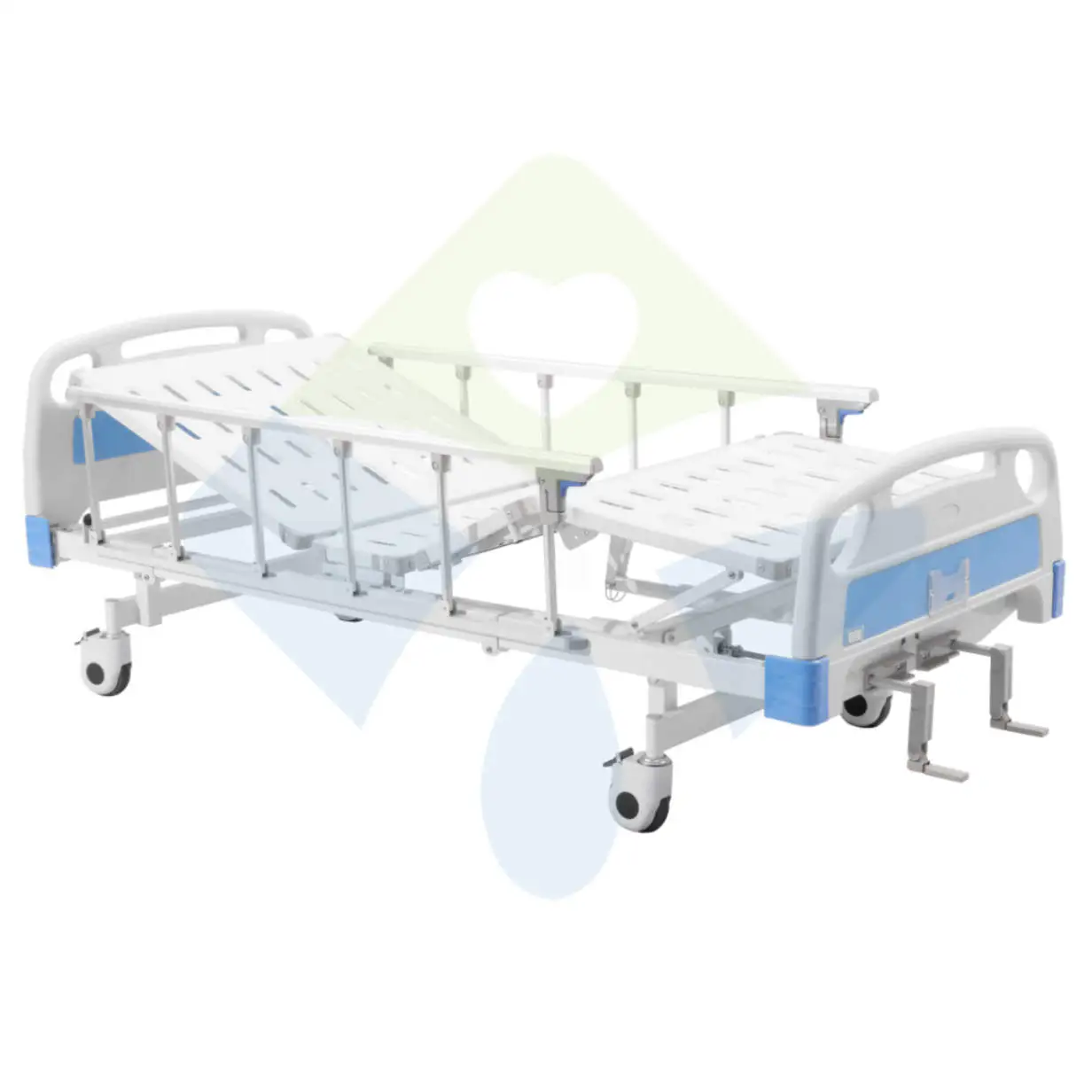
• Manual hospital bed: An economical option, suitable for family members to assist with operation.
• Multifunctional hospital bed: Supports backrest adjustment, leg adjustment, and anti-bedsore features.
• Hospital beds with accompanying chairs: Some models include a foldable chair for caregivers to rest briefly.
These hospital beds are designed with the needs of caregivers in mind, but adhere to one principle—the bed is for patient use only.
What are the consequences of forcing a patient to sleep in the same bed?
Forcing a patient to sleep in the same hospital medical bed can not only damage the equipment but also lead to the following serious consequences:
• Falls from the bed: The hospital medical bed may be too narrow, making it easy for two people to fall out when turning over.
• Breathing obstruction: The patient may experience difficulty breathing due to pressure or improper positioning.
• Postoperative wound dehiscence or infection: Body pressure can affect wound healing.
• Damage to the electrical system: Overloading the motor can cause the adjustment function to malfunction.
• Nursing care errors: In an emergency, the bed may not be able to be operated in time, delaying rescue efforts.
These risks all indicate that two people should not be in the same hospital medical bed.
The Correct Nursing Philosophy: Companionship is Not About "Sharing a Bed," but About "Safe Companionship."
The core of nursing care is safety and comfort, not physical closeness.
Scientific nursing advocates:
• Single use of hospital beds to ensure patients have sufficient rest and activity space;
• Independent and clean nursing spaces to prevent infection;
• Appropriate distance between caregivers and patients, allowing for timely response without disturbing the patient's sleep.
These methods ensure both patient comfort and effective care.
Hospital Beds are Not Double Beds, and Companionship Requires a Scientific Approach
In conclusion, the answer is clear—do not sleep on a hospital medical bed with the patient.
From structural design, safety risks, patient health, and nursing efficiency perspectives, hospital beds are only suitable for single use.
The best way to accompany a patient is to provide a companion bed or chair next to the hospital bed, not to sleep together.
The correct nursing philosophy should be:
Ensuring patients rest safely, not being "accompanied" in a dangerous environment.
A hospital medical bed is a private space for the patient; any well-intentioned attempt at "co-sleeping" could potentially become dangerous.
Scientific nursing care is the deepest form of love for patients.
Where is Yikang Medical located?
Yikang Medical is based in Foshan, Guangdong, China. Since 2010, we have been a professional manufacturer of medical and rehabilitation equipment, starting with hardware and mechanical components, and expanding to hospital medical beds and wheelchairs in 2014. We are an OEM supplier for several major brands, providing high-quality hospital beds, nursing beds, electric and manual wheelchairs, toilet chairs, shower chairs, walkers, and crutches.
Customers globally trust our factory for customized solutions, reliable delivery, and certified products with ISO13485, ISO9001, CE, and FDA credentials.