
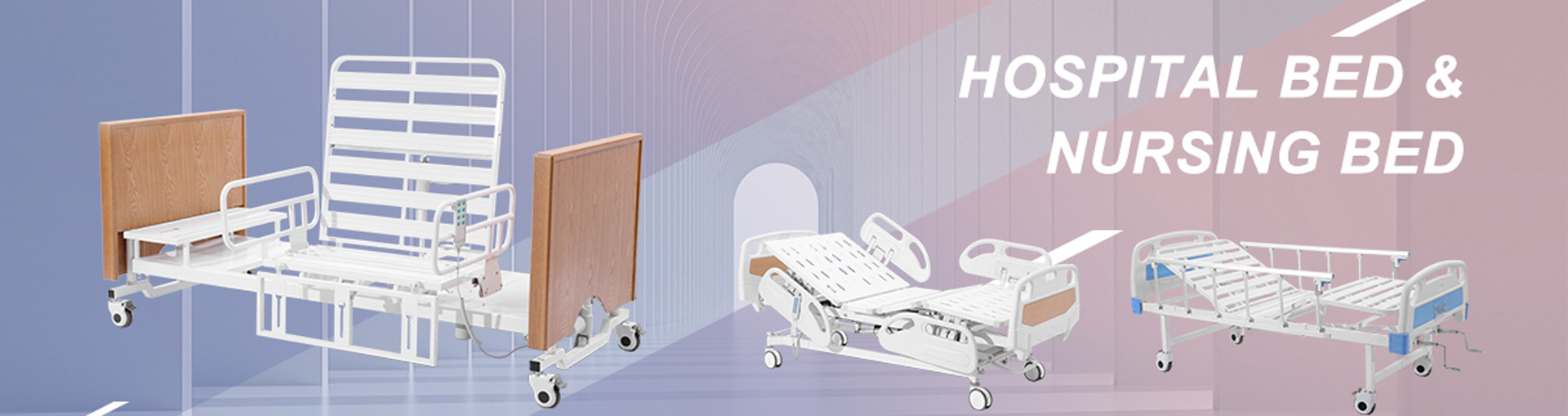
When patients require long-term bed rest or rehabilitation care, families often face a choice: is it necessary to use a hospital bed instead of a regular bed?
From medical, safety, comfort, and nursing efficiency perspectives, the answer is yes—hospital medical beds are more suitable for patients than regular beds.
Hospital beds are not ordinary furniture; they are medical care equipment specifically designed for bedridden patients, effectively improving the quality of care, reducing the burden on families, and lowering the risk of accidents.
This article will analyze the differences between hospital medical beds and regular beds in depth, explaining from multiple perspectives such as structure, function, ergonomics, safety protection, nursing convenience, and hygiene management why hospital beds are better for patients.
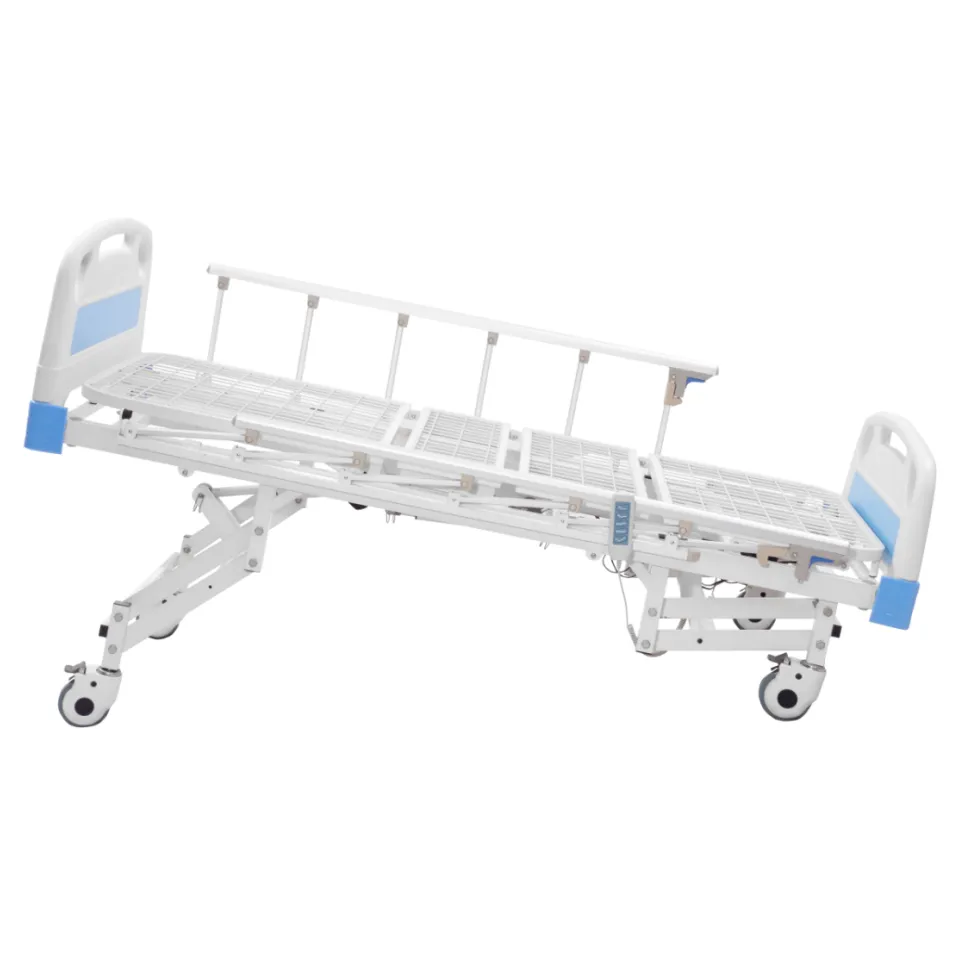
Why shouldn't patients stay in regular beds indefinitely?
Many families, when caring for a patient, choose to have the patient use their home bed to save costs or space. However, from a medical perspective, regular beds cannot meet the basic needs of patients who are bedridden for extended periods.
1. Standard beds lack posture adjustment features
Maintaining the same position for extended periods can lead to pressure sores, poor blood circulation, and muscle atrophy. Standard beds cannot adjust angles or positions, forcing patients to rely on family members to turn them over, which is uncomfortable and increases the risk of injury.
2. Standard beds hinder nursing care
Family members often need to help with feeding, bathing, changing clothes, or turning patients over. However, standard beds have a fixed height, and if they are too low, caregivers have to bend over frequently, increasing the risk of back strain.
3. Standard beds lack safety precautions
Many patients (especially the elderly or post-operative patients) are prone to accidental falls when turning over at night, and standard beds lack bed rails, posing a serious safety hazard.
In summary, standard beds are not designed for patients and fail to meet nursing needs in terms of both functionality and safety. Hospital medical beds, on the other hand, exist to solve these problems.
What is the biggest advantage of hospital beds compared to standard beds?
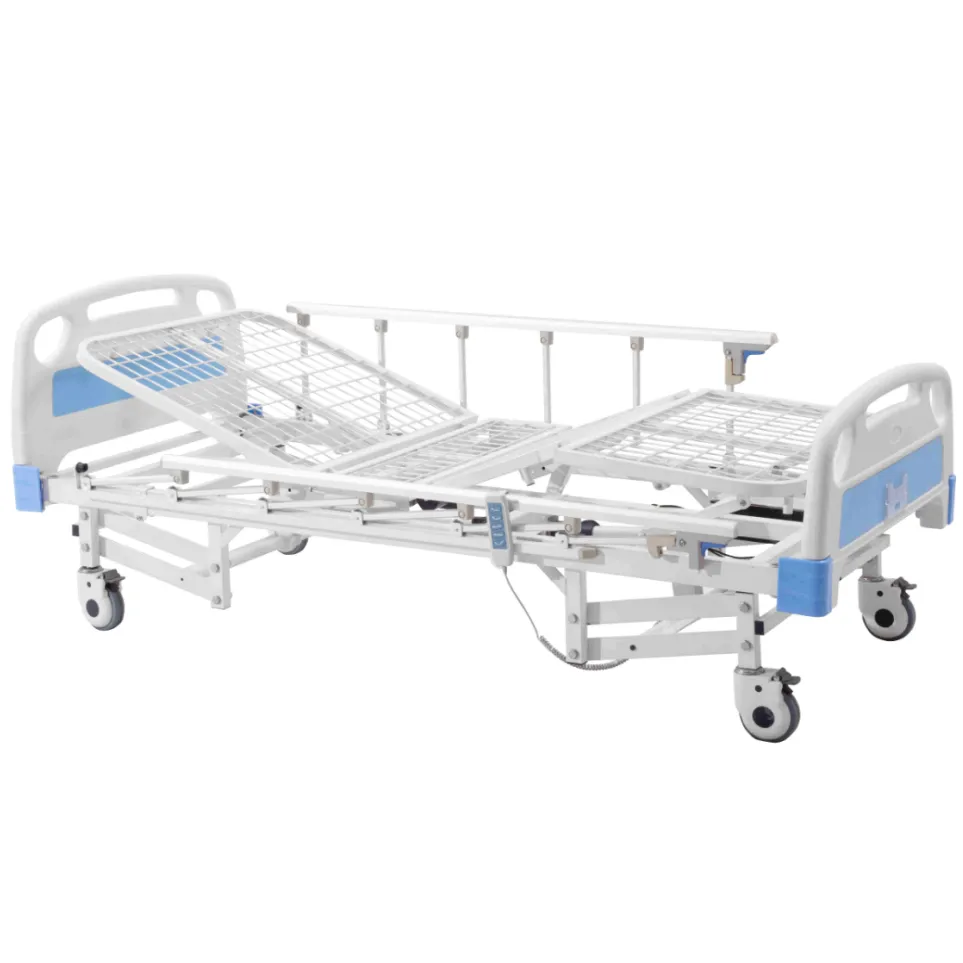
The biggest advantage of hospital beds lies in their function as "adjustable medical care platforms," which not only improve patients' physiological condition but also significantly enhance nursing efficiency.
The following are the main advantages of hospital beds compared to ordinary beds:
1. Multi-positional adjustment for enhanced comfort
Hospital beds allow for electric or manual adjustment of the backrest, leg support, and overall height.
Patients can sit up, recline, or lie flat, finding the most comfortable position at any time, which helps with smooth breathing, prevents bedsores, and promotes digestion.
2. Height adjustment for convenient care
Hospital beds can be raised and lowered, allowing caregivers to adjust the bed height as needed, reducing bending and thus minimizing caregiver fatigue and lower back injuries.
3. Enhanced safety with fall protection design
All hospital medical beds are equipped with adjustable bed rails to prevent accidental falls and facilitate family assistance, making them far safer than ordinary beds.
4. Complete Set of Medical Accessories
Hospital medical beds can be equipped with accessories such as IV stands, bedside lamps, dining tables, bedpans, and casters to meet daily medical and living needs. They are integrated systems combining rest, treatment, and nursing care.
Therefore, hospital beds are not just "beds," but also a comprehensive "nursing platform" supporting patient recovery.
How does the design concept of hospital beds differ from that of ordinary beds?
The design of hospital beds follows the principles of Medical Ergonomics, with every structural detail focused on patient comfort and nursing safety.
1. Hospital Beds Emphasize Human Body Support
The mattress and bed board support are scientifically tested to distribute body pressure and avoid prolonged pressure on bony prominences.
Ordinary bed mattresses are often too soft or too firm, failing to provide adequate support and easily causing muscle soreness or spinal deformities.
2. Hospital Beds Prioritize Stability
Hospital beds use steel or stainless steel frames, ensuring a stable structure that can withstand frequent lifting, lowering, and moving operations.
Ordinary beds are prone to wobbling when moved or adjusted, posing a lower safety risk.
3. Hospital beds can be customized with functional modules
Based on the patient's condition, specialized functions such as one-button CPR lying down, repositioning, and non-slip mattresses can be added.
Ordinary beds have a fixed structure and cannot perform these operations.
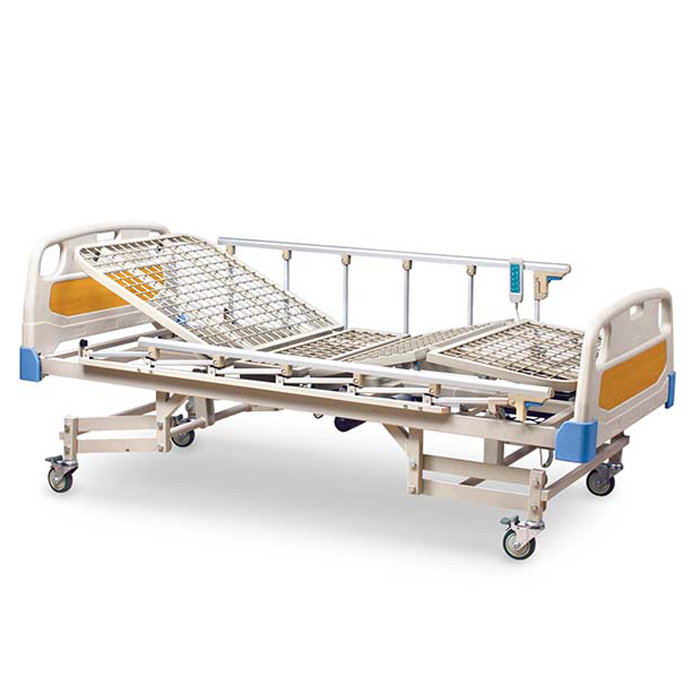
What physiological benefits do hospital beds bring to patients?
The greatest benefit of hospital medical beds to patients lies not only in their ease of use but also in promoting physical recovery and preventing complications.
1. Improved breathing and blood circulation
Adjustable back angles help patients breathe more smoothly, especially those with lung diseases or after surgery.
At the same time, appropriately elevating the legs promotes venous return and reduces lower limb edema.
2. Prevention of pressure sores and muscle atrophy
Hospital beds can significantly reduce the risk of pressure sores by changing lying position, repositioning functions, or using anti-decubitus air mattresses.
Ordinary beds, on the other hand, easily lead to prolonged local pressure, causing skin necrosis.
3. Reduces Cardiac Burden
For patients with heart or respiratory illnesses, hospital beds allow for semi-recumbent rest, effectively reducing cardiopulmonary stress and improving sleep quality.
4. Promotes Rehabilitation Training
Some hospital beds are equipped with assistive standing or sitting functions, helping patients gradually regain independent mobility, which is especially important for patients who have been bedridden for a long time.
How do hospital beds improve nursing efficiency?
In home care, caregivers often experience high workloads. Hospital beds not only protect patients but also caregivers.
1. Adjustable Height Makes Care More Easier
With the height adjustment function, caregivers can perform feeding, bathing, or dressing changes at a suitable height without repeatedly bending over.
2. One-Button Operation Saves Time
The remote control system of electric hospital medical beds allows for quick posture adjustments, eliminating the hassle of manual movement and making care more efficient.
3. High Mobility
Wheeled hospital beds are easy to move, allowing patients to be pushed to the balcony or living room for easy cleaning and psychological relaxation.
In general, hospital beds make nursing care more controllable, orderly, and scientific, significantly improving overall nursing efficiency.
How much safer are hospital beds than ordinary beds?
Safety is one of the key indicators for evaluating the quality of hospital beds. Hospital beds far surpass ordinary beds in structural design and safety measures.
1. Equipped with protective bed rails
Liftable bed rails prevent patients from accidentally falling out of bed, especially suitable for the elderly or unconscious patients.
2. Braking system ensures stability
Hospital medical bed casters are equipped with braking systems, making movement convenient and locking reliably to prevent bed slippage and accidents.
3. Electrical system safety protection
The motors and control boxes of electric hospital medical beds meet medical device safety standards and are equipped with leakage protection and anti-pinch devices.
4. Rounded corners to prevent bumps and knocks
All hospital beds feature rounded corners in their structural design, reducing the risk of accidental bumps and knocks.
These safety details are completely unmatched by ordinary home beds.
What are the advantages of hospital beds in terms of hygiene management?
Patients typically have weakened immune systems, making the hygiene of hospital beds particularly important. Hospital beds offer significant advantages in cleaning and maintenance:
1. Easy-to-clean materials
Hospital medical beds use medical-grade ABS plastic and rust-resistant steel, with smooth, non-absorbent surfaces that are easy to disinfect.
Ordinary beds are mostly made of wood, which easily breeds bacteria and mold.
2. Easy to disinfect
Hospital medical bed surfaces are resistant to medical disinfectants such as alcohol and hydrogen peroxide, and will not corrode or discolor.
3. Removable and washable accessories
Many hospital bed mattresses and anti-slip mats are removable and washable, preventing cross-infection.
4. Reduced odor buildup
Ventilated bed boards and adjustable designs reduce odor problems caused by patient sweating and seepage, keeping the bed environment fresh.
Are hospital beds suitable for home use?
Many people mistakenly believe that hospital beds are only suitable for medical institutions, but this is not the case.
Today, home nursing beds have become an important part of home healthcare; they are essentially home versions of hospital beds.
Home-use hospital beds typically:
• Have a more welcoming, home-like appearance;
• Are sized to fit the bedroom space;
• Retain core care needs (such as height adjustment, turning over, and sitting up);
• Are easy to operate and highly safe.
Therefore, for long-term bedridden patients, using a hospital bed at home provides a medical-grade care experience while maintaining comfort.
What should you consider when purchasing a hospital bed?
After confirming that a hospital medical bed is more suitable for the patient than a regular bed, choosing the right product becomes crucial. Consider the following aspects when purchasing:
• Determine the purpose: Is it for long-term care or short-term rehabilitation?
• Choose the appropriate size: Based on room space and the patient's body size.
• Pay attention to weight-bearing capacity: Generally, it should be no less than 150 kg.
• Prioritize electric functions: Easier to adjust posture.
• Check safety certifications: Ensure compliance with medical device standards (e.g., IEC 60601-2-52).
• Consider after-sales service and parts support: Reputable brands typically offer 3–5 year warranties.
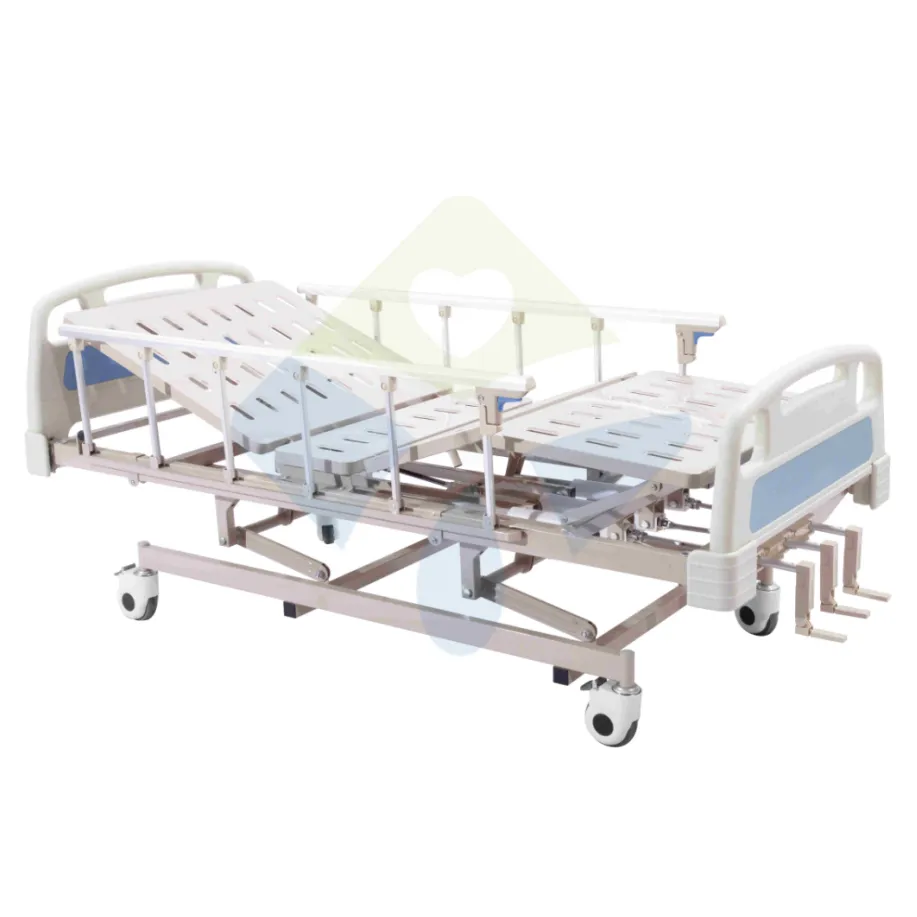
Why are hospital beds more suitable for patients than regular beds?
The above analysis clearly answers:
Yes, hospital medical beds are better than regular beds.
The main reasons are as follows:
Comparison Items | Hospital Bed | Standard bed |
| Posture Adjustment | Multi-stage adjustable (electric/manual) | Fixed and unchanging |
| Safety Protection | Equipped with bed rails and anti-pinch system | No protective measures |
| Ease of Care | Height adjustable, wheeled movement | Difficult to care for |
| Comfort | Ergonomically designed | Too soft or too hard |
| Hygiene Management | Easy to clean and sterilize | Prone to bacterial growth |
| Lifespan | Professional medical structure | Common home structure |
| Suitable Population | Suitable for patients, the elderly, and post-operative recovery patients | Suitable for healthy individuals |
Therefore, hospital beds not only far surpass regular beds in functionality, but also have decisive advantages in safety, hygiene, comfort, and nursing efficiency.
For patients who need bed rest, hospital medical beds are not a luxury, but an essential medical assistive device.
Who is Yikang Medical?
Foshan Yikang Medical Technology Co., Ltd, also known as Yikang Medical, is a professional manufacturer and supplier of hospital rehabilitation equipment and nursing devices in China. Located in Foshan, Guangdong, we started our journey in 2010 producing hardware and mechanical parts.
By 2014, we expanded into manufacturing hospital medical beds and wheelchairs, becoming an OEM partner for several leading brands. Our high-quality products, including hospital medical beds, nursing beds, electric wheelchairs, manual wheelchairs, toilet chairs, shower chairs, walkers, and crutches, are sold worldwide.