From common industry specifications:
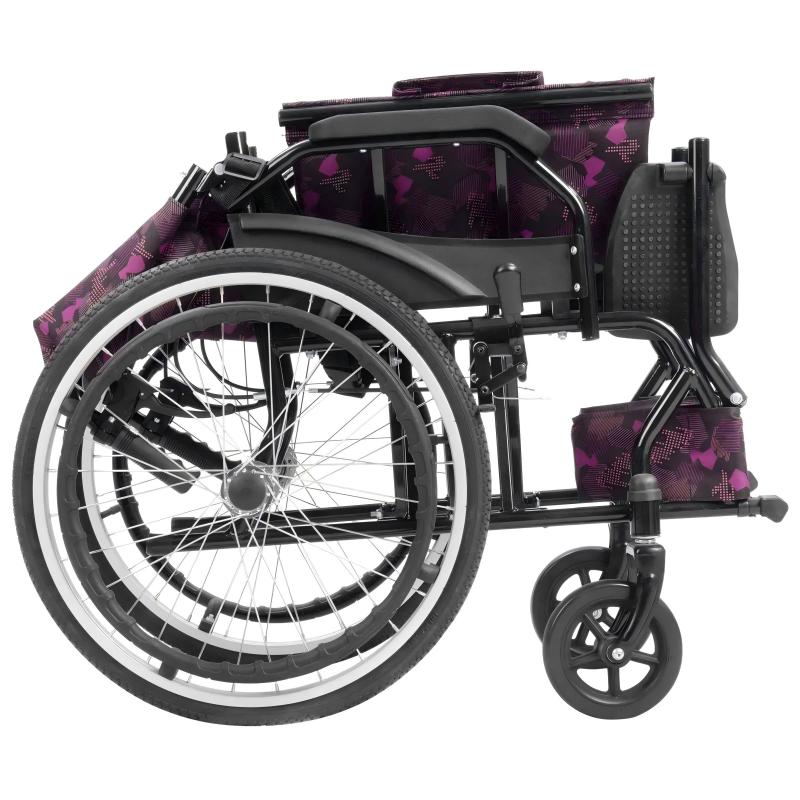
• Most standard manual wheelchairs are typically wider than 24 inches.
• Even manual wheelchairs with narrower seat widths often have a rear wheel track distance close to or exceeding this value.
People who need to use standard manual wheelchairs include:
1. People with short-term mobility restrictions
2. People with mobility difficulties caused by chronic diseases
3. Elderly people
4. Patients with spinal cord injuries
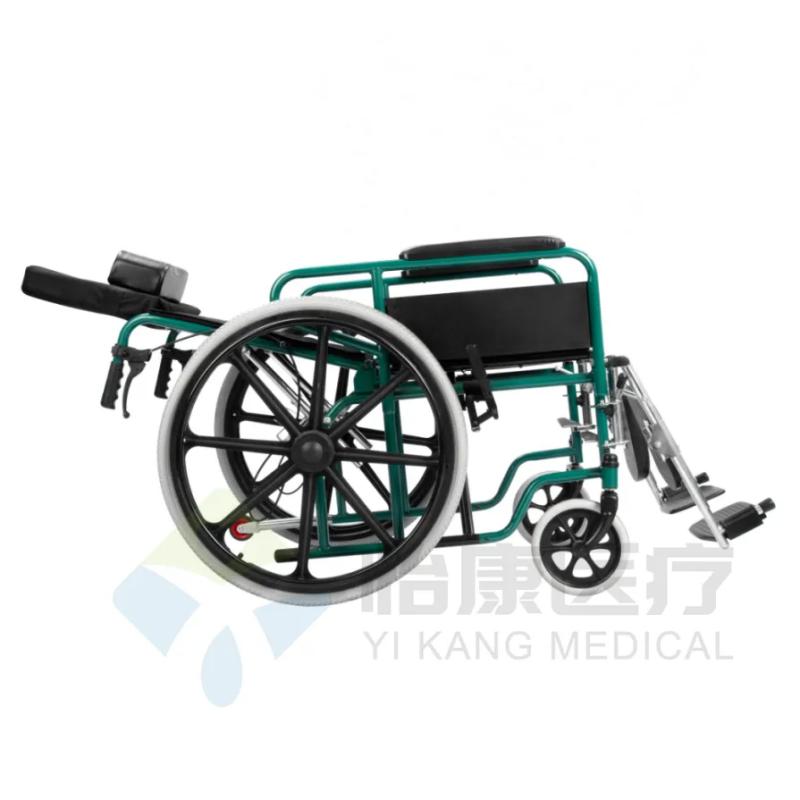
5. Patients who are bedridden for a long time but can sit up
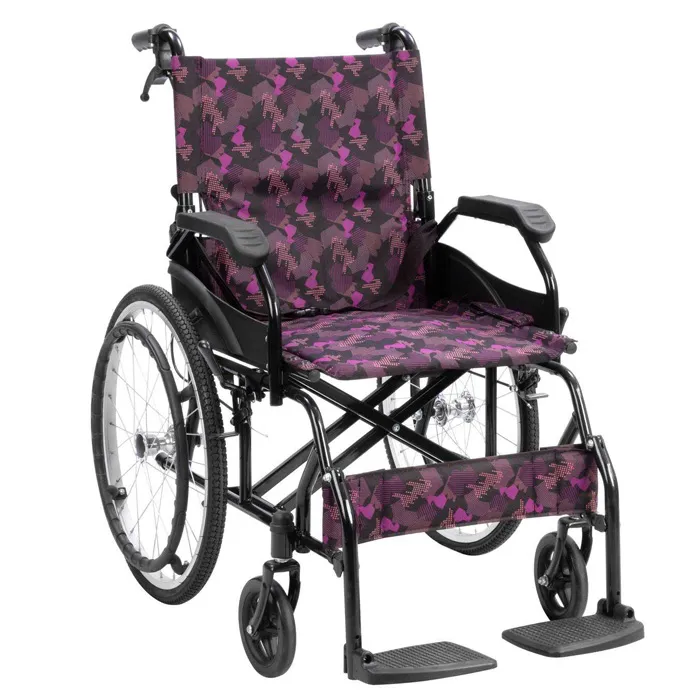
The answer is no! Although most of the manual wheelchairs used daily on the market, especially the standard and lightweight ones, have folding functions and are classified as "manual folding wheelchairs", there are still many manual wheelchairs that do not have folding designs due to structural stability, functional complexity, and specific usage scenarios.
1. People who are suitable for manual wheelchairs
·People with sound upper limb strength;
·People with temporary mobility difficulties (such as postoperative rehabilitation);
·People who can be pushed by caregivers for a long time;
·People who need wheelchair assistance in the short term;
·People who have high requirements for portability.
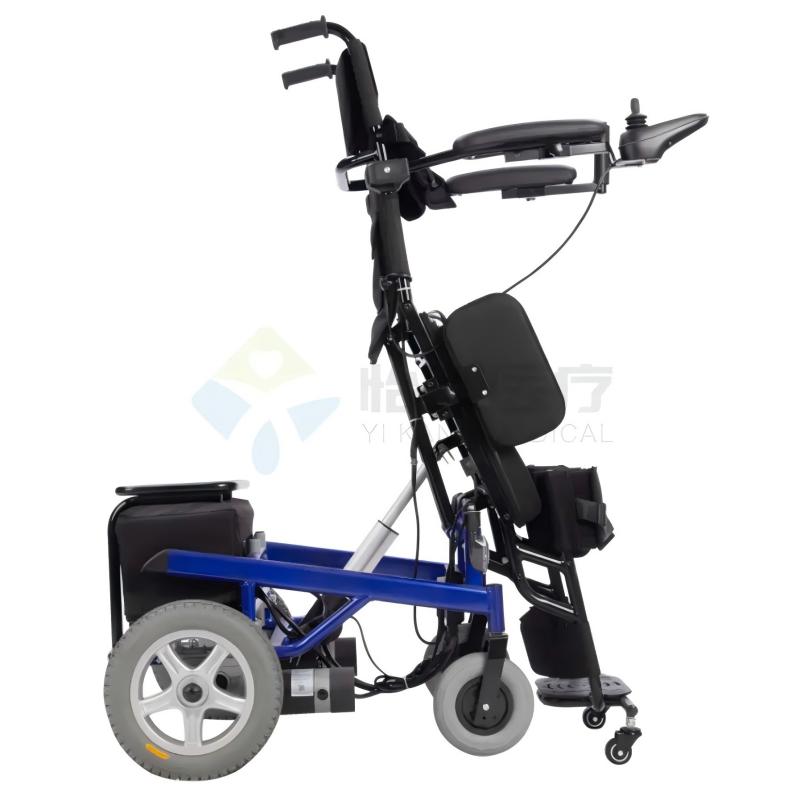
2. People who are suitable for electric wheelchairs
·People with insufficient upper limbs or overall physical strength;
·People who need to travel independently for a long time and long distances;
·People whose living environment has ample space for passage;
·People who have high requirements for life autonomy;
·People who lack fixed care resources.
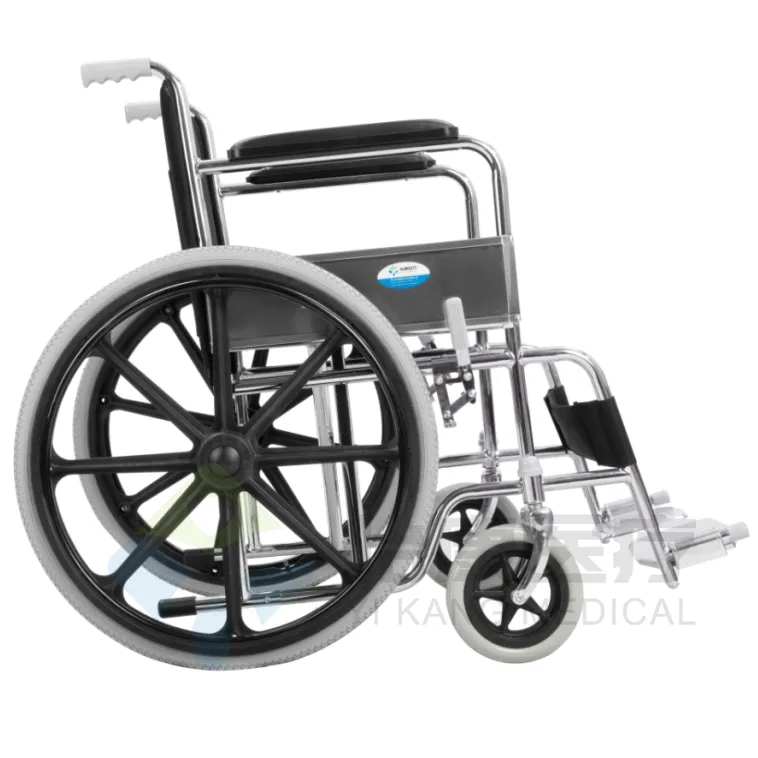
A manual wheelchair refers to a wheelchair that is completely driven by human operation. Its core design concept is to meet the needs of users for autonomous operation.
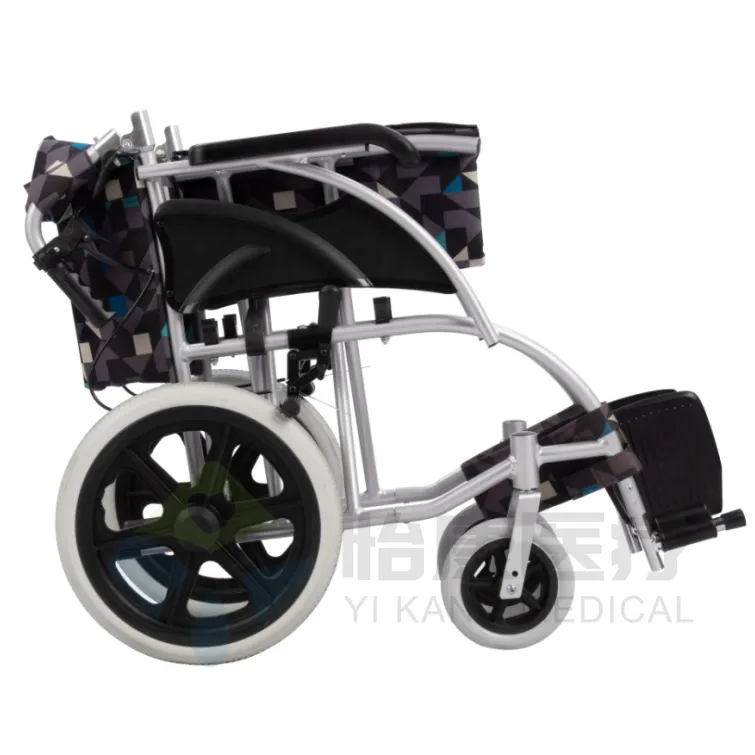
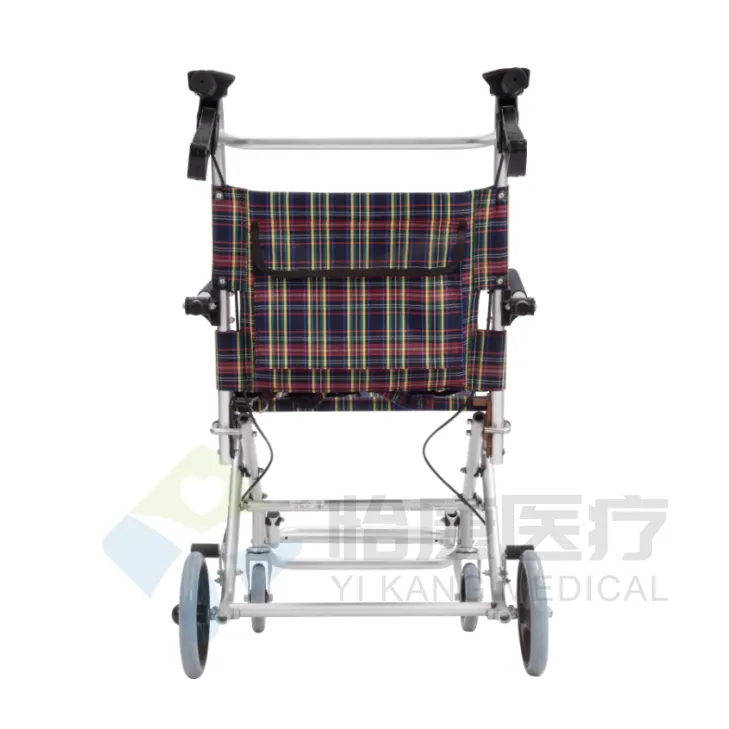
The transport wheelchair, also known as a transition wheelchair or a companion wheelchair, focuses on convenient transportation.
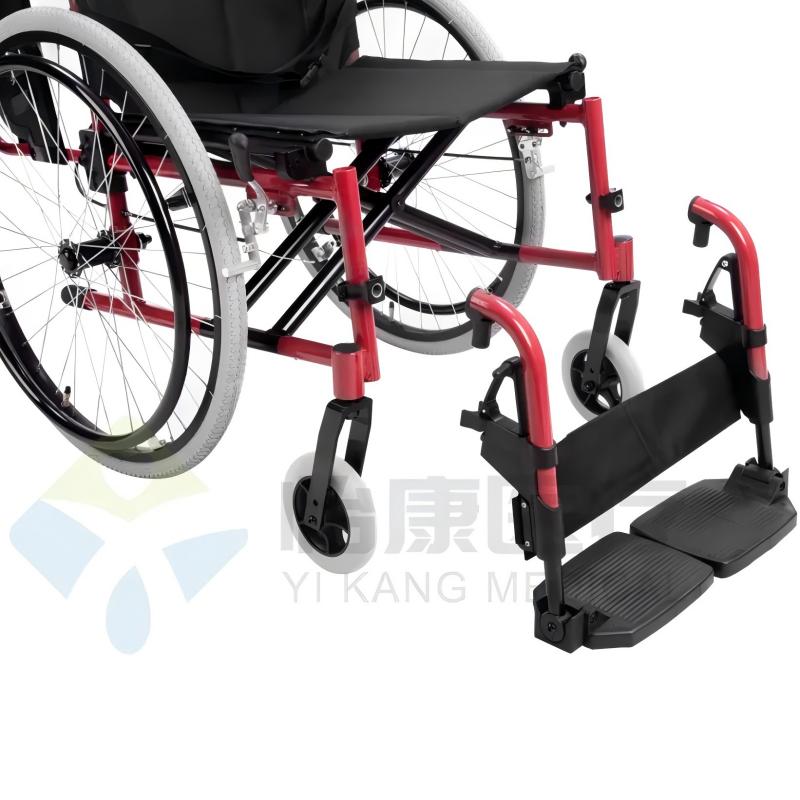
Ordinary steel manual wheelchair: The general design load-bearing capacity is between 250 pounds (about 113 kilograms) and 300 pounds (about 136 kilograms).
Reinforced steel manual wheelchair: A reinforced steel manual wheelchair designed for larger users, with a load capacity of usually between 350 pounds (about 159 kilograms) and 450 pounds (about 204 kilograms).
Pros of steel manual wheelchair:
1. Strong and durable
2. Economical
3. Strong load-bearing capacity
4. High stability
5. Simple maintenance
6. Adaptable to various use environments
Cons of the steel manual wheelchair:
1. Heavy weight
2. Easy to rust
3. Relatively low comfort
4. Not easy to adjust
5. Single appearance design
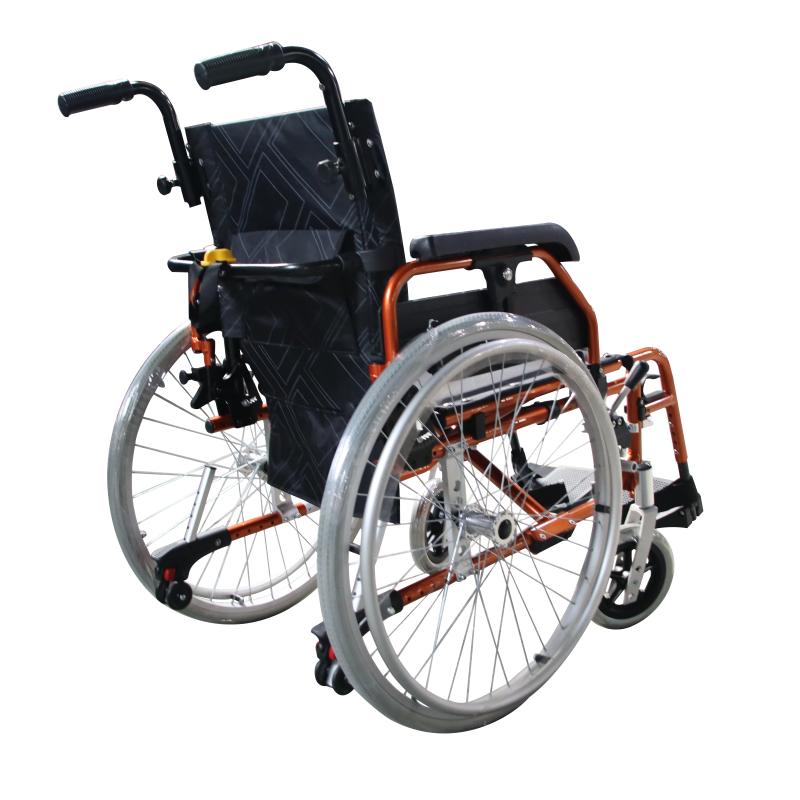
In the children's rehabilitation products market, wheelchairs are the "legs" that help special children walk out of the house. Faced with a wide variety of children's wheelchair products on the market, parents often fall into a dilemma when purchasing. This article will analyze the three core dimensions that need to be focused on when purchasing children's wheelchairs from the perspectives of ergonomics, child development psychology and rehabilitation medicine, to protect the growth of special children.