
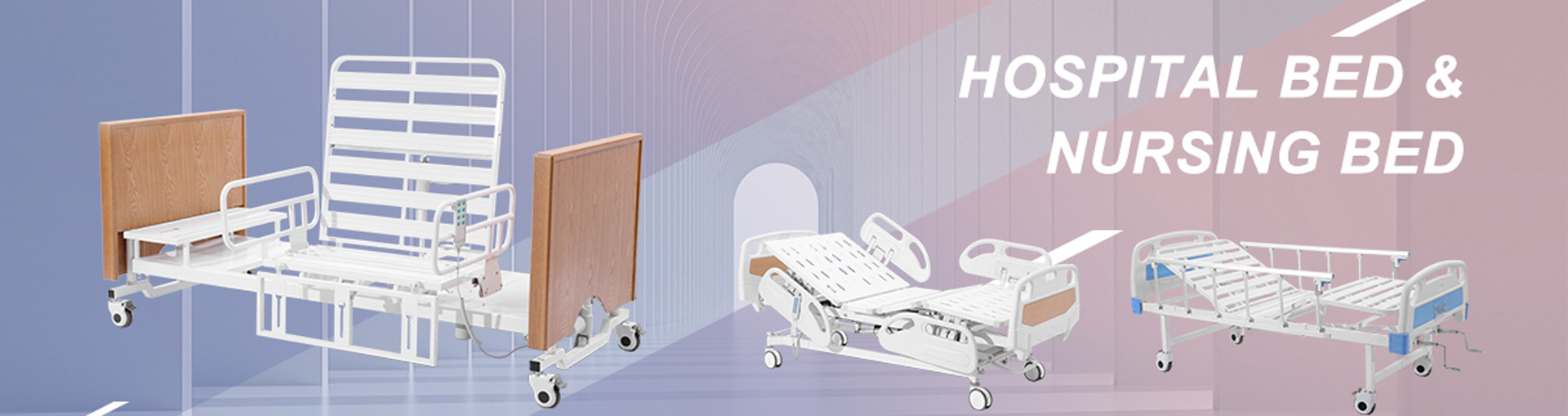
Among the various types of wheelchairs, tilting wheelchairs are a frequently mentioned but often misunderstood type. Many people have questions when learning about wheelchair functions: Who are suitable users of tilting wheelchairs? How do they differ from regular wheelchairs?
In fact, reclining manual wheelchairs are not simply products designed to "make people more comfortable lying down," but rather a type of wheelchair with structural optimizations addressing issues such as long-term sitting posture, postural stability, pressure distribution, and body control.
This article will systematically analyze the structural characteristics of tilting wheelchairs and their suitable users from a professional perspective, helping readers develop a clear and rational understanding.
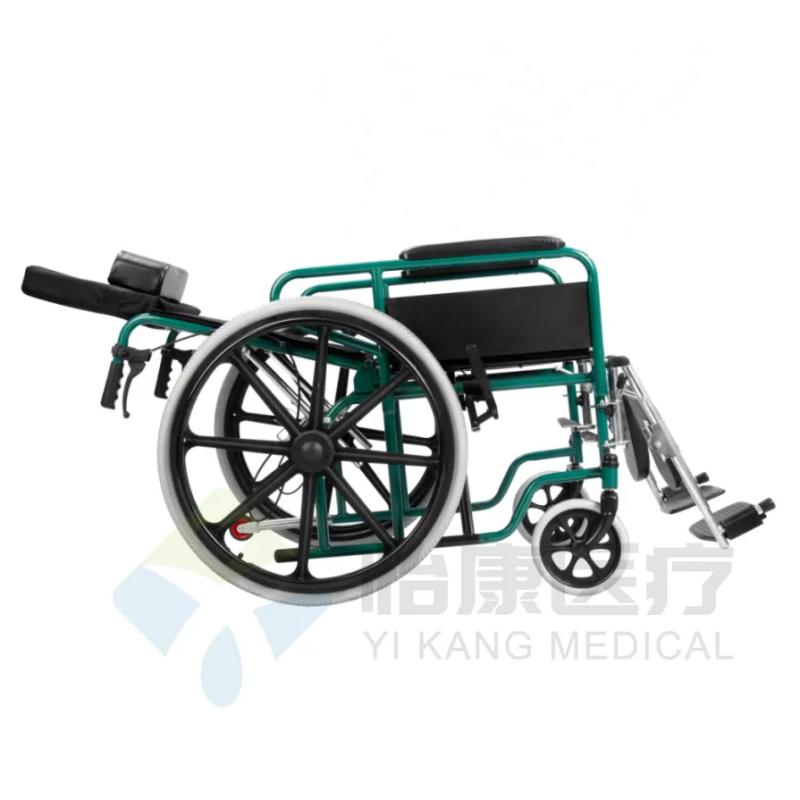
What is a reclining manual wheelchair?
Before discussing "who are suitable users of reclining manual wheelchairs," it is first necessary to clarify what a reclining manual wheelchair is.
1. Basic Definition of a Tilting Wheelchair
A tilting wheelchair refers to:
• A relatively fixed angle between the seat cushion and backrest
• The entire seating system can tilt backward or forward as a whole
• The user's body changes angle synchronously with the wheelchair
This structure is often referred to as "overall tilting," which is the core technical feature of tilting wheelchairs.
2. The Fundamental Difference Between a Tilting Wheelchair and a Regular Wheelchair
Regular wheelchairs typically:
• Have a fixed seat cushion
• Have a variable backrest angle
Tilting wheelchairs, on the other hand:
• Have a seat cushion and backrest that tilt as a single unit
• Maintain a stable relative relationship between the body and the wheelchair
This structural difference determines that tilting wheelchairs are not suitable for everyone.
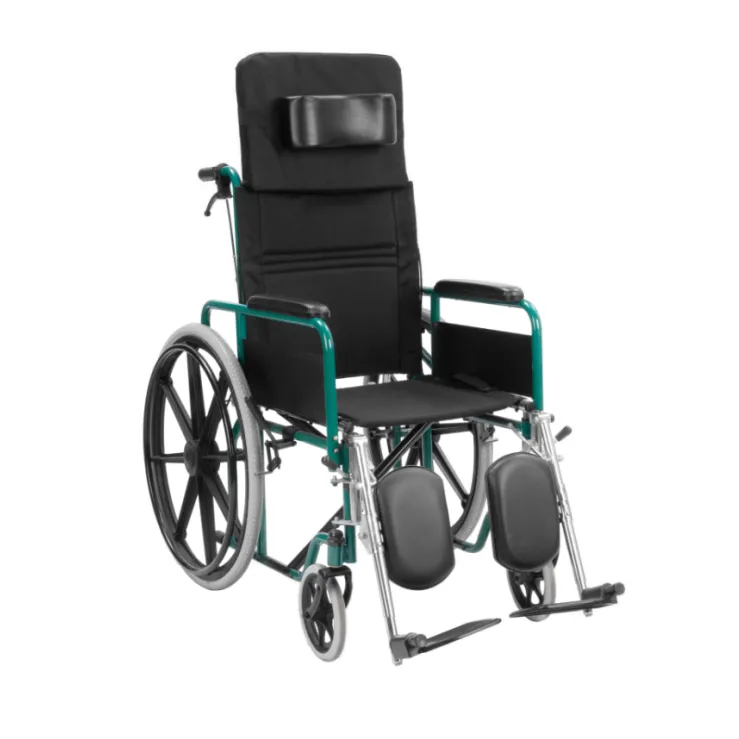
Why Not Everyone Needs a Tilting Wheelchair?
Tilting wheelchairs are a type of wheelchair designed for specific needs, not a universal configuration.
1. The Tilting Function Exists "To Solve a Problem"
The initial design intent of reclining manual wheelchairs was primarily to address the following objective problems:
• Concentrated pressure from prolonged sitting
• Insufficient postural control
• Prone to forward slipping or collapsing
• Inability to actively and frequently adjust posture
If the user does not have these problems, the advantages of a reclining manual wheelchair are difficult to realize.
2. Wheelchair Selection Should Be Centered on "Needs Matching"
Wheelchairs are not necessarily better the more functions they have, but rather:
• Do they meet the user's actual needs?
• Do they provide necessary but not excessive assistance during use?
Therefore, understanding which groups of people are suitable for reclining manual wheelchairs is more important than simply understanding their functions.
Are tilting wheelchairs suitable for people who need prolonged sitting support?
Yes, tilting wheelchairs are very suitable for people who need to sit in a wheelchair for extended periods.
1. Objective Challenges of Prolonged Sitting
When a wheelchair becomes the primary sitting tool, users often face:
• Fixed posture for extended periods
• Continuous concentration of localized pressure
• Limited ability to actively adjust the body
In these situations, ordinary wheelchairs cannot provide postural changes through structural means.
2. The Role of Tilting Wheelchairs in Prolonged Sitting
Through their overall tilting function, tilting wheelchairs can:
• Change the force distribution between the body and the seat cushion
• Reduce continuous pressure on a single area
• Provide passive postural changes for the body
Therefore, people who rely on wheelchairs for extended periods are one of the key target groups for reclining manual wheelchairs.
Are tilt wheelchairs more suitable for people with poor postural control?
This is one of the key dimensions when judging the suitability of tilt wheelchairs.
1. What does poor postural control mean?
Objectively speaking, poor postural control usually manifests as:
• Difficulty maintaining an upright sitting posture for extended periods
• Prone to leaning forward, backward, or sideways
• Gradually sliding in the wheelchair
These situations are not a matter of willpower, but rather objective limitations in body control.
2. How do tilt wheelchairs provide structural assistance?
Tilting wheelchairs achieve this by tilting as a whole:
• Utilizing gravity to change the body's stability
• Reducing the tendency to slide forward
• Reducing the active control required to maintain a sitting posture
Therefore, people with poor postural control are more likely to receive structural support from tilt wheelchairs.
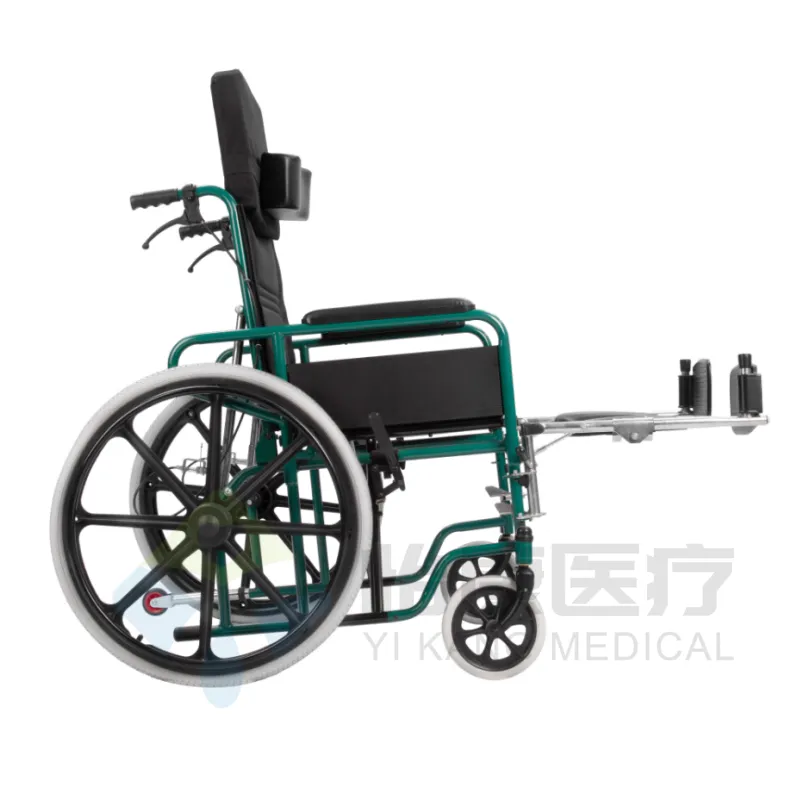
Are tilt wheelchairs suitable for people who require high sitting stability?
The answer is also yes.
1. What is a "high sitting stability requirement"?
Some wheelchair users need to:
• Minimize postural changes
• Avoid frequent body shifts
• Maintain relative stability of the head and torso
In these situations, the support from the seat cushion and backrest alone is often insufficient.
2. The Stability Advantages of Reclining Wheelchairs
Because reclining wheelchairs:
• The body remains fixed to the wheelchair during tilting
• Changes in the center of gravity are more controllable
• Shear forces are relatively small
Therefore, these wheelchairs have a significant advantage in maintaining overall posture stability.
Are reclining wheelchairs suitable for people with high pressure distribution requirements?
Pressure distribution is an important consideration when choosing a wheelchair.
1. Why is pressure concentration a concern?
When the body is in the same sitting position for a long time:
• Pressure concentrates in specific areas
• Localized pressure lasts too long
• The body finds it difficult to relieve pressure through voluntary movements
This is a real problem that many wheelchair users face.
2. The Impact of Tilting Wheelchairs on Pressure Distribution
By altering the overall sitting angle, reclining manual wheelchairs can:
• Change the contact points between the body and the seat/backrest
• Distribute concentrated pressure areas
• Reduce continuous single-point pressure
Therefore, reclining manual wheelchairs are more suitable for individuals with high requirements for pressure distribution.
Are tilting wheelchairs suitable for individuals requiring passive posture adjustment?
Not all wheelchair users have the ability to actively adjust their sitting posture.
1. The Real-World Need for Passive Posture Adjustment
Some individuals in wheelchairs:
• Have difficulty actively changing their posture
• Rely on external structures for adjustment
• Utilize wheelchair functions primarily for posture changes
2. The Advantages of Passive Adjustment in Tilting Wheelchairs
Tilting wheelchairs achieve posture changes precisely through:
• Structural tilting
• Without relying on active user effort
Therefore, individuals requiring passive posture adjustment are a key target group for reclining manual wheelchairs.
Which groups may not need tilting wheelchairs?
To better understand "who is a tilting wheelchair suitable for," it's also necessary to clarify its inapplicability.
1. People with good posture control
If the user can:
• Maintain a stable sitting posture independently
• Frequently and actively adjust their posture
• Use the wheelchair for a relatively short period
Then the structural advantages of a tilting wheelchair may not be significant.
2. People who prioritize flexibility over stability
Because reclining manual wheelchairs emphasize stability and support in their structure:
• The overall structure is relatively complex
• Flexibility is not the primary goal
Therefore, this type of wheelchair is not suitable for all usage scenarios.
How to rationally understand the question "who is a tilting wheelchair suitable for?"
From a professional perspective, the answer to this question is not a specific list of people, but rather a set of needs and characteristics.
Tilting wheelchairs are more suitable for those who:
• Need long-term posture support
• Have limited posture control
• Have high requirements for posture stability
• Need improved pressure distribution
• Rely on passive posture adjustments
Who is a tilting wheelchair suitable for?
Inclined wheelchairs are suitable for individuals who require additional postural support, stability, and stress management while in a wheelchair.
They are not designed for all wheelchair users, but rather:
• Based on specific physical needs
• For specific usage scenarios
• A type of wheelchair that provides structural assistance
Individuals can only realize the true value of inclined wheelchairs when their functional positioning and applicable scope are correctly understood.
What certifications does Yikang Medical hold?
Yikang Medical holds several internationally recognized certifications, including ISO13485, ISO9001, CE, and FDA. These credentials reflect our commitment to producing high-quality hospital and nursing equipment. Our product portfolio includes hospital beds, nursing beds, electric wheelchairs, manual wheelchairs, toilet chairs, shower chairs, walkers, and crutches.
As a trusted manufacturer and supplier in Foshan, China, we provide OEM services for major brands and support customized orders to meet different specifications.