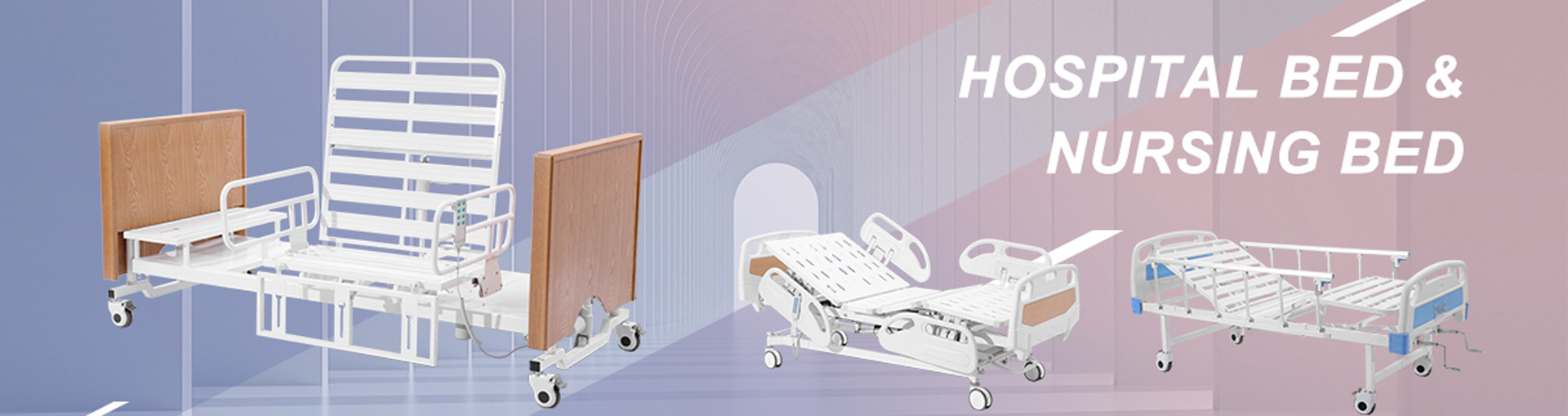
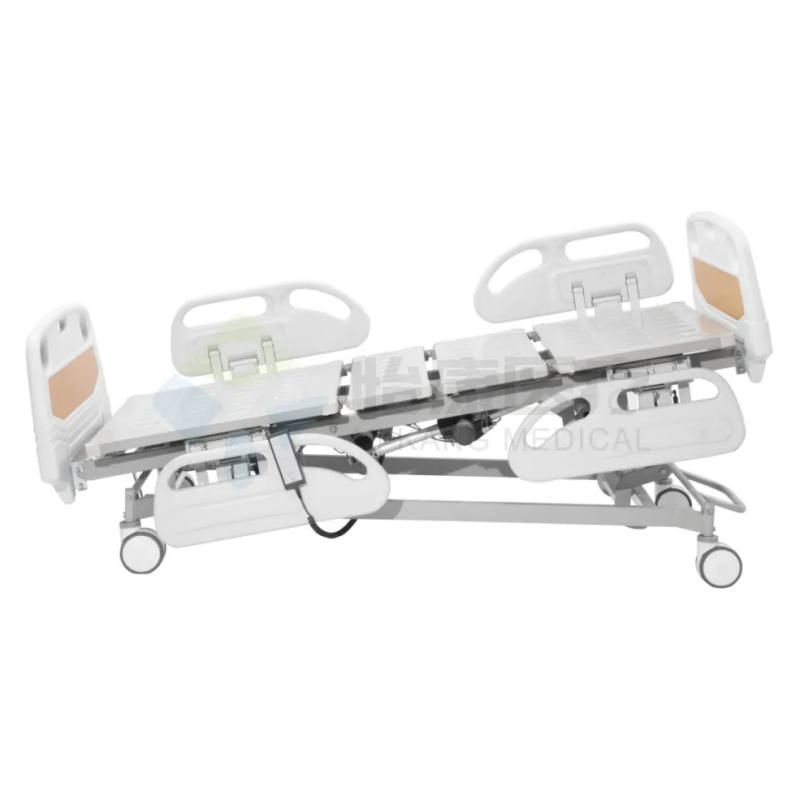
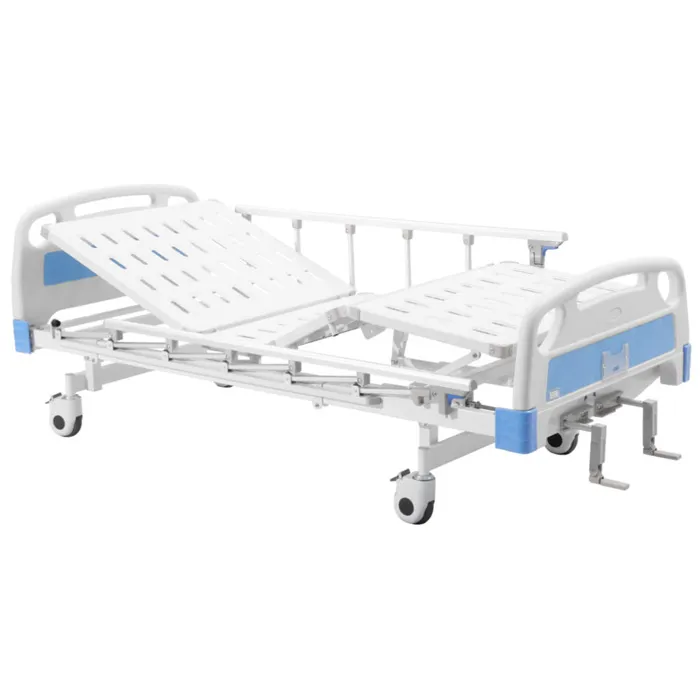
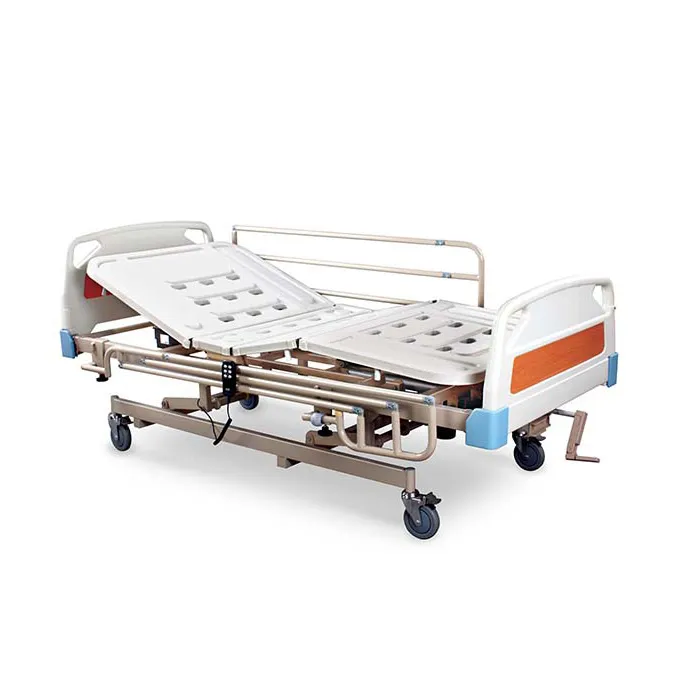
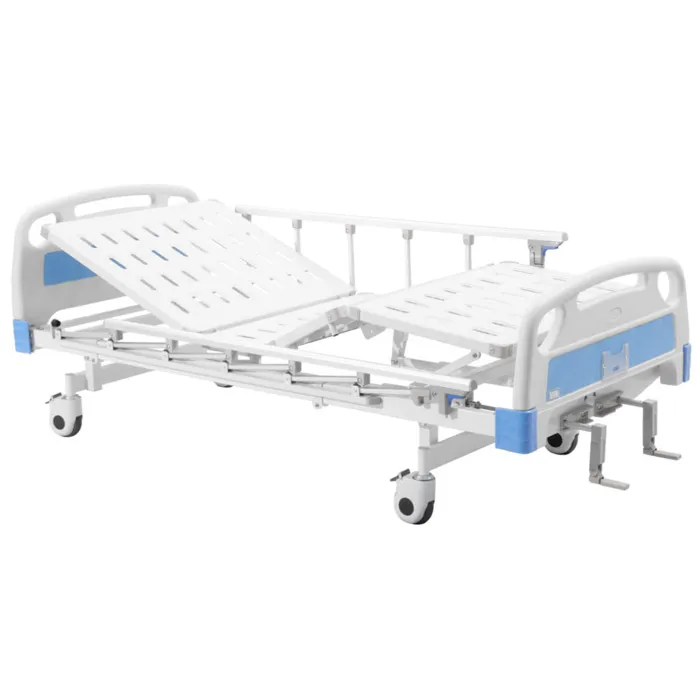
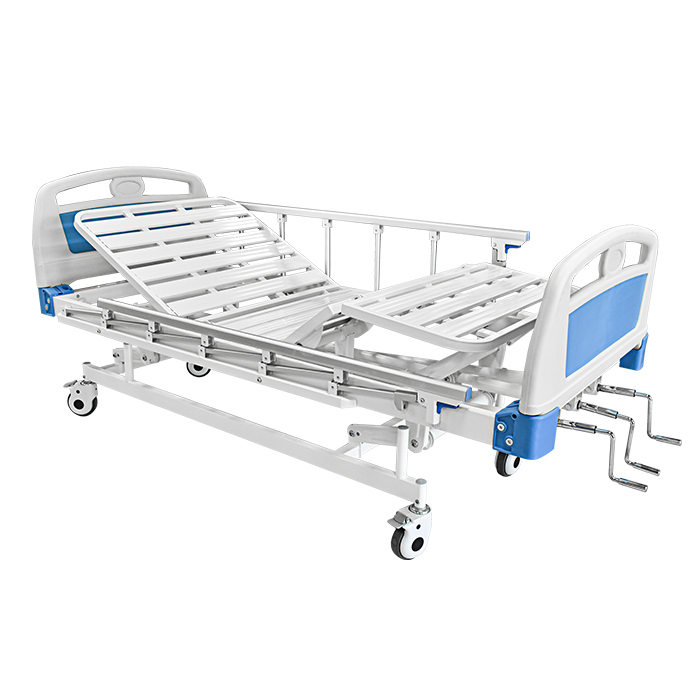
The primary advantage of adjustable hospital beds is the ability to modify the backrest, leg rest, and overall bed height to suit the patient's needs, making it easier for them to sit up, eat, rest, and perform rehabilitation exercises.
"Hospital bed" is a broad term, whereas "adjustable hospital bed" represents a specific, important category within that group. In other words, not all hospital beds possess adjustable features; not every bed allows for functions such as backrest elevation, leg raising/lowering, height adjustment, or even positional changes.
In fact, not only can they be used, but in many cases, adjustable hospital beds play a crucial role in supporting recovery. A key challenge following hip surgery is managing body positioning; during recovery, patients often cannot freely get up, turn over, or transition between sitting and lying down as they normally would.
Post-operative patients, especially those who have undergone orthopedic, cardiac, or abdominal surgery, often need to maintain a specific position.
Adjustable hospital beds can help patients adjust their posture without affecting wound healing.
Maintaining a single position for long-term bedridden patients can easily lead to bedsores, muscle atrophy, and poor blood circulation. Hospital beds, however, offer multi-angle adjustments, helping patients change positions, reducing pressure on the body, improving blood circulation, and effectively preventing complications.