
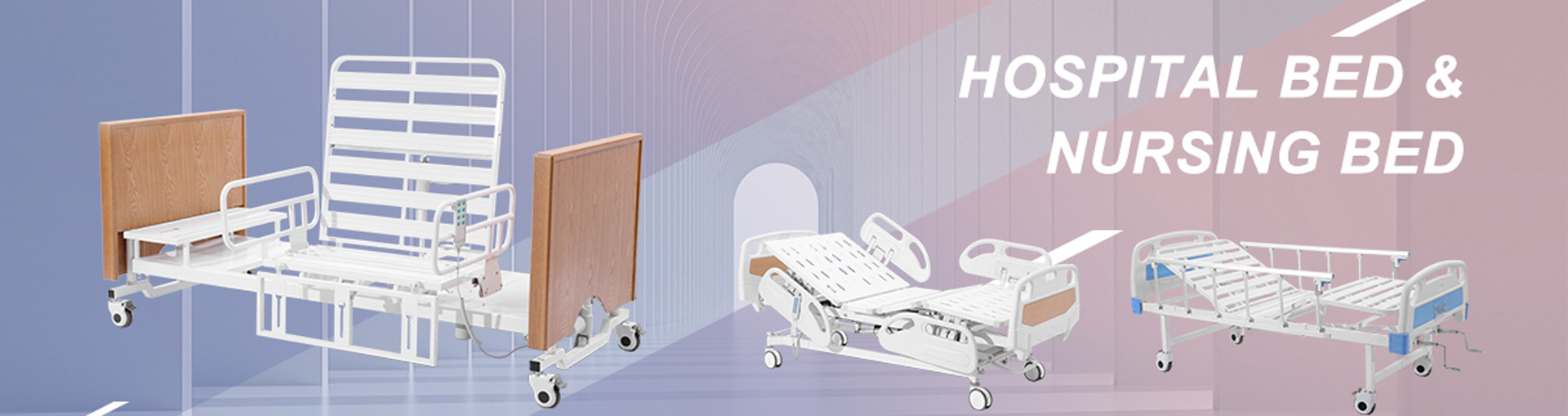
With the advancement of modern medical technology, more and more patients choose to continue their rehabilitation and care at home after receiving hospital treatment. However, ordinary home beds cannot meet the needs of patients who are bedridden for extended periods, requiring nursing care and rehabilitation.
At this time, "hospital beds" become extremely important auxiliary equipment. This article will systematically and professionally analyze why patients need to use hospital beds at home and explore this issue in depth from multiple perspectives.
Why are hospital beds different from ordinary beds?
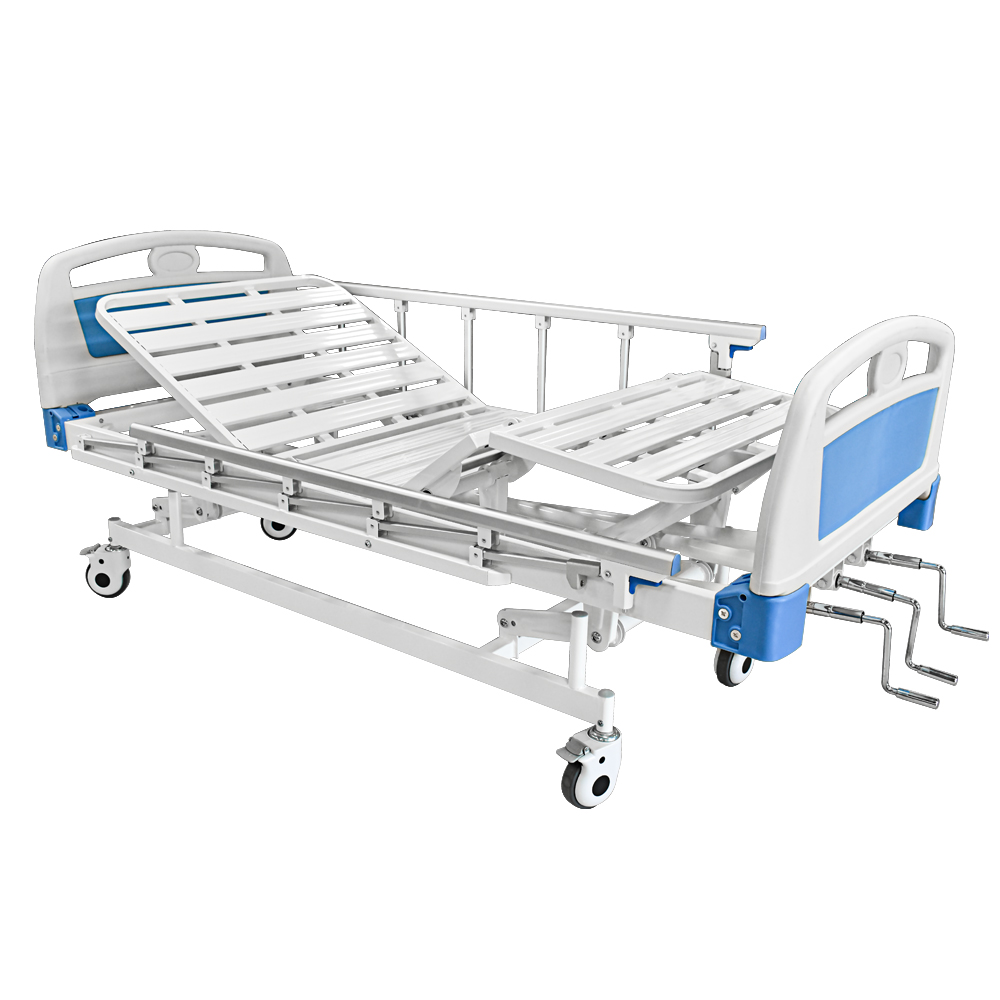
A "hospital bed" is a specially designed adjustable nursing bed for patients, balancing medical functions with comfort. Compared to ordinary home beds, hospital beds are designed not only for rest comfort but also for patient safety, convenience of care, and the special needs during the disease recovery process.
Hospital beds typically have the following main features:
• Multi-angle adjustable design: The head, foot, and backrests are adjustable, making it easier for patients to sit up, eat, or perform rehabilitation exercises.
• Anti-slip guardrails and safety system: Effectively prevents patients from falling out of bed or accidentally slipping.
• Wheeled Mobility: Facilitates movement or repositioning of the bed by caregivers.
• Auxiliary Function Configuration: Some hospital beds are equipped with IV stands, dining tables, bedside lamps, and other auxiliary facilities to enhance convenience.
In home use, these professional designs of hospital beds can effectively reduce the burden of care, protect the patient's physical safety, and promote physical and mental recovery.
Why Can't a Regular Bed Replace a Hospital Bed?
Many people initially believe that a regular bed is sufficient for the patient's rest needs when choosing home care. However, once actual care begins, they find that regular beds have many limitations and may even pose potential risks.
1. Fixed Height of Regular Beds, Unfavorable for Nursing Operations
During the nursing process, family members or caregivers need to frequently turn the patient, change clothes, and perform cleaning. Regular beds are usually low, requiring caregivers to bend or squat, which can easily lead to lumbar strain over time. Hospital beds, on the other hand, have adjustable height, making nursing operations more ergonomic.
2. Standard beds lack fall protection design
Patients who are bedridden for extended periods, especially the elderly or post-operative patients, often experience weakness or impaired consciousness. Standard beds lack edge rails, making falls highly likely if the patient moves or turns over improperly. Hospital beds, on the other hand, are equipped with adjustable guardrails, effectively preventing falls.
3. Standard beds do not support posture adjustment
Maintaining a single position for long-term bedridden patients can easily lead to bedsores, muscle atrophy, and poor blood circulation. Hospital beds, however, offer multi-angle adjustments, helping patients change positions, reducing pressure on the body, improving blood circulation, and effectively preventing complications.
4. Standard beds are not conducive to the use of medical assistive devices
Many patients require the use of medical equipment such as oxygen concentrators, monitors, and IV stands at home. Hospital medical adjustable beds are designed with these needs in mind, providing the necessary interfaces and supports for easy fixation and operation of medical equipment.
Therefore, standard beds cannot compare to hospital beds in terms of safety, comfort, and functionality. For patients requiring prolonged bed rest or continuous care, luxury hospital beds are a more scientific and professional choice.
Why do hospital beds help patients recover faster?
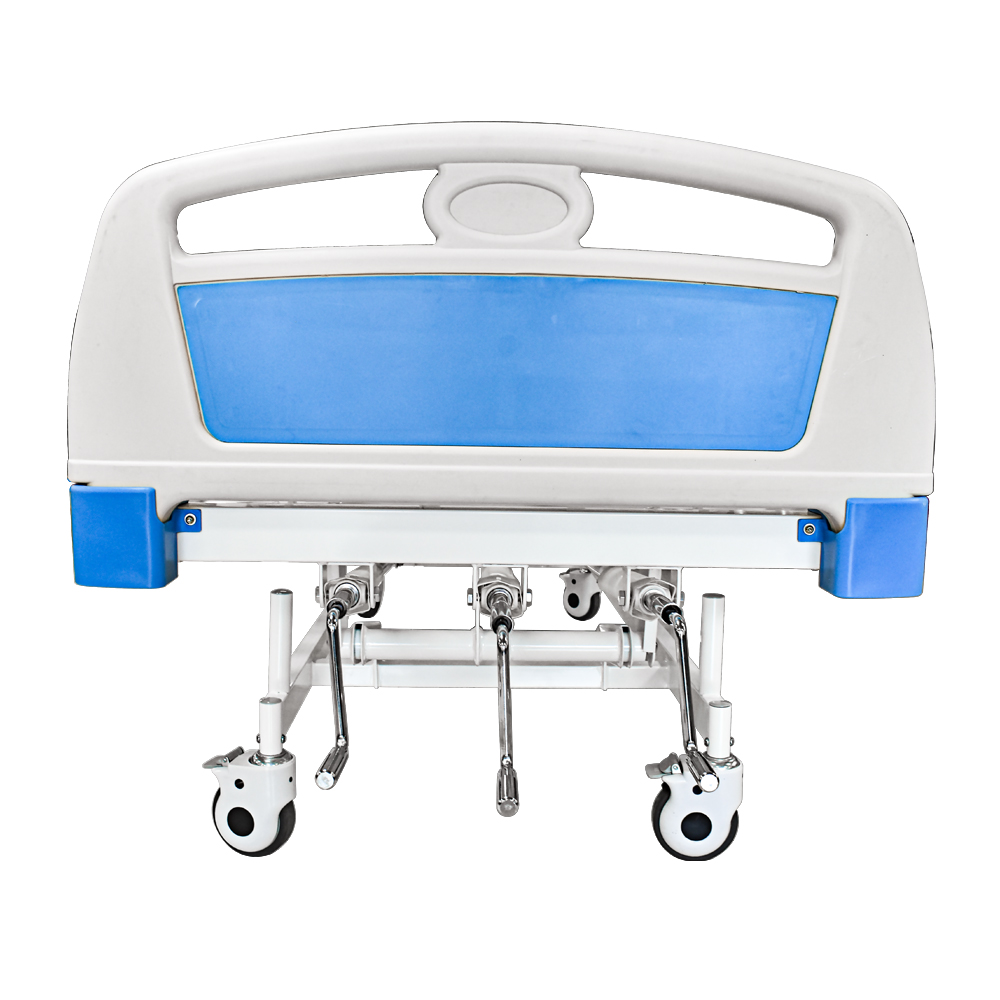
Home rehabilitation is not just about rest, but also a continuation of treatment. Choosing a suitable hospital bed can not only reduce patient discomfort but also promote the recovery of bodily functions.
1. Posture Adjustment Promotes Blood Circulation
Hospital beds, through height and angle adjustments, help patients choose a suitable posture, thereby improving blood circulation and reducing pain caused by limb swelling, numbness, or pressure.
2. Reduced Risk of Pressure Ulcers
One of the biggest risks for long-term bedridden patients is pressure ulcers. The position adjustment function of hospital medical adjustable beds can help patients regularly change pressure points, and when used with an air mattress, it can significantly reduce the incidence of pressure ulcers.
3. Helps Improve Respiratory and Digestive System Function
Semi-recumbent or sitting positions help patients breathe smoothly and reduce sputum buildup; at the same time, this posture is also conducive to eating and digestion. Ordinary beds are difficult to maintain in this position, but luxury hospital beds can easily achieve this.
4. Enhanced Psychological Comfort
A comfortable position and a safe, supportive environment reduce patient anxiety and dependency. The ergonomic design of hospital beds makes it easier for patients to move independently, boosting their confidence in recovery.
What are the practical benefits of using a hospital bed at home?
Many families worry that "hospital beds take up too much space" or are "complex to operate." In reality, modern hospital beds are designed with home use convenience and aesthetics in mind.
1. Easy to Operate, Family Members Can Use Them Easily
Most home hospital beds use an electric control system; simply press a button to adjust the position. This convenience is especially important for the elderly or post-operative patients.
2. Flexible Movement, High Space Utilization
Hospital beds are equipped with silent casters for easy movement without damaging the floor. Some models can even be folded for storage, suitable for homes with limited space.
3. Easy Cleaning and Maintenance
Hospital bed boards are mostly made of waterproof and corrosion-resistant materials with a smooth, easy-to-clean surface, effectively preventing bacterial growth and ensuring hygiene and safety.
4. High compatibility, compatible with various assistive devices
Hospital beds can be combined with accessories such as IV stands, bedside tables, and oxygen stands to meet the nursing needs of different conditions, bringing home care closer to professional medical standards.
Which types of patients most need to use a hospital bed at home?
While any long-term bedridden patient can benefit from a hospital bed, the following groups are particularly suitable:
• Post-operative recovery patients: For example, patients after orthopedic or cardiac surgery require good positional support and safety protection.
• Patients with chronic diseases: Such as stroke, diabetes, Parkinson's disease, etc., who have limited mobility and require long-term care.
• Elderly patients: Elderly people experience muscle degeneration and slowed reactions; using a luxury hospital bed can prevent falls.
• Critically ill or long-term bedridden patients: Helps reduce complications and improve nursing efficiency.
• Pregnant women and special rehabilitation groups: Hospital beds can assist with rest and care during the postpartum or weakened stages.
What factors should be considered when choosing a hospital bed for home use?
Choosing the right hospital bed not only affects patient comfort but also the effectiveness of care.
When purchasing, consider the following:
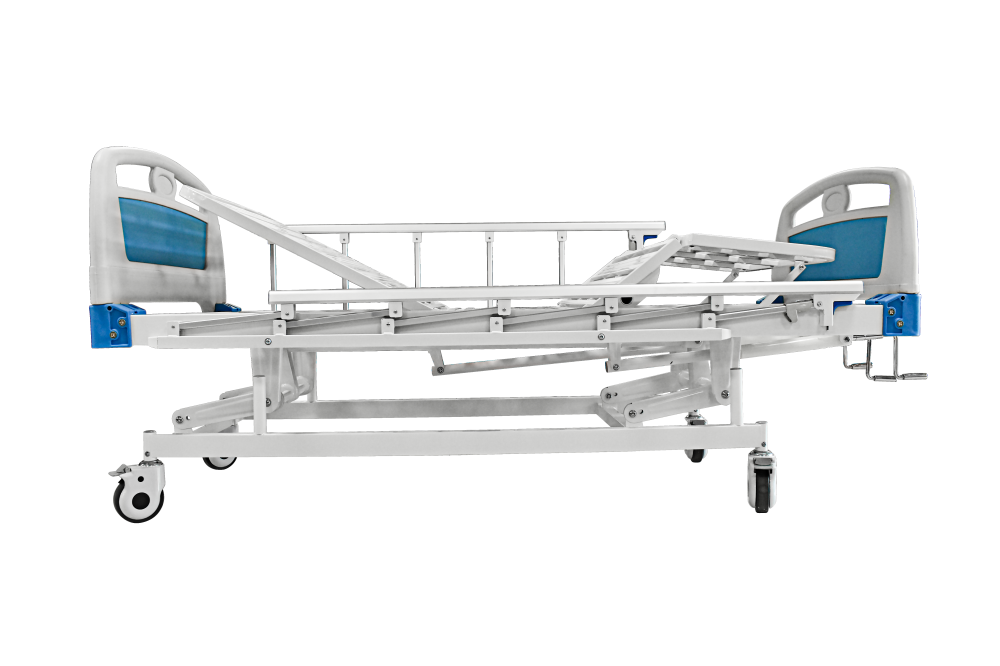
• Electric or manual control: Electric hospital beds are convenient to operate and suitable for home use; manual models offer better value for money and are suitable for those with limited budgets.
• Number of functions and adjustment range: Choose a two-, three-, or five-function bed based on the patient's condition. More functions mean greater flexibility in adjustment.
• Bed frame material and load-bearing capacity: High-quality steel or aluminum alloy structures are stable and durable, ensuring long-term safety.
• Mattress compatibility: We recommend pairing it with an anti-decubitus air mattress or a high-resilience foam mattress to improve comfort.
• After-sales service and maintenance: Choose a reputable manufacturer to ensure the long-term maintainability of the hospital bed and support for parts replacement.
How can hospital beds improve the home care experience?
The biggest challenges in home care are efficiency and safety. The professional design of medical adjustable beds greatly improves this issue.
• Reduced caregiver stress: Caregivers can easily perform turning and sitting-up maneuvers using the electric adjustment system.
• Improved nursing efficiency: The multi-functional design standardizes nursing procedures and reduces repetitive work.
• Protected caregiver health: Adjustable height avoids prolonged bending and prevents back injuries.
• Promoted patient independence: Some luxury hospital beds are equipped with self-controllers, allowing patients to adjust their position independently and reducing psychological dependence.
Is it safe to use a hospital bed at home? How to use it correctly?
Using a hospital medical adjustable bed at home is safe as long as the correct operating procedures are followed:
• Regularly check mechanical parts: Ensure the lifting system and guardrails are stable and reliable.
• Lock the wheels during use: Prevent the bed from sliding and causing danger.
• Avoid arbitrary modifications or disassembly of parts: This can affect stability and load-bearing capacity.
• Keep the bed surface clean and dry: Prevent slipping or bacterial infection.
• Use the remote control system correctly: Follow the instruction manual to prevent accidental activation.
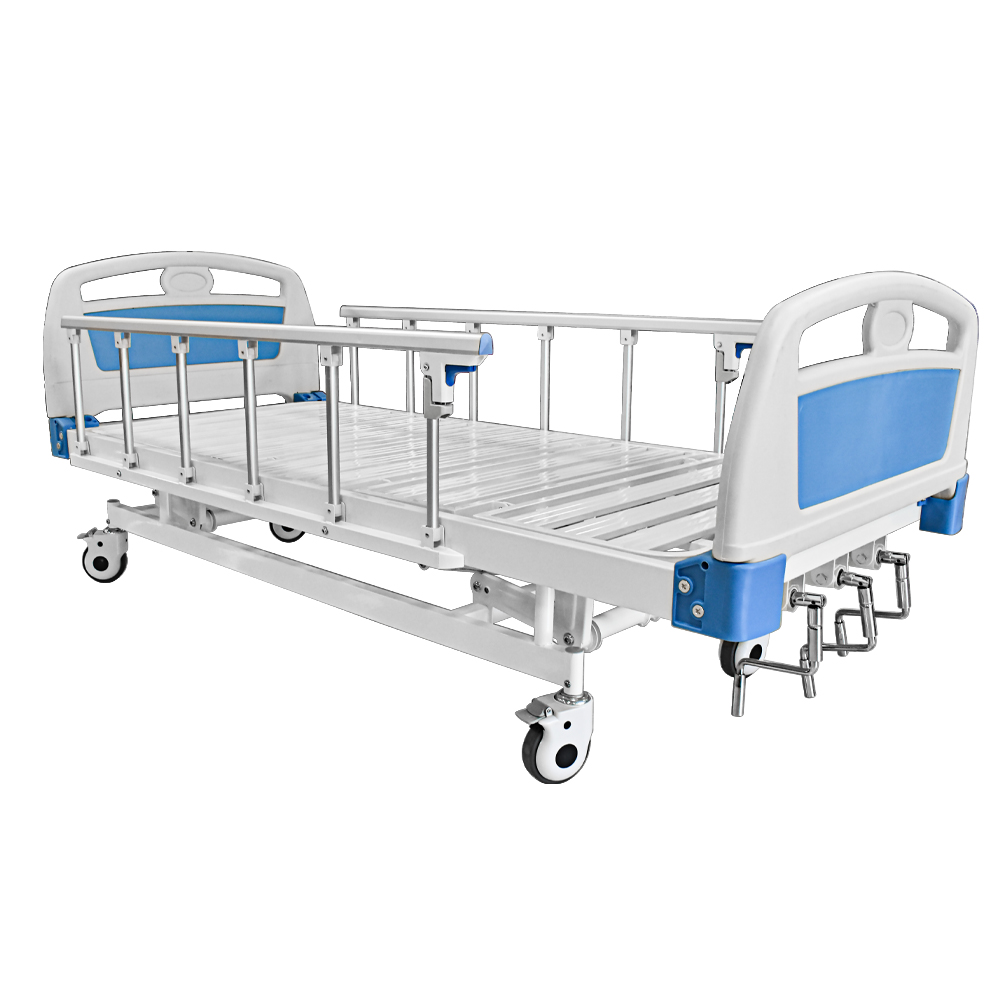
Why is a hospital bed an important part of home rehabilitation?
Home rehabilitation is not only a continuation of hospital treatment but also a crucial stage in restoring the ability to live independently.
Hospital beds play a crucial role:
• They bridge the gap between hospital and home care, providing basic medical facilities to the home environment.
• They assist patients in regaining their self-care abilities, offering space for independent movement.
• They are vital helpers for caregivers, improving the efficiency and safety of care.
In other words, a hospital medical adjustable bed is more than just a bed; it's a complete home rehabilitation system, an indispensable part of a patient's recovery.
Does Yikang Offer Fast Production and Delivery Times?
Thanks to our streamlined production system and strategic location, we can offer short lead times and reliable delivery schedules. Most standard orders can be shipped within 15–30 days, depending on volume. We also work with top logistics providers to ensure your goods reach their destination safely and on time.