
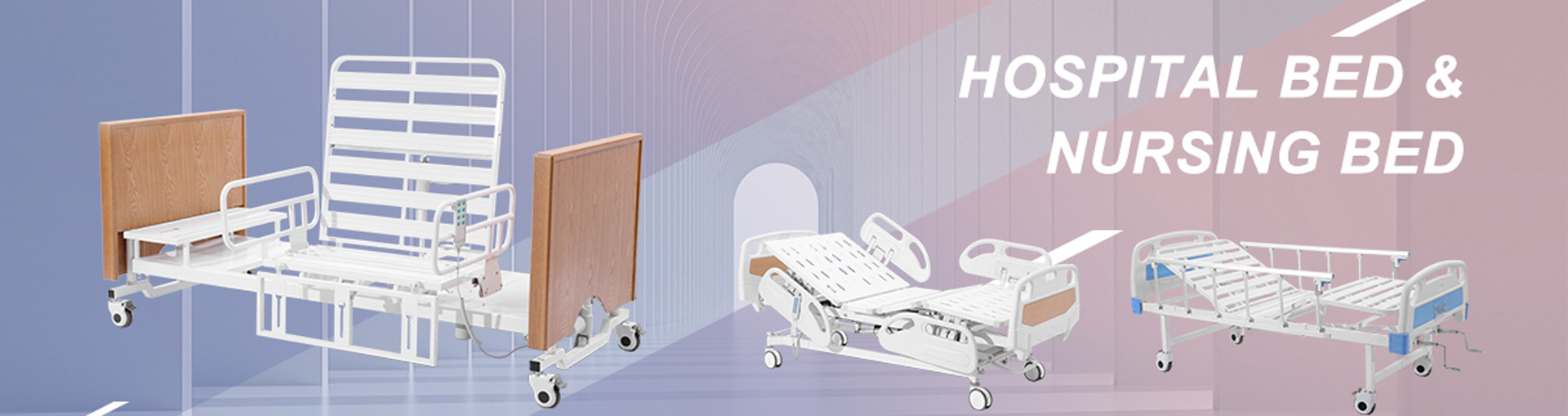
With the continuous development of hospital infrastructure, medical equipment procurement, and the home care market, the "hospital bed" has become an indispensable piece of equipment in medical institutions and care settings. Whether in large general hospitals, specialized medical facilities, rehabilitation centers, or home-based elderly care environments, these beds serve multiple functions, including patient rest, treatment, nursing care, rehabilitation training, and long-term care. However, a common misconception arises during procurement and usage: the belief that "hospital beds" and "adjustable hospital beds" are the same product, merely referred to by different names.
In reality, this understanding is inaccurate.
"Hospital bed" is a broad term, whereas "adjustable hospital bed" represents a specific, important category within that group. In other words, not all hospital beds possess adjustable features; not every bed allows for functions such as backrest elevation, leg raising/lowering, height adjustment, or even positional changes. While medical adjustable beds have become the mainstream choice for many medical and care facilities due to evolving healthcare concepts, traditional hospital beds continue to play a vital role in many settings.
So, what exactly is a hospital bed? What are the characteristics of adjustable hospital beds? How do they differ, and how should the right choice be made for different patients? This article provides a comprehensive analysis of these questions to help you gain a deeper understanding of the distinctions between standard hospital beds and adjustable ones, as well as their practical value.
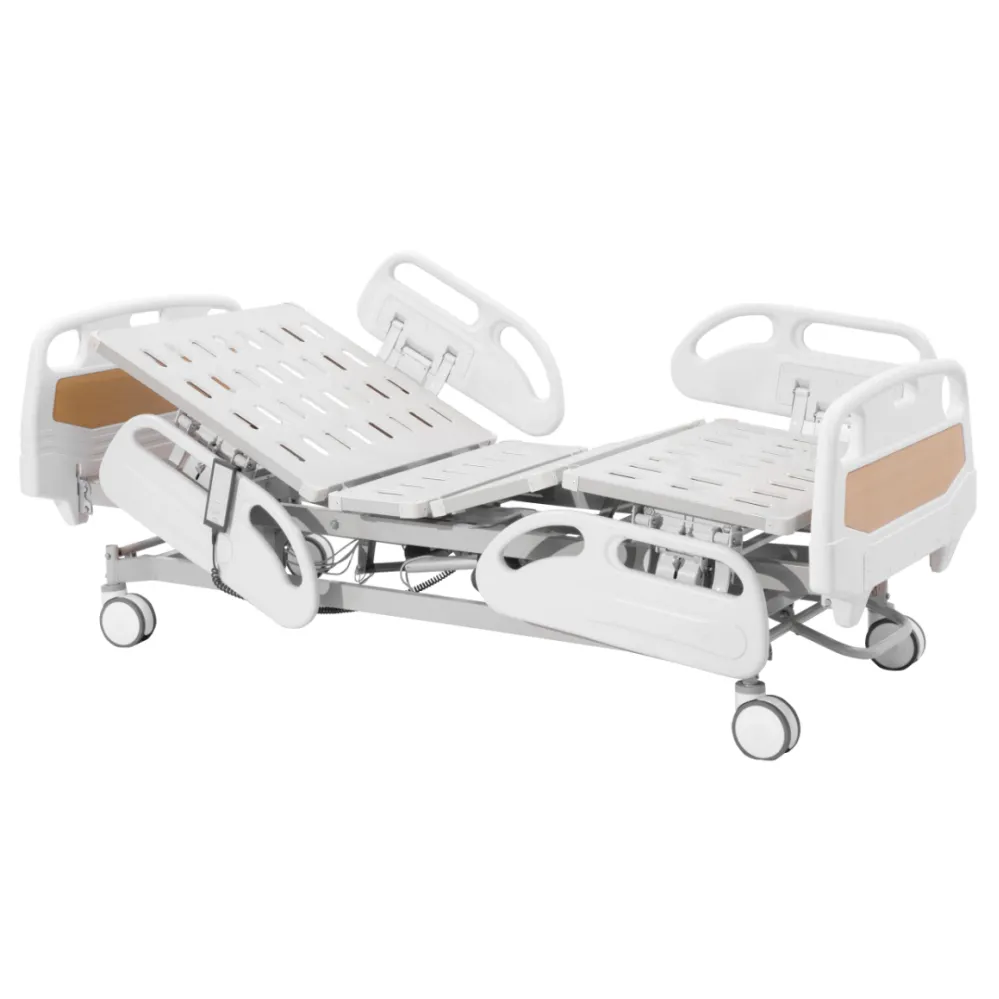
Hospital beds and adjustable hospital beds are not the same concept
A hospital bed generally refers to specialized bedding used in medical institutions for patient rest, examinations, treatment, and nursing care. This category encompasses everything from basic beds with simple structures to advanced nursing beds equipped with multiple functions. Thus, "hospital bed" is essentially an umbrella term.
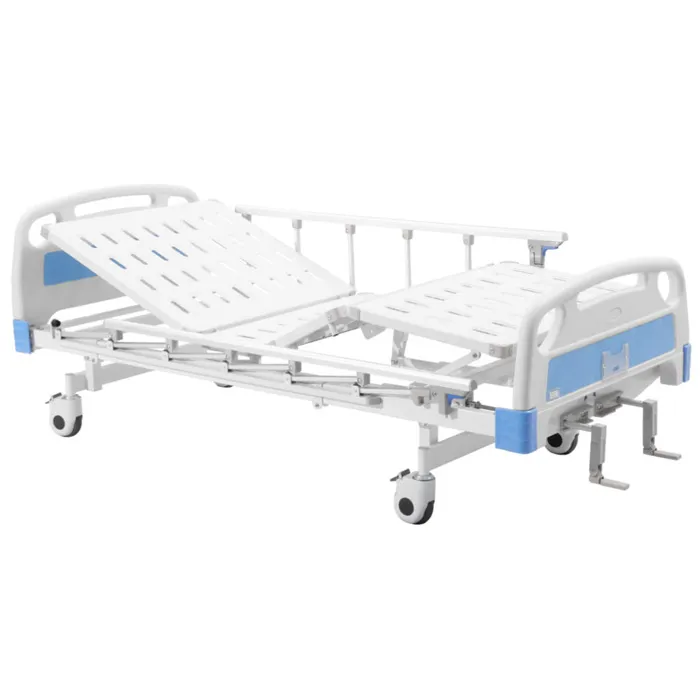
An adjustable hospital bed, on the other hand, is a functional product evolved from the traditional hospital bed. These beds utilize mechanical structures, electric systems, or hydraulic systems to adjust the angle and height of various sections of the bed frame, thereby meeting the diverse needs of patients during treatment, nursing care, and rehabilitation.
Simply put, the relationship between the two is analogous to that between "cars" and "SUVs."
All SUVs are cars, but not all cars are SUVs. Similarly, while all medical adjustable beds fall under the category of hospital beds, not all hospital beds are adjustable.
This distinction may seem simple, yet it is frequently overlooked during the actual procurement process. Many purchasers focus solely on price and dimensions without fully considering patient care needs, ultimately resulting in a mismatch between the bed's functionality and its actual usage scenario.
The evolution of hospital beds explains the emergence of functional differences
Looking back at the history of hospital beds makes it easier to understand why adjustable hospital beds came into existence.
The primary function of early hospital beds was straightforward: to provide a stable and safe platform for patients to rest. In an era of relatively limited medical technology, the hospital bed served primarily as a simple "tool for lying down."
From the late 19th to the early 20th century, as modern hospital systems were established, steel hospital beds began to replace wooden ones. Hospital beds during this period lacked complex features; patients were generally limited to lying flat.
By the mid-to-late 20th century, the medical community began to recognize that prolonged bed rest could lead to issues such as pressure ulcers, pulmonary infections, muscle atrophy, and venous thrombosis. Concurrently, advancements in nursing care drove the need for enhanced bed functionality.
Research revealed that properly adjusting a patient's position could improve respiratory function, promote blood circulation, and reduce the incidence of complications. For instance, regularly changing the body position of long-term bedridden patients significantly lowers the risk of pressure ulcers, while elevating the backrest for post-operative patients can alleviate respiratory strain and aid recovery.
Against this backdrop, adjustable hospital beds gradually emerged and saw widespread adoption.
Today, the global medical bed market is valued in the billions of dollars and continues to grow. Adjustable hospital beds represent one of the fastest-growing segments within this market. Their importance has become increasingly prominent, particularly in the fields of intensive care, rehabilitation, and elderly care.
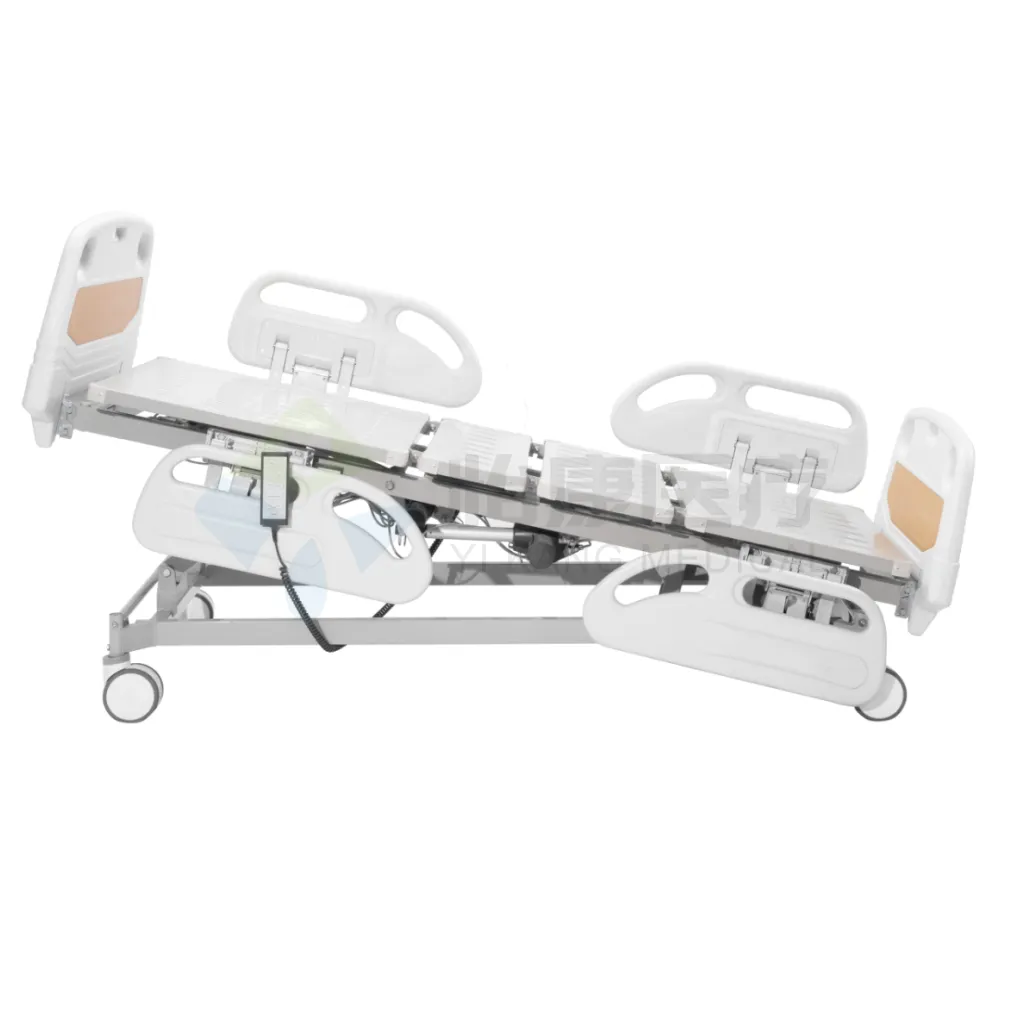
What are the characteristics of traditional hospital beds?
Although medical adjustable beds have become increasingly popular, traditional hospital beds have not been phased out, as they still offer distinct advantages.
1. Simple structure and high stability
The defining characteristic of a traditional hospital bed is its simple structure.
Typically composed of a bed frame, a sleeping surface, side rails, and casters, the overall design is relatively fixed, lacking complex drive mechanisms or electrical control systems. Due to their relatively simple mechanical structure, the failure rate is typically low.
For outpatient observation rooms, short-stay wards, and certain primary healthcare facilities, this type of bed meets basic operational needs.
From a maintenance perspective, traditional hospital beds also offer distinct advantages. With fewer components, they are easier and less costly to repair and maintain, making them highly practical in resource-constrained medical environments.
2. Relatively low procurement costs
Price is a key factor influencing many hospitals' decisions to choose basic hospital beds.
Generally, the procurement cost of standard hospital beds is significantly lower than that of adjustable hospital beds.
Procurement budgets are a major consideration, especially when large-scale bed deployment is required.
For departments where hospital stays are short and patients retain significant mobility, basic hospital beds fully meet requirements, eliminating the need for high-end, feature-rich models.
3. Suitable for patients undergoing short-term treatment
Some patients with mild conditions may only require a hospital stay of a few days.
In such cases, complex adjustment features are rarely utilized.
Departments such as general surgery, ophthalmology, and dermatology, as well as day-surgery centers, often treat patients with good mobility and relatively simple nursing needs; thus, basic hospital beds remain highly practical.
Why are adjustable hospital beds becoming increasingly popular?
As the medical philosophy shifts from merely "treating disease" to "improving overall quality of care," the application of medical adjustable beds has expanded significantly.
1. Enhances patient comfort
Patients often spend long periods in bed during their hospital stay.
If a bed cannot be adjusted, the patient is forced to maintain a single posture, which can lead to fatigue, back pain, and physical discomfort caused by pressure.
Adjustable hospital beds, however, allow the angle to be modified according to the patient's needs.
For instance, the backrest elevation function facilitates reading, eating, socializing, and watching television; leg adjustment helps alleviate lower-limb edema and circulation issues; and overall height adjustment makes it easier for patients to get in and out of bed.
For long-term bedridden patients, these features can significantly improve quality of life.
2. Facilitates nursing care
Modern nursing practice places increasing emphasis on efficiency and safety.
Data from international nursing studies indicate that nurses expend a significant amount of physical energy when turning patients, adjusting their positions, and transferring them. Adjusting a patient's position on a traditional hospital bed often requires the coordinated effort of multiple people.
In contrast, adjustable hospital beds can perform these operations quickly using electric systems.
For example, the backrest elevation function assists patients in sitting up; height adjustment reduces the need for caregivers to bend over; and the tilt function aids caregivers in performing hygiene care and medical treatments.
In the long run, this not only improves care efficiency but also helps reduce the risk of occupational injuries among caregivers.
3. Reducing the risk of complications
Patients confined to bed for extended periods face various health risks.
The most common risks include:
•Pressure ulcers (bedsores);
•Pulmonary infections;
•Muscle atrophy;
•Venous thrombosis;
•Joint stiffness;
•Impaired digestive function.
Extensive clinical research indicates that proper positioning plays a positive role in preventing these issues.
For instance, a semi-recumbent position can improve respiratory function; elevating the lower limbs helps promote venous return; and regularly changing pressure points reduces the incidence of pressure ulcers.
Consequently, adjustable hospital beds have become essential equipment in many intensive care and rehabilitation units.
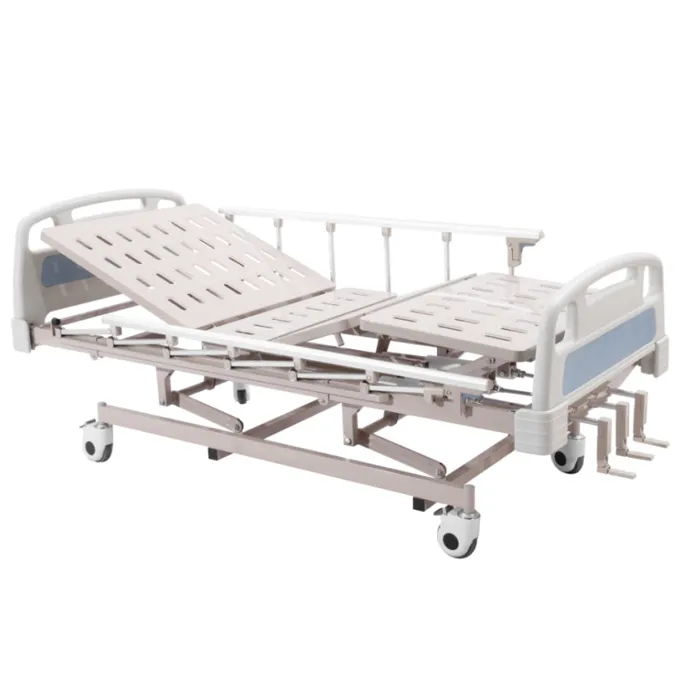
What are the key differences between standard hospital beds and medical adjustable beds?
Although both are classified as medical beds, there are significant differences across several dimensions.
1. Functional differences
This is the most obvious distinction.
Standard hospital beds typically offer only a fixed, flat surface.
Adjustable hospital beds, however, enable:
•Backrest adjustment;
•Leg section adjustment;
•Height adjustment;
•Whole-bed tilting;
•Lateral turning (left/right);
•CPR quick-reset;
•One-touch position switching.
The more extensive the functions, the wider the range of medical scenarios the bed can accommodate.
2. Differences in care value
Traditional hospital beds primarily provide basic support.
Adjustable hospital beds, conversely, have become an integral part of the care system.
Modern hospitals increasingly prioritize "patient-centered" care, and bed functionality directly impacts the quality of that care.
In fields such as long-term care, intensive care, and rehabilitation, the value provided by medical adjustable beds far exceeds that of standard beds.
3. Differences in Safety Features
Modern adjustable hospital beds are typically equipped with:
•Anti-pinch designs;
•Motor overload protection;
•Centralized braking systems;
•Safety side rails to prevent falls;
•Emergency power-cut devices;
•One-touch reset functions.
These features enhance safety for both patients and caregivers.
In contrast, while traditional hospital beds have a simple structure, their safety-support capabilities in complex care environments are relatively limited.
4. Differences in Usage Scenarios
Standard hospital beds are better suited for:
•Short-term hospitalization;
•Outpatient observation;
•Patients with low care needs;
•Primary healthcare facilities.
Adjustable hospital beds are better suited for:
•ICU wards;
•Rehabilitation centers;
•Long-term care facilities;
•Elderly care facilities;
•Home care environments;
•Patients with neurological disorders;
•Post-operative recovery patients.
The Home Care Market Drives Rapid Growth in Adjustable Hospital Beds
In recent years, the demand for home-based elderly care and home nursing has grown rapidly.
Data from the United Nations indicates that the global trend of population aging is accelerating, with the proportion of the elderly population steadily rising. Long-term home care has become a crucial need for elderly individuals with disabilities or limited mobility.
Against this backdrop, medical adjustable beds have increasingly entered the home market.
Many families have found that traditional beds cannot meet long-term care requirements.
Adjustable hospital beds, however, assist the elderly with activities such as:
•Sitting up;
•Eating;
•Reading;
•Watching television;
•Rehabilitation exercises;
•Daily personal care.
They also significantly reduce the caregiving burden on family members.
Consequently, adjustable hospital beds designed for home care have become a key growth area in the medical care equipment market.
How to Choose the Right Hospital Bed?
When purchasing a hospital bed—whether a standard or adjustable model—one should not focus solely on price but should instead consider actual needs comprehensively.
If a patient requires only short-term hospitalization and retains good mobility, a standard hospital bed is usually sufficient.
However, if the patient requires long-term bed rest, post-operative recovery, care for neurological disorders, elderly care, or rehabilitation training, an adjustable hospital bed often offers greater value. In addition, key factors such as load-bearing capacity, the number of adjustment functions, side rail design, control systems, safety certifications, and after-sales service require close attention.
Medical institutions should select equipment based on the specific needs of different departments rather than simply applying a uniform standard.
FAQ
Are standard hospital beds and medical adjustable beds the same product?
No. "Hospital bed" is a general term, whereas a medical adjustable bed is a specific type of functional hospital bed. While all medical adjustable beds fall under the category of hospital beds, not all hospital beds possess adjustment capabilities.
What are the common functions of adjustable hospital beds?
Common functions include backrest elevation, leg elevation, height adjustment, whole-bed tilting, lateral turning, one-touch reset, emergency CPR functions, and electronic control systems.
Is it necessary for long-term bedridden patients to use adjustable hospital beds?
Generally, yes. Adjustable hospital beds help patients change positions, reducing the risk of pressure ulcers and pulmonary infections while enhancing comfort and caregiving efficiency; they offer significant value for long-term bedridden patients.
Why are standard hospital beds still widely used?
The main reasons are their simple structure, lower procurement costs, and ease of maintenance. They meet the needs of short-term hospital stays and basic medical care, making them highly practical in many healthcare settings.
Are medical adjustable beds suitable for home care?
For elderly individuals with limited mobility, post-operative patients, long-term bedridden patients, and those requiring continuous care, medical adjustable beds significantly improve both the ease of caregiving and patient comfort, making them a highly suitable choice.