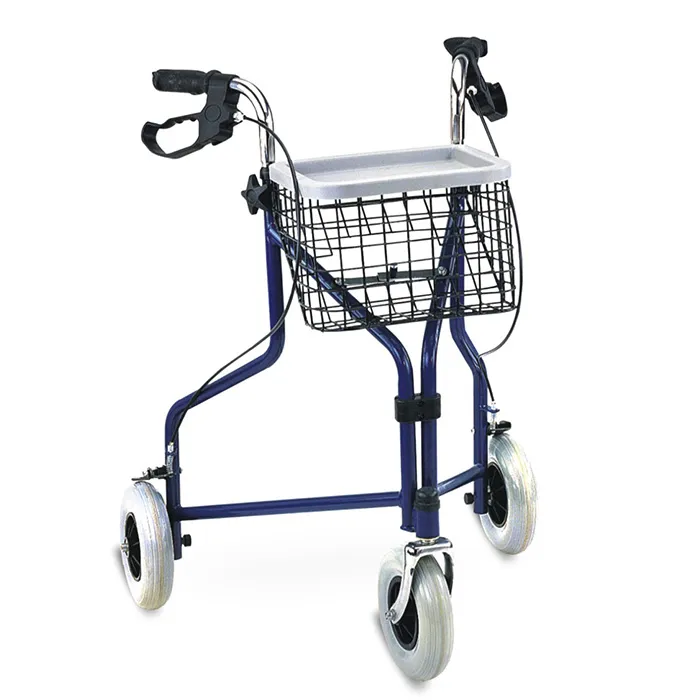
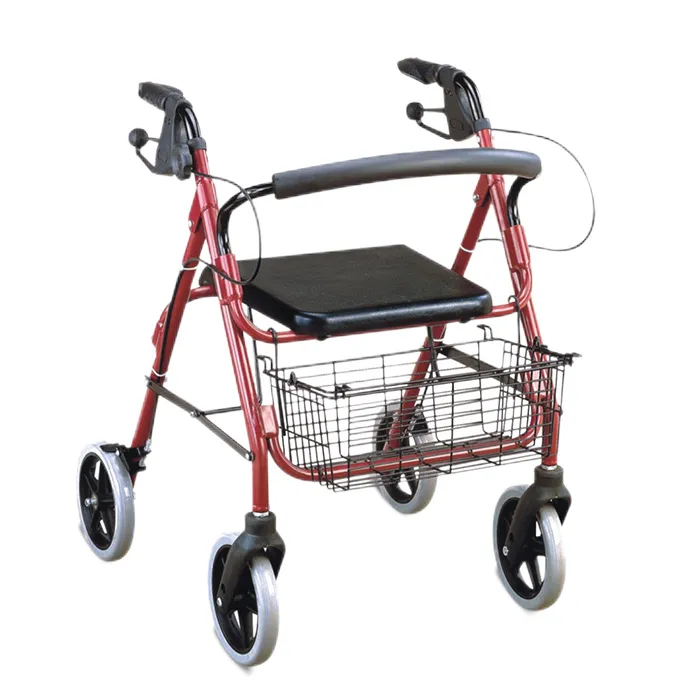
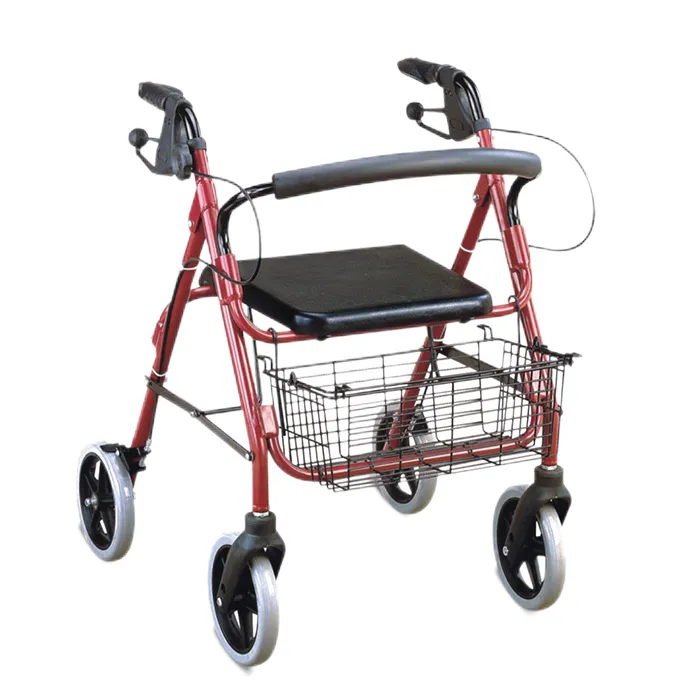
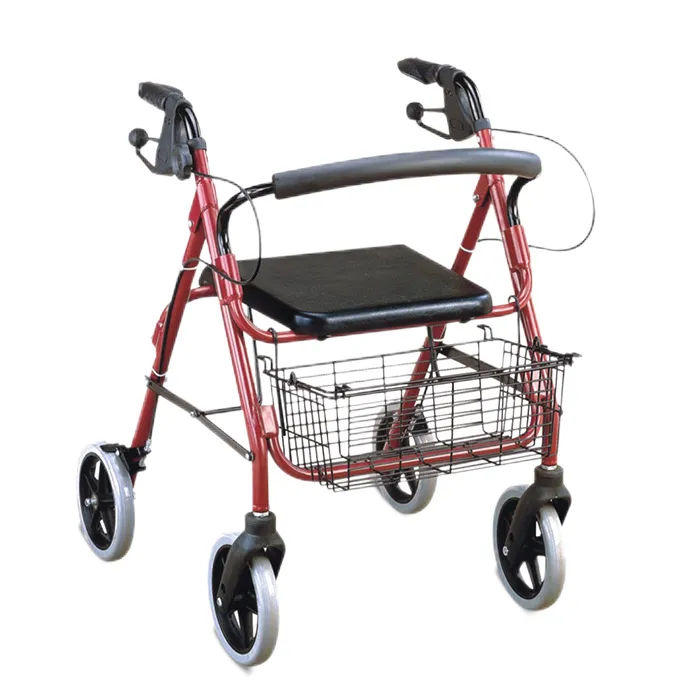
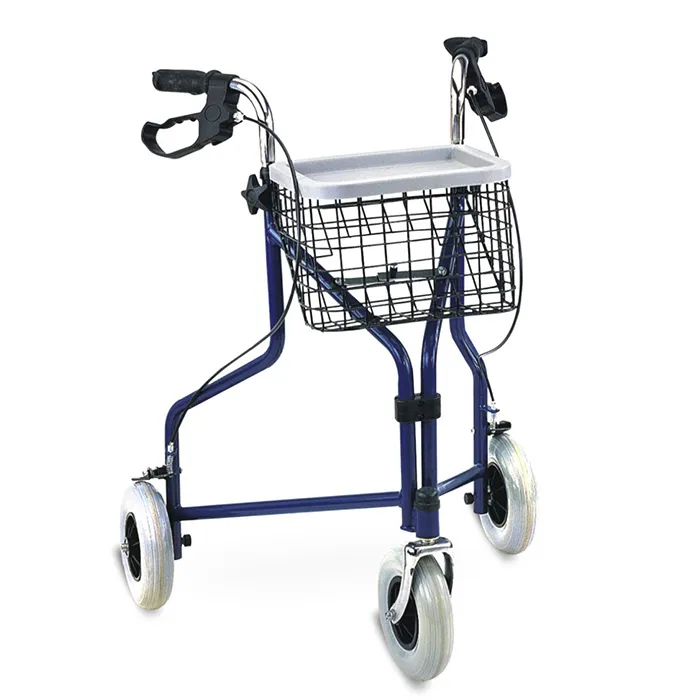
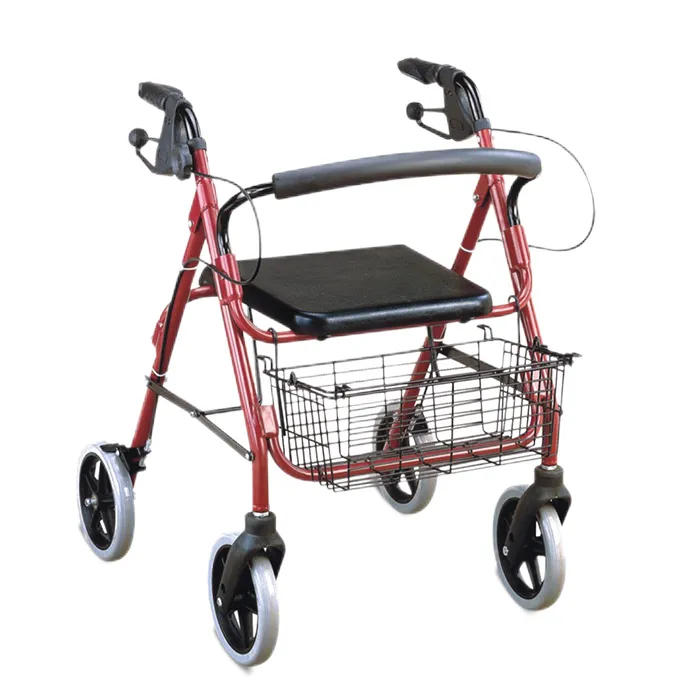
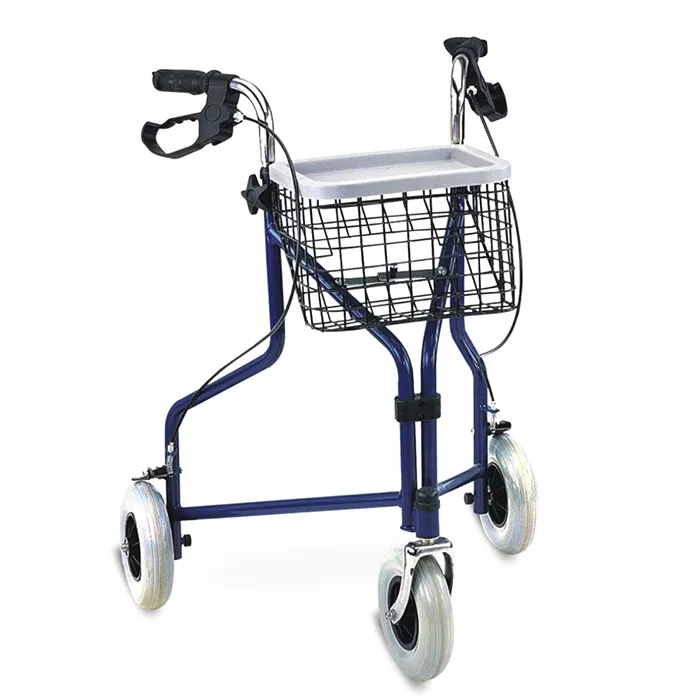
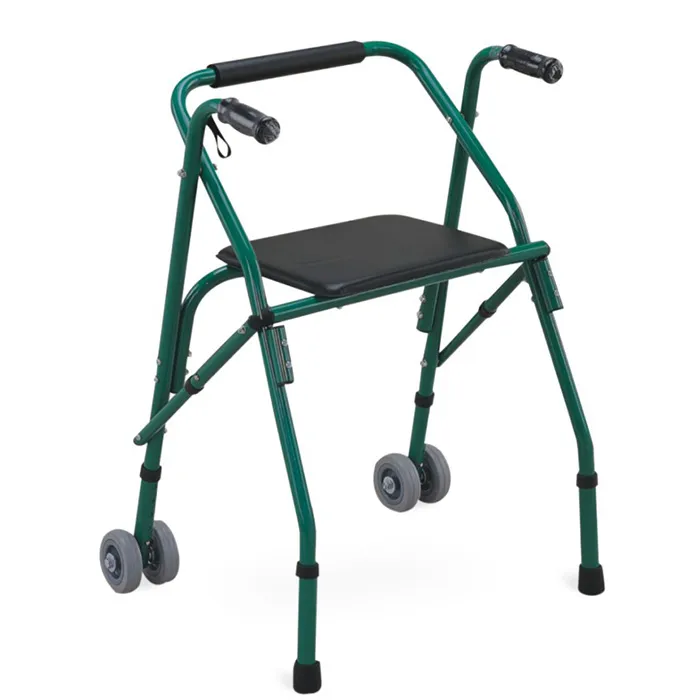
The biggest advantage of a 4-wheel roller walker is its stability and safety, and it maintains balance even on uneven surfaces. Therefore, in most usage scenarios, a 4-wheel roller walker performs better than a 3-wheel model.
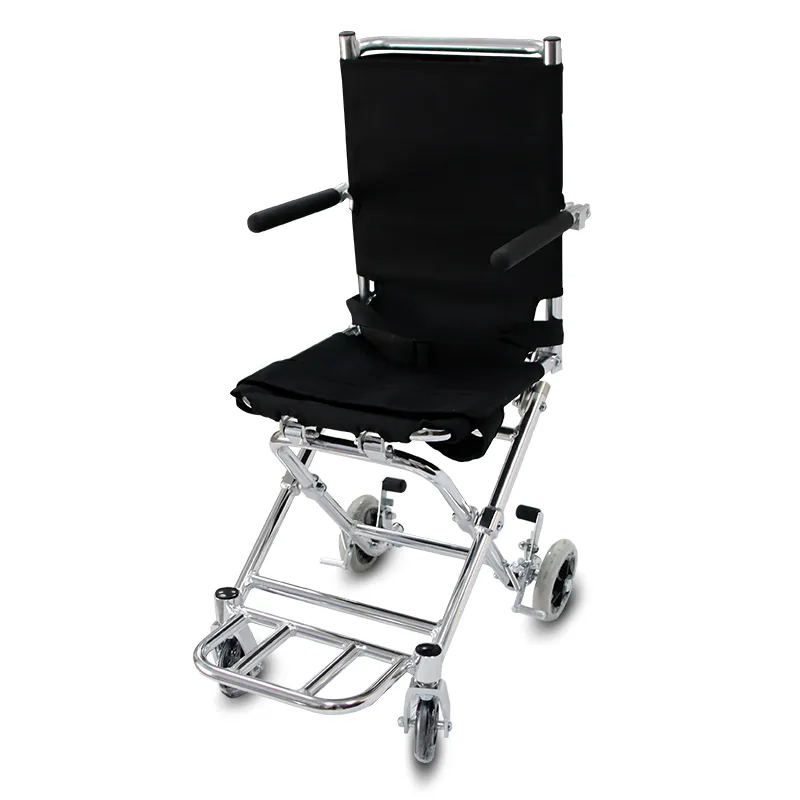
From the perspective of functional positioning, the rollator walker with seat emphasizes "autonomy + short-term rest", while the transport wheelchair emphasizes "dependence + long-term riding". The two have clear positioning and cannot be used interchangeably.
Rollator with wheels itself is a well-structured and standard-verified auxiliary device;
It has good adaptability for the elderly who still have walking ability and intact cognitive function;
Under the premise of reasonable structural design and correct use, the safety of roller with wheels is reliable.
Regarding the core question of "how much does a light weight rollator weigh", there is currently no unified absolute standard in the industry, but it is generally recognized that the weight of a light weight rollator is roughly between 5 kg and 10 kg.
People who should not use the rollator walker:
1. People who are completely unable to stand or walk independently
2. People with blurred consciousness or severe cognitive impairment
3. People with extremely weak upper limb strength
4. People who need highly protective mobility support
5. People with severe motor coordination disorders
6. Patients with severe cardiopulmonary insufficiency
7. People with extremely abnormal body shape
The answer is yes - foldable rollator walkers can be brought on board. In the current civil aviation policy system, rollator walkers, as important mobility aids, are widely accepted and supported by air transport. In particular, foldable rollator walkers can be checked in for free in most cases, and can even be brought into the cabin with you, provided that they meet the requirements of size, safety and ease of operation.
Indoor use: It is recommended to choose a narrower and lighter rollator walker to facilitate passing through narrow spaces such as door frames and corridors. Rollator walkers with a width of less than 55cm are more suitable for indoor use.
Outdoor use: A larger and more stable rollator walker is required, usually with a width of 55cm-65cm, and a larger wheel diameter is required to adapt to uneven roads.
Comparison of support stability: rollator walker is better
Walking sticks mainly rely on unilateral or double-handed grip to support part of the user's weight, while rollator walkers provide a wider support surface, greatly reducing the risk of falling, especially for users with poor balance or postoperative recovery.
Aluminum alloy makes the overall weight of the rolling walker controlled, making it easier for users to push or carry, especially for the elderly with weak physical strength or patients in recovery, reducing additional physical exertion and improving the comfort of use.
The most suitable types of walking frames for the elderly are:
1. Four-legged walking frame (standard walking frame)
2. Wheeled walking frame (wheeled walking frame)
3. Walking stick
4. Rollator
The elderly can choose the most suitable walking frame according to their mobility, needs and living environment.