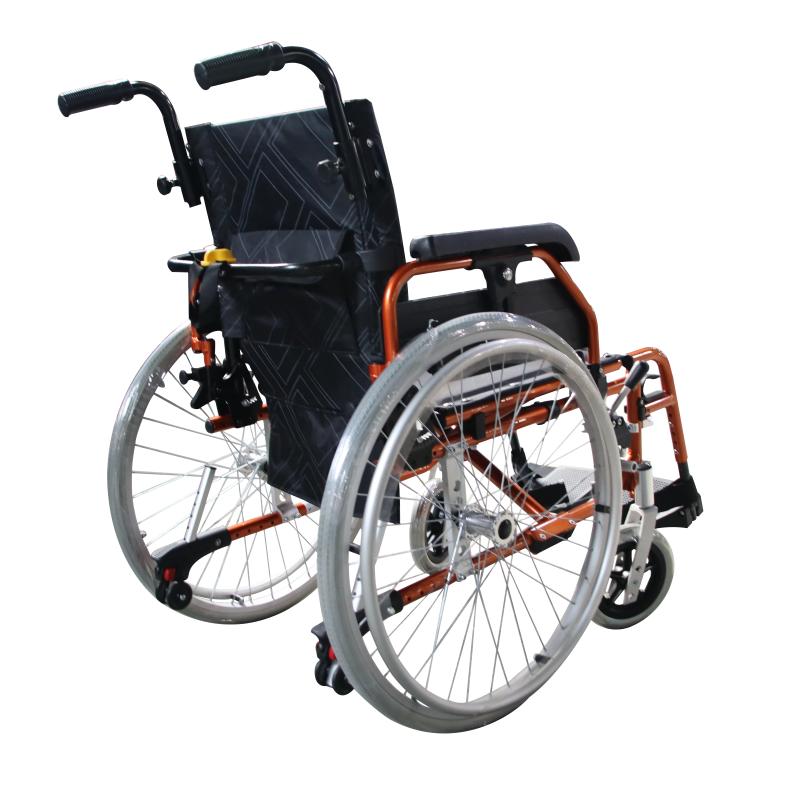
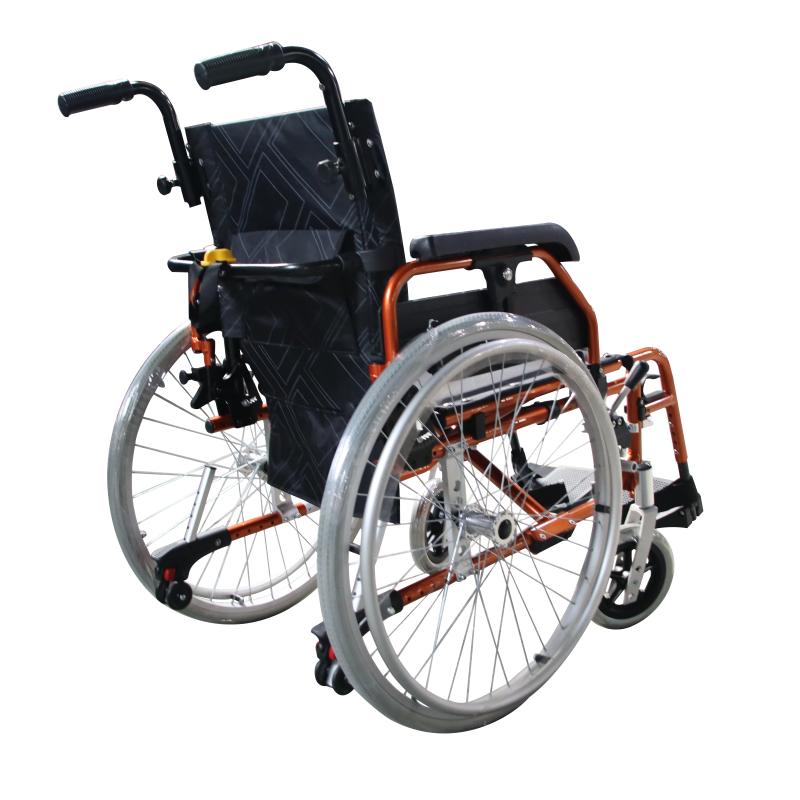
Typically, a user can push a manual wheelchair at a speed of 1 to 2 miles per hour.
This speed range is widely regarded as the common operating speed for a manual wheelchair under normal, safe, and sustainable conditions.
From common industry specifications:
• Most standard manual wheelchairs are typically wider than 24 inches.
• Even manual wheelchairs with narrower seat widths often have a rear wheel track distance close to or exceeding this value.
Lead-acid batteries in electric wheelchairs typically need to be fully charged to 100%. However, lithium batteries do not need to be fully charged to 100% every time, as maintaining a fully charged state for a long time will cause slight wear and tear on the cells, shortening their lifespan.
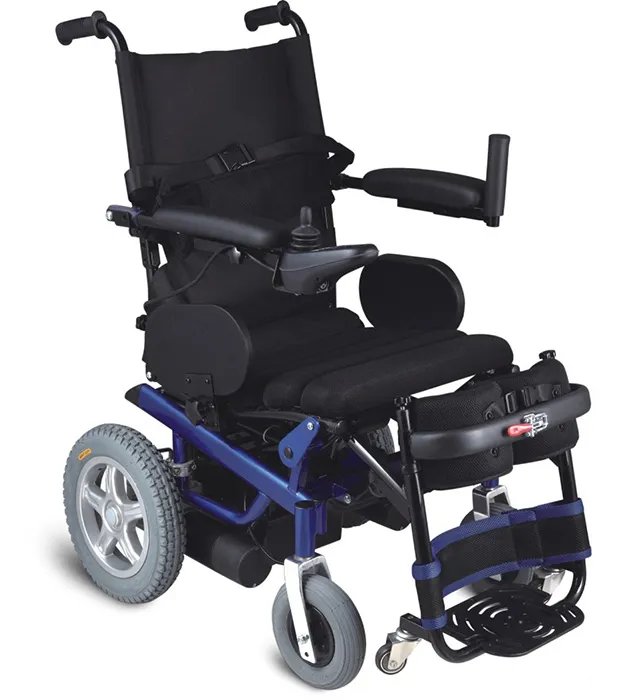
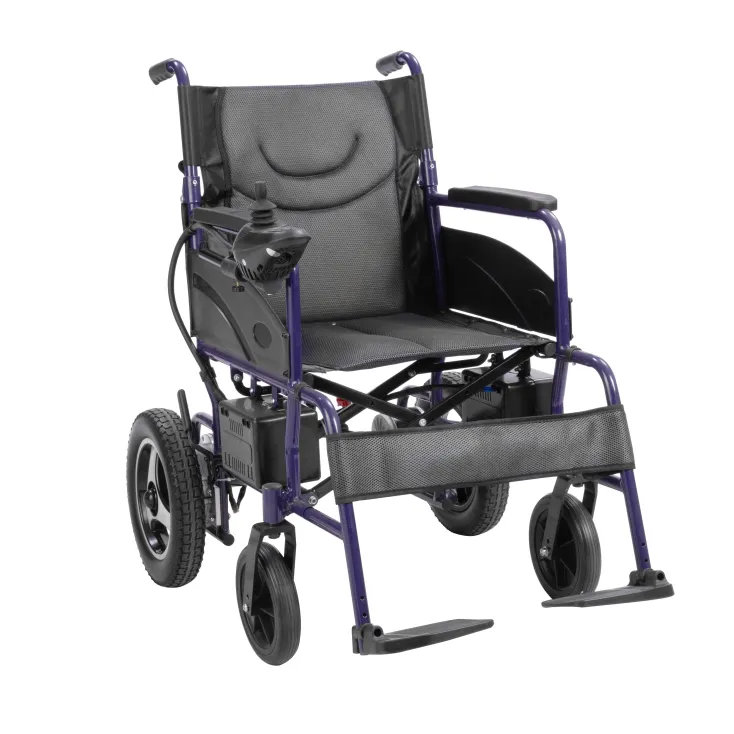
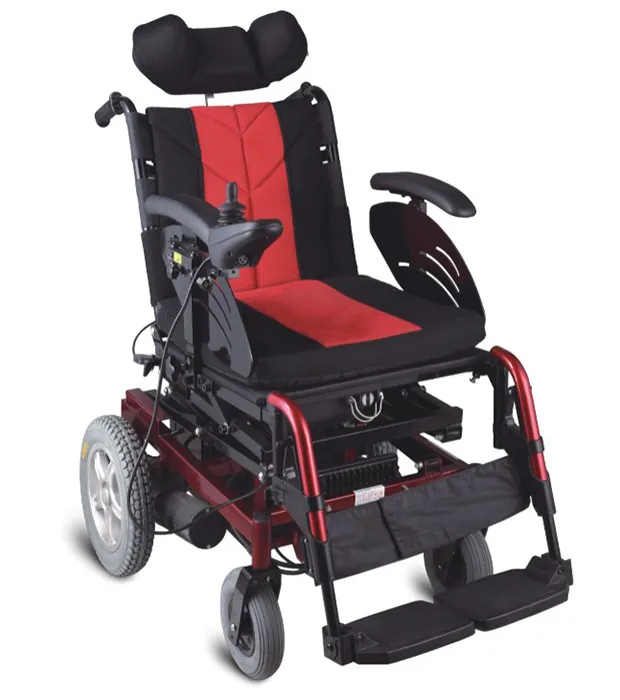
For patients with severe muscle weakness or upper limb dysfunction, using traditional manual wheelchairs will lead to the dilemma of "being able to sit but unable to move" due to the lack of propulsion. Electric wheelchairs can easily replace manpower to complete various directions of travel through the electric drive system.
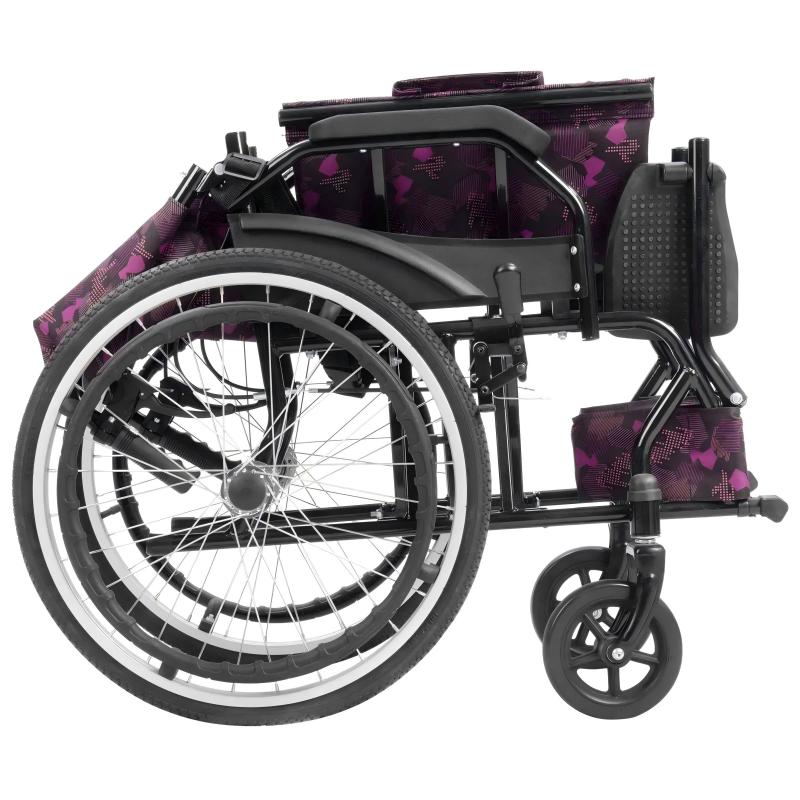
The answer is no! Although most of the manual wheelchairs used daily on the market, especially the standard and lightweight ones, have folding functions and are classified as "manual folding wheelchairs", there are still many manual wheelchairs that do not have folding designs due to structural stability, functional complexity, and specific usage scenarios.
The core power system of electric wheel chairs is the battery they are equipped with. Most modern electric wheel chairs use lithium-ion batteries. This type of battery has the advantages of high energy density and small size, but it also has the following safety hazards:
• Thermal runaway
• Electrolyte leakage
• Aviation regulations restrictions
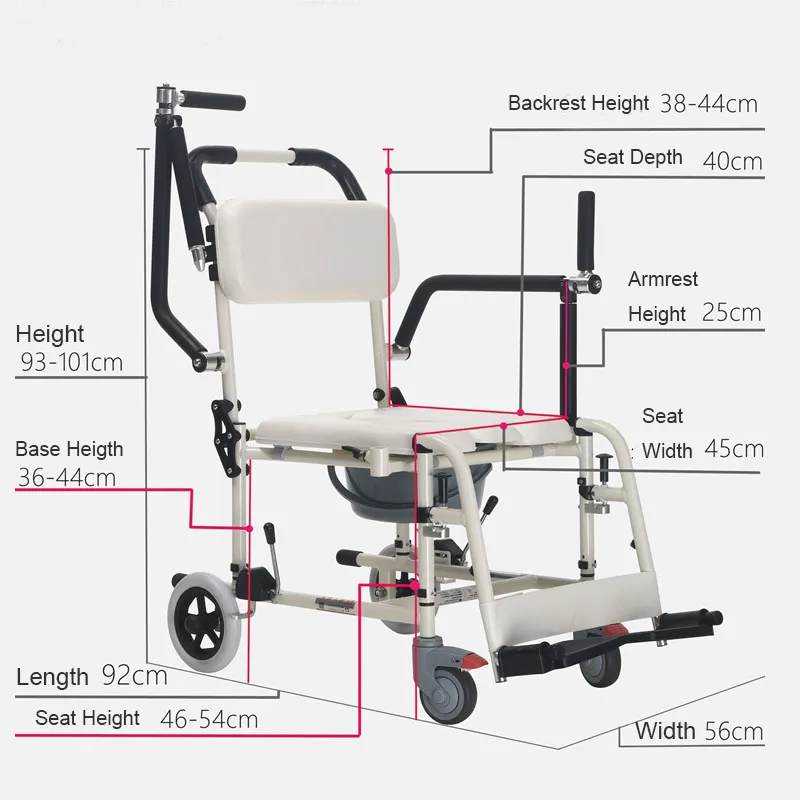
People who should use commode wheel chairs:
1. People with mobility impairments
2. Elderly people
3. Patients recovering from surgery
4. Long-term bedridden patients
5. Patients with special diseases
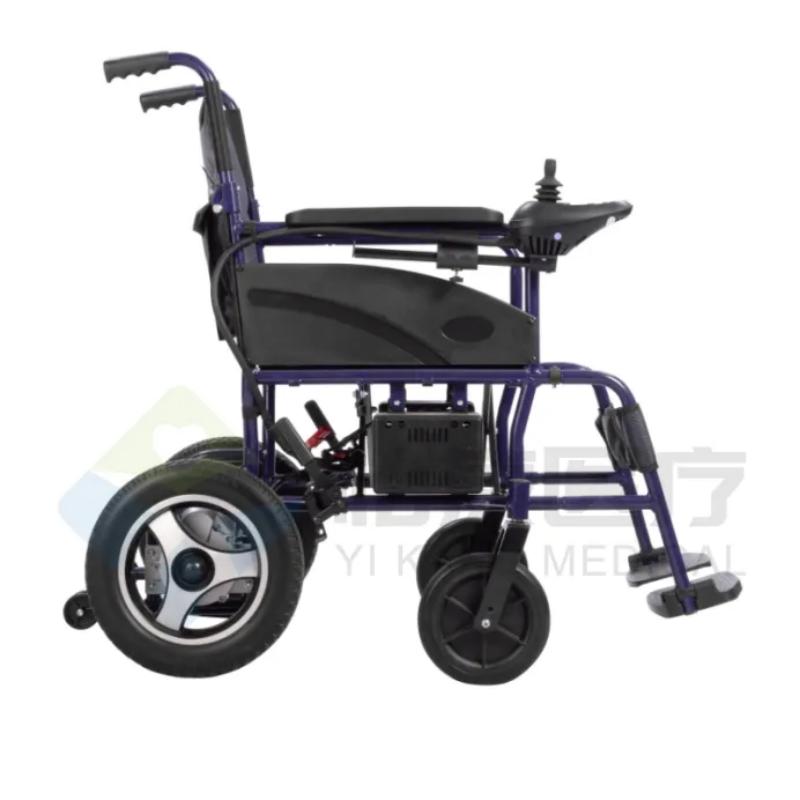
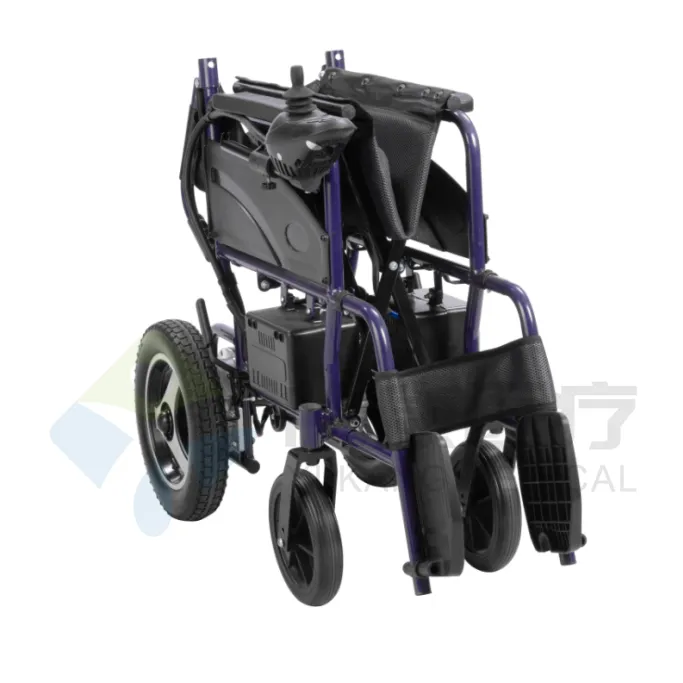
Lightweight electric wheel chairs are usually lightweight and suitable for carrying when going out or putting in the trunk of a car. Its battery capacity is usually small, so it is suitable for short-distance use and is suitable for elderly people living in urban environments, especially those who need to go out frequently.
The motor power of the power wheels chair directly determines its power output. At present, most of the power wheels chairs used by the elderly on the market are equipped with motors between 200 watts and 400 watts. The design maximum speed of such motors is usually between 6 km/h and 8 km/h.
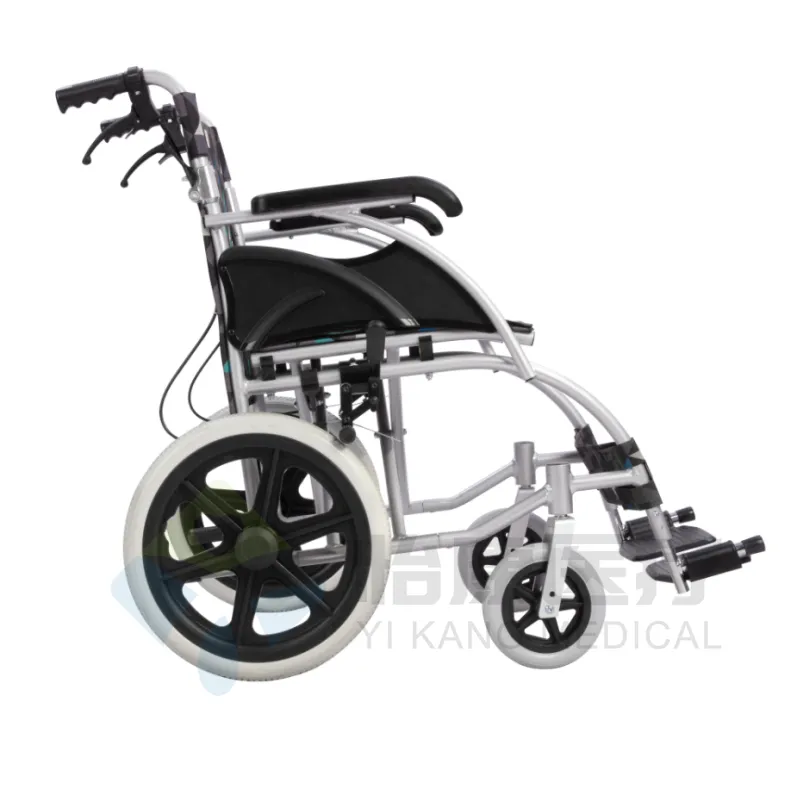
——The transport wheel chair is the easiest to push among the manual wheel chairs!
Its design focuses on short-distance transportation, lightweight portability and high maneuverability. It is light in weight, small in wheel diameter and smooth in thrust, making it very suitable for indoor use, hospitals, nursing homes and home care environments.