
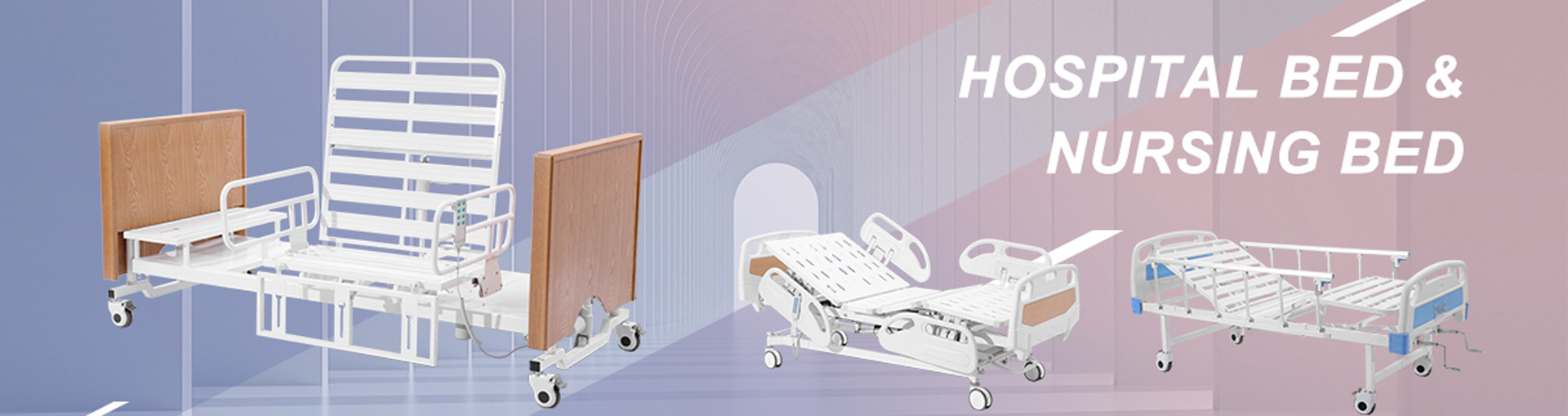
For individuals with limited mobility, the elderly, those recovering from surgery, or those with physical frailty, the seemingly routine act of using the toilet can be fraught with risks—including the potential for falls, significant physical exertion, and operational difficulties. To help these groups achieve greater safety and convenience during toileting, the commode chair has emerged as a vital assistive device.
Many people ask: "If there is already a toilet in the home, why is a toilet commode chair still necessary?" When faced with this question, many fail to grasp the true function of a commode chair. In reality, the very purpose of a commode chair is to enable individuals with limited mobility to experience a more convenient, safer, and less physically demanding method of toileting.
Whether for the elderly, those with chronic illnesses, post-operative patients, or even pregnant individuals whose mobility has slowed, a toilet commode chair offers invaluable support.
This article will focus on the core issue, providing a professional explanation of why one might choose to use a commode chair rather than a standard toilet.
The distance traveled to reach a commode chair differs from that required for a standard toilet.
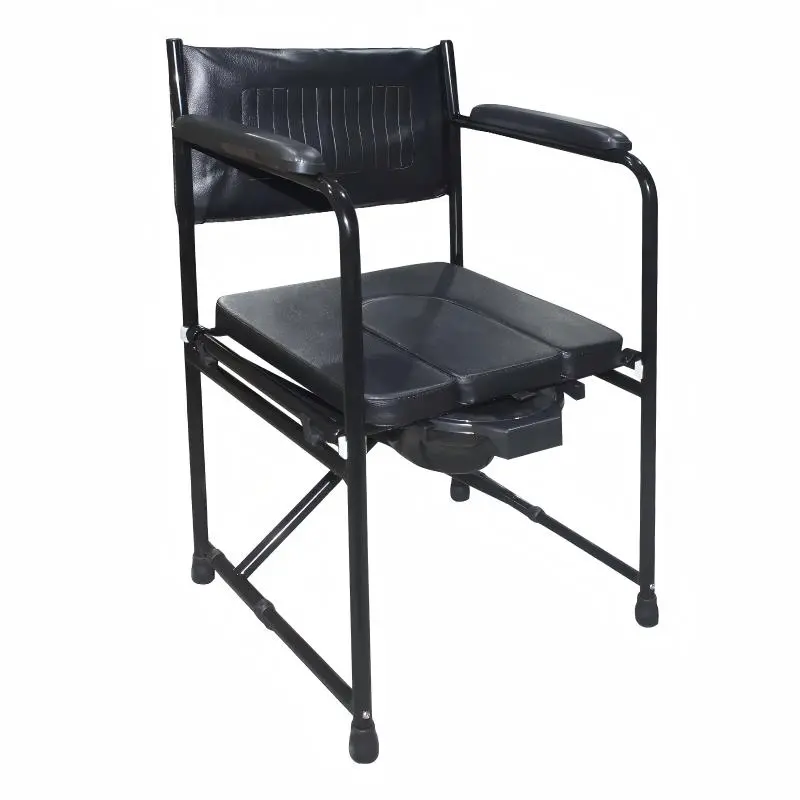
Why does this distance impact toileting safety?
1. The Distance to the Bathroom Poses a Risk for Those with Limited Mobility
For a healthy adult, walking from the bedroom to the bathroom takes mere seconds. However, for the elderly, those with leg or foot impairments, stroke survivors, or patients with spinal injuries, this journey can be accompanied by:
•Feelings of fatigue and a lack of physical stamina
•Diminished balance capabilities
•The potential danger of slipping or falling while en route
•Risks associated with poor lighting conditions at night
•The necessity of leaning on walls or furniture to move forward slowly
One of the core advantages of a toilet commode chair is that it can be positioned right next to the bed—or anywhere else within the room—thereby eliminating the need for the user to undertake the risky journey to the bathroom.
2. The Need for Nighttime Toileting Particularly Highlights the Necessity of a Commode Chair
Individuals with limited mobility are often at their weakest and most unsteady when rising from bed during the night. At such times:
•Lighting is typically dim
•There may be a significant temperature difference between the bed and the surrounding environment
•The body is just transitioning from a lying position to a standing one
•One's mind may not yet be fully alert
All of these factors serve to amplify the associated risks. By placing a commode chair directly beside the bed, the distance required for movement is minimized, thereby significantly reducing the likelihood of a fall occurring during the night.
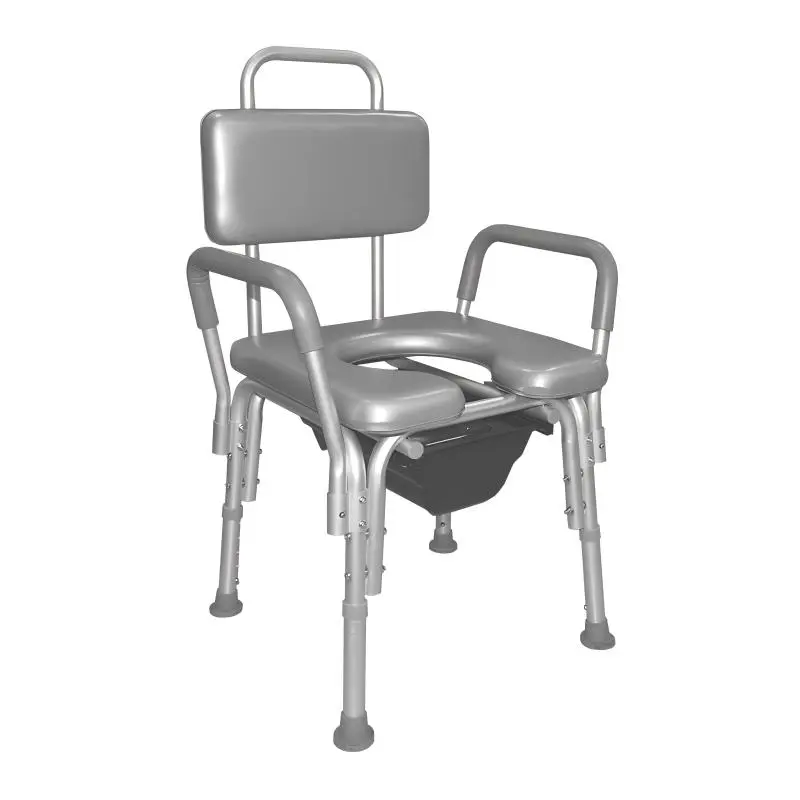
Do commode chairs offer greater safety than standard toilets? Why is safety so critical?
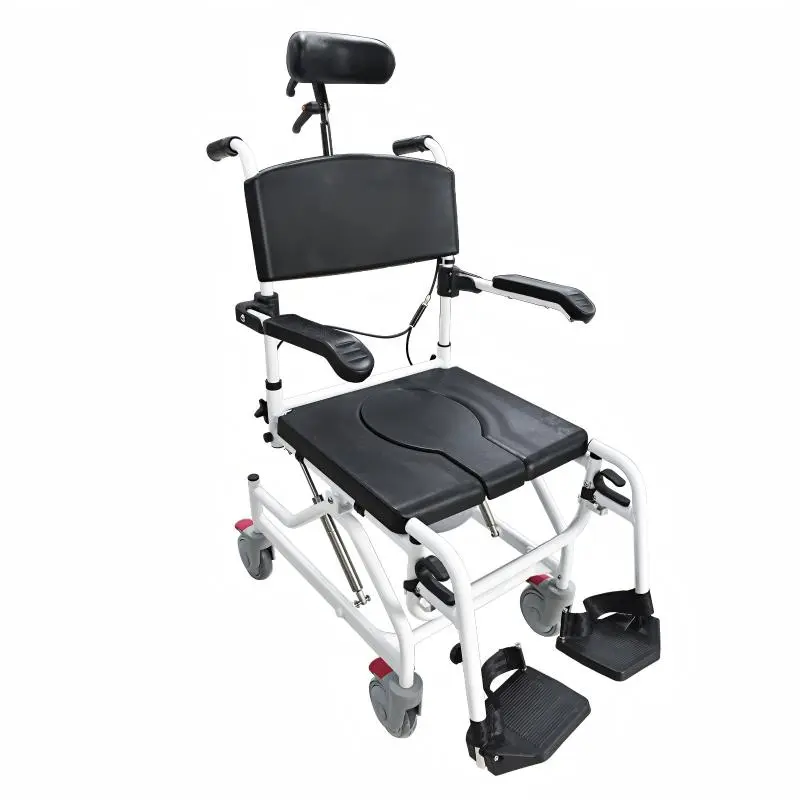
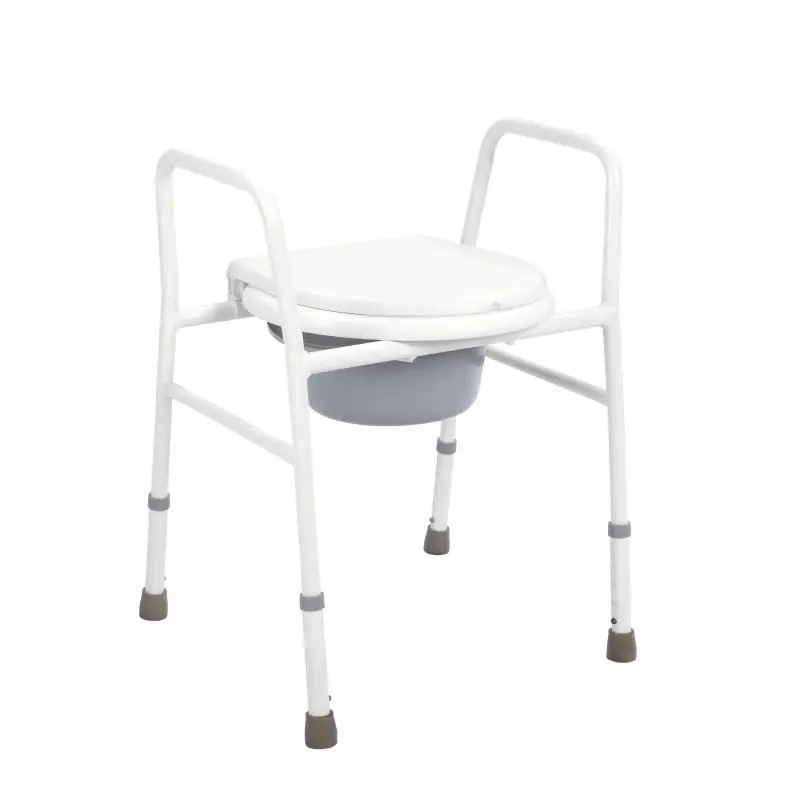
1. Commode chairs feature armrests and support structures that help users rise and sit down with stability.
Standard toilets typically have a fixed height and lack structural supports on the sides that users can rely on for leverage. Commode chairs, in contrast, typically feature:
•Dual armrests, providing support for users to push off with their hands.
•A higher seat height, reducing the depth of the squat required.
•A wider base structure, ensuring stability when sitting down.
•Non-slip foot pads, preventing the chair from sliding on the floor.
These design features are crucial for individuals with leg weakness or poor balance.
2. Commode chairs allow for a safer sitting angle.
Standard toilets are relatively low, necessitating a deep squat. Commode chairs, however, generally adopt a height closer to that of a standard chair, making the transition from standing to sitting less physically demanding, more stable, and less prone to falls.
3. Commode chairs are more user-friendly for those requiring assistance.
When caregivers assist users with a standard toilet, they often need to:
•Physically support the user's body.
•Help maintain their balance.
•Prevent slipping.
The armrests, backrests, and adjustable height of a toilet commode chair make the caregiving process easier while also safeguarding the user's privacy and dignity.
Are commode chairs more ergonomically suited for individuals with mobility impairments than standard toilets?
1. The height of a commode chair is better suited for individuals with leg weakness.
Standard toilets typically range in height from 38 to 42 centimeters, whereas the height of a commode chair can usually be adjusted to suit specific needs. The benefits of this include:
•Avoiding the need for a deep squat.
•Reducing pressure on the knee joints and thighs.
•Enabling users to rise with ease.
•Accommodating users of varying body types and mobility levels.
This is particularly important for the elderly, post-operative patients, and individuals suffering from knee-related conditions.
2. Commode chairs feature wider, more comfortable seats.
The seat design of a toilet commode chair is tailored to individuals who may use it for extended periods, prioritizing:
•Sitting stability.
•Even distribution of pressure on the skin.
•Prevention of pressure-related discomfort caused by prolonged sitting.
These are factors that standard toilets rarely take into consideration.
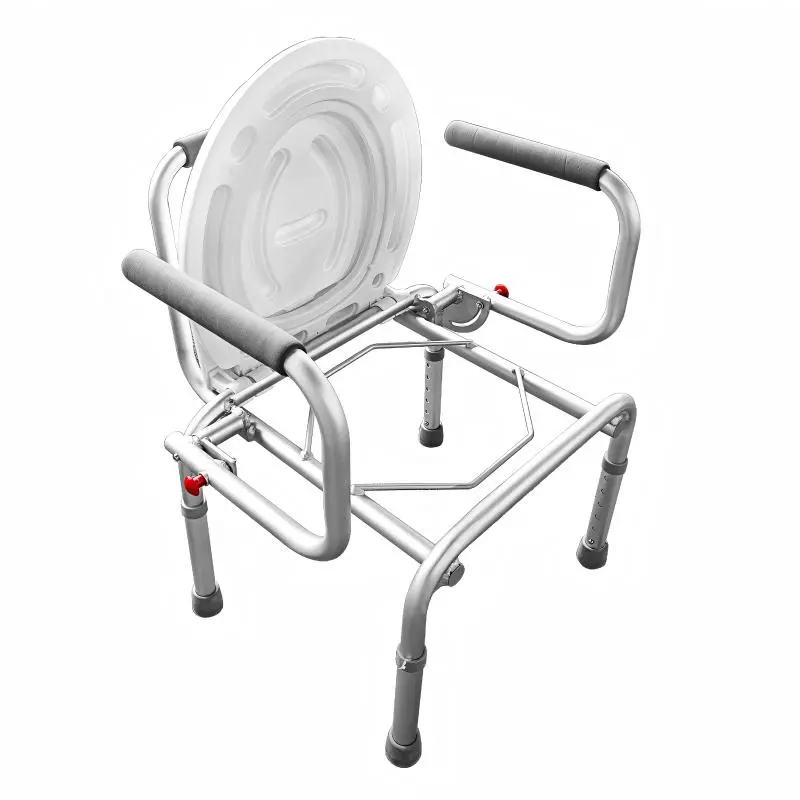
Why do commode chairs make the toileting process less physically demanding?
1. Commode Chairs Reduce Physical Exertion for Users
Walking to the bathroom → Closing the door → Sitting down → Standing up → Returning to the room
This entire sequence of actions is extremely physically demanding for individuals with limited mobility; it can even leave them breathless, fatigued, or dizzy.
In contrast, a toilet commode chair:
•Can be placed right beside the bed
•Allows the user to lie down immediately after using the toilet
•Requires only a few steps—or even eliminates the need to stand for any significant length of time—throughout the entire process
This significantly reduces physical exertion.
2. Commode Chairs Make Caregiving Less Physically Demanding
Caregivers no longer need to:
•Assist the patient in walking long distances
•Attempt to maneuver within a cramped bathroom space
•Navigate slippery floor surfaces
•Bend down deeply to assist the patient in sitting down or standing up
Using a toilet commode chair effectively reduces the physical workload associated with caregiving.
Are commode chairs more flexible than standard toilets? Why is flexibility so important in caregiving?
1. Commode Chairs Can Be Repositioned at Any Time
A commode chair can be placed:
•Beside the bed
•In the living room
•Next to a specialized care bed
•In any area where the user frequently spends time
A standard toilet, however, is permanently fixed within the bathroom.
For some individuals with limited mobility, the location of the bathroom may not be convenient; a toilet commode chair, on the other hand, can be adapted to suit various environments based on the user's specific needs.
2. Commode Chairs Do Not Require Bathroom Renovations
Many home bathrooms:
•Are cramped or small in size
•Lack safety grab bars
•Are located far away from the bedroom
•Have floors that are prone to becoming slippery
To ensure that individuals with limited mobility can use the bathroom safely, it is often necessary to install equipment such as non-slip mats, grab bars, or raised toilet seats. However, installing these fixtures typically requires significant time and financial investment.
A commode chair, conversely:
•Requires no structural renovations
•Is not restricted by spatial limitations
•Is ready for immediate use upon setup
•Offers a more economical and flexible solution
Do commode chairs help reduce the risk of falls? Why do many healthcare professionals prioritize recommending them?
1. Falls Are One of the Primary Risks for the Elderly and Those with Limited Mobility
Among all types of household accidents, falls occurring within the bathroom account for a significant proportion. Reasons include:
•Slippery floors
•Confined spaces
•Difficulty in the physical acts of standing up and sitting down
•Poor visibility at night
Using a commode chair allows individuals with limited mobility to avoid entering these high-risk zones.
2. Commode chairs reduce the risks associated with the entire "stand—walk—sit" sequence.
Using a standard toilet requires a greater number of physical steps, whereas a toilet commode chair streamlines the process, making the entire toileting experience more stable and fluid.
Are commode chairs particularly suitable for those who are bedridden or physically frail? Why?
1. Commode chairs allow bedridden individuals to complete toileting with minimal movement.
For those who are bedridden for extended periods:
•Movement is difficult.
•Standing up requires significant physical exertion.
•The process of transferring from bed to toilet is complex.
The issues addressed by toilet commode chairs include:
•Eliminating the need to walk long distances.
•Allowing for direct positioning right beside the bed.
•Enabling caregivers to transfer the patient with greater ease.
2. Commode chairs help preserve the user's dignity.
For many individuals, toileting at the bedside feels more dignified than using a bedpan while lying in bed, as it more closely mimics the natural posture of using a standard toilet.
How do commode chairs improve quality of life?
1. Enhanced Independence
Commode chairs enable many individuals with limited mobility to:
•Avoid being entirely dependent on caregivers.
•Perform certain steps of the toileting process on their own.
•Maintain a certain degree of personal autonomy.
This sense of independence directly improves one's psychological well-being and overall quality of life.
2. Reduced Psychological Stress
Walking to the bathroom can be a source of anxiety for those with limited mobility; a toilet commode chair makes the entire experience feel much more relaxed and stress-free.
3. Cleaner and More Hygienic
Most commode chairs feature a removable waste bucket that is easy to clean. Furthermore, they remain dry—unlike the floors of some bathrooms, which can be damp and pose hidden safety hazards.
Why choose a commode chair instead of a standard toilet?
The answer is simple: it is safer, requires less effort, is more convenient, and is more user-friendly.
The reason for choosing a commode chair over a standard toilet is that it addresses the most pressing toileting needs of individuals with limited mobility:
•It minimizes the distance traveled, thereby reducing the risk of falls.
•It provides ergonomic support and height that are better suited to the user.
•It makes the toileting process less physically demanding and safer.
•It enhances the independence and dignity of individuals with limited mobility.
•It makes the caregiving process easier and more efficient.
For the elderly, those with chronic illnesses, individuals recovering from surgery, or those with poor balance, using a toilet commode chair is not merely an assistive device; it is a vital means of improving their quality of life.