

With the development of rehabilitation medicine and the popularization of assistive mobility devices, electric wheelchairs(power wheelchairs) are gradually becoming a primary means of transportation for many people with mobility impairments.
They help users move independently indoors and outdoors through an electric drive system, greatly improving their quality of life and independence.
However, not everyone with mobility limitations is suitable for using an electric wheelchair. Before choosing one, a comprehensive assessment must be made based on an individual's physical condition, cognitive ability, usage environment, and care support.
This article will explore in depth from multiple perspectives—who is truly suitable to use a power wheelchair—and help readers scientifically understand the selection criteria and safety points.
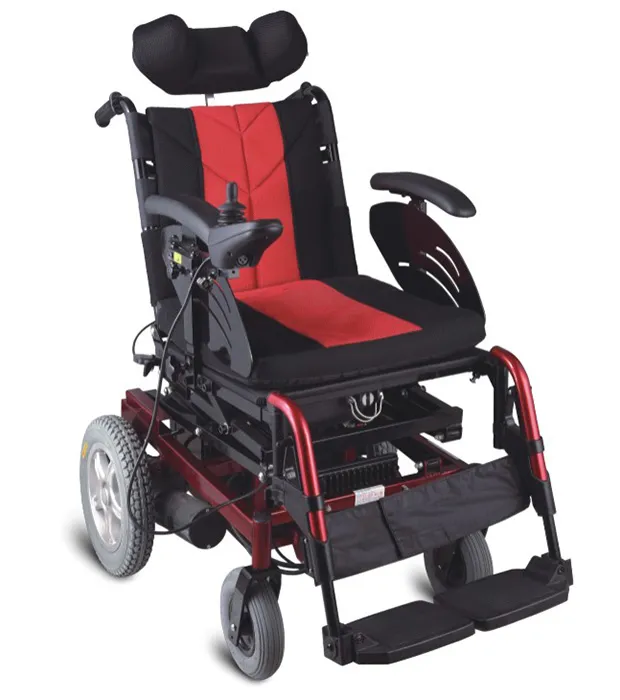
What is the difference between an electric wheelchair and a regular wheelchair?
An electric wheelchair is a mobile device driven by an electric motor, mainly composed of the following parts:
• Motor system (drive wheels)
• Controller (usually joystick control)
• Battery system (generally lithium-ion or lead-acid batteries)
• Frame and seat system
Its biggest feature is:
Users do not need to rely on their arms to push the wheels; they can move forward, backward, or turn by operating a control lever.
In contrast, traditional manual wheelchairs rely entirely on hand strength or being pushed by others, requiring users to have strong upper limb strength and endurance.
Therefore, power wheelchairs are particularly suitable for people with insufficient upper limb strength or those who are unable to push a wheelchair forcefully for extended periods.
Why Choose an Electric Wheelchair?
1. Improved Independent Mobility
For people who are bedridden or have limited mobility, power wheelchairs allow them to regain the freedom of independent movement, enabling them to move independently at home or in the community without relying on caregivers.
2. Reduced Caregiver Burden
For caregivers, assisting in pushing a manual wheelchair is a physically demanding task. The use of electric wheelchairs significantly reduces the manpower burden, making care more efficient.
3. Enhanced Mental Health
The ability to independently control the direction and speed of movement has a significant positive impact on the patient's mental state. Electric wheelchairs allow users to regain dignity and confidence.
4. Increased Participation in Daily Activities
The high mobility of power wheelchairs makes them suitable for various environments, including homes, hospitals, shopping malls, and parks, enabling users to participate more actively in social activities.
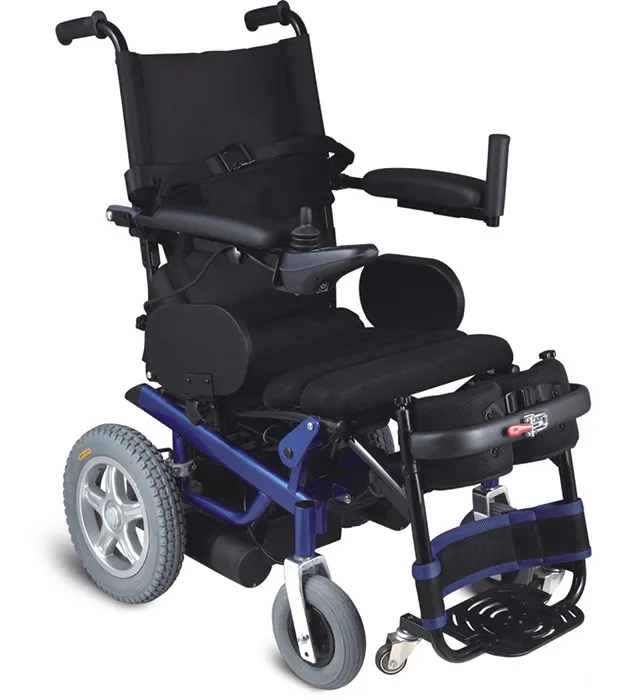
Who is a Suitable User for an Electric Wheelchair?
Electric wheelchairs are not limited to a specific disease or age; their suitability is determined by the degree and type of mobility impairment.
The following are typical categories of suitable individuals:
1. Individuals with severely limited lower limb mobility but insufficient upper limb strength
Many diseases can lead to loss of lower limb mobility, such as:
• Spinal cord injury (lower body paralysis);
• Multiple sclerosis (MS);
• Lower limb amputation;
• Severe rheumatoid arthritis or joint deformities.
These individuals are usually unable to walk independently and lack the upper limb strength to propel a manual wheelchair. Using an electric wheelchair allows them to maintain independent mobility.
2. Individuals with neurological or muscular diseases
For example:
• Amyotrophic lateral sclerosis (ALS);
• Advanced Parkinson's disease;
• Myasthenia gravis;
• Multiple sclerosis.
These patients typically experience overall muscle weakness or impaired motor coordination, making it difficult to maintain prolonged use of a manual wheelchair. Electric wheelchairs, with their electronic control systems, allow for easy operation.
3. Elderly Individuals with Frailty but Remaining Cognitive Ability
As people age, many experience weakness in their legs, balance problems, or decreased cardiorespiratory endurance.
If their cognitive function is normal and their reaction time is good, a power wheelchair can be used safely for short-distance mobility.
4. Patients in Rehabilitation Phases Requiring Intermittent Assistance
Some individuals recovering from fractures, surgery, or illness can temporarily use an electric wheelchair to maintain their mobility and avoid muscle atrophy and psychological depression caused by prolonged bed rest.
5. Patients with Chronic Diseases
People with conditions such as chronic obstructive pulmonary disease (COPD) or heart failure, which lead to decreased physical strength, are prone to fatigue during long-distance travel. Using an electric wheelchair can conserve energy.
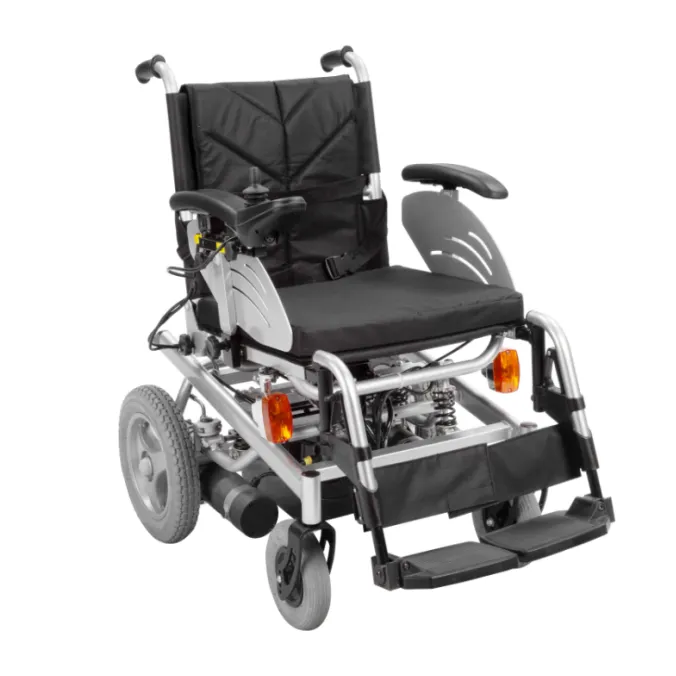
Who is Unsuitable for Using Electric Wheelchairs?
While power wheelchairs offer great convenience, there are certain limitations. The following groups are generally not advised to use electric wheelchairs:
1. Individuals with Cognitive or Judgment Impairments
Electric wheelchairs require directional control via joysticks, demanding a certain level of spatial awareness and judgment.
Patients with cognitive impairment, Alzheimer's disease, or mental confusion may misuse the wheelchair, posing a safety risk.
2. Individuals with visual impairment or poor spatial awareness
If vision is severely impaired, making it difficult to judge obstacles or ground conditions, using a power wheelchair may lead to collisions or falls.
3. Individuals unable to maintain balance while seated
Electric wheelchairs vibrate during movement; if the patient cannot maintain a stable posture, they are prone to tipping over or falling out.
4. Individuals unable to perform simple operations independently
For example, those unable to operate the joystick, assess battery status, or handle emergencies (such as obstacles) should not use an electric wheelchair independently.
5. Patients with medically restricted activity
Some post-operative or acutely ill patients require bed rest as advised by their doctor and are temporarily unsuitable for using electric wheelchairs.
What are the prerequisites for using a power wheelchair?
Before deciding to use a power wheelchair, multiple factors should be considered, including physical condition, the location of use, and safety.
1. Physical Condition Assessment
• Ability to maintain a stable sitting posture;
• Ability to perform simple upper limb manipulations;
• Presence of severe spasticity, convulsions, or other motor disorders;
• Cardiopulmonary function to withstand prolonged sitting.
2. Cognitive and Reaction Ability Assessment
Using a power wheelchair requires a certain level of judgment and attention.
If reaction is slow or danger signals (such as stairs or ramps) cannot be recognized, independent operation should be avoided.
3. Environmental Suitability
The living environment should have sufficient space for movement, a flat floor, and a wide, passable doorway. Narrow rooms or rooms with steps are not suitable for frequent use of electric wheelchairs.
4. Nursing Support and Supervision
During initial use, a caregiver or family member should accompany and guide the user to ensure safe operation.

How to assess suitability for power wheelchair use?
Medical institutions typically use a multi-dimensional assessment to determine a patient's suitability for a power wheelchair:
1. Physician Assessment
Advice is provided by a rehabilitation or orthopedic surgeon based on the diagnosis and muscle strength assessment results.
2. Rehabilitation Therapist Assessment
Assess sitting stability, hand coordination, reaction speed, and ability to operate the electric wheelchair.
3. Nursing Team Opinion
Understand the patient's daily living abilities and experience using electric devices.
4. Home and Environmental Assessment
Ensure the home space is suitable for power wheelchair access and has designated charging and safe parking areas.
Only when both medical assessments and environmental conditions meet the requirements can the patient be deemed suitable for long-term use of an electric wheelchair.
What safety conditions must be met when using a power wheelchair?
1. Battery and Charging Safety
Original batteries and chargers should be used to prevent voltage mismatch that could damage or overheat the battery.
2. Ground and Access Safety
The tires of the power wheelchair are suitable for flat surfaces; avoid driving on wet, slippery, sloping, or gravelly surfaces.
3. Maintain a Reasonable Speed
Although electric wheelchairs have adjustable speeds, prolonged high-speed movement is not recommended, especially indoors or in crowded areas.
4. Regular Maintenance
The motor, controller, and battery should be regularly inspected to ensure sensitive operation and stable power supply. 5. Wear a seatbelt
Some power wheelchairs are equipped with seatbelts or support systems, which should always be fastened during movement.
What are the typical scenarios where electric wheelchairs are suitable?
1. Home Environment
Suitable for homes with large indoor spaces and flat floors, enabling independent movement between areas such as bedrooms, living rooms, and dining rooms.
2. Medical or Rehabilitation Facilities
Electric wheelchairs facilitate patient movement between wards, treatment rooms, and public areas, improving rehabilitation efficiency.
3. Outdoor Mobility
Some high-performance power wheelchairs are equipped with shock absorption systems and non-slip tires, allowing use on community roads and park paths, but steep slopes or steps should still be avoided.
4. Transportation Connections
Electric wheelchairs can be used in conjunction with accessible elevators, wheelchair ramps, and vehicles specifically designed for people with disabilities, enabling travel across spaces.
Who is best suited to use an electric wheelchair?
Electric wheelchairs are suitable for individuals with limited lower limb mobility and insufficient upper limb strength, but with good cognitive and operational abilities.
They can safely control the device, understand environmental changes, and independently complete mobility tasks under supervision.
For patients with cognitive impairment, visual impairment, or postural instability, the use of assistive devices operated by others should be cautious or carefully selected.
Electric wheelchairs are not simply "mobility tools," but rather medical assistive devices.
Only when used appropriately under the guidance of a physician's assessment and care can their true value be realized—allowing people with mobility impairments to achieve greater independence, autonomy, and dignity.
Does Yikang provide support for importers and distributors?
Yes, we support importers and distributors with detailed product documentation, export licenses, and marketing assistance. Whether you're importing wheelchairs or hospital beds, we help streamline your purchasing process with accurate quotes, customs support, and after-sales service. Our team is fluent in international trade procedures and committed to helping global partners succeed.