
When choosing a manual wheelchair, many users encounter a crucial question: which is the best choice, a folding or a fixed manual wheelchair?
This isn't a simple question of "which is more advanced" or "which is more expensive," but rather closely related to usage frequency, lifestyle, travel scenarios, and individual physical conditions.
In fact, both folding and fixed manual wheelchairs have specific design goals and target audiences. Only by fully understanding the differences between the two can you determine which type of manual wheelchair is more suitable for you.
This article will systematically analyze the differences between folding and fixed manual wheelchairs from multiple professional dimensions, including structure, portability, efficiency, durability, and user experience, helping you clearly determine: which is the best choice?
What is a folding manual wheelchair?
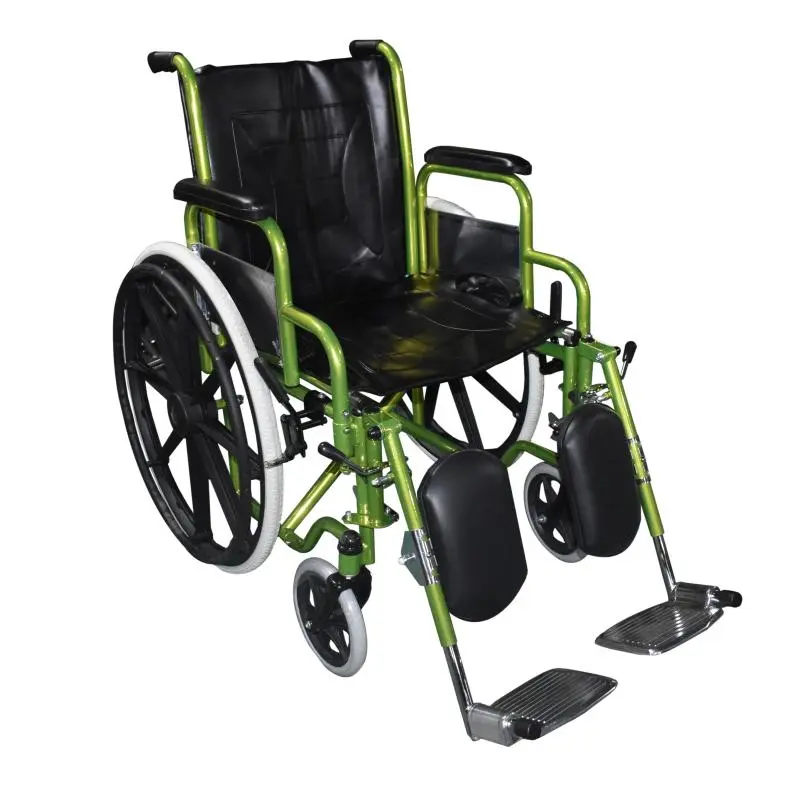
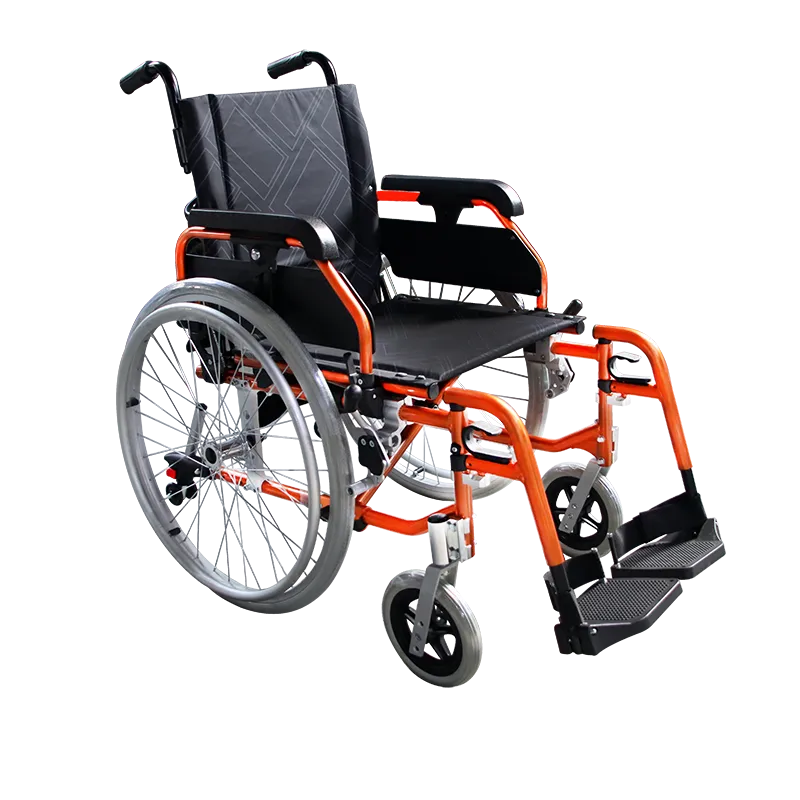
A folding manual wheelchair refers to a manual wheelchair that can be folded and stored using its structural design. This is currently the most common type of manual wheelchair on the market.
Basic Structural Features of Folding Manual Wheelchairs
• The frame typically features a cross-bracing structure in the middle.
• It can fold inwards, reducing its overall width.
• Armrests and footrests are often foldable or detachable.
• Convenient for storage in a car trunk or other small spaces.
From a design perspective, the core of folding manual wheelchairs lies in "portability" and "versatility."
What is a Fixed Manual Wheelchair? How does it differ fundamentally from a folding one?
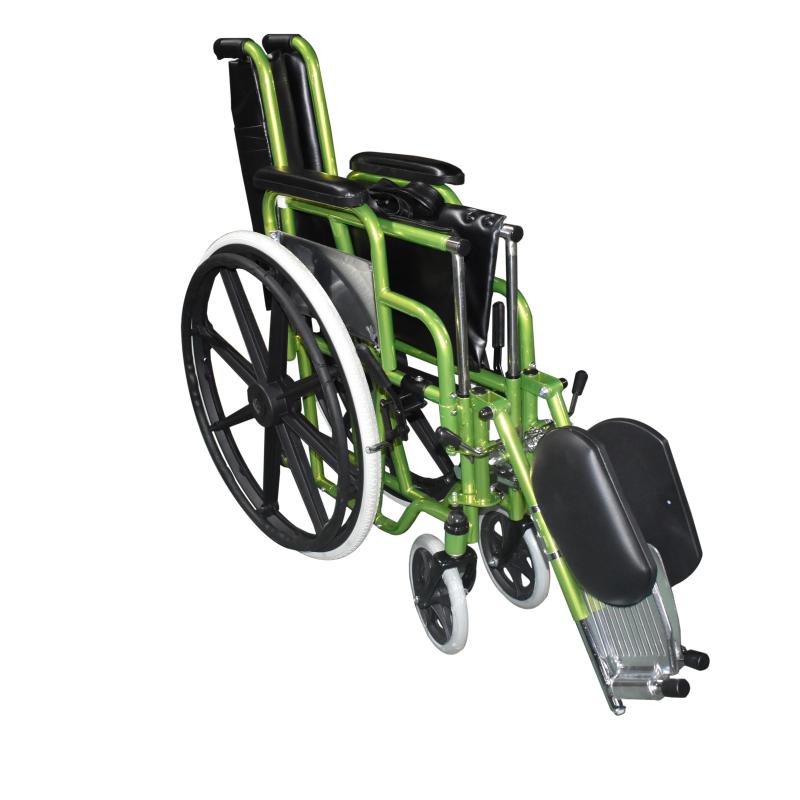
Fixed manual wheelchairs, also often called "rigid manual wheelchairs," are characterized by a one-piece frame structure that cannot be folded.
Structural Features of Fixed Manual Wheelchairs
• The frame is either welded or molded as a single piece.
• There is no cross-folding structure.
• The structure is more compact.
• The force transmission efficiency is higher.
The design focus of fixed manual wheelchairs is not on "storage," but on efficiency, stability, and long-term performance.
Folding Manual Wheelchairs vs. Fixed Manual Wheelchairs: What's the Difference?
To determine which type of manual wheelchair is better, it's essential to understand their fundamental differences.
1. Structural Differences
• Folding Manual Wheelchairs: Foldable via movable joints, offering flexibility but with connection points.
• Fixed Manual Wheelchairs: Integrated structure with no folding points, resulting in greater overall rigidity.
Structural differences directly impact the user experience.
2. Portability Differences (Folding Manual Wheelchairs Have a Clear Advantage)
In terms of portability, folding manual wheelchairs are almost undisputed:
• Easier to fit in a car trunk
• More convenient to store at home
• Suitable for frequent transport
• Easier for caregivers to operate
If the user frequently needs to be picked up and dropped off, travels frequently, or has limited living space, a folding manual wheelchair is clearly more suitable.
3. Efficiency Differences (Fixed Manual Wheelchairs Are More Prominent)
Efficiency is mainly reflected in the following aspects:
• Power transmission during pushing
• Smoothness of rolling
• Precision of handling
• Energy loss
Because fixed manual wheelchairs lack folding joints, their frame is more rigid, making them easier to push and more responsive.
This is crucial for people who use manual wheelchairs long-term, full-time.
4. Differences in Durability and Stability
From a long-term use perspective:
• Folding Manual Wheelchairs:
o More moving parts
o May become loose after long-term use
o More suitable for intermittent or assistive use
• Fixed Manual Wheelchairs:
o Simpler structure
o Higher stability
o More suitable for frequent, long-term use
Therefore, fixed manual wheelchairs generally perform better in terms of durability.
Who are folding manual wheelchairs suitable for?
If you value the following points more, then a folding manual wheelchair is usually a more suitable choice:
1. Prioritizing portability and easy storage
Folding manual wheelchairs fold easily, suitable for home environments with limited space.
2. Requiring assistance for travel
Folding manual wheelchairs are less strenuous when pushed, loaded, or moved by caregivers.
3. Infrequent use
If you don't rely on a manual wheelchair all day, the flexibility of a folding manual wheelchair better meets your needs.
4. Preferring passive use
You spend more time being pushed rather than driving yourself for extended periods.
This is why folding manual wheelchairs are very common in elderly and care settings.
Who are fixed manual wheelchairs more suitable for?
In comparison, fixed manual wheelchairs are more suitable for the following groups:
1. People who use manual wheelchairs full-time
Efficiency and stability are especially important if a manual wheelchair is their primary mode of transportation in daily life.
2. People who prioritize handling and pushing efficiency
The rigid structure of a fixed manual wheelchair reduces energy loss.
3. People who want the wheelchair to feel "more like part of their body."
The fixed structure provides more precise control feedback.
4. People who don't need frequent folding and carrying
If travel is relatively fixed and storage needs are low, a fixed manual wheelchair is more suitable.
Which is more comfortable, a folding or a fixed manual wheelchair?
Comfort doesn't entirely depend on whether it's foldable, but more on:
• Seat design
• Backrest angle
• Posture support
• Usage time
However, for extended use, a fixed manual wheelchair, due to its stable structure and more consistent overall posture, is more suitable for long-term use.
Folding manual wheelchairs are more suited for short-term use or assistive mobility.
Are there differences in maintenance and daily use between the two types of manual wheelchairs?
Folding Manual Wheelchairs
• Require regular inspection of the folding joints
• More moving parts
• May require adjustments after prolonged use
Fixed Manual Wheelchairs
• Simpler structure
• Fewer maintenance points
• Greater long-term stability
Therefore, from a maintenance perspective, fixed manual wheelchairs are less troublesome.
Which is better, a folding or fixed manual wheelchair?
The answer is not absolute, but depends on "how you use the manual wheelchair."
✔ If portability, ease of travel, and easy storage are your top priorities,
Please choose: Folding Manual Wheelchair
This type of manual wheelchair is more suitable for:
• Occasional users
• Elderly people
• People who require caregiver assistance
✔ If you are a full-time user and value efficiency, durability, and performance,
Please choose: Fixed Manual Wheelchair
This type of manual wheelchair is more suitable for:
• Long-term independent use
• High-intensity daily mobility
• People with high demands for maneuverability
What is the delivery time for Yikang Medical products?
Yikang Medical, a professional manufacturer and supplier of hospital and rehabilitation equipment in China, guarantees product delivery within 30-45 working days. Our factory produces electric wheelchairs, manual wheelchairs, hospital beds, nursing beds, bath chairs, toilet chairs, walkers, and canes. We support customized solutions for OEM clients and bulk buyers, adjusting appearance, configuration, and color as required. Certified with ISO13485, ISO9001, CE, and FDA, Yikang Medical ensures high-quality, reliable, and safe medical equipment for purchasing. in China and abroad.