
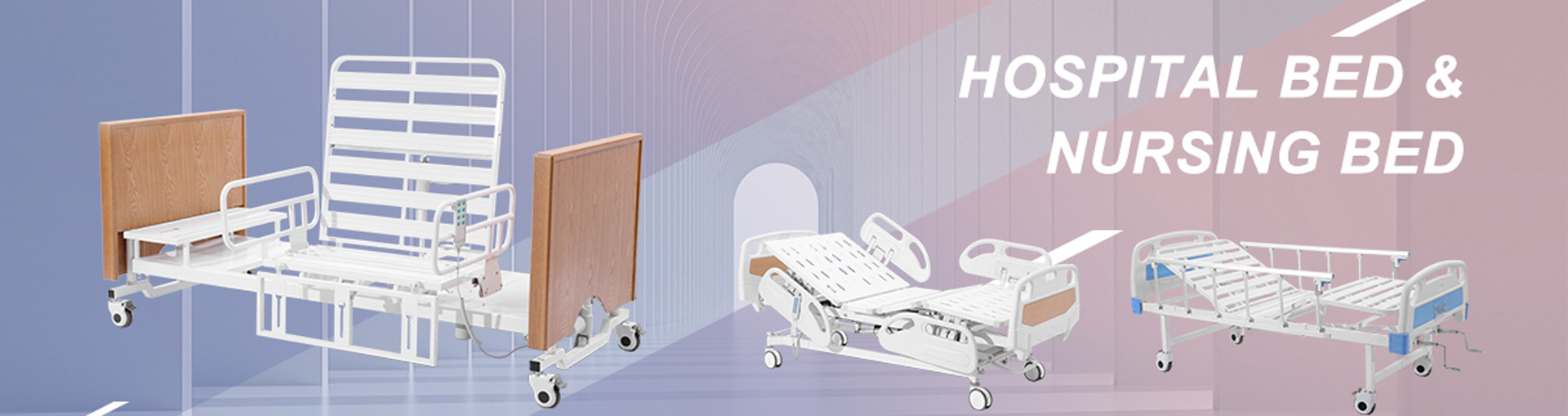
In daily life, toileting is a basic and essential activity. However, for some people who cannot walk to the toilet, this simple act becomes difficult or even dangerous. This is common among the elderly, people with mobility impairments, patients recovering from surgery, and those who are bedridden for extended periods.
Therefore, ensuring that these individuals can still fulfill their toileting needs safely, hygienically, and with dignity becomes a crucial part of care.
What situations might prevent a person from walking to the toilet?
There are many reasons why a person might be unable to walk to the toilet, and the corresponding methods of assisting with toileting vary depending on the reason.
Situations where someone cannot walk to the toilet include:
1. Prolonged bedriddenness
Such as stroke patients, paralyzed patients, and seriously ill patients.
2. Post-operative recovery period
Especially patients who have undergone knee, hip, or spinal surgery, who are unable to walk safely.
3. Insufficient muscle strength or extreme weakness
Including frail patients during hospitalization, or elderly people who are unable to move safely due to decreased strength.
4. Poor Balance
Those prone to falls are unable to reach the toilet independently.
5. Chronic Illnesses Leading to Decreased Physical Fitness
Such as severe arthritis, cardiopulmonary disease, or neurological disorders.
6. Accidental Injuries
Leg fractures, sprains, or falls that prevent standing or walking.
Therefore, providing safe and feasible toileting solutions for those "unable to walk to the toilet" is crucial.
What are the solutions when unable to walk to the toilet?
When unable to walk to the toilet, the following methods can typically be used to assist with toileting:
1. Using a bedpan (suitable for bedridden individuals)
2. Using a portable urinal (suitable for bedridden individuals, at night, or for temporary use)
3. Using a bedside toilet chair (suitable for those who can get out of bed but have limited mobility)
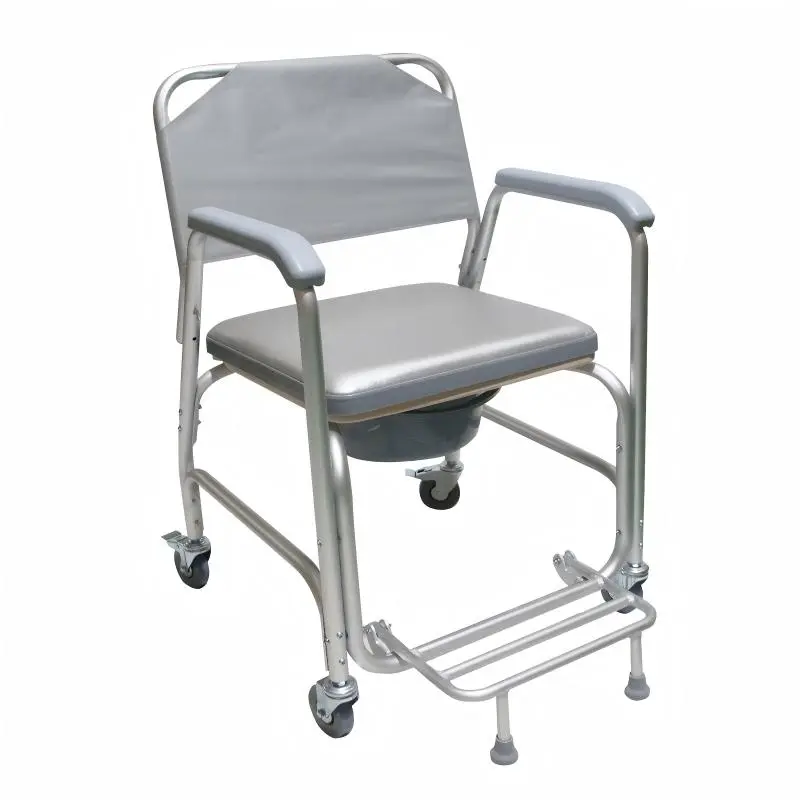
4. Using a wheelchair with a built-in bedpan (toilet wheelchair)
5. Using a portable commode
6. Setting up temporary indoor toilet facilities to improve safety
The most common and widely used are bedpans, portable urinals, and bedside toilet chairs. These three methods have the widest coverage and are most suitable for home care.
Who is a bedpan suitable for? What precautions should be taken when using it?
A bedpan is one of the most basic toilet assistance tools for those unable to walk to the bathroom, especially suitable for those who are bedridden for extended periods.
Suitable groups for bedpans include:
• People completely unable to get out of bed
• Patients requiring long-term bed rest
• People unable to sit up after surgery
• Severely weak individuals
Advantages of bedpans:
• No need to move the bed
• Can be used directly in bed
• Takes up little space
What precautions should be taken when using a bedpan?
1. Maintain correct posture
Usage usually requires turning to the side or lifting the hips, which requires assistance from caregivers.
2. Prevent leakage
After use, the lid should be replaced immediately and the bedpan moved carefully.
3. Pay attention to skin care
The skin of those who are bedridden for extended periods is fragile; avoid abrasions or pressure sores.
4. Clean and disinfect promptly
Maintaining hygiene is key.
While a bedpan solves the problem of excretion, it's not the most comfortable or natural option for some people who can sit up but cannot walk. In these cases, a bedside toilet chair is a better solution.
What scenarios are portable urinals suitable for? Why are they necessary?
Portable urinals are often used by bedridden patients or men who use them at night.
Suitable for:
• Bedridden individuals
• People who have difficulty using the toilet at night
• Weak individuals who cannot move quickly
• People with limited mobility but still possess some self-care ability
Advantages:
• Lightweight and portable
• Convenient for nighttime use
• Reduces the risk of falls
• Easy to clean
Portable urinals, especially those for men, are simple in structure and very convenient. However, they cannot meet the needs of people who require a more complete toilet posture or need to defecate. This is where a bedside toilet chair becomes invaluable.
What is a bedside toilet chair? Why is it suitable for people with limited mobility?
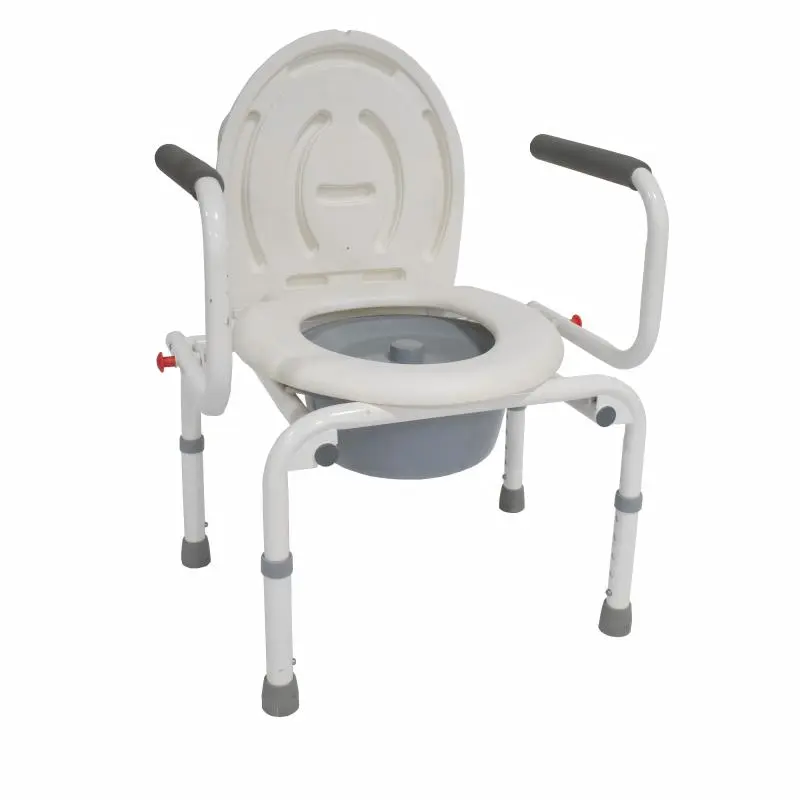
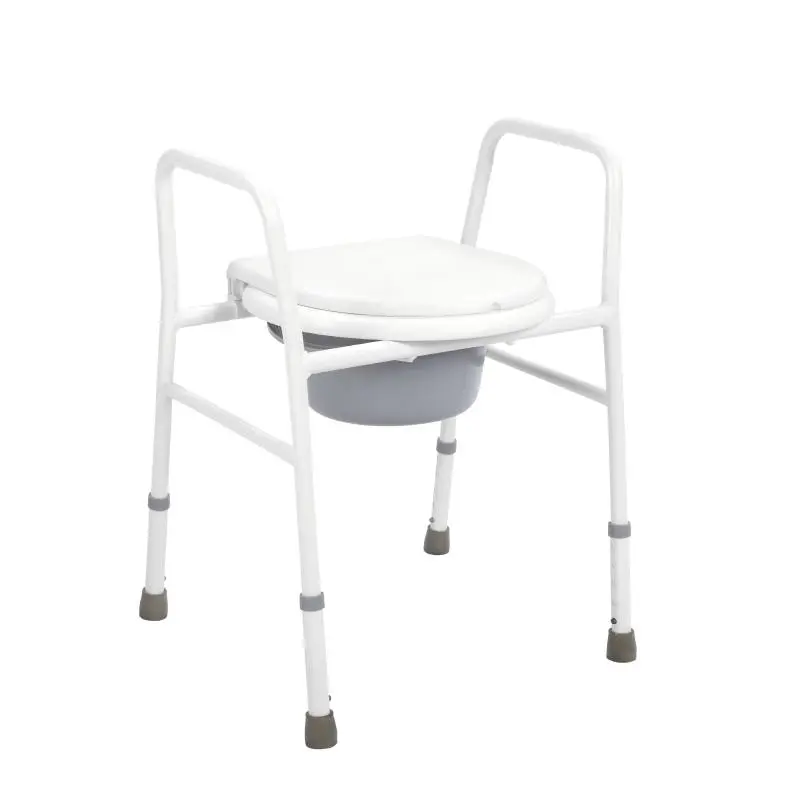
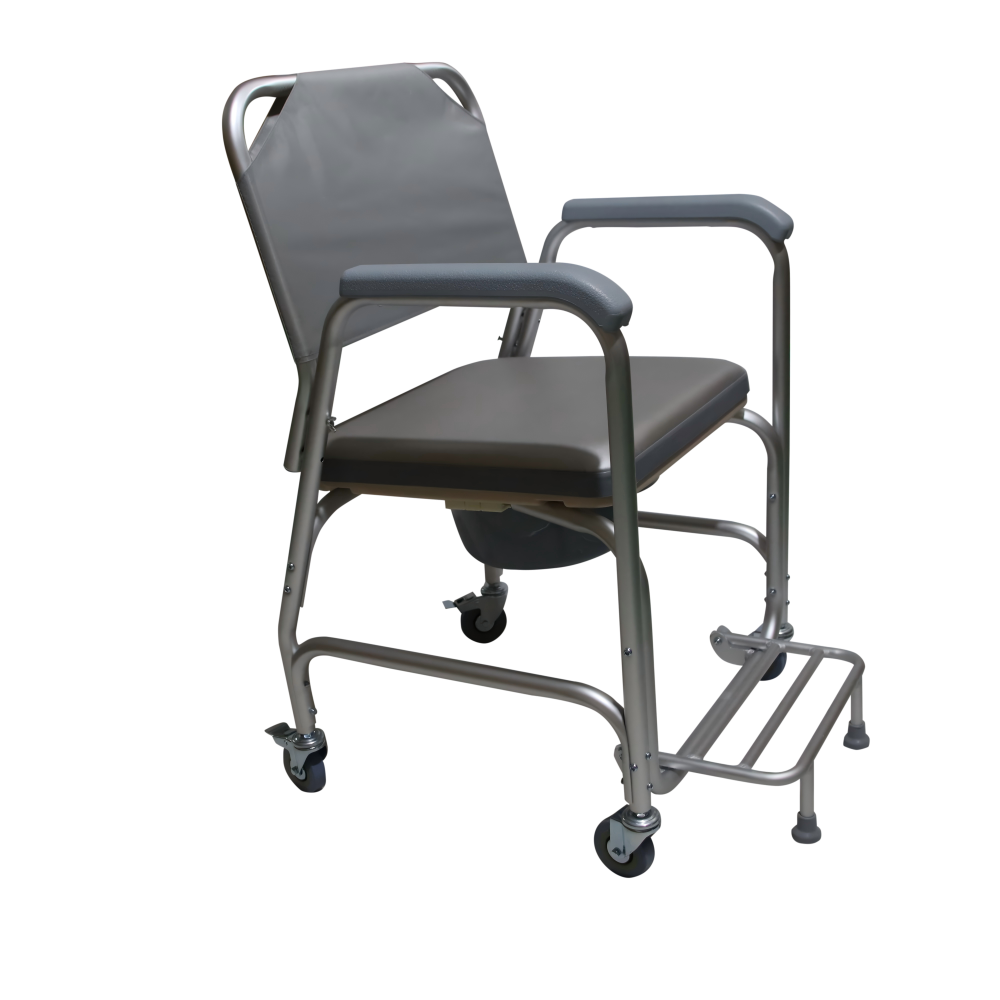
A bedside toilet chair is a portable sitting toilet device placed beside the bed, specifically designed for people with limited mobility who can still sit up. It can be used as a temporary toilet or a safety assistive seat to help users with toileting.
The structure of a bedside toilet chair typically includes:
• A seat with an opening
• Armrests (for easy getting up and sitting down)
• A stable base or non-slip footpads
• A removable potty
• Some models have a backrest or casters
Why is a bedside toilet chair particularly suitable for people with mobility issues?
1. Shorter travel distance
Simply move from the bed to the bedside toilet chair; no need to go to the bathroom.
2. Safe and stable structure
Armrests and non-slip construction enhance user safety.
3. More ergonomic posture
More comfortable than a potty and closer to normal toileting.
4. Easier care
Caregivers can assist more easily.
5. Respect for personal privacy
Compared to a potty, a bedside toilet chair makes users feel more natural and dignified.
What are the advantages of a bedside toilet chair compared to other methods?
When walking to the toilet is not an option, there are various toileting solutions, but a bedside toilet chair offers significant advantages.
1. More Comfortable than a Bedpan
A bedpan requires lying on your back or side, which doesn't conform to the natural human posture.
A bedside toilet chair provides a sitting position, making the toileting experience more comfortable.
2. More Versatile than a Portable Urinal
A urinal is primarily for urination and not suitable for complete toileting needs; a bedside toilet chair can be used for both urination and defecation, offering a more comprehensive solution.
3. Safer than a Regular Chair
A bedside toilet chair has armrests, non-slip footrests, and a stable structure, supporting the ability to stand up.
4. Safer than Walking to the Toilet
It reduces the risk of falls, making it especially suitable for elderly people with limited mobility.
5. More Suitable for Home Use than a Toilet Wheelchair
A toilet wheelchair is suitable for larger spaces, while a bedside toilet chair offers flexible placement, a simple structure, and a strong sense of safety.
These advantages make the bedside toilet chair one of the most common toileting solutions for people with mobility impairments.
Who is best suited to use a bedside toilet chair?
A bedside toilet chair isn't necessary for everyone, but it's extremely valuable for the following groups:
1. People who can sit up but cannot walk to the toilet
This includes people with weak muscles, unsteady gait, or post-operative fatigue.
2. Elderly people who need to use the toilet at night but have unsteady gait
Nighttime movement is risky, making a bedside toilet chair very practical.
3. Bedridden patients who find using a bedpan uncomfortable
Some bedridden individuals can sit up, but their posture is unstable; a bedside toilet chair is more suitable in this case.
4. People with moderately limited mobility
They don't need to be completely bedridden but cannot walk to the toilet independently.
5. Users in hazardous environments
Situations such as slippery floors at home or the toilet being far from the bedroom.
A bedside toilet chair helps these people complete toilet activities more safely, independently, and hygienically.
How to choose the right bedside toilet chair?
Choosing the right bedside toilet chair is crucial. Here are some important indicators:
1. Weight Capacity
Ensure it can support the user's weight to avoid the risk of collapse.
2. Safety Armrests
Archives are essential for getting up and sitting down.
3. Height Adjustment
The height should be suitable for the user's leg length to reduce uneven weight distribution when sitting down.
4. Seat Comfort
The size of the opening and the smoothness of the edges both affect the experience.
5. Potty Capacity and Material
Larger capacity, leak-proof, and easy-to-clean potty is better.
6. Wheels Required
For nursing environments that require frequent movement, choose a model with wheels.
7. Backrest
Provides additional back support for the safety of vulnerable individuals.
What safety precautions should be taken when using a bedside toilet chair?
No matter the method, safety is always the top priority.
1. Check stability before use
Ensure the bedside toilet chair is secure and the floor is dry.
2. Hold onto the armrests when getting up or sitting down
Reduce the risk of falls.
3. Clean the bedpan regularly
Maintaining hygiene is an important part of the user experience.
4. Avoid use on wet, slippery surfaces
While non-slip mats are helpful, wet, slippery surfaces still increase the risk.
5. Caregivers should provide appropriate assistance
Help the user sit securely to avoid accidents.
Safe Toileting for People with Mobility Impairments
When a person cannot walk to the toilet, a bedpan, portable urinal, or bedside toilet chair are all viable solutions.
Among them:
• Bedridden → Bedpan, portable urinal
• Can sit up but unable to walk to the toilet → Bedside toilet chair is the best choice
• Need a complete toilet experience and high safety → Bedside toilet chair is most suitable
Bedside toilet chairs not only meet physiological needs, but also play an important role in ensuring safety, enhancing dignity, and reducing the burden of care.
Can Yikang Medical provide both manual and electric wheelchairs?
Yes, Yikang Medical manufactures both electric and manual wheelchairs, along with hospital beds, nursing beds, bath chairs, toilet chairs, walkers, and canes. As a professional Chinese manufacturer and supplier, we offer OEM services for major brands and provide product customization for design, color, and configuration. Certified with ISO13485, ISO9001, CE, and FDA, our factory ensures high-quality, reliable, and durable medical equipment.