

In the field of modern assistive mobile devices, electric wheelchairs have become an essential tool for people with mobility impairments, the elderly, and rehabilitation patients. Whether at home, in nursing homes, or in hospitals, power wheelchairs significantly improve users' independence and quality of life.
However, when purchasing an electric wheelchair, one of the most pressing questions for many users is: "How long can an electric wheelchair be used? What is its design lifespan?"
Understanding the lifespan of an electric wheelchair not only helps in choosing the right model but also helps users develop a maintenance plan, thereby extending the effective lifespan of the device.
This article will systematically analyze the lifespan of power wheelchairs from aspects such as design standards, battery life, motor performance, component durability, and maintenance.
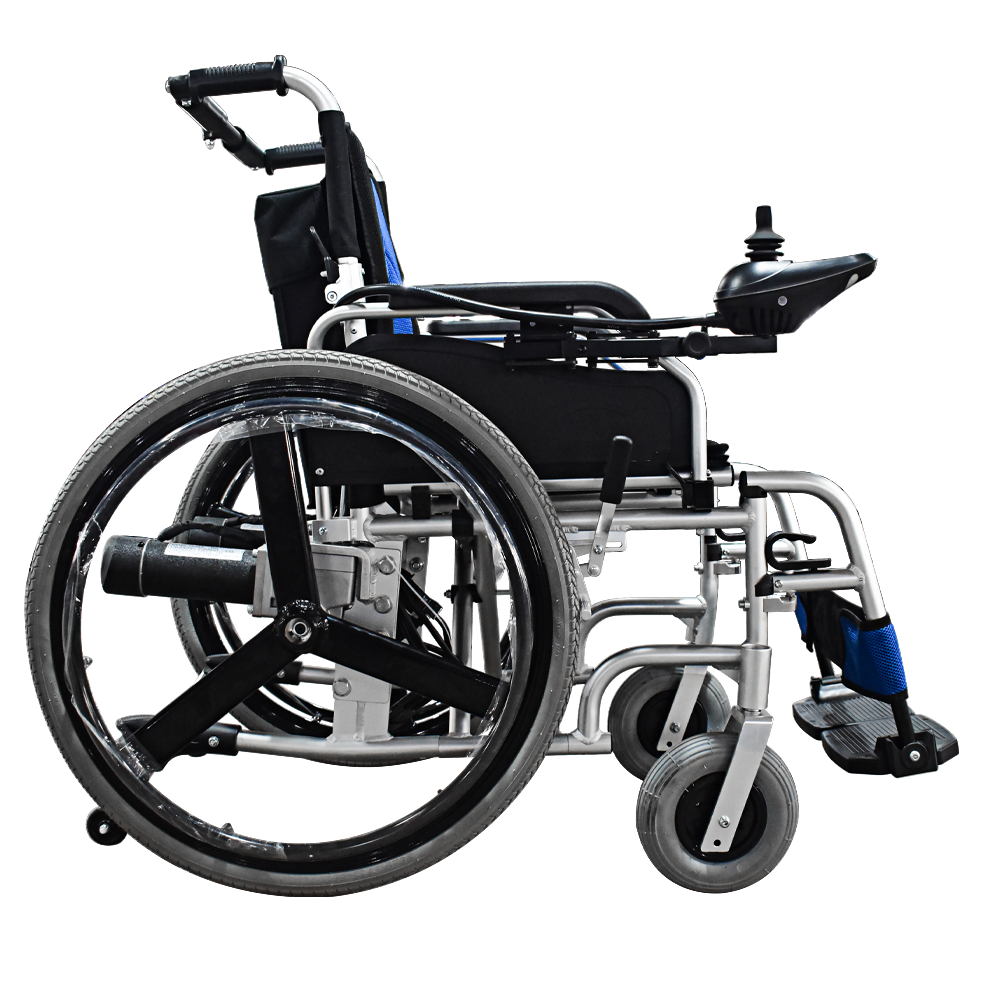
What is the design lifespan of a power wheelchair?
Design lifespan refers to the estimated time during which a product can operate safely and reliably under normal use and maintenance conditions. For power wheelchairs, design lifespan typically encompasses the following aspects:
• Frame and chassis structure lifespan: load-bearing capacity and fatigue resistance.
• Motor and drive system lifespan: the number of years it can operate continuously under specified load and operating conditions.
• Battery lifespan: Number of charge/discharge cycles and rate of capacity decay.
• Electronic control system lifespan: Includes controllers, joysticks, circuit boards, etc.
Generally, the designed lifespan of electric wheelchairs from reputable brands is around 5-10 years, but this depends on proper use and maintenance.

What factors affect the lifespan of an electric wheelchair?
1. Battery type and charge/discharge cycles
The battery is one of the most critical consumables in an electric wheelchair; its performance directly determines the device's range and lifespan.
• Lead-acid batteries: Typically have a lifespan of 300-500 charge/discharge cycles, approximately 1.5-3 years.
• Lithium batteries: Longer lifespan, typically reaching 500-1000 cycles, approximately 3-5 years; some high-end models can exceed 5 years.
It is important to note that battery lifespan is greatly affected by temperature, charging/discharging habits, and usage frequency. Prolonged deep discharge or overcharging can accelerate battery degradation.
2. Motor and Drive System
The motor, as the core power source of a power wheelchair, is typically designed for a lifespan of 5-10 years.
Factors affecting motor lifespan include:
• Excessive load: Exceeding the design load capacity accelerates motor wear;
• Frequent starts and stops or prolonged high-speed operation: Causes increased motor temperature, shortening its lifespan;
• Insufficient lubrication and maintenance: Leads to increased friction and accelerated wear.
3. Tires and Suspension System
Wear of tires and the shock absorption system directly affects riding comfort and safety:
• Ordinary tires need to be replaced approximately every 1-3 years, depending on driving frequency and road conditions;
• The suspension and shock absorption system generally has a lifespan comparable to the wheelchair body, but long-term neglect will reduce cushioning effectiveness.
4. Electronic Control System
The lifespan of electronic components such as controllers, joysticks, and circuit boards is typically 5-8 years.
• High temperatures, humidity, or voltage fluctuations may cause electronic components to fail;
• Proper protection and regular inspections can extend the lifespan of the electronic system.
5. Usage Environment
The usage environment of a power wheelchair significantly affects its lifespan:
• Indoor flat ground: Less wear and tear, relatively longer lifespan;
• Outdoor rough roads and slippery environments: Place greater load on tires, chassis, and motor, relatively shorter lifespan.
6. User Weight and Load
Prolonged use exceeding the design load-bearing capacity will lead to accelerated wear and tear on the chassis, shock absorbers, motor, and tires.
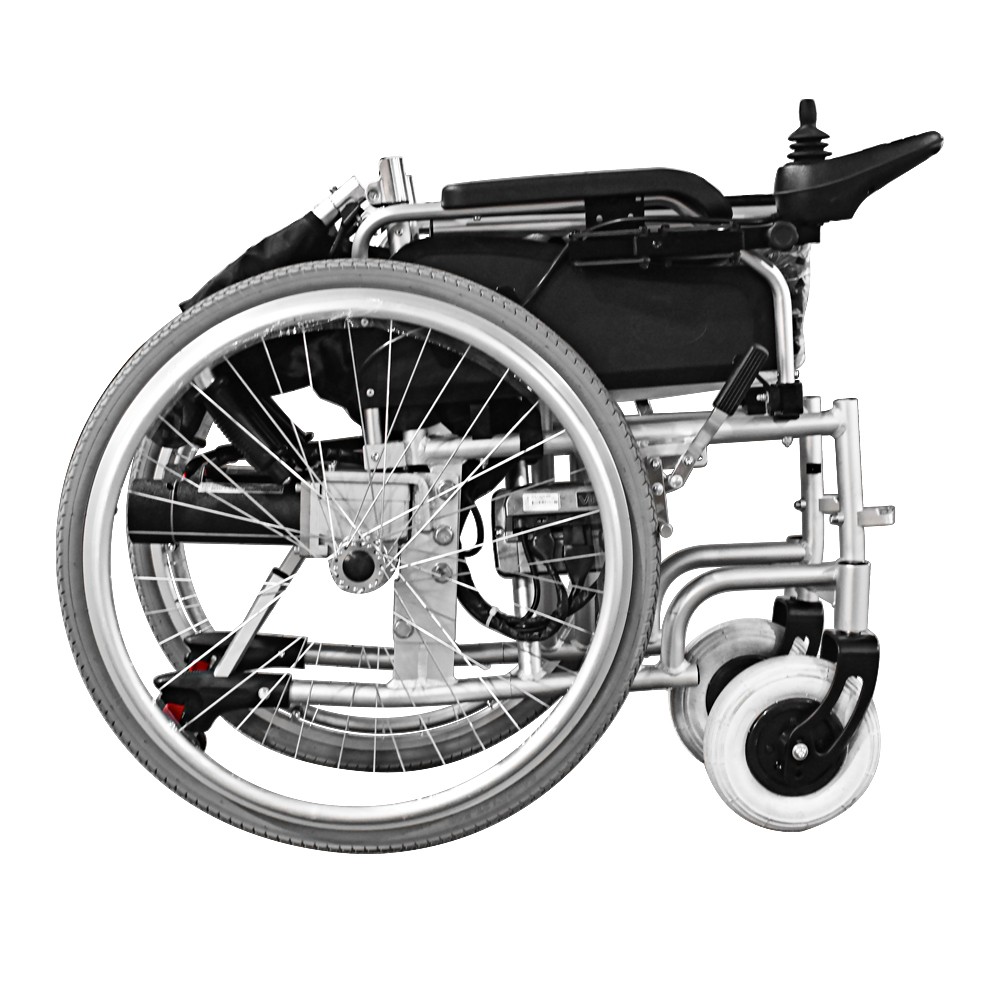
Standard Reference for Electric Wheelchair Design Lifespan
According to international and domestic wheelchair standards, such as the ISO 7176 series and GB/T 13810, the design lifespan of electric wheelchairs typically considers the following tests:
• Static and dynamic load tests: Ensure the frame and chassis do not deform under rated load for long-term use.
• Vibration fatigue test: Simulate vibration wear of the wheelchair under different ground conditions.
• Battery cycle test: Simulate 300~1000 charge-discharge cycles to evaluate capacity decay.
• Environmental durability test: Reliability of the motor and electronic components under high temperature, low temperature, and humid heat environments.
Based on these standards, reputable brand electric wheelchairs can typically maintain safe and reliable use for 5-10 years.
Main Vulnerable Components of Electric Wheelchairs
1. Battery
• Limited number of charge/discharge cycles; capacity decreases over time.
• Lifespan approximately 2-5 years (depending on type and usage habits).
2. Tires and Suspension System
• Rubber wear reduces grip.
• Aging of the shock absorbers reduces comfort and safety.
3. Controller and Circuit Board
• High temperatures, humidity, or voltage fluctuations may damage it.
• Regular dust cleaning and wiring checks are required.
4. Motor and Gear Transmission
• Prolonged overload or lack of lubrication shortens lifespan.
• Regular maintenance and lubrication can extend service life.
5. Seat and Armrests
• Fabric or leather wear and sponge compression affect comfort.
• The user experience can be extended by replacing the seat cushion or armrests.
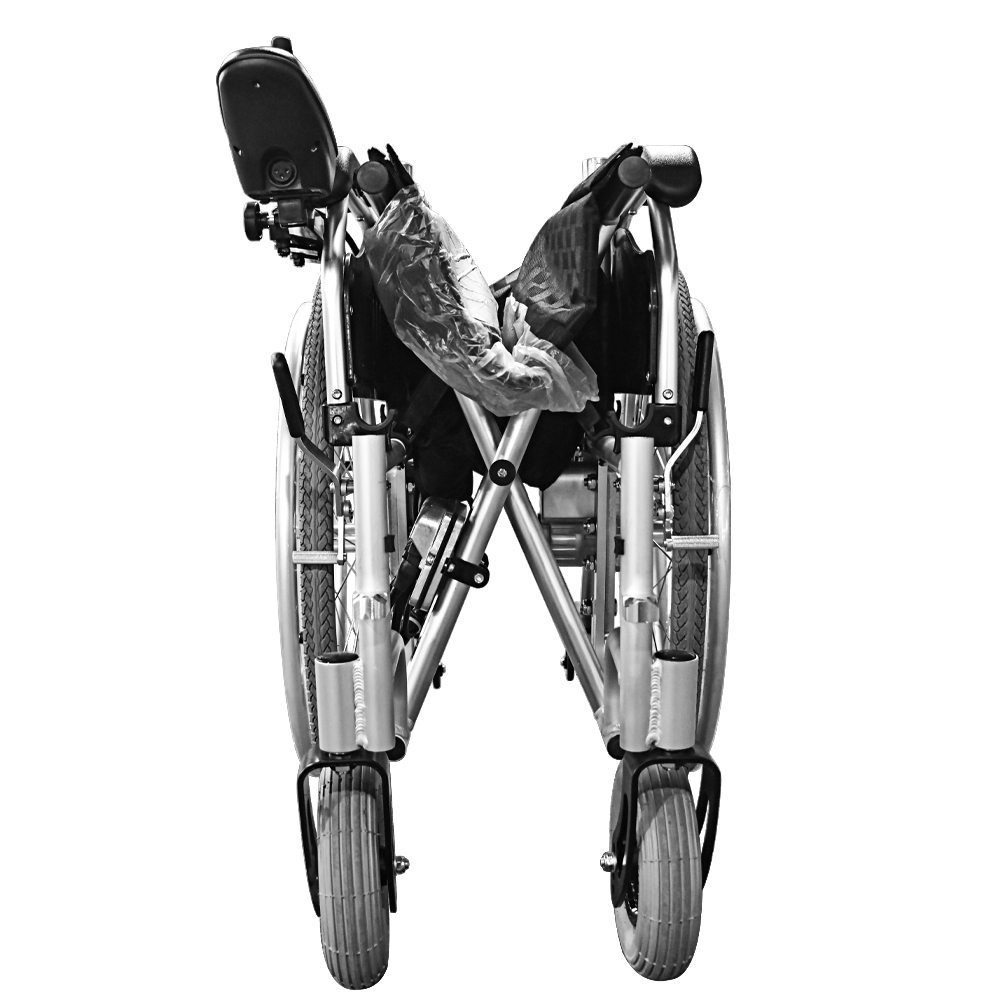
How to Extend the Lifespan of an Electric Wheelchair?
1. Battery Management
• Avoid deep discharge and overcharging;
• Charge regularly, at least once a month even if not used frequently;
• Avoid use and storage in extreme temperatures.
2. Regular Maintenance
• Check tire pressure and maintain appropriate pressure;
• Clean dust from the chassis and tires regularly;
• Check motor and gear lubrication.
3. Proper Use
• Avoid exceeding the rated load capacity;
• Avoid prolonged use in rough, muddy, or extremely slippery environments;
• Control speed and reduce sudden acceleration and braking.
4. Electronic System Maintenance
• Prevent liquid from seeping into the controller and circuit board;
• Check the joysticks and buttons for smooth operation;
• Regularly replace or repair damaged electronic components.
5. Seat and Comfort Maintenance
• Replace the seat cushion or cover regularly;
• Ensure armrests and footrests are secure to reduce friction and loosening.
By taking the above measures, the actual lifespan of the electric wheelchair can be extended to the upper limit of its design life or even longer.
Real-world Reference for the Lifespan of Electric Wheelchairs
Based on market research and professional experience:
Components | Average lifespan | Maintenance Tips |
| Battery (Lead-acid) | 1.5-3 years | Charge regularly, avoid deep discharge |
| Battery (Lithium-ion) | 3-5 years | Avoid high temperature and over-discharge |
| Motor & Drive | 5-10 years | Avoid overload and prolonged high-speed operation |
| Controller/Circuit Board | 5-8 years | Protect from water and dust, conduct regular inspections |
| Frame & Chassis | Over 10 years | Regularly inspect screws and welds |
| Tires & Shock Absorbers | 1-3 years | Maintain tire pressure and remove road debris |
| Seat & Armrests | 3-5 years | Replace or clean tires regularly |
In general, a well-maintained power wheelchair can remain safe and reliable for 5-10 years. The key lies in correct use and regular maintenance.
What if your power wheelchair has a short lifespan?
• Check the battery health;
• Check the motor and controller for any abnormalities;
• Replace or repair aging parts.
Can the lifespan of an electric wheelchair be extended by replacing the battery?
• Yes, replacing the battery with a lithium or lead-acid battery can significantly extend the wheelchair's range and lifespan.
Will not using an electric wheelchair daily affect its lifespan?
• It will affect battery life. It is recommended to charge it monthly to prevent capacity degradation.
Electric Wheelchair Design Lifespan
• The design lifespan of a power wheelchair is generally 5-10 years;
• Lifespan is mainly affected by the battery, motor, electronic system, tires, and usage environment;
• The actual lifespan can be extended through proper use, regular maintenance, and reasonable upkeep;
• The battery is the component most susceptible to lifespan impact; lithium batteries are more durable than lead-acid batteries;
For the elderly or those with mobility impairments, choosing reputable brands and using the wheelchair according to the instructions can ensure its safety and reliability within its design lifespan.
In short, understanding the design lifespan and prioritizing maintenance are key to extending the effective lifespan of an electric wheelchair.
Are Yikang’s Products Suitable for Homecare?
Yes, many of our products are ideal for homecare environments. We manufacture compact and easy-to-use nursing beds, foldable wheelchairs, commode chairs, and walkers suitable for elderly care at home. Our homecare products are lightweight, safe, and affordable—perfect for families looking for cost-effective rehabilitation and mobility solutions.