
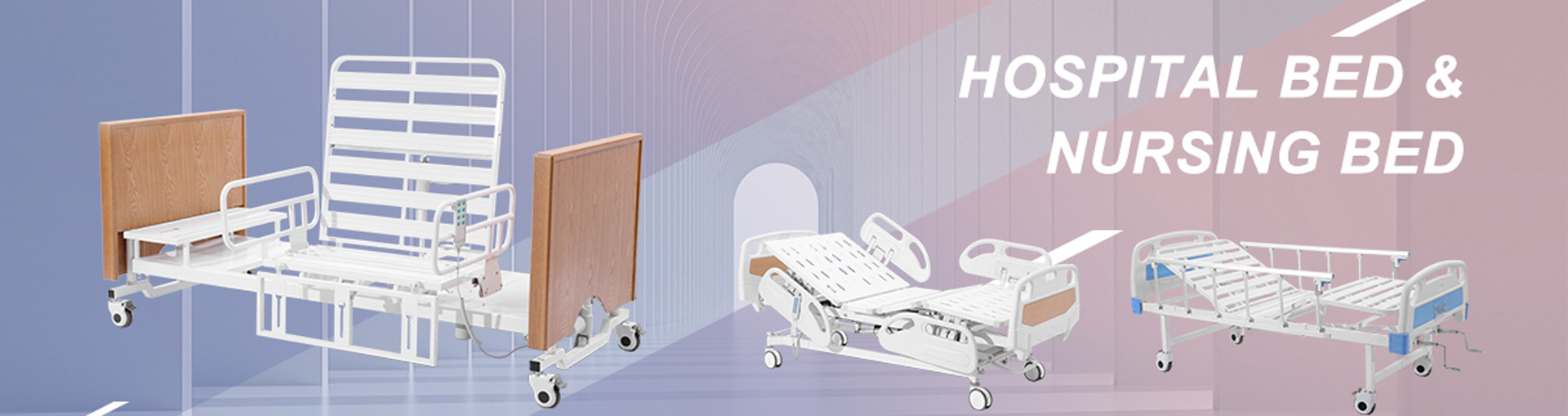
In the intensive care unit of a hospital, the ICU bed is one of the core pieces of equipment. Many people, when reading equipment catalogs, hospital procurement documents, or medical materials, will find that it has other names, such as Intensive Care Unit Bed or Critical Care Unit Bed.
Why do these names coexist? Are there differences between them? Why do different hospitals or manufacturers use different terms?
This blog post will provide a comprehensive analysis from a professional perspective of the alternative names, functional design logic, usage scenarios, and reasons for the differences in terminology for ICU beds, and help readers understand the standardized significance of these names in the medical industry.
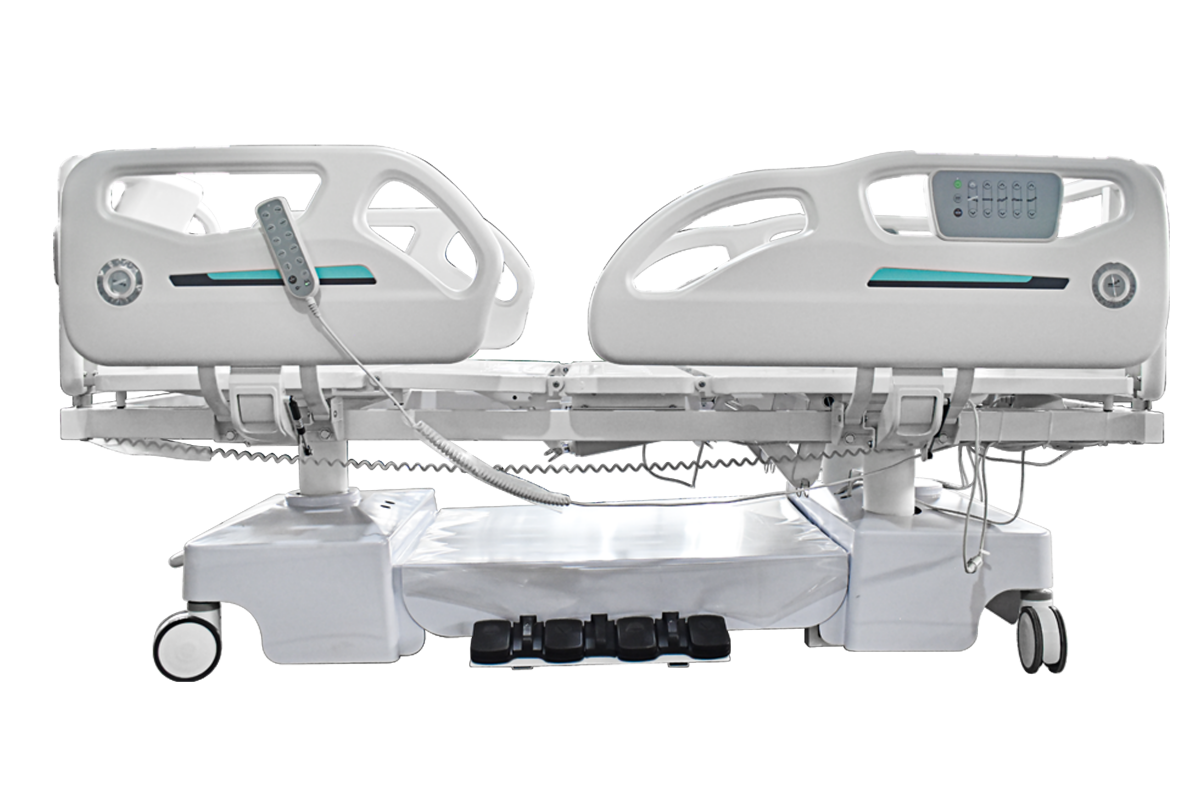
Why is another name for an ICU bed "Intensive Care Unit Bed"?
From a medical professional perspective, ICU bed = Intensive Care Unit Bed. This is the most common, standardized, and clinically consistent synonym.
1. Because ICU stands for Intensive Care Unit
ICU is an abbreviation for Intensive Care Unit.
Therefore, beds specifically used in ICU wards are naturally called:
• ICU bed
• Intensive Care Unit bed
Both essentially refer to the same type of bed, but with different emphases:
Name | Emphasis
ICU bed | Emphasizes department (ICU-specific)
Intensive Care Unit bed | Emphasizes purpose (for intensive care)
Both are standard names in the internationally accepted naming system for hospital equipment.
2. "Monitoring bed" is commonly found in medical device production catalogs
Medical devices often use the term "monitoring" in registration and production classification catalogs, making "intensive care unit bed" a more industrialized and standardized term.
3. Hospital procurement documents often use more standardized Chinese expressions
Hospitals tend to use standardized Chinese terminology in bidding, procurement, and asset declaration, thus "intensive care unit bed" appears more frequently.
Therefore, whether from the perspective of department, design purpose, or equipment classification logic,
ICU bed = Intensive Care Unit bed is completely equivalent.
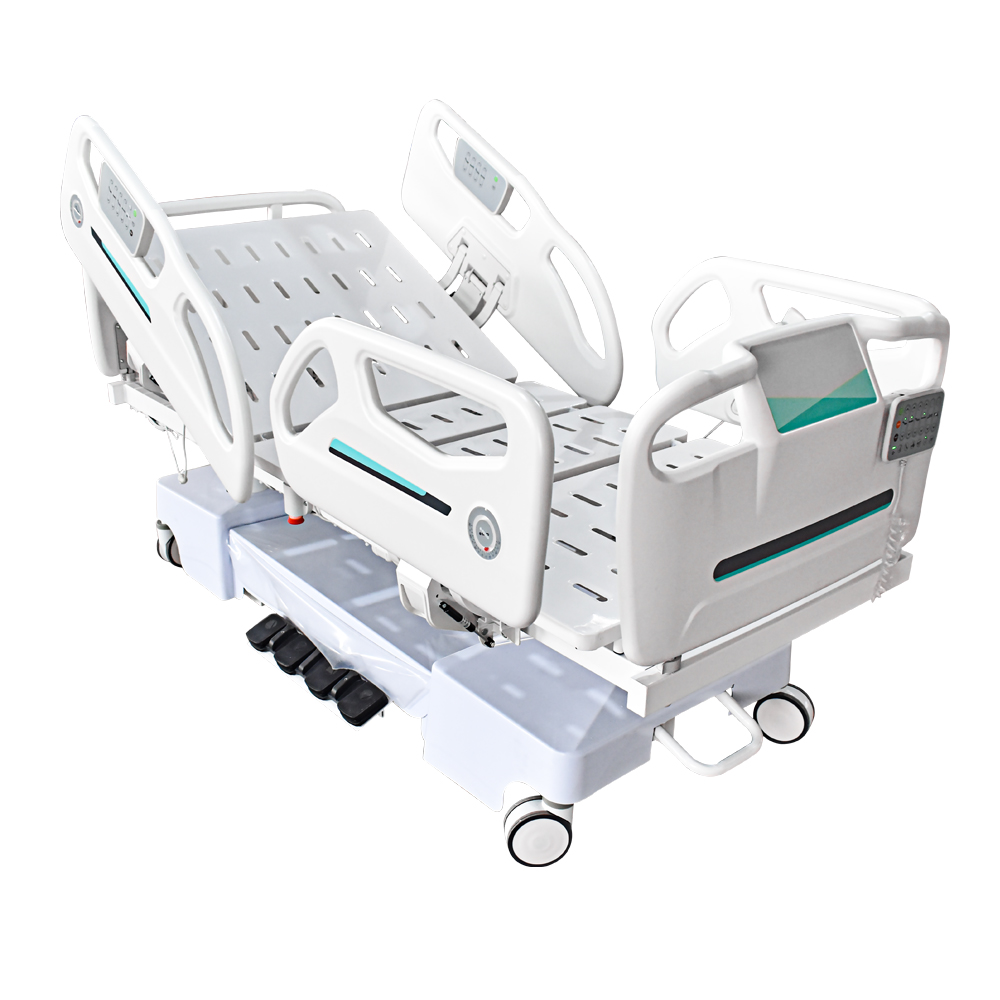
Why can an ICU bed also be called a "critical care unit bed"?
Another common term is "critical care unit bed."
Although seemingly similar to "intensive care unit bed," it emphasizes slightly different points:
• "Severe" = critical condition requiring intensive monitoring
• "Critical" = condition more serious than severe, with a higher dependence on equipment
However, in actual medical classification, these two terms do not have a strict legal distinction. Manufacturers, hospitals, and medical literature may choose different expressions based on usage habits, but they all refer to the same type of equipment:
✔ Used for critically ill patients
✔ Used for continuous monitoring
✔ Beds with rapid response and immediate care needs
Therefore, from a functional and structural perspective:
ICU bed = Intensive Care Unit bed = Critical care unit bed
These are three different naming methods, but do not represent three different types of beds.
Why Do ICU Beds Need Different Names?
To improve the search experience, this section will explain in detail why a single piece of equipment might have multiple names.
Does the term "ICU bed" arise from different usage scenarios?
Although the core function of ICU beds is unified, different industry contexts lead to different descriptions:
1. Clinical context: "ICU bed":
Doctors and nurses are more accustomed to using the department name to refer to the equipment.
2. Equipment specification context: "Intensive Care Unit bed":
Manufacturers use functional terms in instruction manuals and registration certificates.
3. Medical articles: "Critical Care Unit bed":
To emphasize the severity of the condition, "critical" is sometimes used.
Different contexts → Different names
But the core equipment remains the same category.
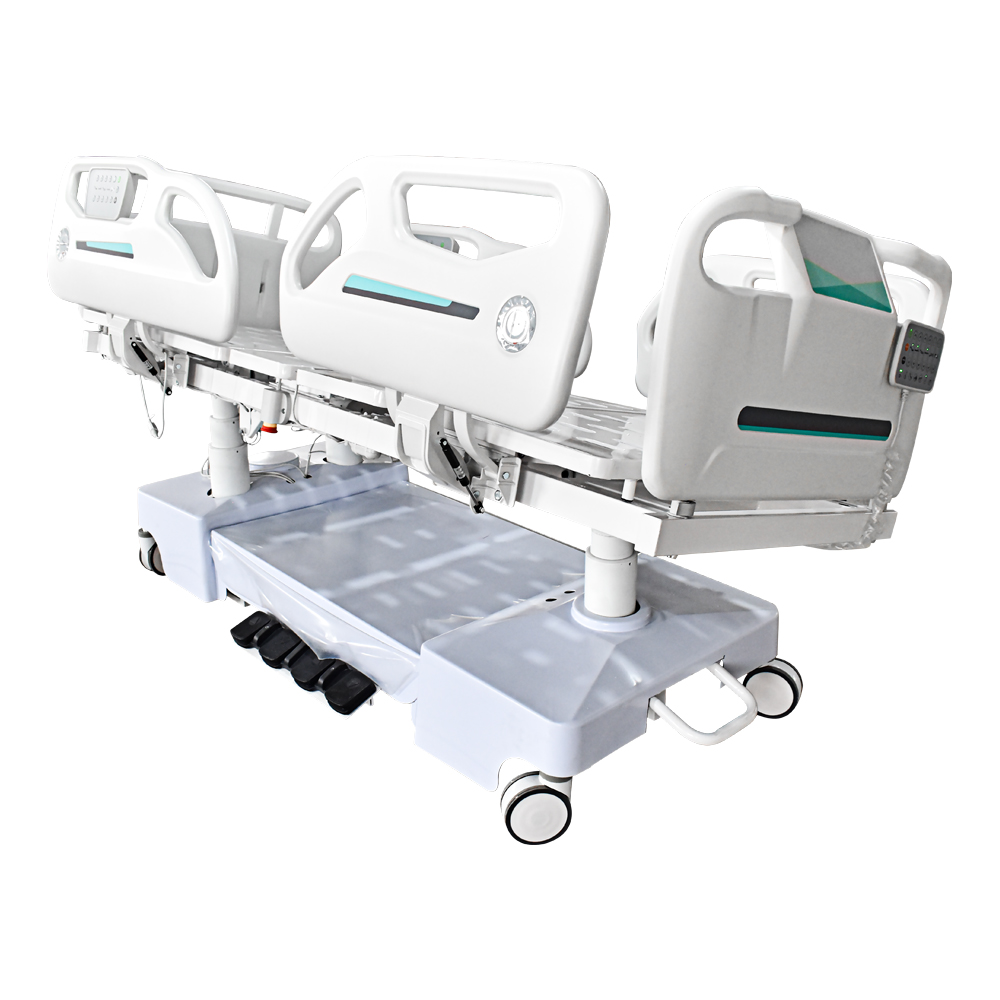
Are these names for ICU beds interchangeable?
From a professional equipment perspective, these names are perfectly interchangeable. The reasons are as follows:
1. All three refer to specialized beds in an ICU environment.
2. All names emphasize the attributes of monitoring and critical care.
3. There is no difference in equipment structure, and the functional logic is consistent.
Therefore, different names may be seen in hospital documents, industry catalogs, and product promotions.
Does the structural characteristics of ICU beds affect the naming?
The formation of the name is also related to the professionalism and functionality of the equipment. This section will explain in detail why the structural design of ICU beds leads to names such as "monitoring beds."
Why do ICU beds have a more complex structure than ordinary hospital beds?
ICU beds need a separate name because they have the following structural features:
1. Multi-segment bed structure
ICU beds typically consist of:
• Backrest segment
• Thigh segment
• Lower leg segment
• Foot segment
This allows for multi-angle adjustment to support the positioning management needs of critically ill patients.
2. Electric Lifting System
Almost all ICU beds are fully electrically operated:
• Height adjustment
• Backrest angle adjustment
• Quick switching of nursing positions
• One-button CPR position restoration
This makes them completely different from ordinary ward beds.
3. Monitoring Equipment Structure
Because ICUs require multiple monitoring devices, the beds must have:
• Infusion pole interface
• Monitor bracket interface
• Oxygen cylinder fixing device
• Cable management space for monitoring equipment on both sides of the bed
These features make the term "monitoring bed" more appropriate.
What are the functional differences between ICU beds and ordinary hospital beds?
To help readers understand why ICU beds have multiple names, it's essential to clearly understand their functional differences compared to ordinary hospital beds.
Do ICU beds offer higher levels of nursing and monitoring capabilities?
The answer is yes.
1. More Comprehensive Positioning Management Functions
ICU Bed Support:
• Semi-recumbent position
• Reverse Trendel-Lombard position
• Trendel-Lombard position
• Resuscitation position
• Side-turning assistance function
These nursing positions are closely related to intensive care.
2. Safety Systems including Fall Prevention and Alarms
Including:
• Side rail fall alarm
• Bed too low alarm
• Battery power alarm
• Nurse call system
Therefore, "monitoring" is one of the essential functional characteristics of ICU beds.
3. Greater Equipment Capacity
ICU patients typically require the following equipment simultaneously:
• Ventilator
• ECG monitor
• Infusion pump, syringe pump
• Various life support equipment
This necessitates that ICU beds possess greater load-bearing capacity and frame stability.
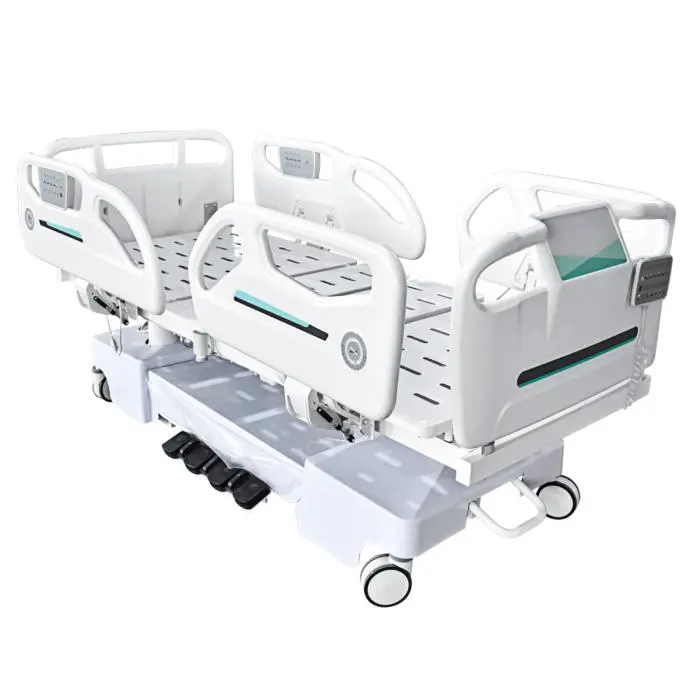
Do different names for ICU beds indicate different configuration levels?
A common misconception is:
Are "ICU beds" and "intensive care beds" of different levels?
The answer is: No.
Different naming ≠ different configurations
Whether called an ICU bed, intensive care bed, or critical care bed, its configuration level mainly depends on:
• The model specified by the manufacturer
• The hospital's procurement budget
• The department's clinical needs
For example:
• Some ICU beds have weighing systems, some do not
• Some ICU beds support 360° rotation and tilting, some can only tilt slightly to the left and right
• Some ICU beds have automatic position management programs, some are basic versions
But these differences are unrelated to the name.
Why does the industry need a unified term for ICU beds?
Although ICU beds have multiple names, a unified term is beneficial for:
1. Consistent communication between hospital departments
Medical staff must quickly understand the required equipment in emergencies; too many names can easily lead to information confusion.
2. Accuracy of Procurement Documents
Standardized terminology reduces misunderstandings, especially crucial in equipment bidding and acceptance.
3. Consistency in Medical Device Registration
The state has strict regulations on medical device naming; standardized names help standardize management.
Therefore, the industry increasingly tends to consider the three names as completely equivalent medical device designations.
Are there other names for ICU beds in the medical industry?
Besides "ICU bed," "intensive care unit bed," and "critical care unit bed," some institutions occasionally use extended names:
1. Intensive Care Bed
2. Dedicated Intensive Care Bed
3. Enhanced Monitoring Bed (rare)
4. Critical Care Emergency Bed (more inclined towards emergency care)
These are all extended names based on functional descriptions, but they are not as standardized as the three names mentioned above.
What certifications does Yikang Medical hold?
Foshan Yikang Medical Technology Co., Ltd holds ISO13485, ISO9001, CE, and FDA certifications, ensuring that all our hospital and rehabilitation products meet international quality and safety standards. As a professional manufacturer and supplier from China, we provide electric and manual wheelchairs, hospital beds, nursing beds, bath chairs, toilet chairs, walkers, and canes. Our factory supports customized production for OEM clients and bulk buyers, allowing adjustment of designs, colors, and configurations.