
Among assistive devices, the walking stick is the most basic and widely used product. Whether in medical rehabilitation or daily mobility assistance, the walking stick plays an indispensable role. Many people see walking sticks frequently, but don't truly understand their definition, functional principles, structural characteristics, and their professional role in the assistive walking system.
From a professional perspective, a walking stick is a long-term assistive walking tool. By providing additional support points to the body, it transfers some of the weight-bearing from the legs to the upper body, thereby helping users maintain balance, improve stability, and enhance mobility. Because of this core function, walking canes are widely used by people whose walking ability has declined but who still possess some degree of independent walking ability.
This article will systematically analyze the topic of "What is a walking stick?" from multiple perspectives, including definition, functional principles, structural components, force logic, intended use, and the walking stick's position in the assistive walking tool system, helping you build a professional understanding of this product.
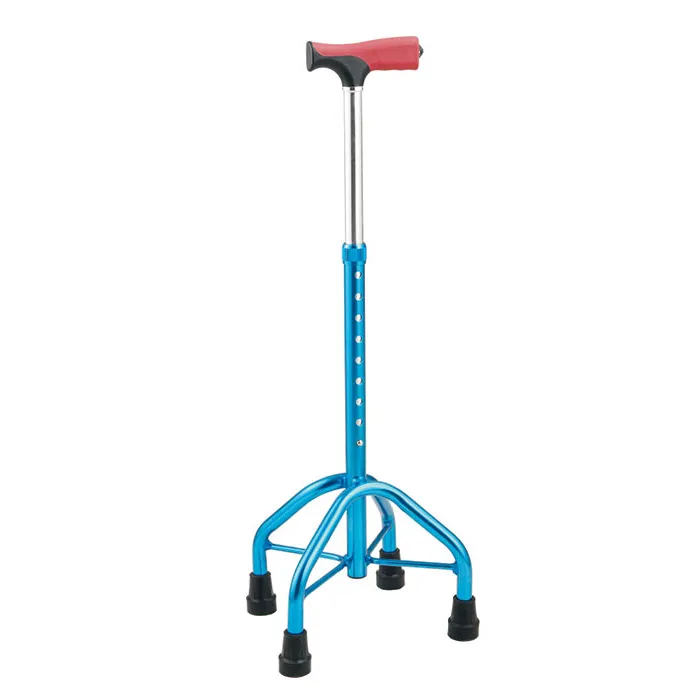
What is a walking stick?
A walking stick is an assistive walking device that uses the user's arms and upper limbs to provide support during walking, thereby distributing some of the load on the lower limbs and enhancing body stability. The walking stick typically forms a stable contact point with the ground, creating a multi-point support structure together with the feet.
Functionally, a walking stick is a weight-bearing assistive walking tool. Its core function is not to completely replace walking, but rather to supplement and enhance existing walking abilities.
The essential characteristics of a walking stick include:
• Providing additional support points for the body
• Distributing the weight-bearing pressure on the lower limbs
• Improving balance during walking
• Enhancing stability during walking
Because of these characteristics, the walking stick is considered an important tool between fully independent walking and high-level walking aids.
What is the main function of a walking stick?
Many people think that a walking stick is just "used to support the body," but from a professional perspective, its function goes far beyond that.
How does a walking stick help distribute body weight?
During normal walking, the body's weight is mainly borne by the legs. When using a walking stick:
• Part of the body's weight is transferred to the walking stick through the arms.
• The walking stick then transfers the weight to the ground.
• The pressure on the lower limbs is correspondingly reduced.
This weight transfer mechanism is the core principle behind the walking stick's effectiveness. With a walking stick, the burden on the legs is effectively distributed, and the upper body participates in the weight-bearing process, thereby improving overall stability.
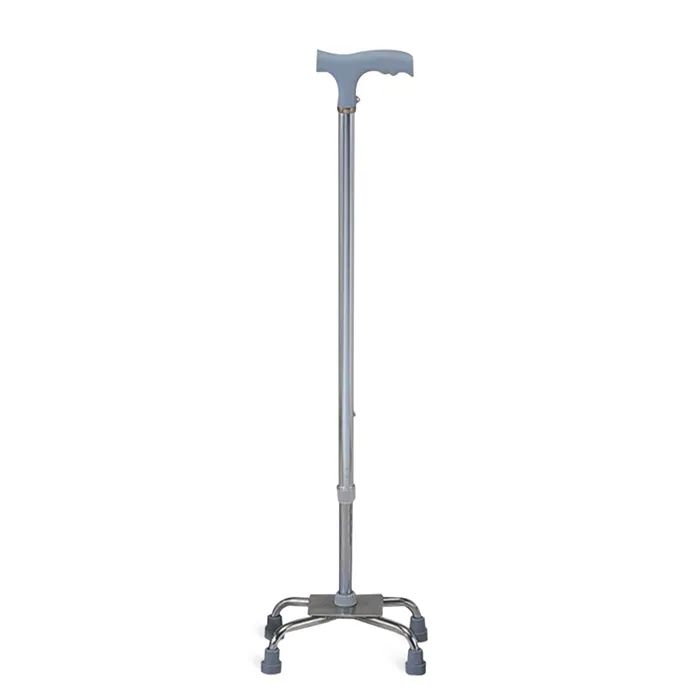
What role does a walking stick play in maintaining balance?
When balance is impaired, the body's center of gravity is easily shifted during walking. The presence of a walking stick can:
• Increase the contact area between the body and the ground.
• Increase lateral stability.
• Reduce the risk of shifting the center of gravity.
Therefore, a walking stick is not only a weight-bearing tool but also a balance aid.
How does a walking stick improve mobility?
Many people overlook the role of a walking stick in improving mobility.
Walking sticks are not tools that restrict movement.
From a professional perspective, the design goal of walking canes is not to restrict the user's movement, but rather to:
• Provide safety support
• Reduce physical exertion during walking
• Enhance walking confidence
When walking is more stable and the physical burden is lighter, users can often:
• Walk for longer periods
• Walk farther
• Reduce pauses
Therefore, in practical use, walking canes can often indirectly improve overall mobility.
Where does the walking stick stand in the assistive device system?
In the classification of professional assistive devices, the walking stick does not exist in isolation.
The relationship between walking sticks and other assistive devices.
Common assistive devices can be broadly categorized by support capacity as:
• Walking sticks
• Walking frames
• Walking bikes
• Wheelchairs
Among these, walking canes offer a relatively lower level of support but the highest flexibility. They are suitable for individuals who still possess basic walking ability but require additional support.
From the perspective of assistive systems, walking canes are often considered basic assistive devices, holding an irreplaceable position within the assistive device system.
What are the basic structural components of a walking stick?
Although a walking stick appears simple in structure, each component has a specific function.
Core Structural Elements of a Walking Stick
A standard walking stick typically includes:
• Handle
• Stick body
• Height adjustment mechanism (for some walking canes)
• Anti-slip feet
These components work together to ensure the walking stick provides stable and safe support during use.
Why does the structure of a walking stick affect the user experience?
From a professional perspective, the structural design of a walking stick directly affects:
• Force transmission efficiency
• Stability during use
• Comfort during extended use
Therefore, a walking stick is not simply a "stick," but a functionally designed walking aid.
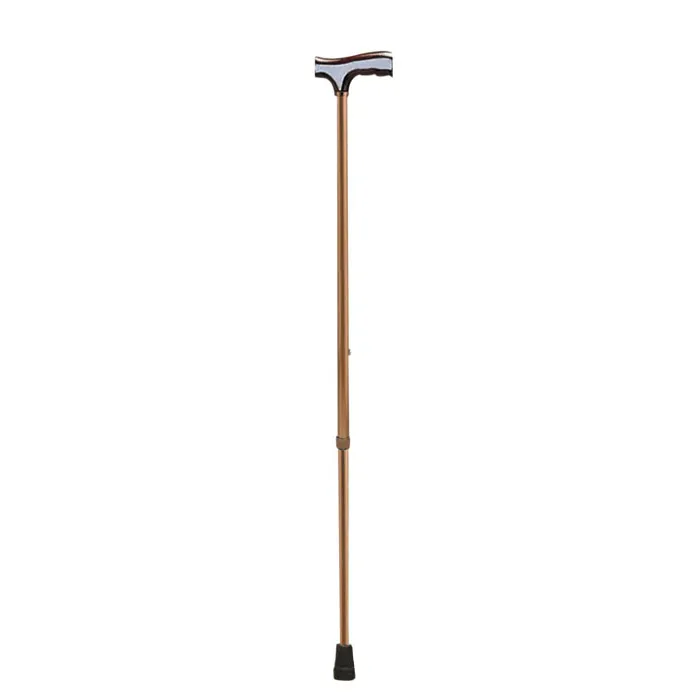
Why is a walking stick suitable for long-term use?
Among many walking aids, the walking stick is often considered one of the products suitable for long-term use.
What are the reasons why a walking stick is suitable for long-term use?
The main reasons include:
• Usage is close to natural walking
• High adaptability to living environments
• No complicated operation required
• Easy to carry and store
More importantly, while providing support, the walking stick does not completely deprive the lower limbs of their ability to participate in walking, which is one of the key reasons why it is suitable for long-term use.
How is the force distributed when using a walking stick?
Understanding the force logic of a walking stick helps in a more professional understanding of it.
Force Mechanism During Walking Stick Use
When walking with a walking stick:
• The arms bear part of the weight
• The walking stick transfers the force to the ground
• The proportion of weight-bearing on the lower limbs decreases
• The body's center of gravity becomes more stable
This force distribution makes the walking stick a highly efficient biomechanical assistive tool.
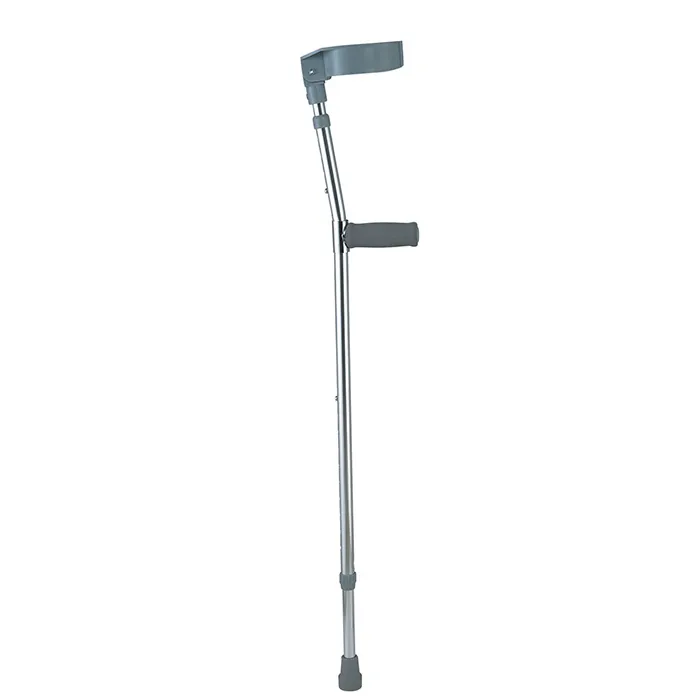
What is the difference between a walking stick, a walking frame, and a walking bike?
This is a question that many people easily confuse.
What are the core characteristics of a walking stick?
Compared to other walking aids, walking canes are characterized by:
• Fewer support points
• High flexibility
• Fewer environmental restrictions
• A walking style closer to a natural gait
Therefore, walking canes are not "functionally deficient," but rather have a clear purpose and defined function.
Why buy hospital beds from Yikang Medical?
Yikang Medical, located in Foshan, Guangdong, China, is a leading manufacturer and supplier of high-quality hospital beds and nursing equipment. Founded in 2010, we initially focused on hardware and mechanical parts before expanding to hospital beds and wheelchairs in 2014. We serve as an OEM factory for major brands, offering customized hospital beds that meet diverse specifications, colors, and configurations.
Our beds are widely purchased worldwide by hospitals and healthcare facilities for their durability, comfort, and reliability. Certified with ISO13485, ISO9001, CE, and FDA, Yikang Medical ensures timely delivery within 30-45 working days.