

Among the various categories of manual wheelchairs, the "Type 1 wheelchair" is frequently mentioned. For users requiring a mobility aid for short-term use or basic daily transport, the Type 1 wheelchair is the most common, fundamental, and widely used option. However, many users lack a clear understanding of what a Type 1 wheelchair is, its specifications, and how it differs from other models.
This article addresses the core question—"What is a Type 1 wheelchair?"—by providing a professional, clear, and logical analysis of its concept, structure, details, and target users. It also offers a comprehensive comparison with other types of manual wheelchairs, enabling readers to quickly grasp the practical significance and utility of this model.
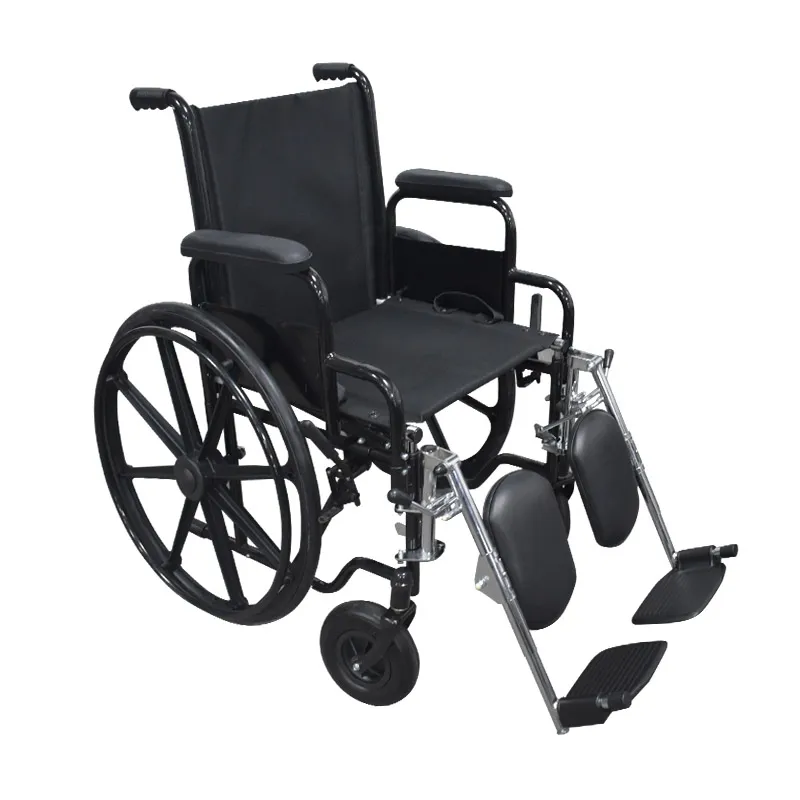
What Is a Type 1 Wheelchair? Why Is It Called a Standard Manual Wheelchair?
The "Type 1 wheelchair" is the entry-level model among manual wheelchairs, also known as the "standard manual wheelchair." Typically constructed with a steel frame and featuring fixed components, it offers stable functionality and robust durability; consequently, it is widely used in hospitals, rehabilitation centers, long-term care facilities, and home environments.
Its core characteristics include:
•Sturdy Structure: Made from steel tubing, offering high resistance to impact and deformation.
•Basic Functionality: Includes only essential manual wheelchair features, such as handrims, footrests, and braking systems.
•Relatively Heavy: Due to its material, it is often heavier than lightweight aluminum or carbon fiber wheelchairs.
•Simple Maintenance: Features an uncomplicated design, making repairs and upkeep relatively easy.
•Broad Applicability: Suitable for short-term use, individuals with temporary mobility issues, hospital transfers, early-stage rehabilitation patients, and more.
The Type 1 wheelchair is neither a high-end custom model nor a sports model; rather, it represents the most fundamental, widespread, and common category of manual wheelchairs, often regarded as the "default standard."
What Are the Core Structural Components of a Type 1 Wheelchair?
Although the Type 1 wheelchair’s functionality may appear simple, its design incorporates several fundamental elements to ensure safety and comfort. To facilitate understanding, we can categorize the main structural components of a Type 1 manual wheelchair as follows.
1. Frame: The main structural framework of the manual wheelchair
Type 1 wheelchairs feature a steel frame, offering advantages such as:
•High strength
•Resistance to deformation
•Lower cost
•High load-bearing capacity
While the steel frame adds weight, it also enhances stability and durability, making it ideal for environments requiring frequent use.
2. Seat and Backrest System: Provides basic seating support
Type 1 wheelchairs are typically equipped with:
•Nylon or PVC seat upholstery
•A backrest that offers some flexibility yet maintains a fixed structure
•Design suitable for short-term use or short-to-medium distance travel
As they do not feature high-end pressure-relieving cushions, they are best suited for brief daily use or occasional mobility needs.
3. Armrests: Fixed or semi-fixed design
The armrests on standard Type 1 manual wheelchairs feature:
•Fixed height (non-adjustable)
•Mostly full-length designs for added support
•Some models feature a semi-flip-up mechanism, though they are not fully detachable
Compared to premium manual wheelchairs, Type 1 armrests prioritize basic safety over functional versatility.
4. Footrests: Basic support without multi-angle adjustability
Type 1 wheelchair footrests are typically:
•Fixed or simple flip-up types
•Lacking leg-elevation capabilities
•Designed primarily to maintain a basic seated posture
Their functionality is sufficient for users with short-term needs or moderate usage frequency.
5. Braking System: Primarily manual brakes
Like most manual wheelchairs, Type 1 models utilize:
•Manual mechanical brakes
•A simple, durable, and easy-to-maintain design
They offer reliable safety but lack advanced features such as shock absorption assistance or specialized ramp-parking aids.
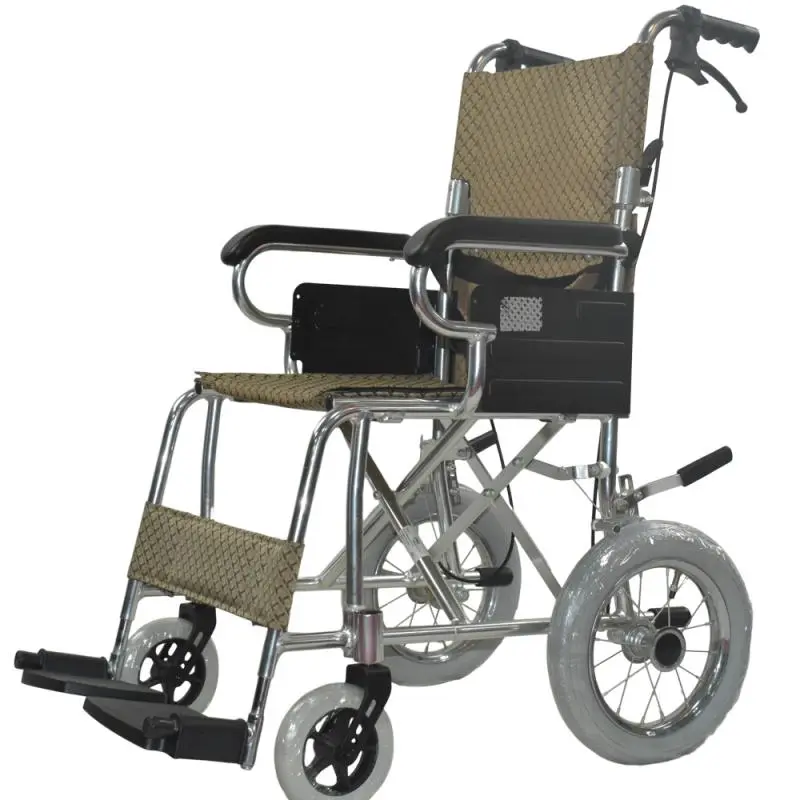
Why are Type 1 wheelchairs heavier than other manual wheelchairs?
Many users notice immediately upon first use that Type 1 wheelchairs feel significantly heavier than lightweight manual models. Why is this the case?
The primary reasons include:
1.Material determines weight
Type 1 manual wheelchairs are predominantly made of steel, whereas high-end lightweight wheelchairs typically utilize aluminum alloy or carbon fiber.
2.Design Prioritizes Durability Over Lightweight Construction
As a standard model, the Type 1 wheelchair emphasizes stability and durability rather than portability.
3.Simplified Yet Robust Structure
While its features are straightforward, the wheelchair is constructed with thicker tubing, making it well-suited for frequent use and transport across various settings.
Consequently, if portability—or the need to frequently fold and carry the chair—is a priority for the user, the Type 1 may not be the best choice; however, if stability, wear resistance, and cost-effectiveness are the main concerns, the Type 1 remains an excellent option.
Who is the Type 1 wheelchair for? In what scenarios is it used?
Although the Type 1 is considered a basic model, it serves a wide range of users.
Suitable users include:
•Individuals with temporary mobility issues
Such as those recovering from surgery who require short-term assistance.
•Elderly individuals for short-distance mobility
Particularly within the home or local community.
•Patients requiring transport within hospitals
This is also its most common use case.
•Users on a limited budget seeking basic mobility solutions
Suitable environments include:
•Medical institutions
•Rehabilitation centers
•Home environments
•Community care centers
•Public spaces (for short-distance travel)
With its simple functionality and stable, safe design, the Type 1 manual wheelchair is ideal for settings requiring basic mobility support.
How does the Type 1 wheelchair differ from other manual models like Type 2 and Type 3?
To clarify the positioning of the Type 1 wheelchair, we can compare it with other types (focusing on structural differences between existing models rather than future trends). Key points of comparison are as follows:
Item | Type 1 Wheelchair (Standard Manual) | Other Manual Wheelchairs (e.g., Lightweight, Caregiver-assisted)
Material | Primarily steel | Lightweight materials (aluminum alloy, carbon fiber, etc.)
Weight | Heavier | Relatively light
Functionality | Basic stability | High functional versatility
Armrests/Footrests | Mostly fixed | Multifunctional designs (adjustable height, detachable, etc.)
Foldability/Portability | Average | Superior portability
Comfort | Basic configuration | Enhanced ergonomics
Target Users | Short-term or basic needs | Long-term users, outdoor users, those requiring specific functions
Thus, Type 1 wheelchairs are characterized by being "basic, safe, and economical."
What safety precautions should be taken when using a Type 1 wheelchair?
Although Type 1 manual wheelchairs have a basic structure, safe usage requires strict adherence to operational guidelines:
1.Ensure the brakes are fully locked before the user sits down.
2.Seek assistance from a caregiver when navigating slopes.
3.Do not use the wheelchair to transport cargo.
4.Keep tires and brakes in good condition.
5.Adhere to the weight limits specified in the manual.
These basic safety practices not only protect the user but also extend the wheelchair's lifespan.
Does a Type 1 wheelchair require professional adjustment?
Generally, due to their simple structure, Type 1 manual wheelchairs do not require the complex adjustments needed for professional or high-end manual wheelchairs. However, the following should still be checked:
•Is the armrest height suitable for the user?
•Are the footrests positioned correctly?
•Does the seat width match the user's body size?
•Are the brakes responsive?
Appropriate basic adjustments help improve comfort and safety during use.
What is the production capacity and delivery time of Yikang Medical?
As a well-established manufacturer in China, Yikang Medical operates a modern production facility with strong capacity to support bulk orders and wholesale supply. Thanks to our experience in both machinery and medical equipment manufacturing, we maintain efficient production processes and stable supply chains. Our standard delivery time is 30–45 working days, depending on order quantity and customization requirements. Whether you are purchasing standard products or customized solutions, we ensure timely delivery without compromising quality.