
Among numerous assistive living products, the term "commode chair" is appearing more and more frequently in people's lives. With an aging population, increasing care needs, and changing family care concepts, commode chairs are gradually becoming a high-demand product for bedridden patients, those with limited mobility, and those recovering from surgery.
However, many people, while having heard of toilet commode chairs, do not understand their true purpose, target population, and functional value.
This article will analyze this from a professional perspective, allowing readers to fully understand the role of toilet commode chairs and why they play such an important role in the field of care.
What exactly is a commode chair used for?
Commode chairs primarily provide assistive devices for people with limited mobility who cannot independently go to the toilet, facilitating defecation and urination. They help users complete toileting actions without moving to the toilet, thereby improving their self-care ability and reducing the burden on caregivers.
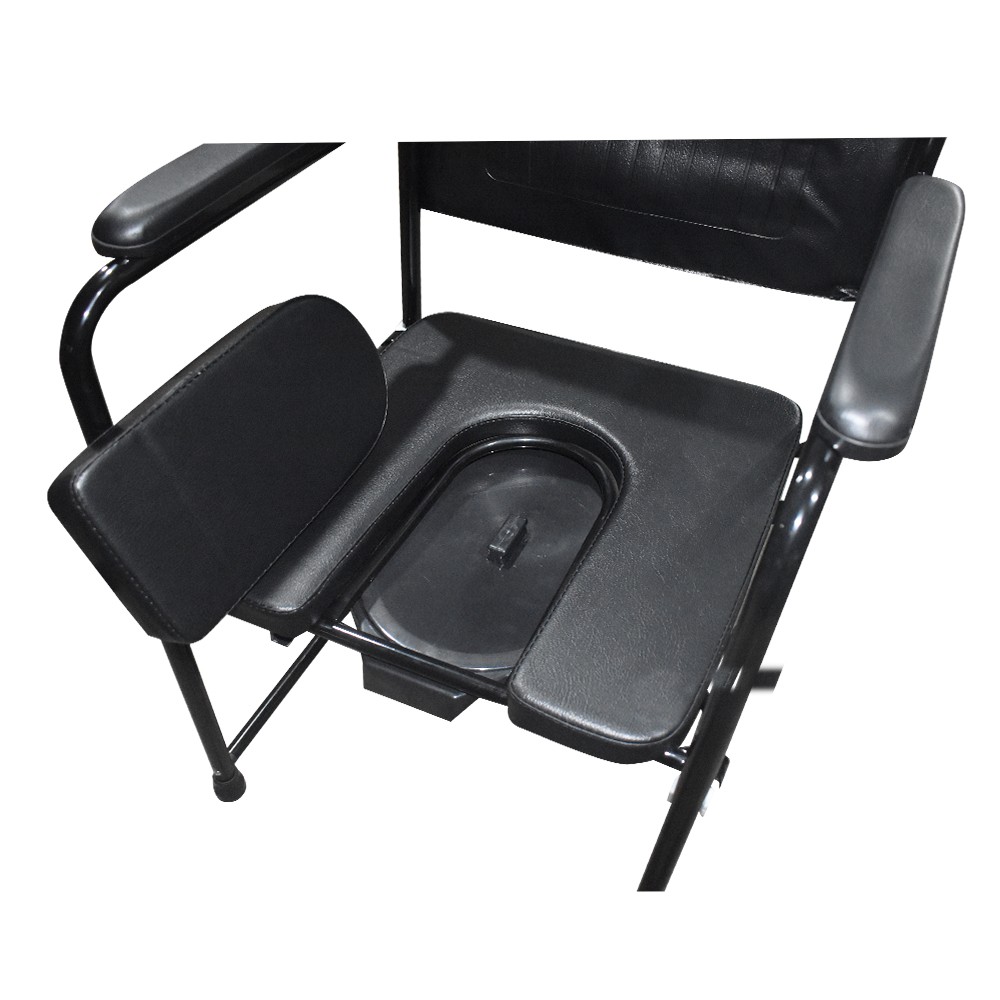
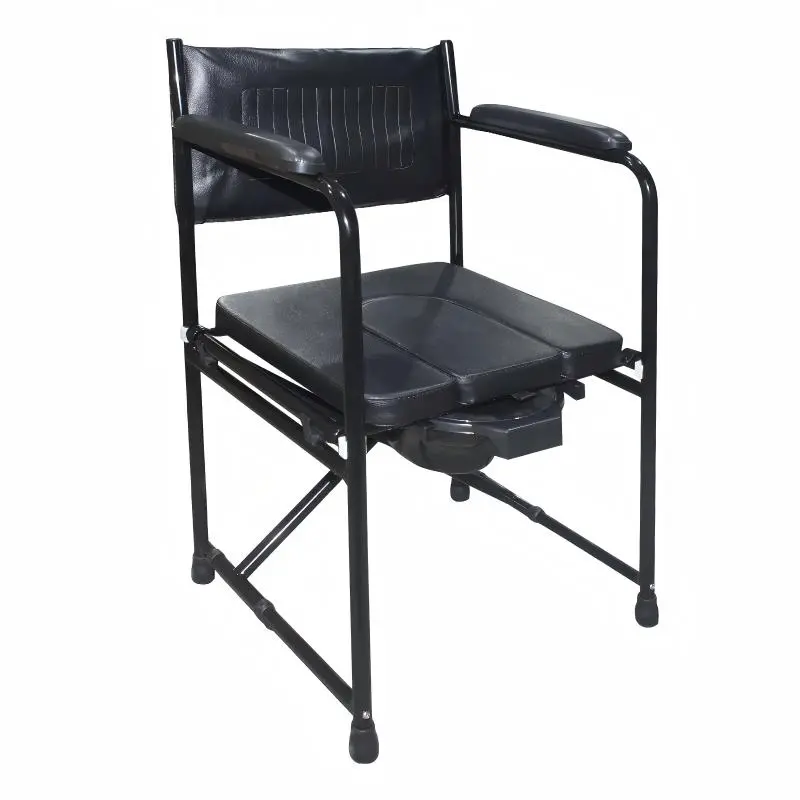
All the design structures of a commode chair, such as its chair shape, armrest support, removable potty, and backrest structure, are centered around the goal of "convenient and safe toileting." Therefore, a toilet commode chair is more than just a chair; it's a professional nursing product that combines safety, hygiene, and stability.
Functionally, commode chairs are primarily used for the following purposes:
1. Assisting with defecation and urination – The most direct use of a toilet chair is to assist with toileting, helping users defecate or urinate at the bedside or in the room.
2. Enhancing the self-care ability of people with limited mobility – Allowing those unable to go to the toilet to complete toileting tasks independently, enhancing their independence and sense of dignity.
3. Reducing the burden on caregivers – Commode chairs eliminate the need for caregivers to frequently carry patients in and out of the bathroom, reducing caregiver stress.
4. Ensuring toilet safety – Handrails, backrests, and a stable structure reduce the risk of falls, making it especially suitable for the elderly and post-operative patients.
5. Improving nighttime toilet convenience – Avoiding frequent moves to the bathroom at night prevents falls or slips.
The core purpose of a toilet commode chair is to provide users with a safe, stable, and convenient toileting environment when movement is not feasible. This is why toilet commode chairs are widely used in home care, hospitals, and nursing homes.
Why do people with limited mobility need commode chairs?
For people with limited mobility, moving from bed to the toilet is inherently risky. Commode chairs are designed to avoid these risks.
Here are some key reasons why commode chairs are suitable for people with limited mobility:
1. Difficulty in moving leads to inconvenience in using the toilet
The elderly, post-operative patients, and people with leg injuries often cannot stand for long periods or walk steadily. Moving to the toilet carries the risk of falls and slips. Commode chairs can be placed directly beside the bed or in the room, greatly reducing the distance traveled.
2. High risk of getting up at night
Dim light, poor visibility, and stiff legs at night make it a high-risk time for falls. Commode chairs allow users to use the toilet without having to go far from the bed.
3. Long-term bedridden patients cannot get out of bed
For bedridden individuals, getting out of bed requires assistance from caregivers, and sometimes even multiple people. Commode chairs reduce the workload of caregivers and ensure patient safety.
4. Using a commode chair protects privacy and self-esteem
Many people with mobility impairments are reluctant to be carried into the bathroom, easily experiencing shame or psychological stress. Commode chairs allow them to use the toilet in a more private and comfortable state.
Therefore, for people with mobility impairments, a toilet commode chair is not "optional," but rather "essential nursing equipment." Its function lies not only in convenience but also in protecting the user's physical safety and psychological dignity.
Why is a commode chair more suitable for some people than a regular toilet?
While regular toilets are standard in most households, they are not user-friendly for some groups and even pose a higher risk. Commode chairs are designed to be a safer and more convenient toilet tool for these users.
1. Height adjustable to accommodate people of different heights and physical conditions
Regular toilets have a fixed height, while toilet commode chairs usually support height adjustment, so users do not need to squat deeply or exert effort to stand up.
2. Armrests for support, reducing the risk of falls
The armrests of a commode chair make it easier for the elderly or frail patients to sit up, preventing falls due to instability.
3. Removable bedpan for easy cleaning
The bedpan design of a toilet commode chair allows for immediate disposal of waste after use, without having to move the user to the bathroom.
4. Portable and foldable, adaptable to various environments
Some commode chairs have wheels or a folding structure, making them easier to reposition at home or for travel.
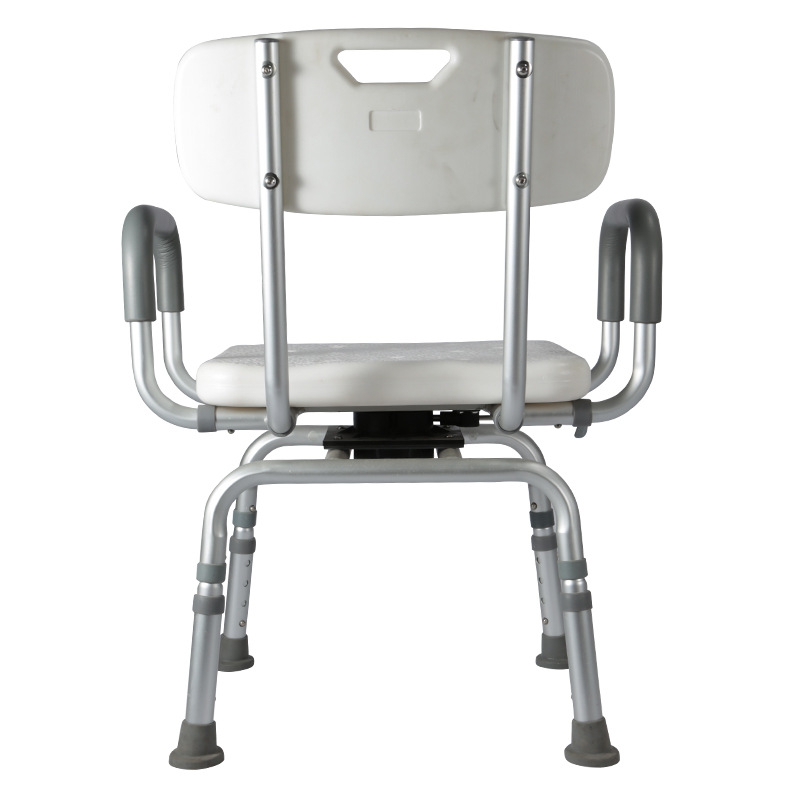
5. Can be used as a bathing aid or assistive seat
Some commode chairs have multi-functional designs, such as being usable for bathing, making care easier.
Therefore, for the elderly, post-operative recovering patients, pregnant women, and those with mobility issues, a toilet commode chair is more suitable than a regular toilet.
In what scenarios can a commode chair be used?
Although the primary purpose of a toilet commode chair is to assist with toileting, its actual usage scenarios are very diverse. Whenever it is inconvenient for the user to go to the bathroom, a commode chair can be used.
1. Bedroom Use
Placed beside the bed, especially suitable for bedridden patients and the elderly to use the toilet at night.
2. Living Room or Nursing Home
Some families place toilet chairs in the elderly's activity area to improve daytime toilet access.
3. Hospital and Rehabilitation Center Use
Commode chairs are an important part of nursing equipment in medical institutions and can be used for patients recovering from surgery or with limited mobility.
4. Nursing Home Use
Commode chairs are almost standard equipment in nursing homes and care facilities, providing a safer way for the elderly to use the toilet.
5. Travel or Outings (Folding Commode Chairs)
Some folding commode chairs are very lightweight and can be used for road trips or when travel is difficult.
Whether at home, in a hospital, or outdoors, toilet commode chairs play a crucial role wherever there is difficulty using the toilet.
What types of commode chairs are there? What are their different uses?
Although toilet commode chairs generally have the same function, different types are suitable for different user groups and scenarios.
1. Fixed Toilet Chair
Stable and sturdy, suitable for long-term use in one location.
2. Folding Toilet Chair
Foldable for easy storage and portability, suitable for travel and small apartments.
3. Toilet Chair with Wheels (Portable Toilet Chair)
Pushable and movable, suitable for caregivers to assist users in moving between rooms.
4. Widened Toilet Chair
Suitable for larger individuals or those requiring more space.
5. Multifunctional Toilet Chair
Can be used as a shower chair, seat, armrest lift, etc., offering multiple uses.
While different types of toilet chairs serve the same purpose, choosing the right one can enhance comfort and safety based on individual needs.
What safety precautions should be taken when using a toilet chair?
While toilet chairs improve convenience, proper use and safe maintenance are crucial; otherwise, they may have the opposite effect.
Here are some key points to note when using a toilet chair:
1. Choose a sturdy commode chair
Prioritize products with metal structures and strong load-bearing capacity to prevent tipping during use.
2. Adjust the height according to the user's height
Height that is too high or too low will affect the user's balance and comfort.
3. Ensure the armrests are secure
The armrests are an important support for the user when getting up and must be sturdy and reliable.
4. Clean the commode seat regularly
Maintaining hygiene is not only for the user's health but also to prevent odors.
5. Avoid placing the commode chair on wet or slippery surfaces
Slippery surfaces increase the risk of tipping over or displacement, especially for elderly users.
6. Regularly inspect all parts
Issues such as loose screws, cracked commode seats, or worn-out wheels should be replaced or repaired promptly.
Ensuring the safety of the toilet commode chair is a crucial step in protecting the user's health.
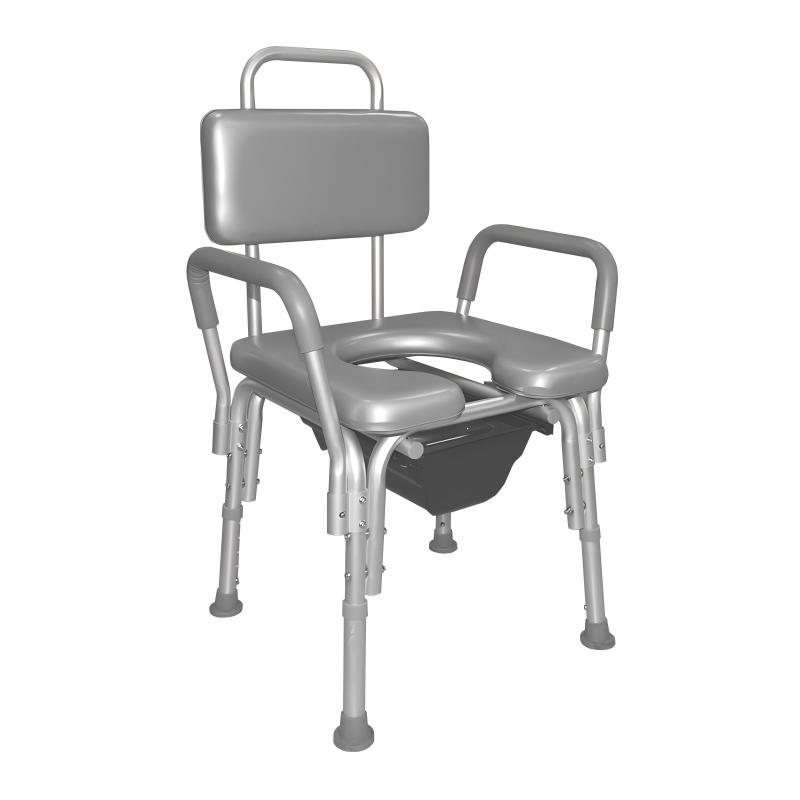
How to choose a suitable toilet commode chair?
When purchasing a toilet commode chair, many people are confused about which model, material, and function are suitable for their family members.
The following suggestions can help you make a professional judgment:
1. Choose according to the user's mobility
Those with limited mobility are better suited to stable toilet chairs with wheels or armrests.
2. Confirm weight capacity
Ensure the toilet chair can support the user's weight, generally greater than 150 catties.
3. Focus on seat comfort
The seat cushion should be soft, non-slip, and not easily absorbent.
4. Consider whether mobility is needed
If movement between rooms is required, a toilet chair with wheels is more convenient.
5. Consider multi-functionality
If a shower function is needed, choose a waterproof commode chair that can also be used as a shower chair.
Different needs correspond to different types; choosing the right toilet commode chair will maximize its usefulness.
Does a commode chair truly improve quality of life?
Many families have the same feeling after using a toilet commode chair for the first time—it makes life much easier.
A commode chair is more than just an aid to toileting; its value includes:
• Allowing people with mobility impairments to experience greater autonomy and dignity
• Effectively reducing the risk of falls and fractures
• Saving caregivers significant physical energy
• Improving daily living efficiency
• Reducing psychological burden and making toileting less stressful
• Making nighttime toileting safer and more comfortable
For the elderly, patients, pregnant women, or people with mobility impairments, the significance of a toilet commode chair goes far beyond "convenience"; it is an important life support tool.