
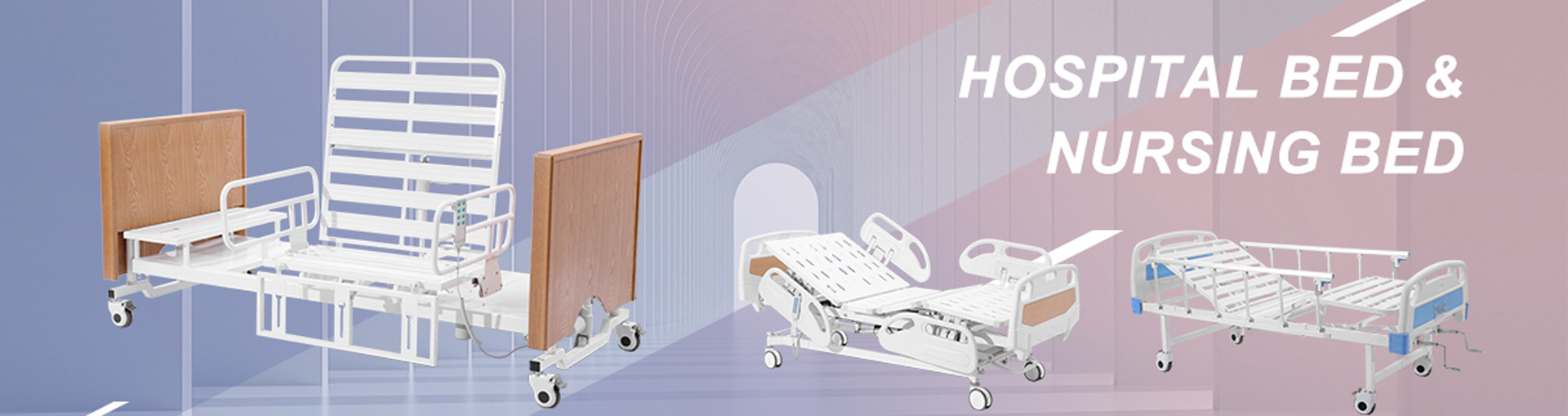
In the modern healthcare system, hospital beds constitute one of the most critical pieces of infrastructure. Whether in general hospitals, rehabilitation centers, elderly care facilities, or home-based long-term care settings, hospital beds directly impact the patient's inpatient experience, the operational efficiency of nursing staff, and overall medical safety.
Consequently, understanding the various types of hospital beds—including their structural differences and appropriate applications—is essential knowledge for hospital procurement personnel, nursing administrators, medical equipment suppliers, and home care users alike.
Ranging from the most basic manual beds to highly sophisticated electric beds, and from general-purpose nursing beds to specialized units designed for specific medical departments, the classification of hospital beds affects not only patient comfort but also the design and implementation of nursing workflows.
Centered on the core question, "What are the different types of hospital beds?", this article will systematically analyze the classification logic behind hospital beds, the structural characteristics and functional distinctions of each type, and the specific patient populations for whom they are intended.
What Constitute the Basic Structure and Classification Principles of Hospital Beds?
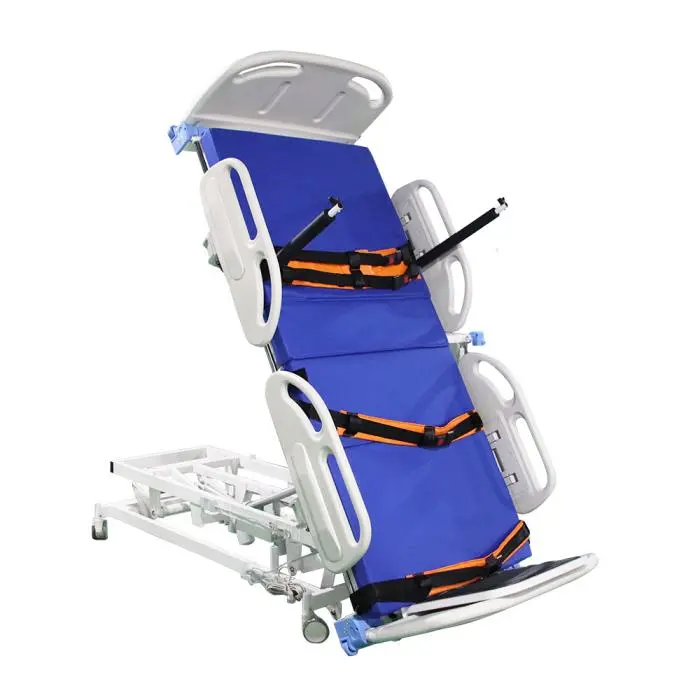
The reason for the existence of such a wide variety of hospital beds lies in the diverse nursing requirements of different patients, the specific characteristics of their medical conditions, and the distinct functional demands of various hospital departments. The core components of a hospital bed include:
•Bed Surface (multi-section or single-piece structure)
•Bed Frame (the primary load-bearing structure)
•Side Rails (to ensure patient safety)
•Headboard and Footboard
•Adjustment System (manual, electric, or hybrid)
•Bed Height Adjustment Mechanism
•Casters and Braking System
•Accessory Interfaces (IV poles, bedside lamps, monitor mounts, etc.)
Hospital beds are typically classified based on the following criteria:
1.Classification by Adjustment Method
Manual, semi-electric, and electric beds
2.Classification by Functional Complexity
Standard beds, multi-functional beds, nursing care beds, monitoring beds, etc.
3.Classification by Application Setting
General ward beds, emergency beds, ICU beds, etc.
4.Classification by Specialized Use
Obstetric beds, orthopedic beds, burn care beds, etc.
5.Classification by Structural Form
Folding, multi-section, or integrated structures
6.Classification by Nursing Needs
Long-term care beds, rehabilitation beds, beds with patient-turning functions, etc.
Hospitals select different types of beds based on these classification principles to meet the diverse nursing needs of their patients.
What are the main types of beds used in hospitals?
The most commonly used hospital beds generally fall into three main categories:
1.Manual Hospital Beds
2.Semi-Electric Hospital Beds
3.Electric Hospital Beds
This represents the most fundamental and common method of classifying hospital beds.
The following section will provide a detailed overview of the features and differences of each type of hospital bed.
What are the differences between manual, electric, and semi-electric hospital beds?
1. Manual Hospital Beds
Features
•Bed surface height, backrest angle, and legrest angle are adjusted via hand cranks.
•Requires no external power source; features a simple structure.
•Typically used in wards where functional requirements are relatively low.
Advantages
•Low cost.
•Low maintenance costs.
•Usable even during power outages.
Limitations
•Adjustments require manual operation.
•High physical workload for nursing staff.
•Adjustments lack precision.
2. Semi-Electric Hospital Beds
Features
•Certain functions are electrically adjustable (e.g., backrest elevation).
•Other functions still require manual operation (e.g., overall bed height).
Advantages
•Functionality falls between that of manual and fully electric beds.
•Offers excellent value for money.
•Meets standard nursing requirements.
Limitations
•Comfort level is lower than that of fully electric beds.
•Adjustments still require some manual intervention.
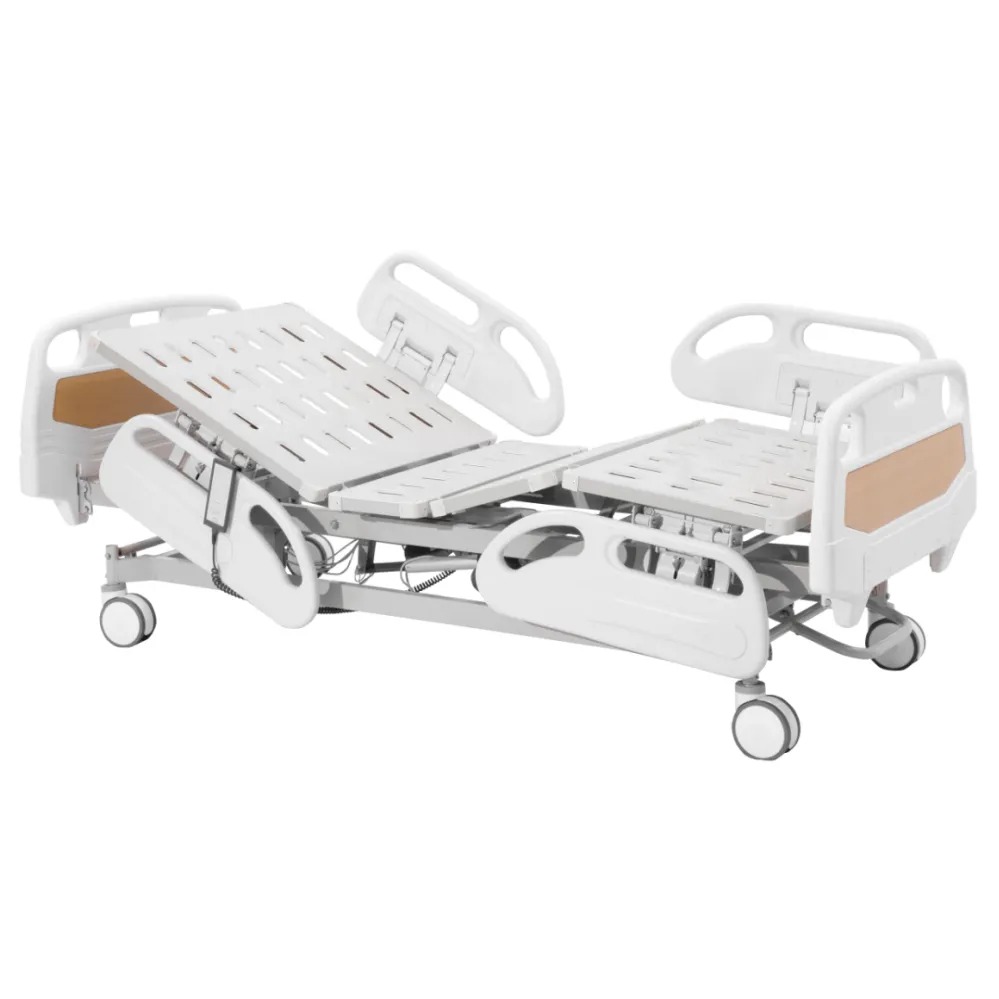
3. Electric Hospital Beds
Features
•All bed functions are adjusted via electric motors.
•Functions include height adjustment, backrest elevation, legrest elevation, overall tilting, etc.
Advantages
•Precise adjustments.
•Effortless operation.
•High nursing efficiency.
•Patients can make adjustments independently.
Limitations
•Higher cost.
•Requires a power supply.
Most mid-to-high-end wards, ICUs, and nursing centers in hospitals prioritize the use of electric hospital beds.
What are the common types of specialized hospital beds?
In addition to the basic categories mentioned above, hospitals utilize numerous specialized beds designed with structures and functions tailored to specific clinical scenarios.
The following are common types of specialized hospital beds:
1). ICU Hospital Beds
ICU hospital beds feature complex structures and are typically classified as high-end electric hospital beds.
Key Features:
•Multi-angle adjustment capabilities.
•Multi-section bed surface design.
•Anti-pinch safety mechanisms.
•Lateral tilting/turning functions.
•Emergency stop systems.
•Interfaces for patient monitoring equipment.
Suitable for patients requiring intensive care.
2). Obstetric Hospital Beds (Birthing Beds)
Specifically designed for expectant mothers, featuring:
•Removable leg sections
•Adjustable tilt angles
•A structural design that facilitates midwifery procedures
3). Emergency Hospital Beds (Stretchers/Carts)
Features:
•Easy to maneuver
•Rapid height adjustment
•Suitable for patient transport
4). Orthopedic Hospital Beds
Typically equipped with a traction system, including:
•Traction frames
•Support bars
•Specialized support structures
Used for the post-operative recovery of patients with fractures.
5). Rehabilitation Hospital Beds
Used for:
•Early-stage rehabilitation exercises
•Functional recovery
•Assisted turning/repositioning
Can be equipped with handrails, assistive devices, and other accessories.
6). Burn Care Hospital Beds
The mattress surface is constructed from specialized materials that are breathable and washable, meeting the specific requirements of burn care.
7). Geriatric Care Hospital Beds
Typically multi-functional electric beds, emphasizing:
•Fall-prevention designs
•Assisted turning functions
•Low-position designs
Suitable for long-term care settings.
Which medical scenarios are suitable for the different structural types of hospital beds?
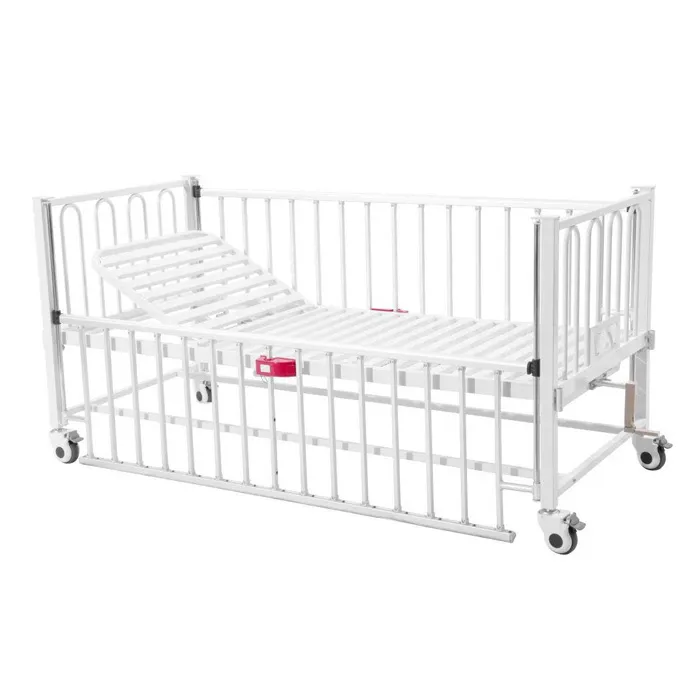
Based on their structural design, hospital beds can be broadly categorized into two main types: multi-section beds and integral beds.
1. Multi-Section Hospital Beds
Suitable for:
•Long-term hospitalization
•Post-operative recovery
•Patients requiring multi-angle positioning
The multi-section structure allows for versatile functional adjustments.
2. Integral Hospital Beds
Suitable for:
•Patient transport
•Emergency care
•Temporary observation
Features an integrated structure for easy mobility.
What are the classification criteria for functional hospital beds?
Based on the specific functions of the bed frame, hospital beds can be classified into the following categories:
1. Height-Adjustable Hospital Beds
Used for:
•Adjusting the overall height of the hospital bed
•Facilitating caregiving procedures for medical staff
Available in both manual and electric versions.
2. Multi-Functional Nursing Hospital Beds
Include the following functions:
•Backrest elevation
•Leg section elevation
•Overall height adjustment
•Whole-bed tilting
•Lateral turning/repositioning
Multi-functional nursing hospital beds are the most commonly deployed type of bed in hospitals.
3. Patient Turning Hospital Beds
Designed specifically for patients requiring long-term bed rest to help reduce:
•Pressure ulcers (bedsores)
•Pulmonary infections
•Muscle atrophy
Commonly used in critical care, long-term care, and elderly care settings.
4. Anti-Slide Hospital Beds
Designed specifically for post-operative patients and those with impaired consciousness to ensure their safety.
Why do hospitals need to equip themselves with different types of beds for different patients?
The reasons include:
1. Different medical conditions require different care approaches
For example, critically ill patients require ICU hospital beds, while maternity patients require birthing beds.
2. Nursing workflows vary
The intensity of care and operational procedures differ significantly across different hospital departments.
3. Safety requirements differ
For instance, orthopedic patients must use traction beds.
4. Health risk management varies
Patients requiring long-term bed rest need beds with turning functions to prevent pressure ulcers.
5. Medical efficiency varies
Specialized beds can enhance the efficiency of diagnosis, treatment, and nursing care.
Therefore, hospitals cannot rely on a single type of hospital bed to serve all patients; instead, they must select the appropriate beds based on the specific department and the patient's medical condition.
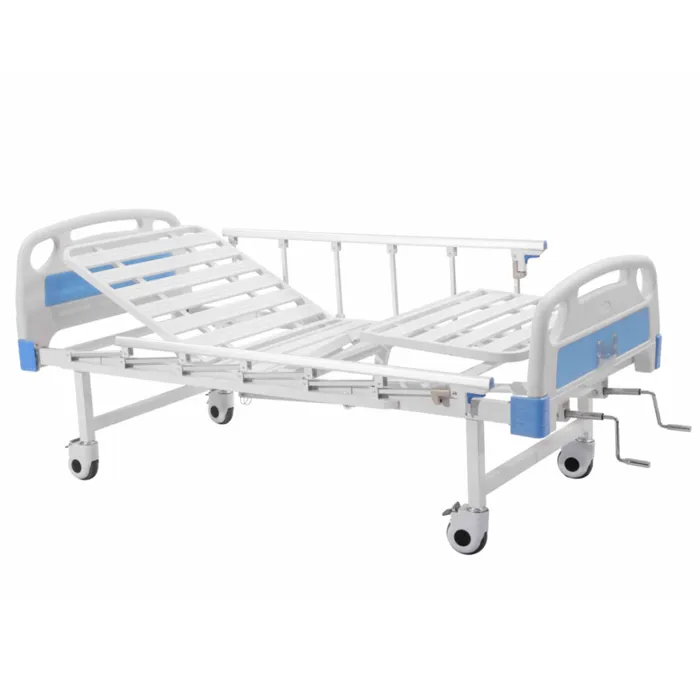
Hospital Beds: Diverse Types, Each with a Specific Purpose
Hospitals require a variety of bed types to meet the diverse care needs of different patients, thereby enhancing both medical efficiency and safety.
The main categories of hospital beds include:
•Manual hospital beds
•Semi-electric hospital beds
•Electric hospital beds
•ICU hospital beds
•Emergency/Rescue beds
•Maternity beds
•Orthopedic beds
•Burn care beds
•Rehabilitation beds
•Geriatric care beds
Each category of hospital bed serves a distinct function and holds specific significance within the healthcare environment.