
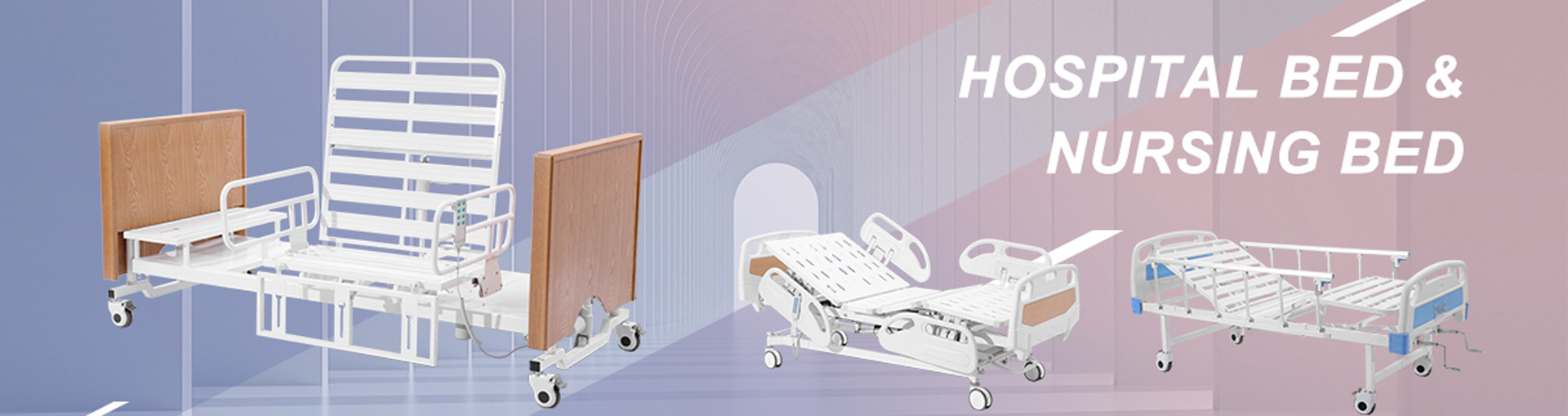
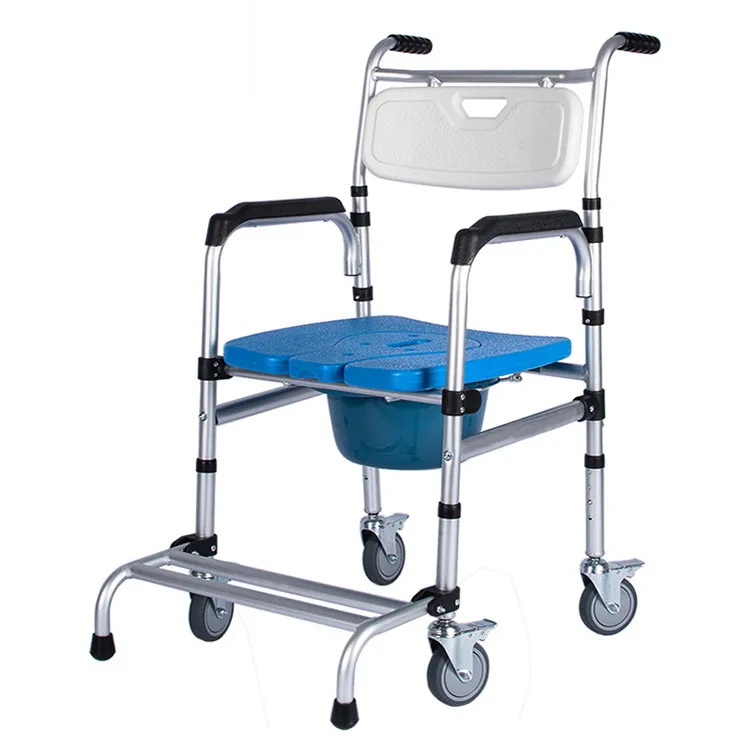
The commode chair is a vital assistive device in modern home care and medical settings, particularly beneficial for the elderly, individuals recovering from surgery, those with limited mobility in their legs or feet, and patients requiring bed rest. Although many people purchase toilet commode chairs, they often lack the knowledge to use them correctly and properly. This can result in user discomfort, compromised safety, and even an increased risk of falls.
To fully realize the benefits of a commode chair—and to ensure users enjoy a safe, comfortable, and hygienic toileting experience—it is crucial to understand the "correct methods for using a commode chair," as well as to master the operational steps, cleaning procedures, and key precautions.
Focusing on the theme, "How to Use a Commode Chair Correctly?", this article provides a professional, in-depth explanation of the usage process, adjustment methods, hygiene management, safety requirements, and common misconceptions associated with toilet commode chairs. It serves as a comprehensive reference for families and care facilities with specific caregiving needs.
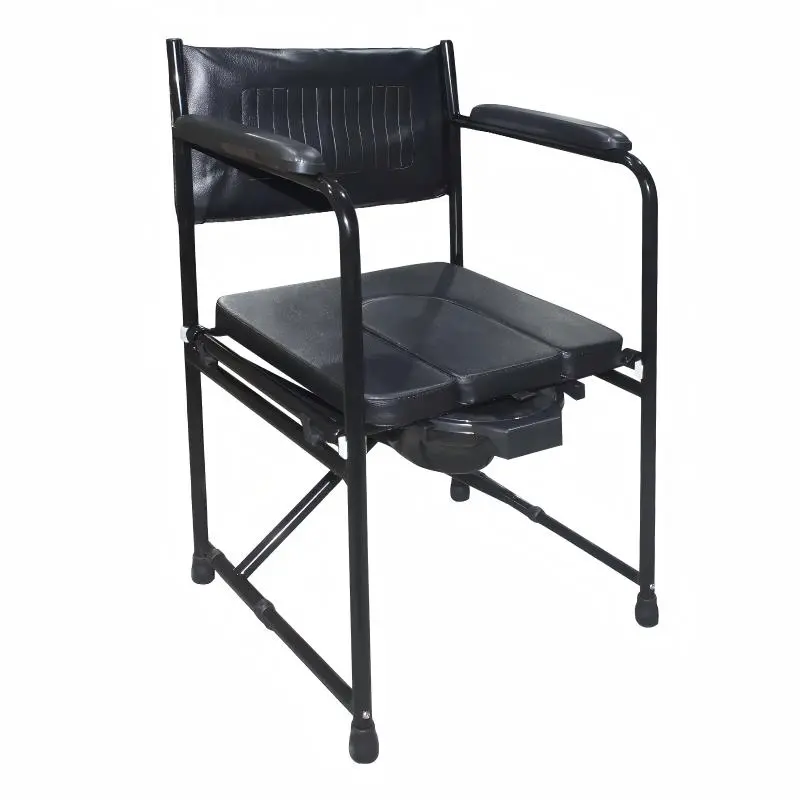
What Preparations Are Required Before Using a Commode Chair?
Proper preparation is paramount to ensuring the safe and correct use of a commode chair. The effectiveness of the toilet commode chair is often directly linked to the thoroughness of the preliminary preparations. Neglecting these preparatory steps can lead to user instability, anxiety, and even dangerous incidents such as slips or falls.
The following are the key preparatory steps that should be undertaken before using a commode chair:
1). Check the Commode Chair for Stability and Safety
Before every use, inspect the following components of the commode chair to ensure they are secure:
•Are the four legs of the chair resting evenly on the floor?
•Are the armrest connections tight and secure?
•Is there an anti-slip pad or mechanism present on the base of the chair?
•Is the commode pan (waste receptacle) installed correctly?
•Is the seat surface intact and free of cracks?
Ensuring the commode chair is in a completely stable and reliable condition is the first step toward guaranteeing the user's safety.
2). Adjust the Commode Chair Height According to the User's Stature
Individuals of different heights require toilet commode chairs set at different heights; failure to adjust the height appropriately can lead to:
•Uneven weight distribution on the hips when sitting down.
•Difficulty standing up, or the need to exert excessive physical force to rise.
•Improper strain on the lower back and knees resulting from long-term use.
The correct height setting should ensure that:
•The user's thighs are parallel to the floor when seated.
•Both feet can rest firmly and stably on the ground.
•The user does not need to bend over excessively or squat down low.
This is a critical factor in preventing falls.
3). Check the Cleanliness of the Commode Pail
The commode pail must be thoroughly cleaned and disinfected before every use; otherwise, it can easily harbor bacteria or develop unpleasant odors.
Key inspection points include:
•Is the pail clean and free of stains?
•Has water been added to the pail in advance (to facilitate disposal)?
•Has a disposable commode liner bag been inserted (optional)?
Maintaining good hygiene is a fundamental requirement for the proper use of a toilet commode chair.
4). Ensure a Safe Environment
The commode chair should be placed in a stable, dry, and unobstructed location.
Pay special attention to the following:
•Avoid placing it on wet floors.
•Ensure the surrounding area is free of clutter.
•Provide adequate lighting for nighttime use.
•Ensure the room temperature is comfortable during winter.
A safe environment is a crucial prerequisite for the proper use of a toilet commode chair.
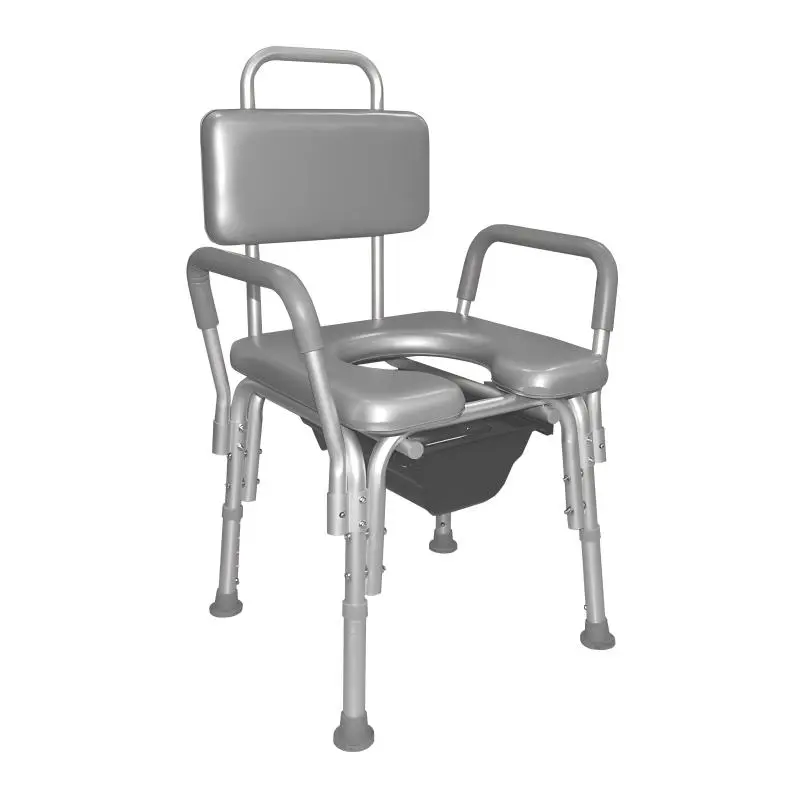
How to Help the User Safely Sit on the Commode Chair?
Many families are unsure how to safely assist elderly individuals or patients onto a commode chair, which can lead to slips or loss of balance as the user attempts to sit down. To ensure the proper use of the toilet commode chair, mastering the correct method for sitting down is essential.
The following steps are applicable to most users, including those with leg weakness or those requiring partial assistance.
1. Position the Commode Chair Close to the User
To minimize the distance the user needs to move, the commode chair should be placed:
•Beside the bed
•Next to a sofa
•Directly behind the user's standing position
The closer the chair is positioned, the lower the risk of falls.
2. Help the User Stand Up Slowly (Provide assistance as needed)
The following methods can be used to assist the user in standing:
•Holding onto the edge of the bed
•Using a cane or walking stick
•Holding onto the caregiver's forearms with both hands
•Utilizing a bedside assist rail
The most important factors are stability and maintaining a controlled pace.
3. Ensure the User Is Facing Away from the Commode Chair
Once the user is positioned with their back toward the toilet commode chair, confirm the following:
•Their feet are aligned directly in front of the chair.
•The distance between their legs and the chair is appropriate for sitting down.
•The armrests are positioned correctly and provide a secure grip.
If necessary, provide verbal cues such as "move a little closer," "take your time," or "hold onto the armrests."
4. Hold the Armrests and Sit Down Slowly
The motion of sitting down must be slow and controlled. Correct Way to Sit:
•Grasp the armrests of the toilet commode chair with both hands.
•Lean your body slightly forward.
•Slowly lower your hips.
•Ensure your back does not tip backward.
If caregiver assistance is required, the caregiver should stand to the side to guard the user, but must not pull or tug forcefully.
5. Ensure the User is Seated Securely Before Leaving
Once the user is seated securely:
•Verify that they are not leaning to one side.
•Ensure their hips are centered on the seat.
•Double-check that the commode pan is correctly positioned.
•Adjust the user's clothing to facilitate toileting.
The transfer to the chair is considered truly complete only when the user is seated firmly and securely.
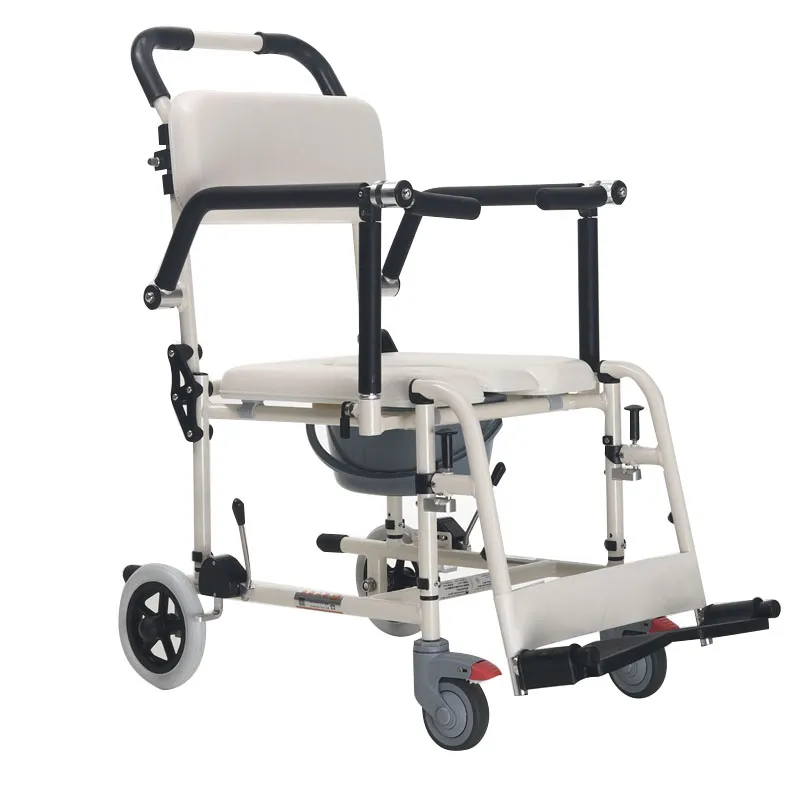
What Precautions Should Be Taken When Using a Commode Chair?
During the proper use of a commode chair, there are many specific details that require special attention. These steps—though seemingly minor—directly impact the user's safety and comfort.
1. Prevent the Commode Chair from Sliding During Use
You must ensure that:
•All four legs of the chair are stable.
•The floor surface is dry.
•The non-slip rubber feet are effective.
Sliding is one of the most dangerous risks associated with toilet commode chair use, particularly for the elderly.
2. Always Ensure the User's Feet Are Flat on the Floor
Having one's feet dangling in the air can lead to:
•Difficulty standing up.
•A loss of physical support.
•An unstable sitting posture.
Therefore, setting the chair to the correct height is absolutely crucial.
3. Be Attentive to Whether the User Feels Cold or Uncomfortable
Especially during winter, the commode pan can become very cold; consider warming it up in advance or placing a comfortable cushion over it.
4. Maintain Privacy and Respect
Toileting is a highly private act; when a commode chair is in use, every effort should be made to:
•Draw the curtains or blinds.
•Prevent unauthorized persons from entering the room.
•Provide a privacy screen or covering cloth.
These measures help the user feel more relaxed, making the toileting process go more smoothly.
How Can a User Safely Stand Up from a Commode Chair?
The act of standing up often carries a higher risk of accidents than sitting down; therefore, it is essential to master the standard procedure for doing so. The correct steps for standing up are as follows:
1.Have the user grasp the armrests of the toilet commode chair with both hands.
2.Have the user lean their body slightly forward.
3.Ensure both feet are planted firmly on the ground.
4.Have the user slowly exert force to stand up.
5.The caregiver should provide lateral support/guarding rather than pulling on the user.
6.Wait until the user is standing steadily before attempting to move them.
7.Finally, assist the user in adjusting or putting on their clothing.
It is particularly important to avoid forcefully pulling on the user's arms, as this may result in injury to the shoulder joints.
How should the commode chair be cleaned after use?
Proper cleaning of the commode chair is a crucial aspect of hygiene care, helping to prevent bacterial growth and the development of unpleasant odors.
1.Dispose of the waste in the commode bucket.
The contents can be poured directly into a standard toilet and then flushed away.
2.Wash the commode bucket with warm water and a neutral detergent.
Avoid using strong acids or alkalis, as these may damage the plastic material.
3.Disinfect regularly.
You may use:
•A diluted disinfectant solution.
•A specialized hygiene disinfectant spray.
Ensure that a high standard of hygiene is maintained after every use.
4.Clean the toilet commode chair's armrests, seat surface, and base.
These areas frequently come into contact with the user's skin and must be kept clean.
5.Allow to dry completely before reassembling.
A damp commode bucket creates an environment where bacteria can easily multiply and may also cause odors to linger.
What are some common mistakes to avoid when using a commode chair?
Many people make errors when using a toilet commode chair; these mistakes not only compromise comfort but can also pose safety risks.
The following are common mistakes:
1.Placing the toilet commode chair on a sloped or slippery surface.
•Correct Practice: Place the chair on a flat, non-slip surface.
2.Allowing the user to sit down before the commode bucket is properly positioned.
•Correct Practice: Always check the position of the commode bucket before use.
3.Continuing to use the chair if the armrests are loose.
•Correct Practice: The chair must be repaired or replaced immediately.
4.Using a commode chair that is not appropriate for the user's height.
•Correct Practice: Adjust the chair's height to suit the user's stature.
5.Neglecting cleaning and disinfection.
•Correct Practice: Thorough cleaning is mandatory after every use.
By avoiding these common mistakes, you can ensure that the toilet commode chair is used correctly and safely.
How can one ensure the long-term safety of the commode chair during extended use?
When using a toilet commode chair over an extended period, in addition to following proper usage procedures, it is essential to prioritize regular maintenance and inspection.
Key maintenance points include:
•Checking weekly to ensure that all screws are secure and not loose.
•Inspecting the non-slip foot pads for signs of wear; replace them immediately if worn.
•Checking the commode pan for any cracks.
•Verifying that the armrests are stable and do not wobble.
•Ensuring that the unit has been thoroughly cleaned to eliminate any odors.
•Assessing whether the seat cushion requires replacement.
Consistent and proper maintenance practices are vital to ensuring long-term safety.