
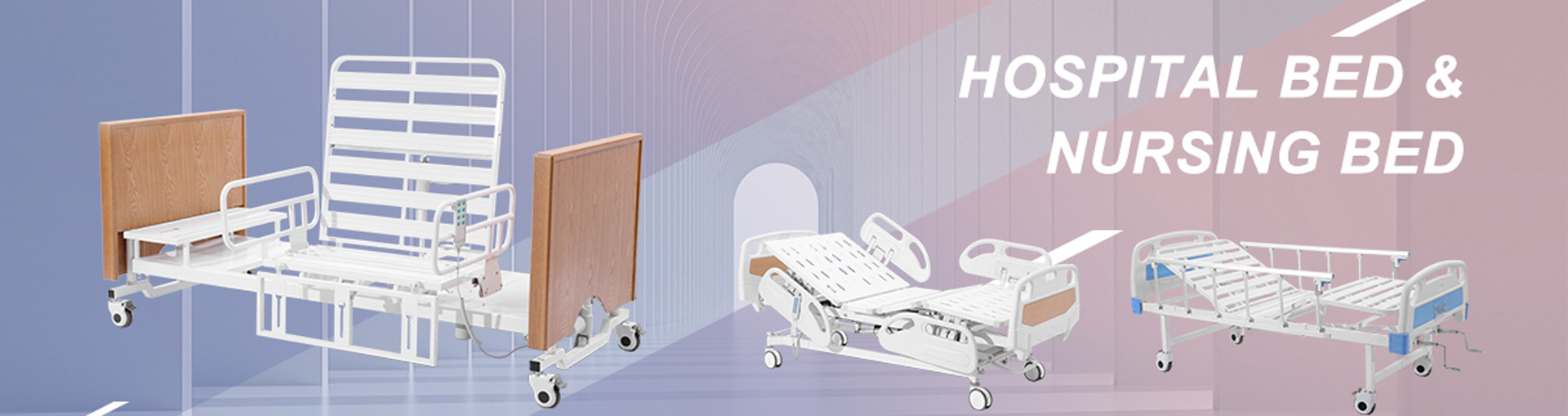
When there are bedridden patients, post-operative recovering patients, or elderly people in the family, family members often consider purchasing a home hospital bed to improve care efficiency and quality of life.
However, the first question many people ask before purchasing is: How much does a home hospital bed cost?
This question seems simple, but it actually involves many factors. Because a home hospital bed is not ordinary furniture, it belongs to medical care equipment, and its price depends on structural design, functional configuration, materials and craftsmanship, brand reputation, and additional features.
This article will provide a systematic understanding of: the price range of home hospital beds, the key factors affecting the price, the price differences between different functional models, and how to choose the most suitable bed within your budget.
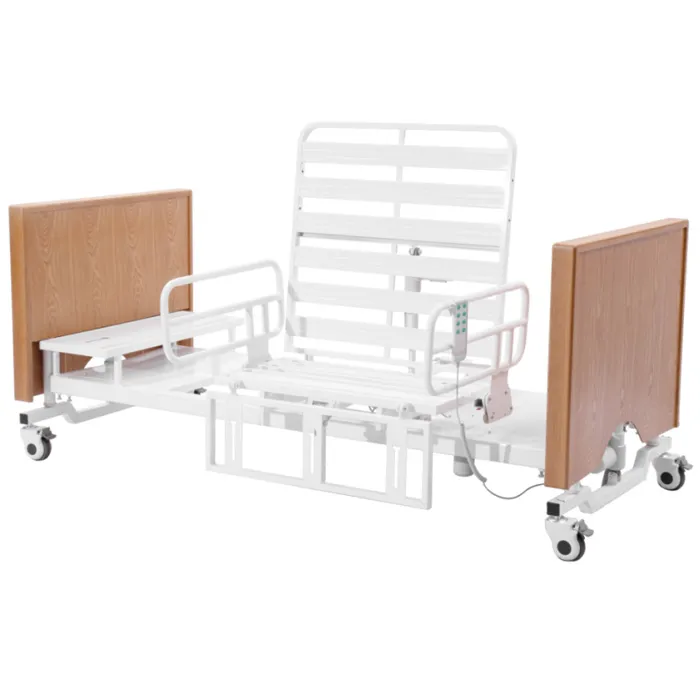
What is the approximate price range for home hospital beds?
If you want a quick answer:
The price of home hospital beds on the market is generally between $300 and $3000 USD.
However, this range varies greatly due to significant differences in product functions and configurations.
To better understand price tiers, we can broadly categorize home hospital beds as follows:
Types | Features | Reference Prices (USD) |
| Basic Manual Model | Manually adjustable back and leg angles | $300 – $600 |
| Semi-Electric Model | Electric adjustment for back or legs, some manually operated | $600 – $1000 |
| Fully Electric Model | Fully automatic lifting and multi-angle adjustment | $1000 – $2000 |
| High-End Multifunctional Model | Includes turning, anti-slip, and anti-bedsore systems | $2000 – $3000+ |
| Integrated Care Model | Equipped with commode, folding table, IV stand, and other accessories | $2500 – $3500+ |
The price of a home hospital bed primarily depends on its level of automation and the number of additional functions it offers. More functions, superior materials, and a more complex structure generally result in a higher price.
Why is there such a large price difference between different home hospital beds?
Many people wonder: why do home hospital beds that look similar range in price from a few hundred dollars to several thousand dollars?
In fact, there is a clear logic behind this difference. It mainly depends on the following five aspects:
1. Different Functional Configurations
• Manual Beds: Adjustable position via a crank; inexpensive but laborious to operate;
• Electric Beds: Equipped with a motor system, allowing for remote control of height and angle adjustment;
• Multifunctional Beds: Automatic turning, anti-slip, sitting, and rehabilitation assistance; the more functions, the higher the price.
2. Different Materials and Structures
• Ordinary steel structures are less expensive;
• Stainless steel or aluminum alloy structures are more robust and durable;
• Bed surface materials (ABS medical plastic, breathable panels) also affect the price.
3. Different Control Systems
The quality of the motor, remote control system, and lifting mechanism used in an electric hospital bed directly affects its price.
Imported motors and multi-point control systems are more expensive, but have a longer lifespan and lower noise.
4. Brand and Manufacturing Standards
Home hospital beds from internationally renowned brands (such as Paramount and Invacare) are generally more expensive because they meet stricter medical safety standards.
5. Number of Accessories and Accessories
If the bed includes complete accessories such as a bedside table, IV stand, bedside table, and bedside commode, the overall cost will naturally increase.
Therefore, even if two home hospital beds look similar, differences in structural quality, functional details, and user experience will directly translate into higher prices.
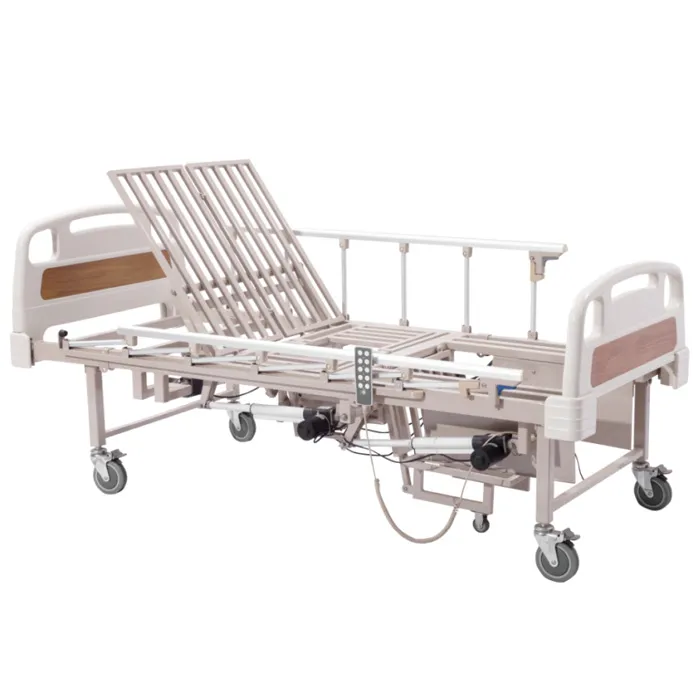
What functions do home hospital beds have? How much do different functions cost?
Understanding the actual use of different functions is crucial before deciding on a budget. The following is an analysis of the correlation between common functions and prices:
1. Basic Functions ($300 – $700)
• Manual adjustment of back and leg angles;
• Fixed height, no electric system;
• Suitable for short-term care or those with mild bed rest.
2. Electric Adjustment Functions ($700 – $1200)
• Electric height adjustment and backrest adjustment;
• Controlled by remote control for easy operation;
• Suitable for the elderly or post-operative recovery patients.
3. Fully Electric Multi-Stage Adjustment ($1200 – $2000)
• Independent control of back, leg, and bed height adjustments;
• Multiple angle position changes;
• Includes safety bed rails and anti-slip design.
4. Advanced Care Functions ($2000 – $3000)
• Automatic turning system to prevent bedsores;
• One-button switching between sitting and semi-reclining positions;
• Quiet motor, waterproof, and anti-electric interference design.
5. Integrated Nursing Bed ($3000 and above)
• Integrates toileting, bathing, dining, and mobility functions;
• Equipped with a medical-grade anti-decubitus air mattress;
• Suitable for long-term bedridden care and high-needs patients.
For temporary use, a basic model priced between $500 and $1000 is recommended; for long-term bedridden patients, a fully electric or multi-functional home hospital bed priced above $1500 is recommended for greater safety and comfort.
What are the hidden factors affecting the price of home hospital beds?
Besides functions and configurations, there are some often overlooked but significant factors affecting price:
1. Load-bearing capacity
Higher load-bearing capacity requires higher standards for materials and structural design.
Standard models can support approximately 120kg, while high-load-bearing professional models can support over 200kg, with a price difference of up to 30%.
2. Control Method
Wired remote control: Low cost but limited by cable length;
Wireless remote control or touchscreen control: Higher cost but more convenient to use.
3. Included Wheels and Braking System
High-quality casters have independent braking systems, facilitating movement and stable positioning; this component increases cost.
4. Mattress Quality
Some home hospital beds come with medical-grade anti-decubitus air mattresses or high-density foam mattresses, a significant source of price difference.
5. After-sales Service and Warranty Period
Reputable brands typically offer a 3-5 year warranty; this cost is included in the price.
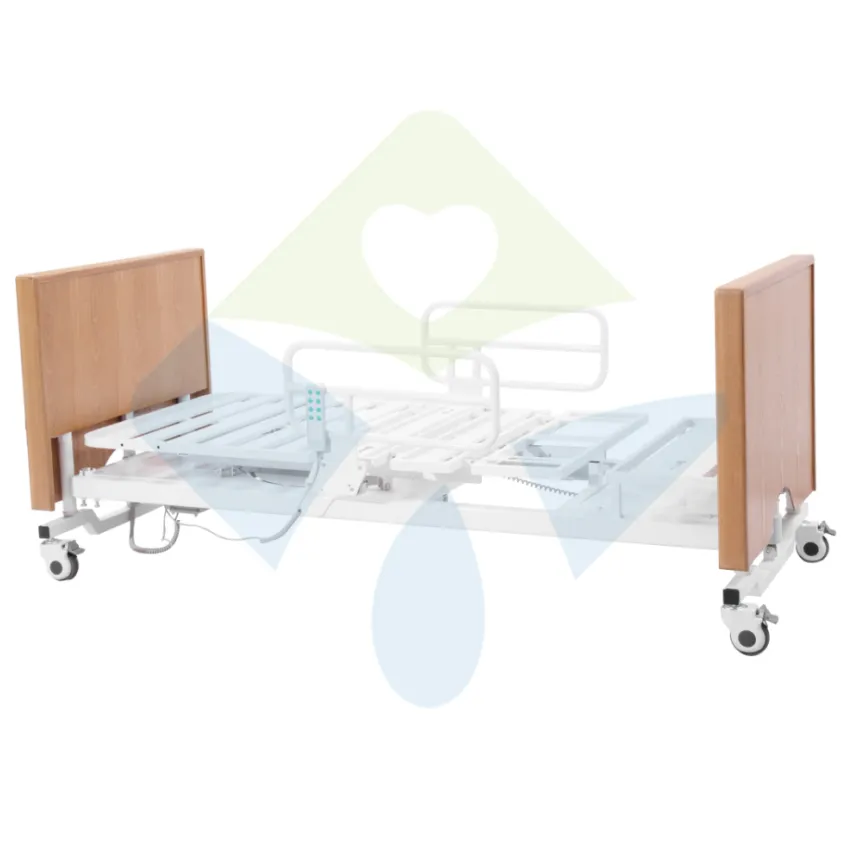
Why is it not recommended to choose an overly cheap home hospital bed?
In the field of nursing equipment, "cheap" often means risk.
Choosing an overly cheap home hospital bed may lead to the following problems:
• Loud motor noise and short lifespan;
• Weakly welded bed frame, prone to wobbling;
• Lack of safety locks, posing a risk of falls;
• Inferior materials, difficult to clean, affecting hygiene;
• Inadequate after-sales service and difficult repairs.
Home care is a long-term use scenario, and patient safety and comfort are paramount.
Therefore, price should not be the sole criterion; instead, one should choose a reliable brand with comprehensive functions and stable after-sales service within the budget.
The Relationship Between the Price of Home Hospital Beds and Nursing Needs
Before determining a budget, the user's nursing needs should be clearly defined. Different conditions require different levels of nursing care, which in turn determines the appropriate price range.
Condition/Usage Scenarios | Recommended Features | Recommended Price Range (USD)
Postoperative Rehabilitation (Short-Term Use) | Manual or Semi-Electric | $500 – $900
Daily Care for the Elderly | Electric Lifting and Backrest Adjustment | $1000 – $1500
Long-Term Bedridden Patients | Fully Electric, Multi-Angle Adjustment | $1500 – $2200
Severely Paralyzed or Highly Difficult-to-Carry Patients | Automatic Turning, Anti-Pressure Ulcer, Toileting Function | $2200 – $3000+
The price of a home hospital bed should match the nursing needs.
If the patient is bedridden for a long time or has completely limited mobility, investing in a high-end electric nursing bed is not only safe but also reduces the burden of care.
What additional costs need to be budgeted when purchasing a home hospital bed?
Purchasing a home hospital bed is not as simple as "buying a bed." The following accessories or services may also require separate payment:
• Anti-Pressure Ulcer Air Mattress ($100–$300): Essential for preventing pressure sores and long-term bedridden patients.
• IV stand and bedside table ($50–$150): Improves the convenience of daily care.
• Bedside table and storage shelf ($80–$200): For storing care supplies.
• Installation and shipping costs ($100–$300): Especially for fully electric or multi-functional beds, which have a larger transport volume.
Extended warranty or maintenance service (depending on brand)
When budgeting, it is recommended to allocate approximately 10–20% for additional costs to cover these actual expenses.
Price differences of home hospital beds in different countries or regions
Geographic location and supply chain also affect prices.
Generally speaking:
• US and European markets: Higher product standards, higher average price;
• Southeast Asia or China manufacturing regions: More cost-effective, but pay attention to quality certifications;
• Imported brands: Due to transportation and tariff costs, prices may be 30–50% higher than local products.
Therefore, when purchasing, you should not only look at the "list price" but also consider the convenience of after-sales service and spare parts availability.
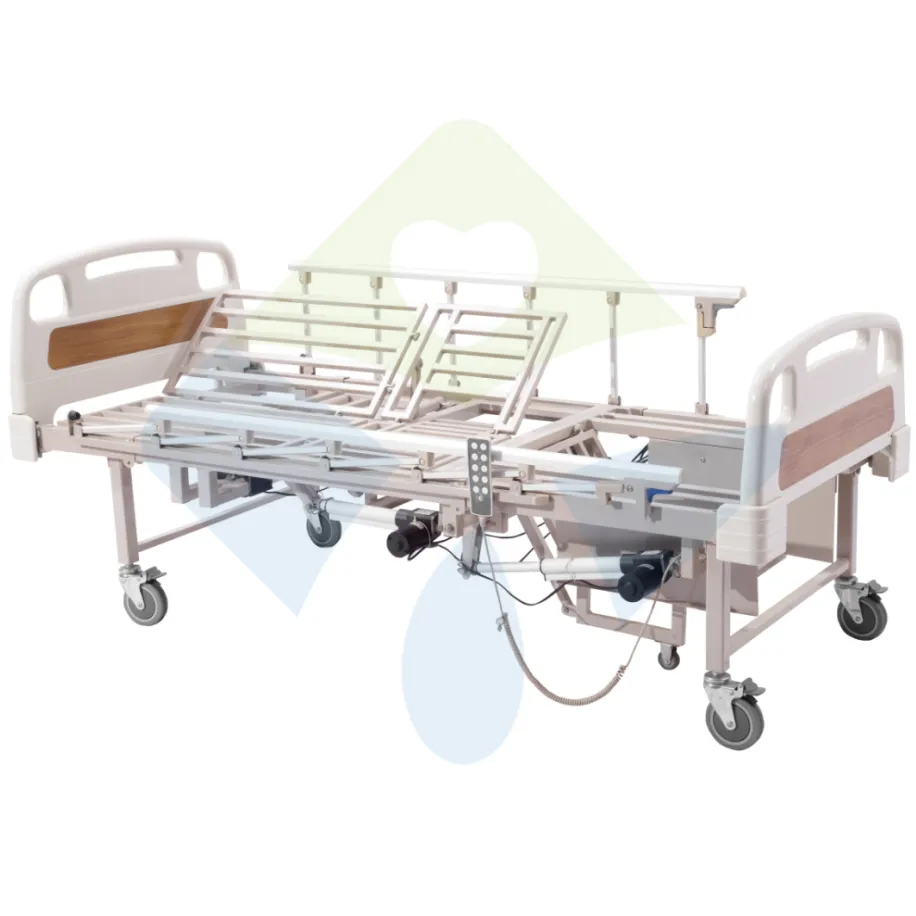
How to choose a high-performance home hospital bed within your budget?
Here are some practical tips:
• Define user needs: Don't buy high-end products for temporary needs, and don't sacrifice essential functions to save money.
• Prioritize electric functions: Even at a slightly higher cost, they can significantly improve care efficiency.
• Pay attention to brand reputation and certifications: Products with ISO13485, CE, or FDA certifications are more reliable.
• Compare after-sales service: Brands with longer warranties and more readily available parts are a worthwhile investment.
• Check bed frame materials and motor specifications: A sturdy structure and a low-noise motor are key to quality.
What types of crutches does Yikang Medical provide?
Yikang Medical manufactures durable and ergonomic crutches for patients in hospitals, rehabilitation centers, and home care. Since 2014, we have expanded from hospital beds to a full range of rehabilitation equipment. Our crutches are adjustable, lightweight, and designed for comfort. Customers can request customized materials, color, and size. As a certified OEM factory with ISO13485, ISO9001, CE, and FDA certifications, Yikang Medical ensures high-quality, safe, and reliable products.