
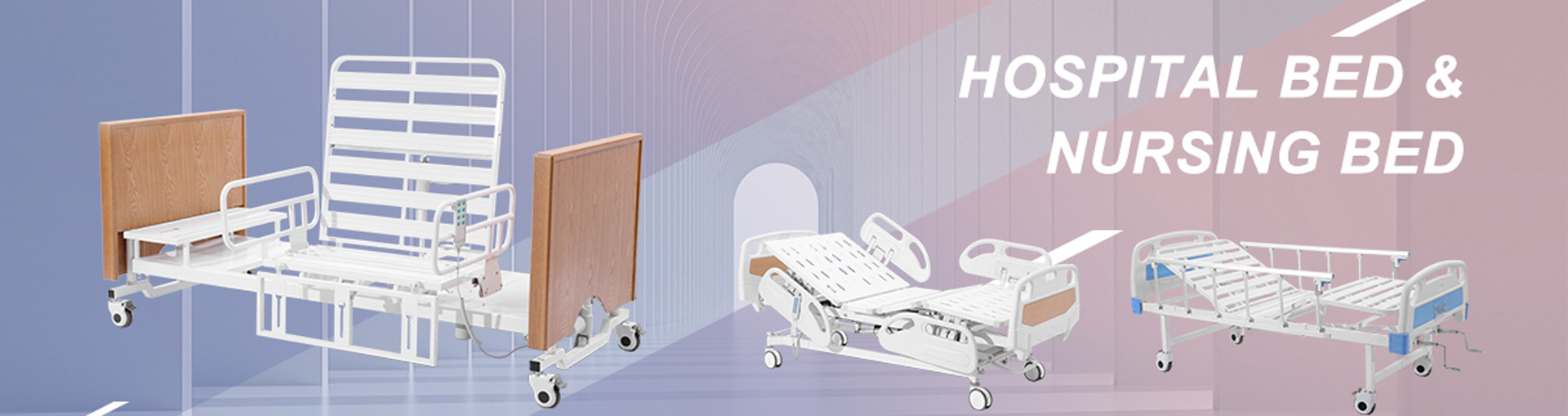
With the increasing prevalence of home healthcare, more and more people are purchasing home-based hospital beds for the elderly, patients with chronic diseases, or those recovering from surgery. These devices provide comfortable sleeping positions and convenient care, allowing patients to receive care in the familiar environment of home.
However, many people ask the same question before purchasing: How long can a home-based hospital bed be used?
The lifespan of a hospital bed not only relates to financial investment but also affects patient safety and the quality of care.
This article will help you understand and extend the lifespan of your home-based hospital bed from multiple perspectives, including structural materials, usage frequency, maintenance, environmental factors, and brand differences.
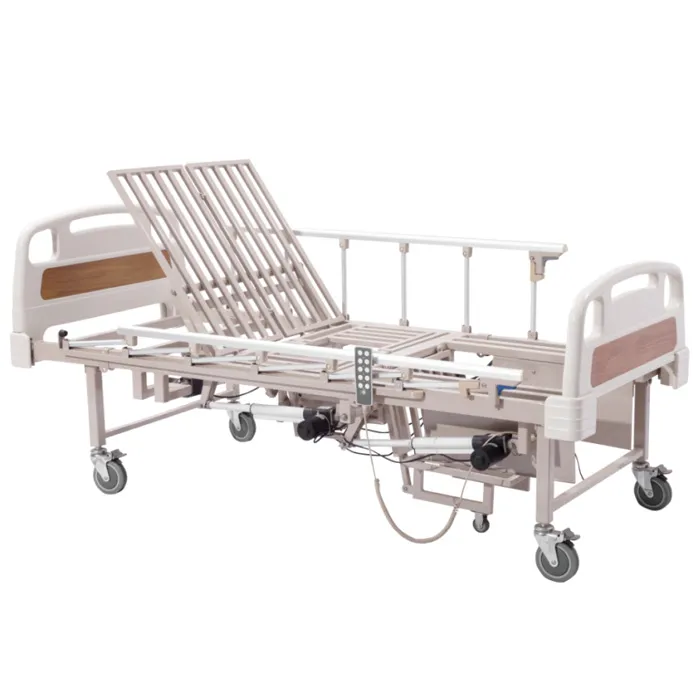
Why Understand the Lifespan of a Home-Based Hospital Bed?
Home-based hospital beds differ from ordinary furniture; they are medical assistive devices that involve patient safety and daily care efficiency. Understanding the average lifespan of a hospital bed can help users:
• Plan your budget wisely: Avoid frequent replacements of equipment in a short period.
• Establish maintenance schedules: Identify wear and tear areas in advance and repair them promptly.
• Ensure nursing safety: Prevent accidents caused by aging electric systems or structural fatigue.
• Enhance the nursing experience: Maintain stable bed operation and improve patient comfort.
For most users, the lifespan of a home care bed is typically between 5 and 10 years, but this range is not fixed and varies depending on usage conditions and maintenance methods. Next, we will explore the key factors affecting lifespan.
What is the typical lifespan of a home hospital bed?
1. Average Lifespan
Generally, a high-quality home hospital bed has an average lifespan of about 8 years under normal use and regular maintenance.
With a good usage environment and proper maintenance, some high-end models can even last for more than 10 years.
However, if used frequently, improperly handled, or in a humid environment, the lifespan may be shortened to 3–5 years.
2. Comparison of Lifespan between Electric and Manual Beds
• Manual home care beds: Simple structure, mainly relying on mechanical rocker adjustment. The high-strength metal structure gives them a longer average lifespan, generally reaching 8–12 years.
• Electric Home Care Beds: While offering more features, factors such as aging motors, control systems, and wiring can affect their lifespan, averaging around 5-8 years.
3. Differences Between Medical-Grade and Home-Grade Beds
Hospital beds used in medical institutions typically have a shorter lifespan due to frequent use and high load. Home use is relatively less frequent, therefore home-use hospital beds often have a longer lifespan than their hospital counterparts.
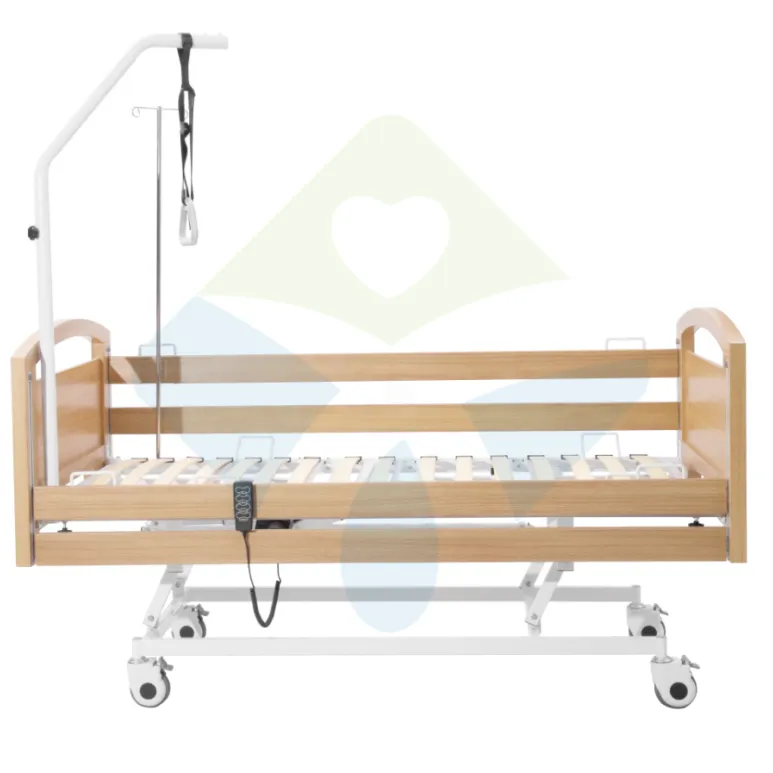
What factors affect the lifespan of home-use hospital beds?
To extend the lifespan of a home care bed, it's essential to understand which factors most easily lead to wear and tear or aging. These mainly include the following:
1. Frequency of Use and Operating Methods
If the bed is raised, lowered, turned, or its position adjusted multiple times daily, the mechanical and electrical components will wear out faster.
Frequent operation of electric functions, forceful use of levers, or overloading are all major causes of shortened bed lifespan.
Correct and stable operating habits are the primary condition for extending the equipment's lifespan.
2. Temperature and Humidity of the Operating Environment
Home care beds are generally composed of steel, ABS plastic, and electronic components. If the environment is too humid, metal parts are prone to rust, and the electrical system is susceptible to moisture damage.
The ideal environment should be maintained at a room temperature of 20–28℃ and humidity of 40–60%, avoiding proximity to windows or damp walls.
3. Overloading
Each home care bed has a clearly defined maximum load-bearing range (usually 150–250 kg). Frequent overloading can lead to bed board deformation, motor overload, and even structural breakage. Long-term overload operation will significantly shorten its lifespan.
4. Motor and Control System Quality
The lifespan of an electric hospital bed largely depends on its motor and control system. High-quality brands use imported motors (such as LINAK and Dewert), which can run continuously for tens of thousands of cycles without damage; while low-end motors have a short lifespan, are noisy, and are prone to premature aging.
5. Cleaning and Maintenance Habits
Many families neglect regular maintenance of the bed; dust, liquids, and medication residues can accelerate metal oxidation.
Good maintenance habits can extend the lifespan of a home care bed by 2-3 years: regularly wipe the bed frame, check for loose screws, keep electrical wires dry, and prevent liquids from entering the control box.
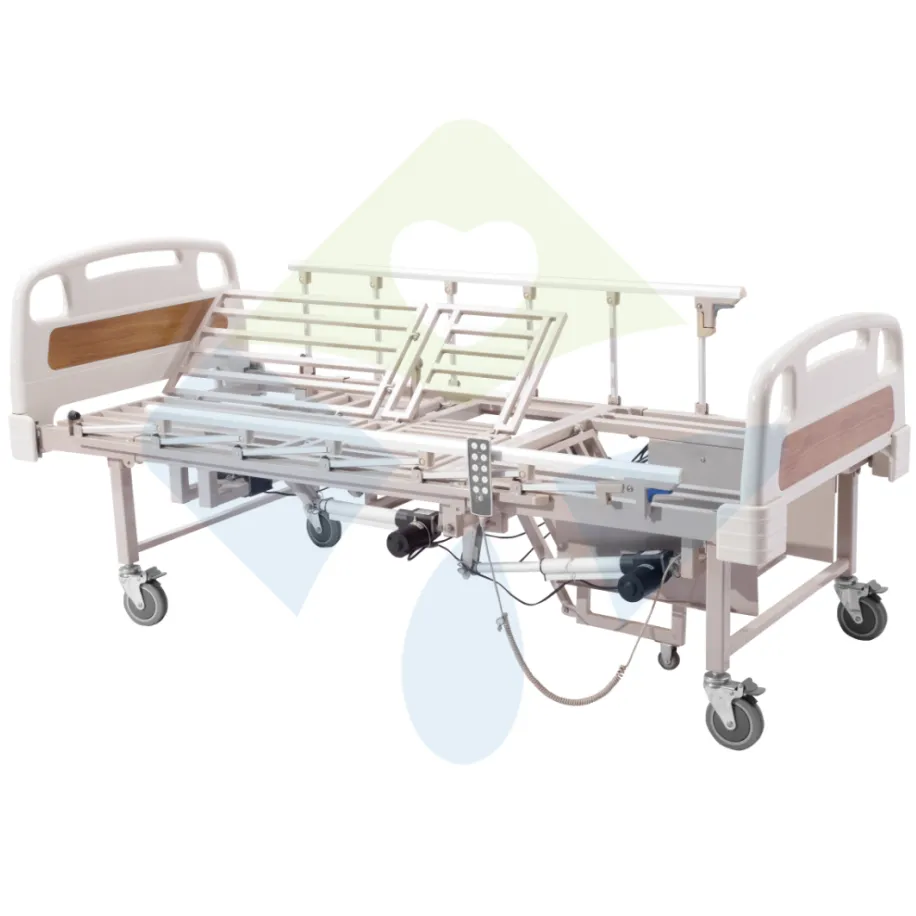
What is the relationship between the lifespan of a home care bed and its material structure?
1. Bed Frame
High-quality home care beds generally use carbon steel with a powder coating or stainless steel. Carbon steel is sturdy and durable, but the surface is prone to rust if damaged; stainless steel has better corrosion resistance, but is slightly more expensive.
Low-end products use thin-walled steel pipes or iron plates, and the welded points are prone to fatigue cracking, resulting in a significantly shorter structural lifespan.
2. Bed Panel and Headboard/Footplate
Bed panels are usually made of cold-rolled steel plate, ABS engineering plastic, or wood composite materials.
• ABS bed panels are lightweight and waterproof, but may deform under long-term high temperatures or pressure;
• Steel plate bed panels are sturdy but heavier;
• Wood has a warm appearance but requires moisture-proofing.
3. Bed Rails and Casters Design
High-strength aluminum alloy or thickened ABS bed rails have a longer lifespan and better impact resistance than ordinary plastics.
The casters should be medical-grade silent casters with an internal bearing system, lasting for over 5 years; ordinary casters are prone to wear and difficult to move.
How long can the motor of a home-use hospital bed last?
1. Average Motor Lifespan
The motor is the most critical power component of a home-use hospital bed, and its lifespan is usually measured in the number of working cycles.
Generally, high-quality motors (such as medical-grade) can support 10,000–20,000 lifting operations, equivalent to a 6–8 year lifespan under normal household use.
2. Main Causes of Motor Wear
• Overheating due to prolonged continuous use;
• Damage to the control board caused by unstable voltage;
• Frequent "half-stroke pauses" during operation increase the motor load;
• Dust or liquid entering the control system causes short circuits.
Keeping the bed dry, avoiding kinking the wires, and maintaining a stable power supply voltage are key to extending motor life.
How often should a home-use hospital bed be maintained?
Good maintenance not only extends the bed's lifespan but also maintains stable function.
Maintenance Items | Recommended Frequency | Main steps |
| Exterior Cleaning | Once a week | Wipe the mattress with a damp cloth, avoiding strong acid or alkaline cleaners |
| Screw Inspection | Once a month | Check for looseness and tighten as needed |
| Motor Inspection | Once every six months | Run all adjustment functions and check for unusual noises |
| Lubrication and Maintenance | Once a year | Apply lubricant to rocker arms and pivots |
| Wire Maintenance | Once every six months | Check for signs of aging, creases, or damage |
| Mattress Maintenance | Once every three months | Replace or air out the mattress to prevent mold and odors |
Regular maintenance can extend the overall lifespan of a home care bed by 2-3 years and reduce the failure rate.
If a home care bed is damaged, can it be repaired?
Most home care hospital beds are repairable, especially the electric systems and mechanical components.
Common repairable parts include:
• Electric actuators, power control box, hand controller;
• Rocker arm assembly, bed rail clips, casters;
• Bed support frame, connecting pins, etc.
However, before attempting repairs, confirm whether the manufacturer provides after-sales service and spare parts supply.
Reputable brands typically offer a 3-5 year warranty and can replace key components. Unbranded or generic products often lack spare parts support and require complete replacement.
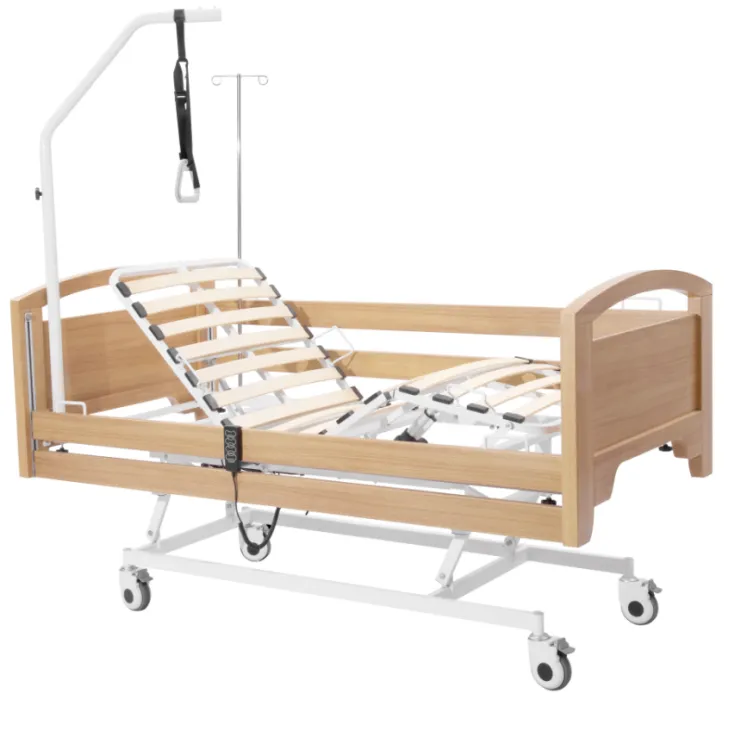
What are the standards for scrapping or replacing a home care hospital bed?
Not all home care beds will "break down." Replacement is recommended if any of the following conditions are met:
• Loose or cracked structure: Deformed bed frame, detached welds.
• Frequent motor malfunctions: Control failure, significant noise, or slow operation.
• Aging or exposed wiring: Risk of electric shock.
• Damaged bed rails: Inability to securely restrain the patient.
• Uneven or sunken bed surface: Affects the patient's spinal health.
• Inability to purchase original parts: Excessive repair costs or inability to guarantee quality.
Generally speaking, when repair costs exceed 40% of the original price of the equipment, a replacement bed should be considered.
Does the lifespan of home-use hospital beds vary significantly between different brands?
Brand is indeed a crucial factor affecting lifespan
• International brands (such as LINAK, ArjoHuntleigh, Hill-Rom, etc.) use high-quality motors and control systems, with a lifespan of over 10 years;
• High-quality Chinese brands (such as YIKANG Medical, Rehabilitation Home) have passed quality certification, with an average lifespan of 7–10 years;
Low-priced, unbranded products often use simple motors and thin steel tube structures, with a lifespan typically not exceeding 3–5 years.
Therefore, when purchasing a home care bed, do not only focus on the price; pay attention to the materials, certifications, and after-sales service, otherwise the long-term cost will be higher.
How to extend the lifespan of a home care bed?
To ensure a longer and safer lifespan for your home care bed, it is recommended to follow these ten maintenance principles:
Read the instruction manual before use and familiarize yourself with all operating methods:
• Do not overload the bed; avoid putting the weight of multiple people on the bed simultaneously.
• Unplug the power cord when not in use for extended periods.
• Dust regularly to prevent dust from entering the motor.
• Avoid direct sunlight or damp storage.
• Air out the mattress regularly to keep it dry and hygienic.
• Inspect the electrical system every six months.
• Use a stable power outlet to avoid voltage fluctuations.
• If any unusual noises or resistance occur, stop operation immediately and inspect the bed.
• Have major repairs performed by a professional; do not disassemble the control system yourself.
By following these points, the lifespan of a home care bed can typically be extended by 2–4 years.
Can I Visit the Yikang Medical Factory in China?
Yes, we welcome visits from potential clients and partners. Our production facility in Foshan is open to factory audits, quality inspections, and business meetings. If you’re planning to source medical equipment from China and want to evaluate your supplier firsthand, we’d be happy to schedule a factory tour.