
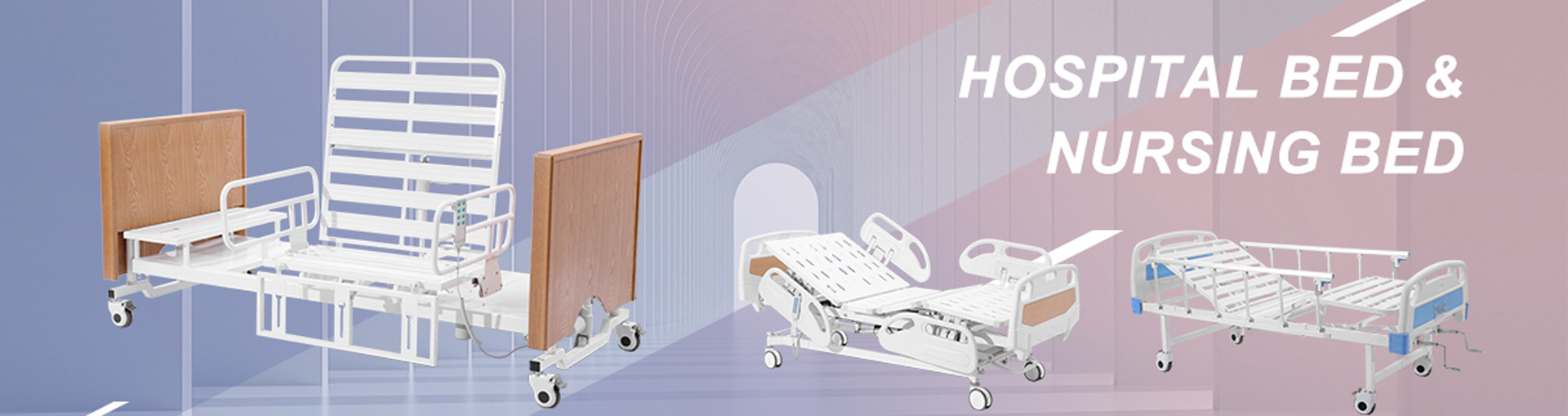
For long-term bedridden patients, one of the most practical, sensitive, and crucial issues is—how to use the toilet?
This is the most basic yet easily overlooked aspect of care. Prolonged bed rest leads to limited mobility, often preventing patients from independently using the toilet and frequently requiring assistance. This not only causes embarrassment for the patient but also significantly increases the workload for caregivers.
Fortunately, the bedside commode chair provides a scientific, hygienic, and convenient solution for bedridden patients. It allows patients to relieve themselves at the bedside without leaving the care area, ensuring privacy and dignity while greatly reducing the burden on caregivers.
This article will analyze in depth from multiple perspectives, including principles, structure, usage, types, safety, and cleaning and maintenance, how bedridden patients use the toilet and why the bedside toilet chair is the best choice.
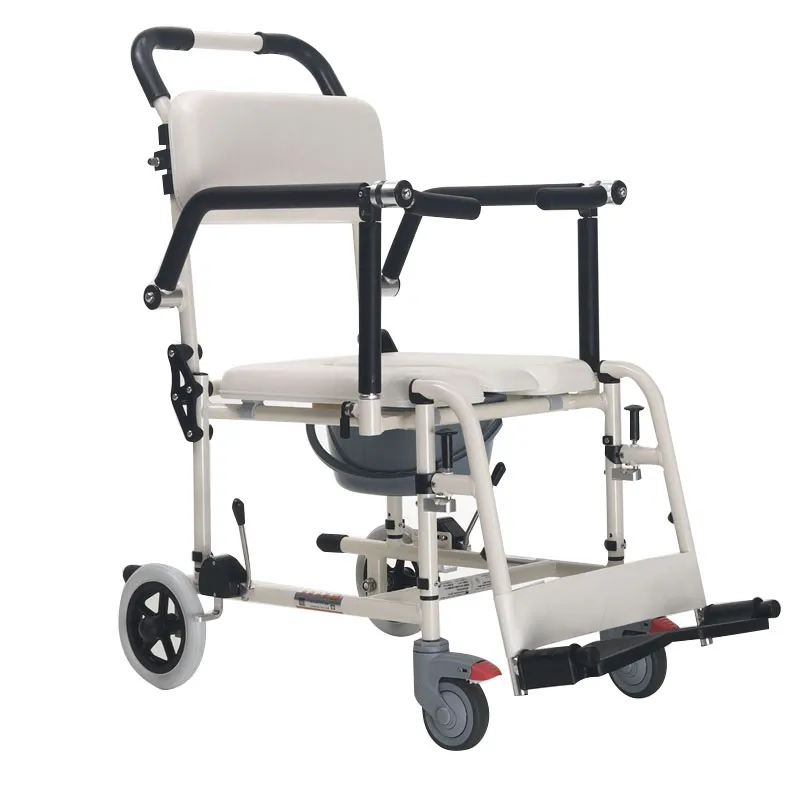
Why can't bedridden patients use a regular toilet directly?
Many family members, in the initial stages of care, often try to have the patient be helped to the toilet. However, this method carries significant safety and hygiene risks.
1. Limited Patient Mobility, Increased Risk of Falls
Long-term bedridden patients experience decreased muscle strength and poor balance, making even short-distance walking extremely unstable. Entering the toilet requires turning and squatting, greatly increasing the risk of falls or fractures.
2. Slippery Bathroom Environment
Bathroom floors often have standing water, posing a greater risk to patients. This is especially true for the elderly or post-operative patients; a slip could lead to secondary injuries.
3. Increased Difficulty in Nursing Care
Caregivers must assist patients with getting up, walking, undressing, using the toilet, and cleaning each time. This is complex, time-consuming, and physically demanding, increasing strain on the back.
4. Inability to Meet Nighttime and Emergency Needs
For patients with incontinence or frequent nighttime urination, frequent trips to the toilet are impractical.
In conclusion, ordinary toilets are not suitable for bedridden patients; assistive devices are necessary for safe and hygienic excretion.
What is a Bedside Toilet Chair?
A bedside toilet chair is a convenient excretion assistance device specifically designed for patients with limited mobility or those who are bedridden for extended periods.
It resembles a regular chair in appearance, but features a removable toilet seat and bedpan in the center, allowing patients to defecate directly while seated without needing to go to the bathroom.
1. Basic Structure
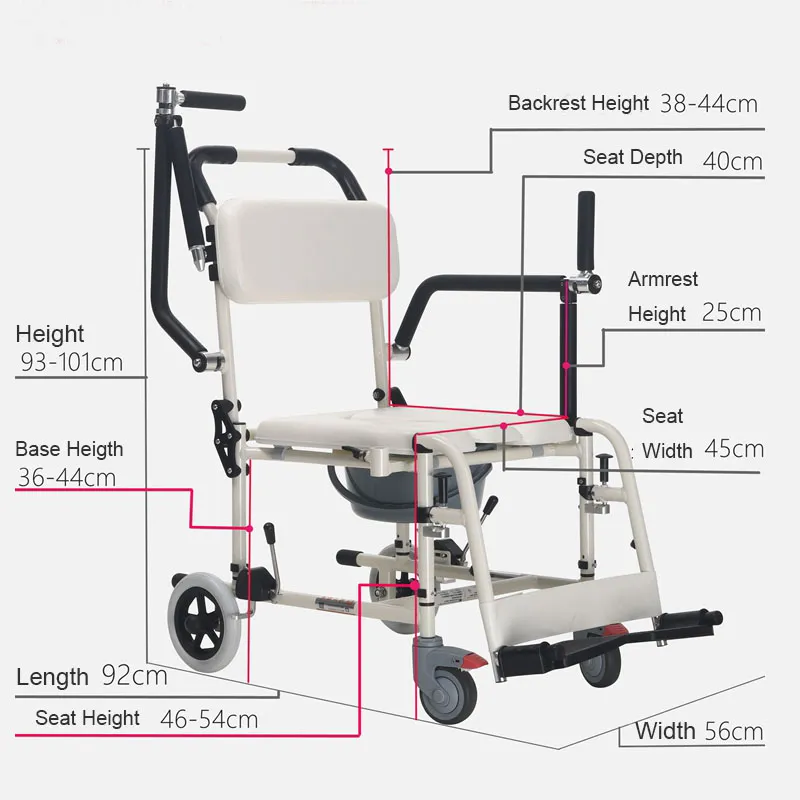
A bedside commode chair typically consists of the following parts:
• Sturdy Frame: Constructed with steel tubing or aluminum alloy, providing strong load-bearing capacity and good stability.
• Seat Cushion and Backrest: Ergonomically designed for comfortable prolonged sitting.
• Bedpan Assembly: Pull-out plastic or stainless steel bedpan for easy disassembly and cleaning.
• Armrests and Non-slip Footpads: Facilitate getting up and prevent slipping.
• Adjustable Height: Adapts to different bed heights and patient heights.
2. Core Function
The primary function of a bedside toilet chair is to allow patients to defecate at the bedside, saving energy and maintaining dignity.
For patients recovering from surgery, those with Alzheimer's disease, paralysis, or stroke, it is an indispensable piece of care equipment in daily life.
Why should bedridden patients choose a bedside toilet chair?
1. The Best Way to Solve Toileting Problems
A bedside toilet chair can be placed next to the hospital bed, allowing patients to use the toilet with only slight body movement assisted by caregivers.
This method reduces the number of times patients need to be moved, lowers the risk of falls, and saves care time, making it the most practical solution currently available.
2. Maintaining Hygiene and Comfort
Compared to bedpans or urinals, bedside commode chairs more closely resemble the natural posture for toileting, facilitating bowel emptying and reducing the risk of constipation. Furthermore, the removable and washable design of bedpans ensures a clean and hygienic environment.
3. Protecting Patient Privacy and Dignity
The appearance of a bedside commode chair resembles a regular chair, avoiding embarrassment for patients; some models even feature a cover and backrest, making it more like a piece of furniture.
4. Adaptable to Various Care Scenarios
Bedside toilet chairs are not only suitable for bedrooms but can also be placed in living rooms, balconies, and other spaces. Some models are equipped with wheels for easy movement to the bathing area or outdoors.
What types of bedside commode chairs are available?
Which one is more suitable for bedridden patients?
Bedside commode chairs can be categorized into the following types based on their structure and usage, each suitable for different groups of people:
1. Fixed Bedside Toilet Chair
Simple, sturdy, and durable, suitable for patients who can sit up slightly. Generally placed beside the bed or in the nursing area for easy use.
• Advantages: High stability, affordable price, easy to clean.
• Disadvantages: Cannot be moved; requires manual assistance for the patient to sit up.
2. Movable Bedside Toilet Chair with Wheels
Equipped with braked casters, it can be pushed to the bedside or bathroom for convenient care.
• Advantages: Flexible movement, suitable for multiple scenarios.
• Disadvantages: Caution is needed to avoid slipping due to brakes.
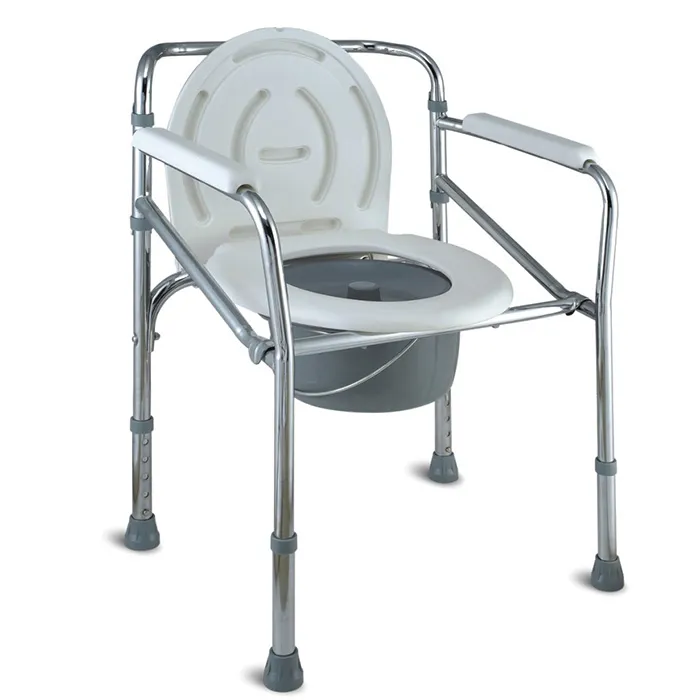
3. Folding Bedside Toilet Chair
Foldable for storage, suitable for homes with limited space or temporary use.
• Advantages: Lightweight and portable, easy to store.
• Disadvantages: Lower load-bearing capacity, slightly less stable.
4. Multifunctional Bedside Toilet Chair
Combines the functions of a shower chair, commode chair, and wheelchair in one unit. It features electric height adjustment and backrest angle adjustment.
• Advantages: High comfort and comprehensive care.
• Disadvantages: Higher cost, requires power supply.
For bedridden patients unable to walk independently, a wheeled, movable bedside toilet chair is recommended. It facilitates care and can be used in different spaces.
How to use a bedside commode chair?
Correct usage not only affects patient comfort but also directly impacts hygiene and safety.
1. Preparation before use
• Check that the bedside commode chair is stable and ensure the footrests or casters are properly braked;
• Place the bedpan properly and add a suitable amount of water to the bottom for cleaning;
• Prepare disposable toilet paper or nursing pads.
2. Assisting the patient into position
• Assist the patient to sit up or transfer to the chair, ensuring balance;
• Adjust the seat height to match the bed height for easy transfer;
• Secure the casters to prevent the chair from sliding.
3. Toileting Procedure
• Keep the patient relaxed and in a natural posture;
• Caregivers should appropriately avoid the area to protect privacy;
• Clean the bedpan and seat promptly after use.
4. Cleaning and Repositioning
• Empty the waste and wash the bedpan with a neutral detergent;
• Disinfect and wipe the seat, armrests, and handles;
• Allow to dry and reposition for next use.
Regular cleaning effectively prevents odors and bacterial growth, ensuring hygiene and safety.

What are the health benefits of a bedside toilet chair for patients?
Many people only consider bedside commode chairs as "emergency equipment," but they actually offer significant benefits to the physical and mental health of bedridden patients.
1. Prevention of Constipation and Urinary Retention
A natural sitting posture better conforms to the physiological structure of excretion, helps to create abdominal pressure, makes defecation smoother, and avoids constipation caused by defecation in a lying position.
2. Reduced Risk of Pressure Ulcers
Being able to sit up briefly to use the toilet helps the skin breathe, reducing the risk of pressure ulcers in areas under prolonged pressure.
3. Enhanced Self-Esteem and Psychological Comfort
Independent toileting allows patients to maintain dignity and confidence, reducing embarrassment and depression, which is extremely beneficial for recovery.
4. Reduced Risk of Cross-Infection
Compared to bedpans or urinals, bedside toilet chairs have a sealed structure, and the bedpan is removable and washable, effectively preventing waste spillage and odor spread.
How is the safety of bedside toilet chairs ensured?
While bedside toilet chairs are convenient, improper operation can still lead to accidents. Therefore, caregivers must understand the safety precautions.
1. Check Stability
Before each use, ensure screws are tightened, casters are locked, and anti-slip pads are intact.
2. Avoid Overloading
Adhere to the weight limit specified in the product instructions, generally not exceeding 120–150 kg.
3. Keep Dry and Non-Slip
Avoid dampness on chair legs or the floor; use a non-slip mat.
4. Provide Support During Transfers
When transferring a patient, have them hold onto the armrests with both hands, and the caregiver should provide support from the side.
5. Regularly Inspect for Structural Wear
If cracks, rust, or looseness are found, replace or repair the chair promptly.
How to Clean and Maintain a Bedside Toilet Chair?
Hygiene is one of the most important aspects of care. Keeping the bedside commode chair clean not only prevents odors but also reduces the risk of infection.
1. Clean After Each Use
Rinse the bedpan with clean water, then wipe it with a neutral detergent; avoid using strong acids or bleach, as these can corrode plastic parts.
2. Disinfect Regularly
Wipe the armrests, seat, and bedpan weekly with medical alcohol or diluted disinfectant.
3. Keep Well-ventilated and Dry
After cleaning, allow the chair to air dry before use to prevent bacterial growth.
4. Inspect Easily Damaged Parts
Body covers, seats, casters, etc., are prone to aging after prolonged use and should be replaced regularly.
5. Use Odor-Absorbing Pads
Adding odor-absorbing gel or a pad to the bottom of the bedside table can reduce odor.

How to Choose a Suitable Bedside Toilet Chair for a Patient?
When purchasing a bedside commode chair, do not choose blindly; consider the patient's actual situation and the home environment.
1. Based on the Patient's Physical Condition
For those who can sit up: choose a fixed or folding model;
For those who cannot sit up independently: choose a wheeled, movable model or one with back support.
2. Based on the Nursing Environment
For spacious areas requiring multi-functional use: a wheeled, movable model is recommended;
For small bedrooms: a folding or minimalist model is suitable.
3. Consider Comfort and Materials
The seat should be soft, waterproof, and easy to clean; the armrests should be sturdy and non-slip.
4. Check After-Sales Service and Warranty
Reputable brands typically offer a 1-2 year warranty and the supply of bedside table accessories.
Are There Discounts for First-Time Buyers or Long-Term Partners?
Yes, Yikang Medical offers promotions and special prices for first-time buyers and long-term clients. We value partnerships and are always open to offering the best deals, especially for large-volume orders. Whether you are sourcing for a new healthcare brand or stocking for a hospital network, we can provide bulk quotes, flexible payment options, and attractive wholesale terms.